SOLAR & OUTDOOR LIGHTING
Solar & Outdoor Lighting Manufacturer for EPC & Government Projects
Choose Lighting for Your Site
A park path, city street and highway need different lighting. We start with the application, road width and operating hours, rather than wattage or pole height alone. We review actual luminaire output in lumens, light distribution and the lighting needed on the ground. Not sure what to specify? Share your location and site photos, and we will help identify the next inputs.
Solar Street Light Systems
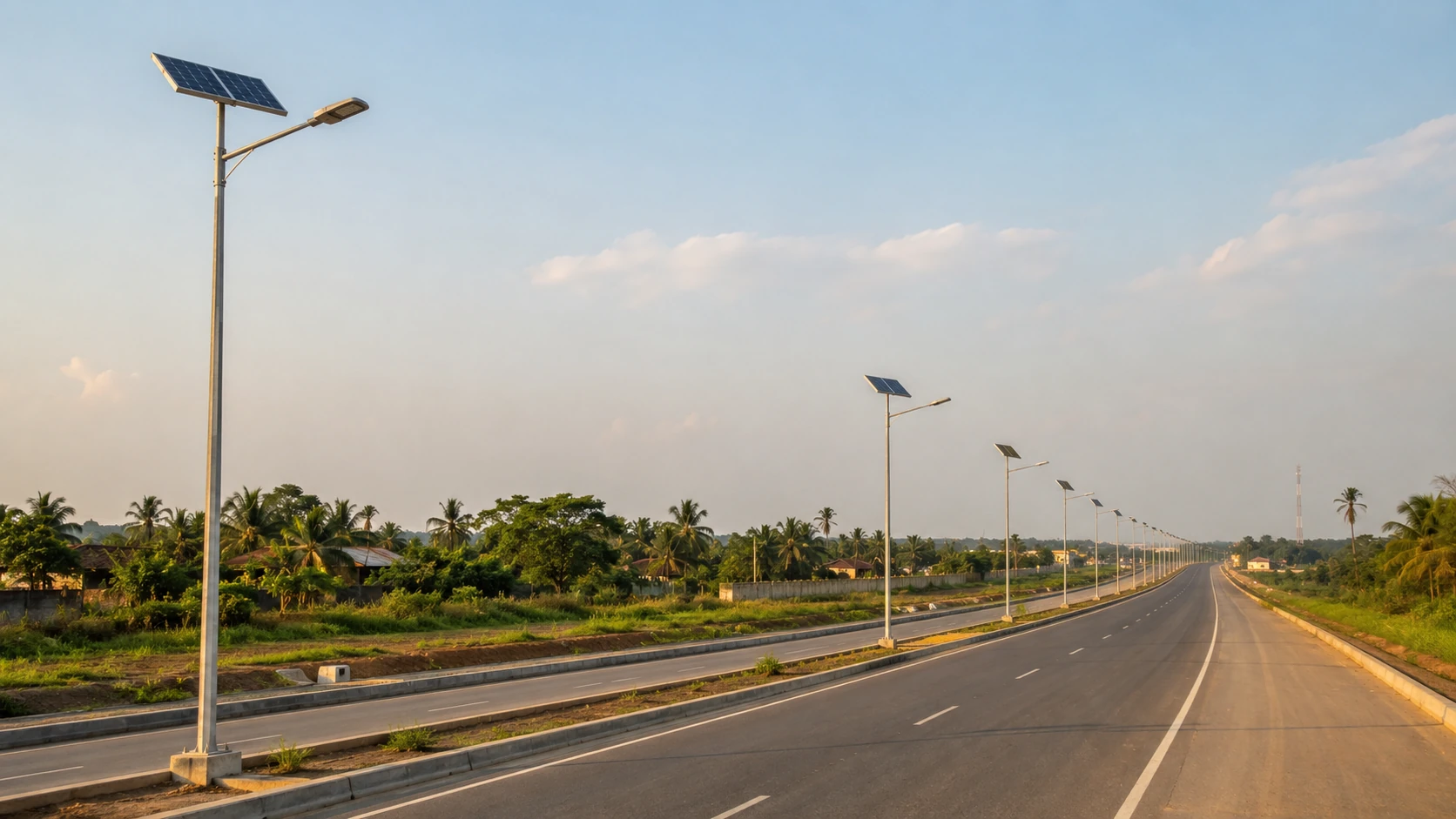
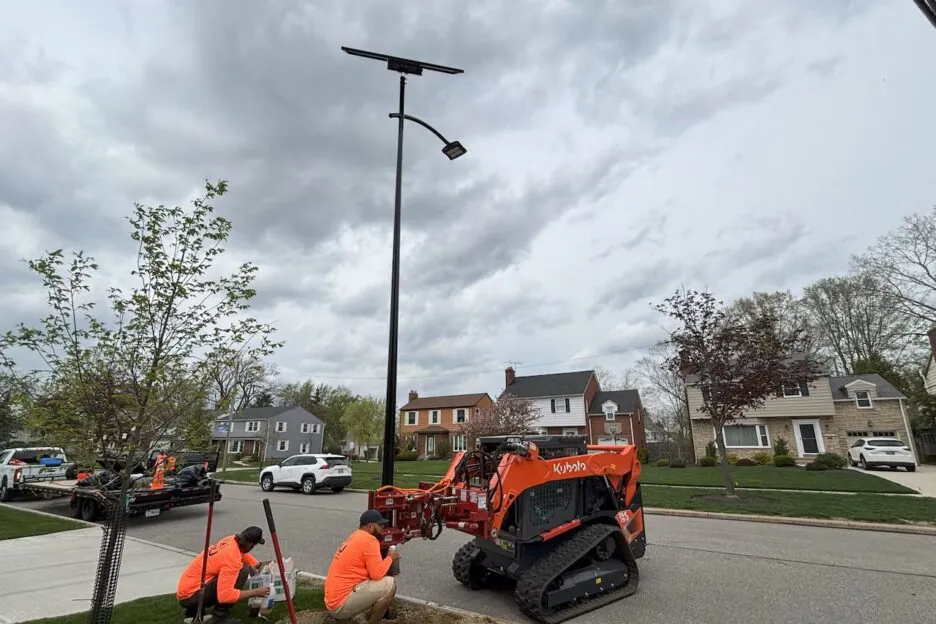
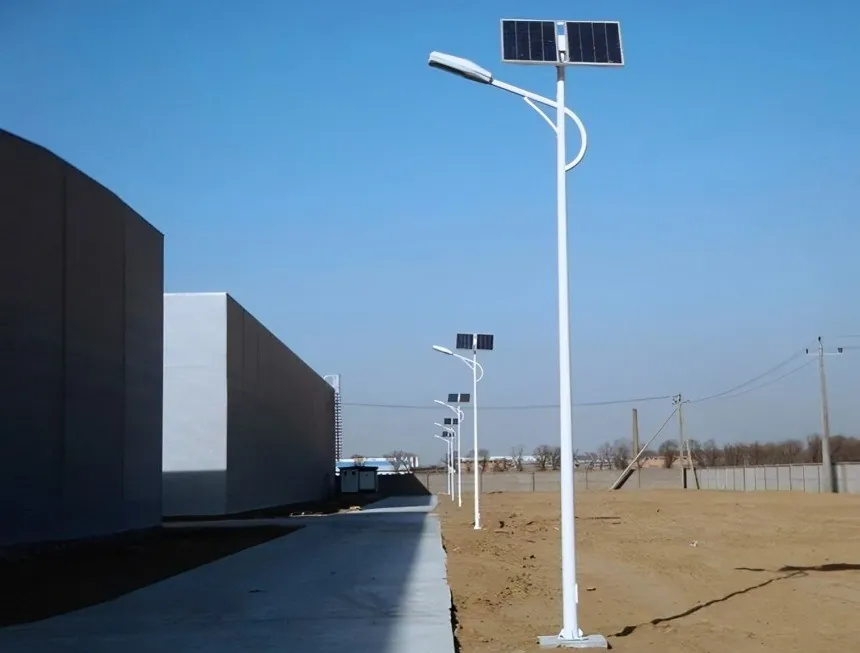
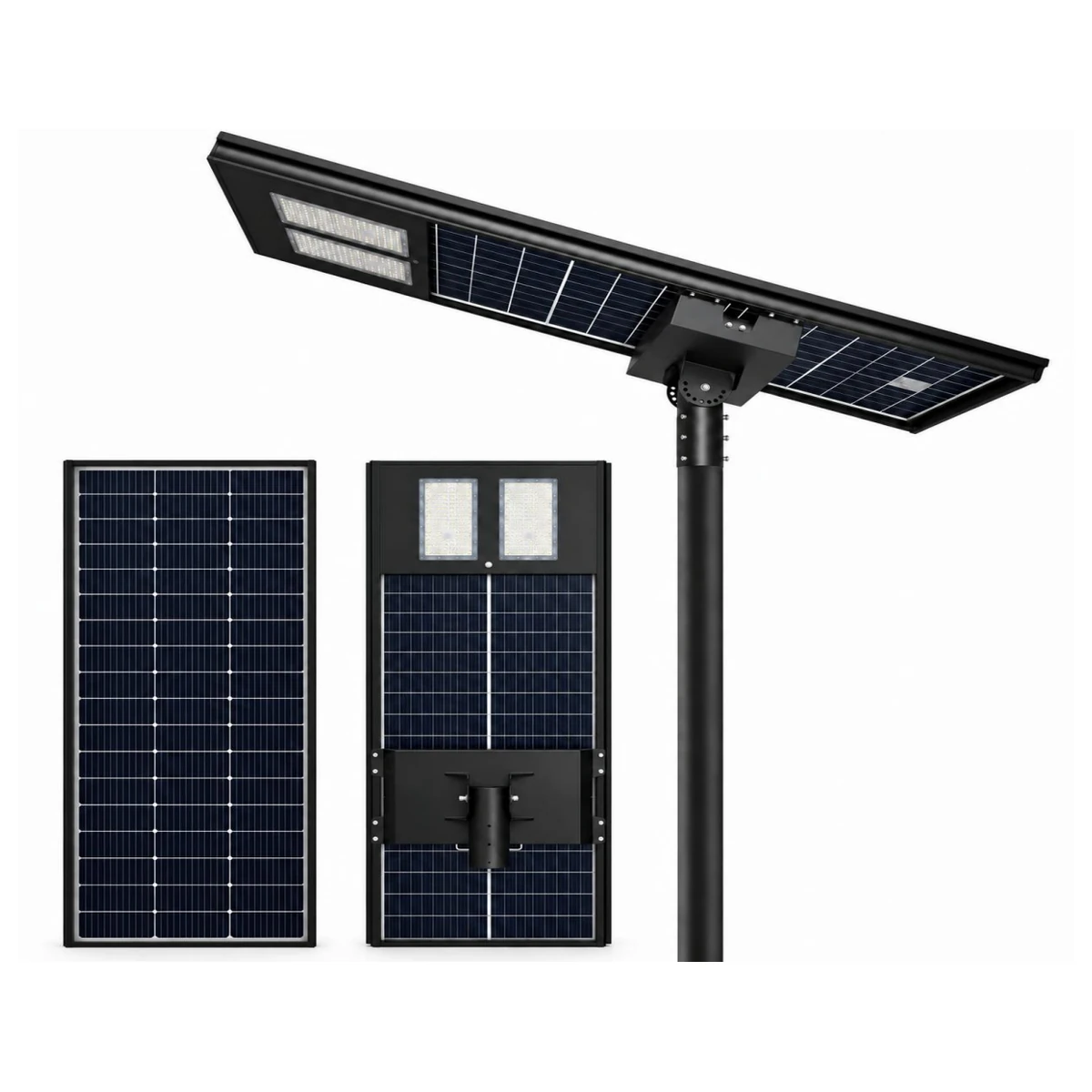
Choose All-in-One for an integrated layout, All-in-Two when the solar panel needs separate positioning, or Split for flexible component placement and servicing. We check sunlight, night-time use and rainy-day requirements before sizing the system.
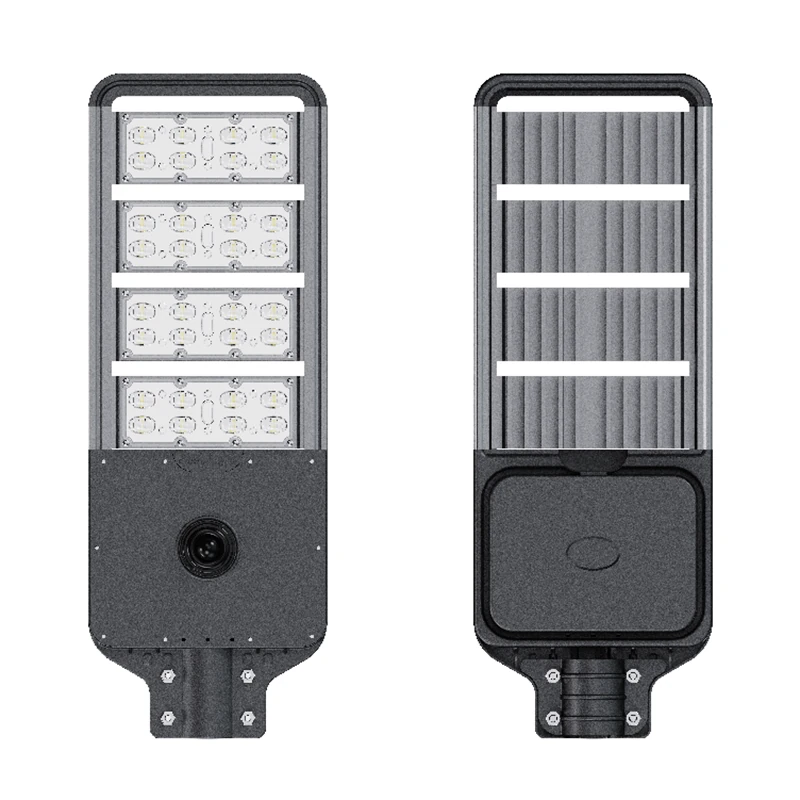
LED Street Lights
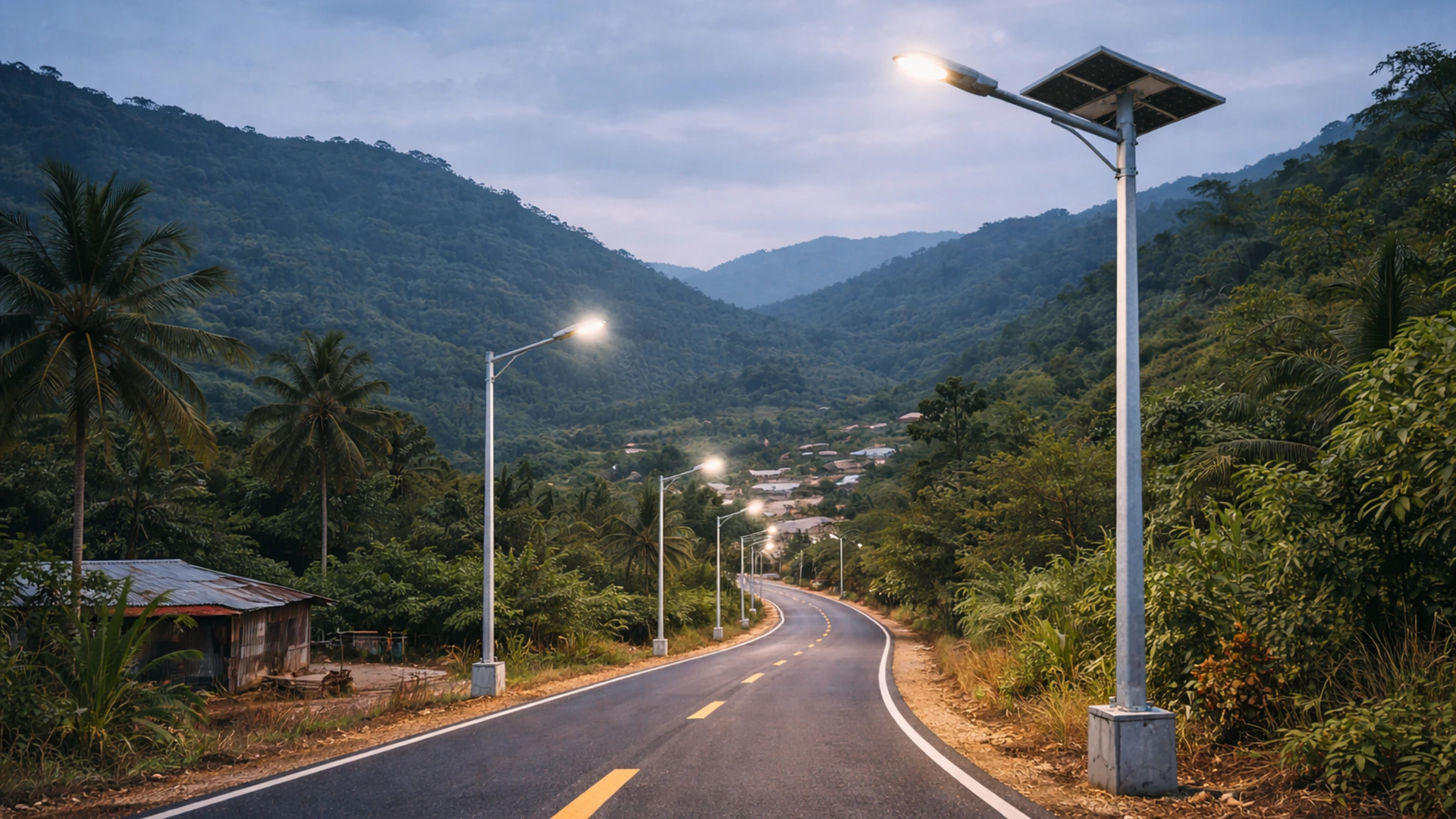
For roads with grid power or existing street-light circuits. Choose the optics around road width, pole spacing and the required lighting level, then match the voltage, driver, surge protection and dimming. Confirm the luminaire and optic before requesting design files.
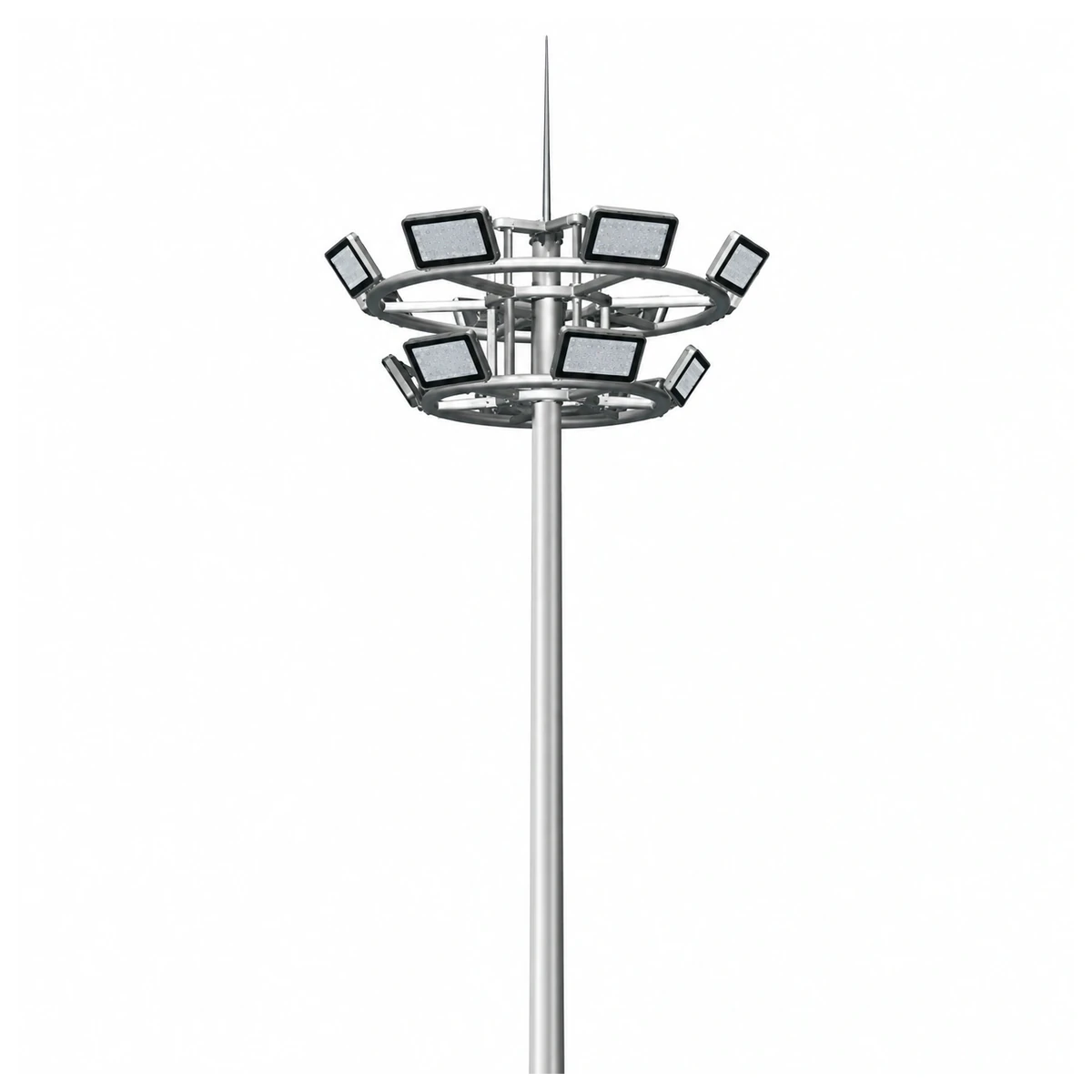
High Mast Lighting
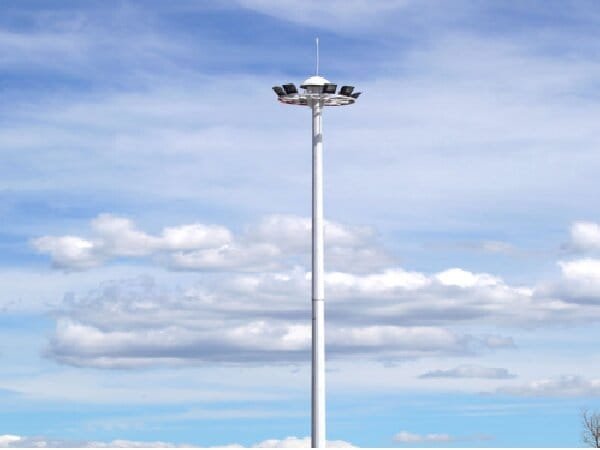
For large areas where high mounting points can cover the site. Review area dimensions, wind conditions, foundations, light aiming and maintenance access together. Confirm whether the supply includes the mast, floodlights, lowering system, cabinet and anchor bolts.
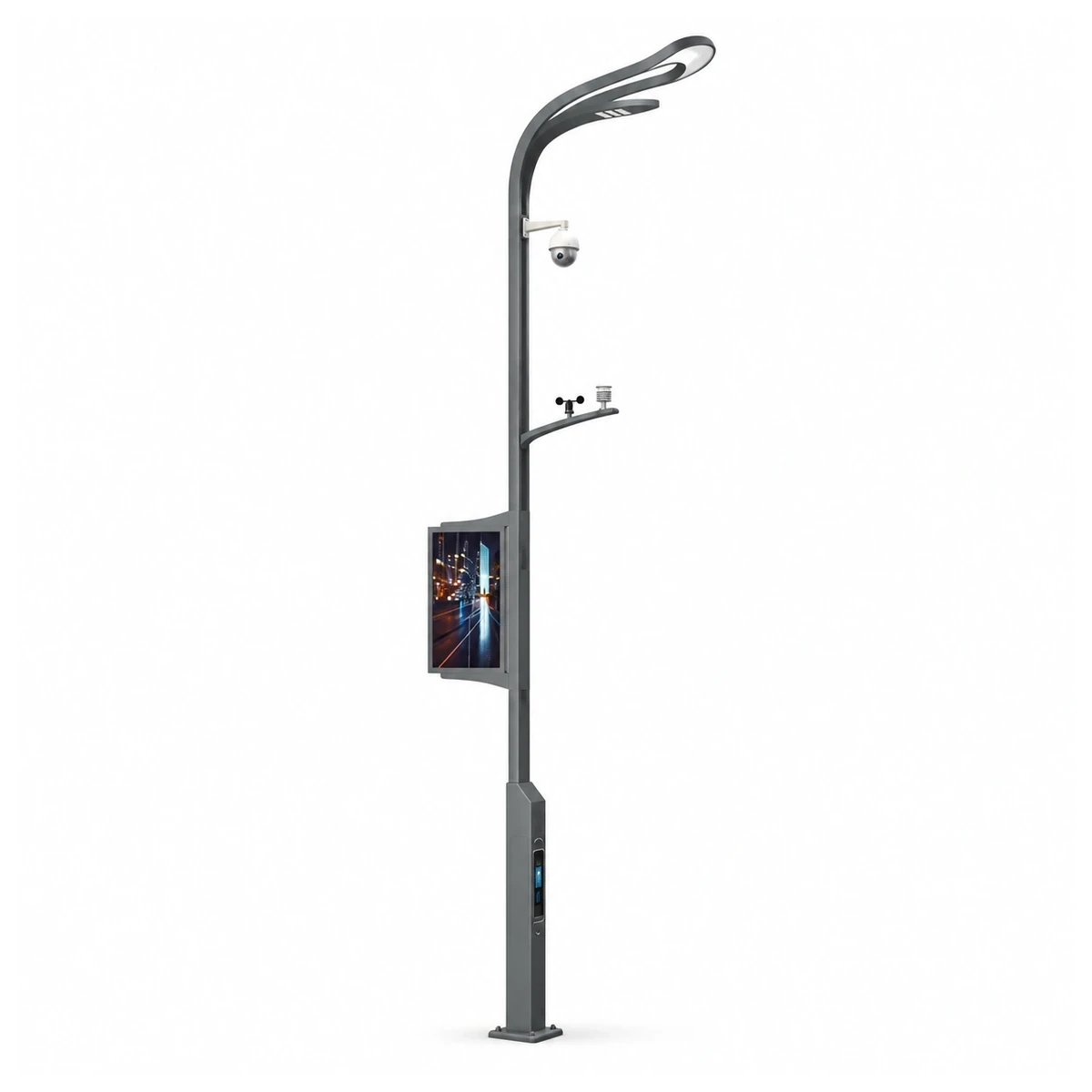
Smart Lighting Systems
For grid-powered roads needing dimming and remote monitoring. Confirm the controller, network coverage, platform and maintenance roles first. Cameras, displays and sensors shown are optional project features. For smart solar lighting, start with Solar Street Light Systems.
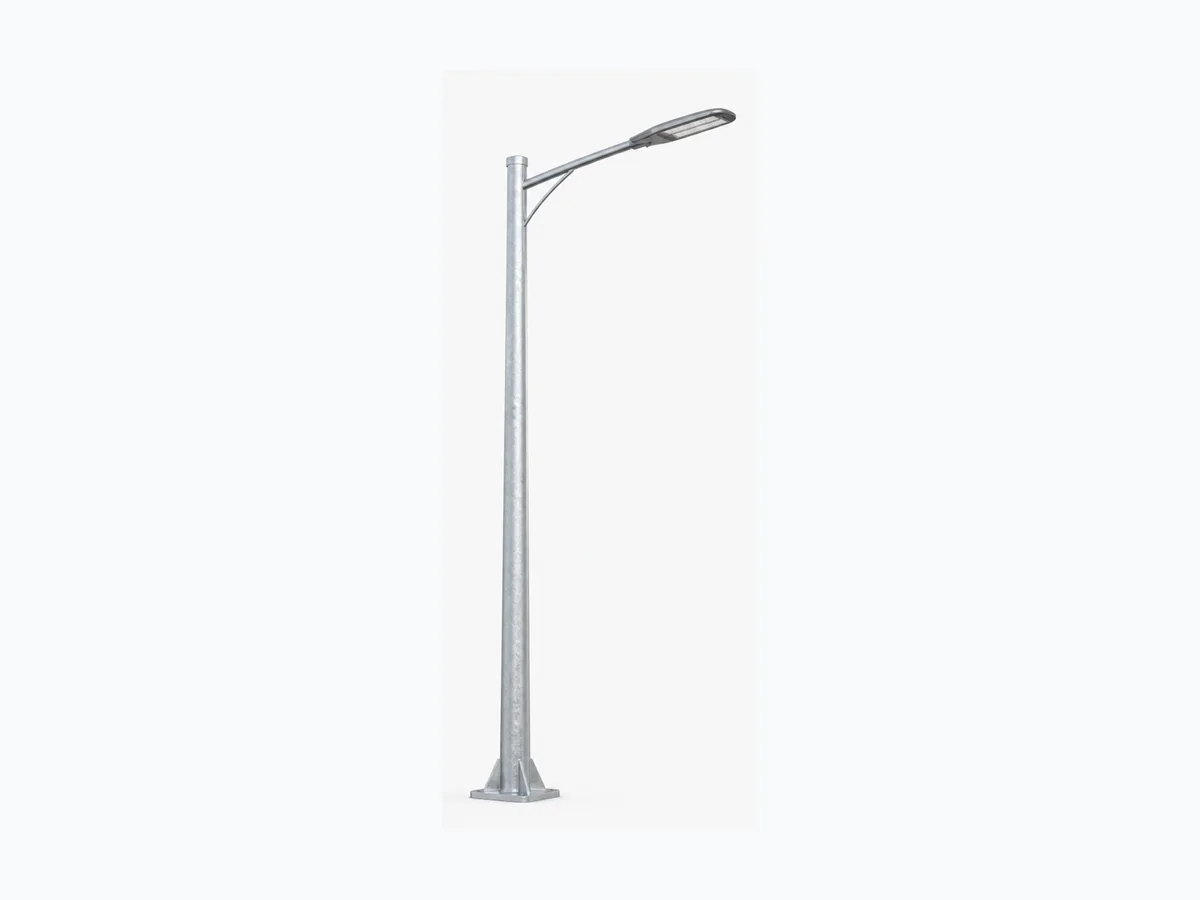
Lighting Poles & Arms
For new installations or replacement poles and arms. Height is only one input: equipment loads, wind, flange, anchor bolts, corrosion exposure and foundation interfaces also matter. For steel lighting poles, we specify hot-dip galvanizing and confirm the design in the agreed drawings.
LED Floodlights
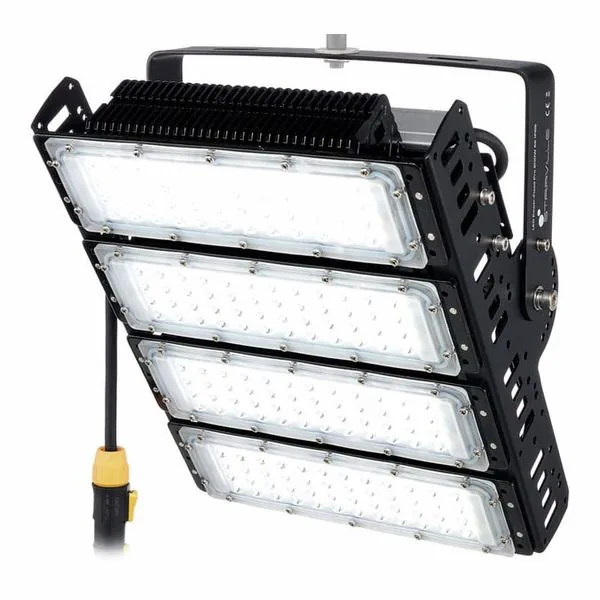
For yards, parking areas and other outdoor working spaces. Choose the beam and aiming around the area dimensions, mounting positions, required illumination and glare limits. Confirm the power supply and model-matched photometric file before finalizing the layout.
Selected Project References
Explore solar, smart and high mast lighting references, with project scope and technical support described for each installation.
Togo — Road & Highway Solar Lighting
Cumulative supply of 13,000 All-in-Two solar street lighting systems with 60 W LED luminaires and 8 m hot-dip galvanized steel poles for roads and highways in Togo. Sunlurio provided system supply, tender support and engineering/document coordination. The client/EPC handled installation, with Sunlurio providing on-site guidance.
Ghana — Solar Road Lighting
From 2015 to 2020, Sunlurio supplied 12,000 All-in-One solar street lighting systems with 80 W LED luminaires and 9 m poles for public, community and village roads in Ghana. An initial order of 10,000 sets was followed by 2,000 additional sets. Installation was handled by the client/EPC/local team.
Burkina Faso — Main Road Solar Lighting
In 2025, we supplied 750 lens-type All-in-One solar luminaires rated at 80 W, 750 arms, 500 hot-dip galvanized 7 m poles and 500 anchor-bolt sets for main-road lighting. These are separate supply quantities, not 750 complete pole-and-light sets.
Ethiopia — Smart Lighting
Completed in 2024: 220 smart lighting poles, each 11 m high with a 300 W road arm and a 200 W pedestrian arm. The project included 110 double-sided screens and central CMS monitoring.
Cambodia — 25 m High Mast Lighting
For a municipal parking-area project completed in 2024, we supplied three complete 25 m motorized-lifting high mast systems, each with eight 600 W floodlights.
Nigeria — Smart Solar Road Lighting
For rural roads in Nigeria in 2022, we supplied 120 smart solar lighting systems with 60 W luminaires and 6 m poles. The project configuration included 5G communication and GPS monitoring.
Planning a similar project? Tell us the country, application and approximate scale. We can identify relevant references and confirm which project details or redacted samples can be shared.
Lighting Applications
Find the application closest to your site and review the conditions that affect product selection.
Municipal Streets & Communities
Public-area visibility, maintenance access and local operating conditions.
Parking Areas & Campuses
Pedestrian routes, uniformity, mounting locations and operating schedules.
Industrial & Logistics Yards
Working areas, obstructions, mounting height and maintenance access.
Large-Area Lighting
Area coverage, luminaire layout, mounting height and maintenance access.
Connected Public Lighting
Network coverage, dimming strategy, monitoring and operating responsibilities.
Technical Support for Specification, Tender and Procurement
Some tender documents carry forward specifications from earlier projects. We check whether the requirements still suit your site and work together, including solar panel efficiency and luminaire efficacy (light output per watt). Where an alternative may help, we explain the differences and confirm whether the tender allows it.
Lighting Design & Photometric Files
Review model-matched IES/LDT files and DIALux/Relux outputs against road geometry, pole layout and lighting requirements.
BOQ & Technical Compliance Review
Map the requested equipment and accessories to the supply scope. Flag conflicting requirements, distinguish mandatory items from reference values, and set out proposed alternatives for approval before changing the specification.
Datasheets & Drawings
Coordinate product dimensions, mounting interfaces, wiring references and the documents required for technical submittals.
Solar & Structural Inputs
Review operating hours, autonomy requirements, local solar conditions, equipment loads and the inputs needed for pole or mast coordination.
Document availability is confirmed for the selected model and project scope. Final structural and foundation design requires approval by the project’s qualified engineer.
Manufacturing and Quality Control for Project Supply
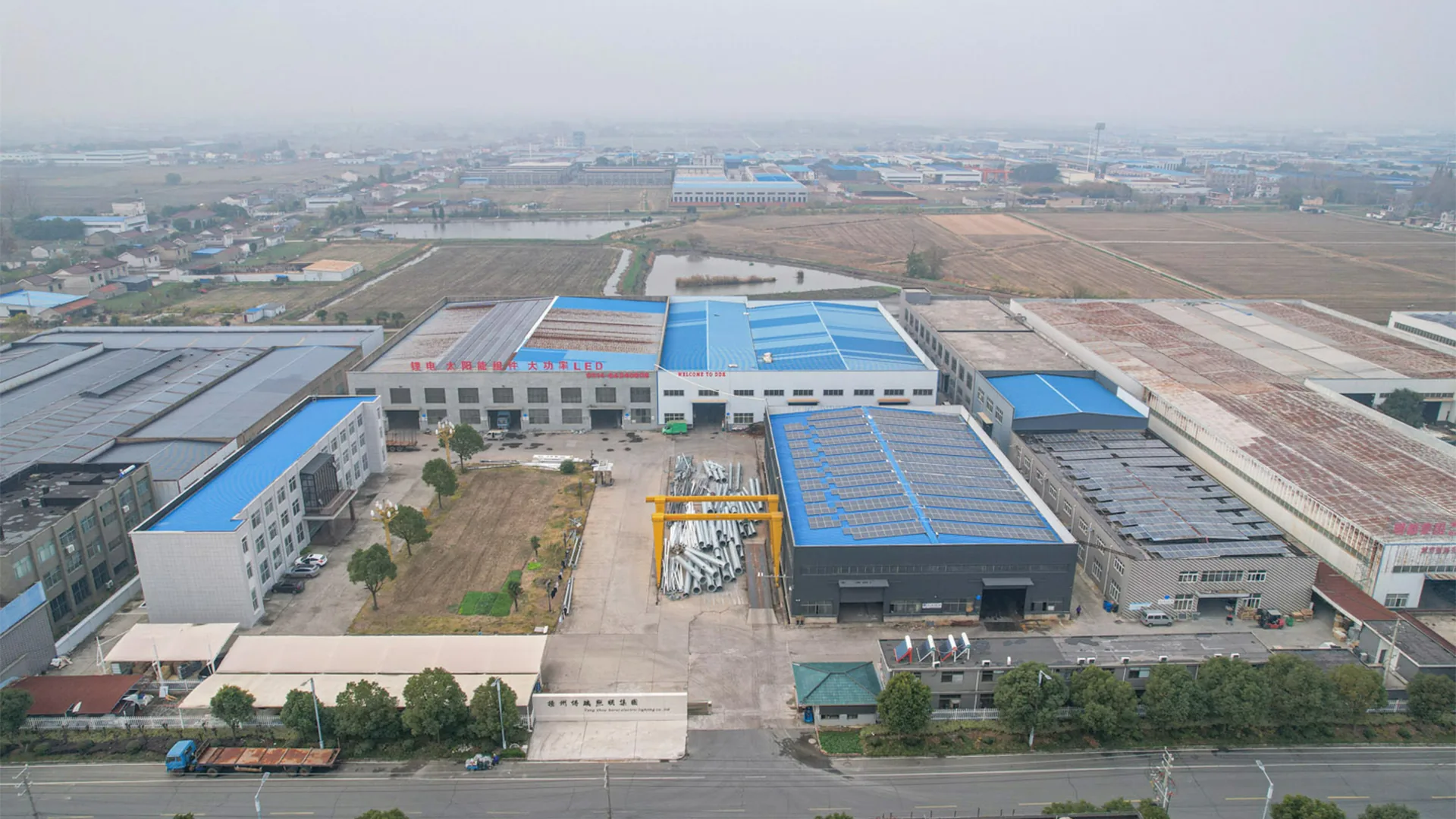
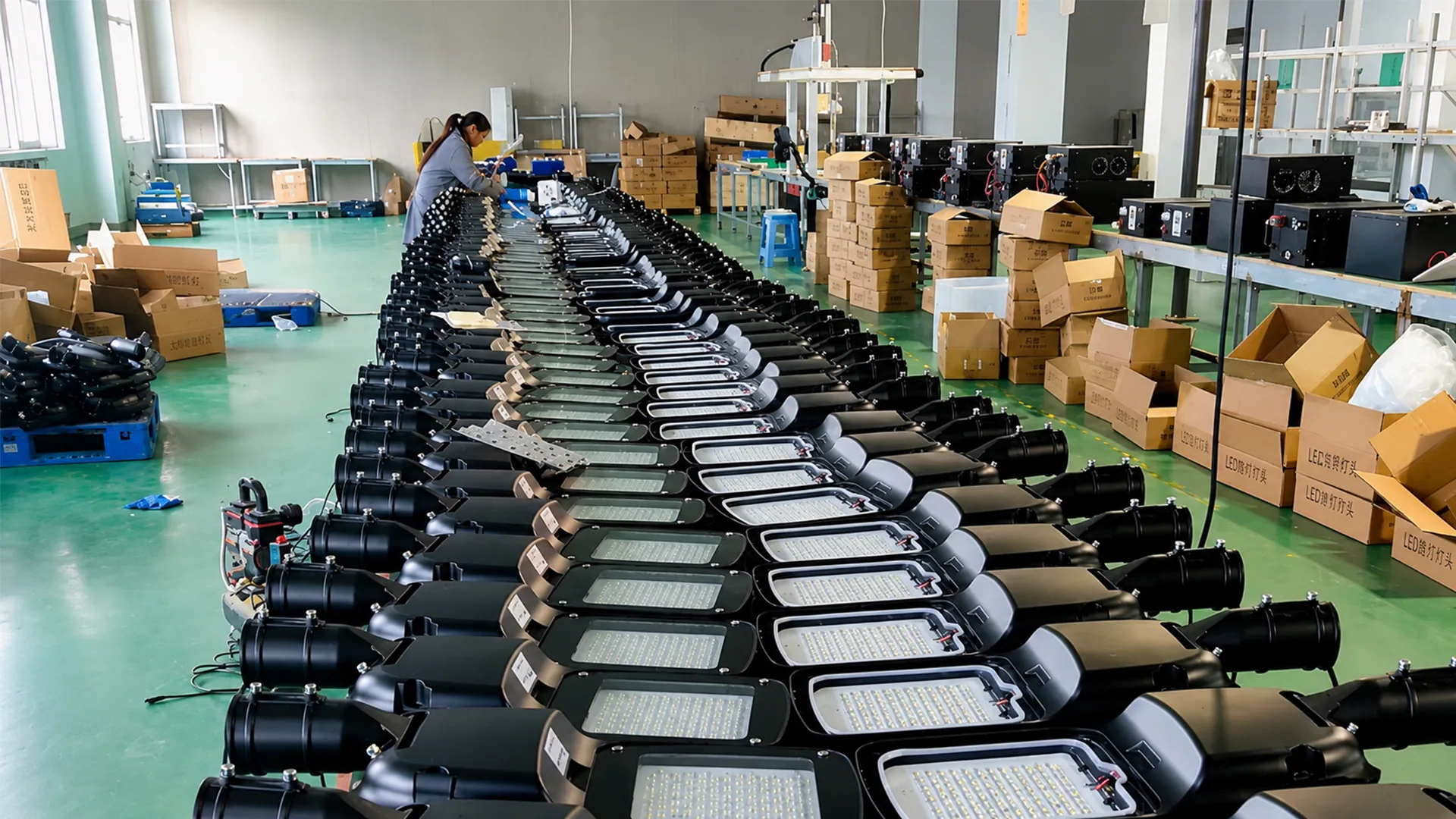
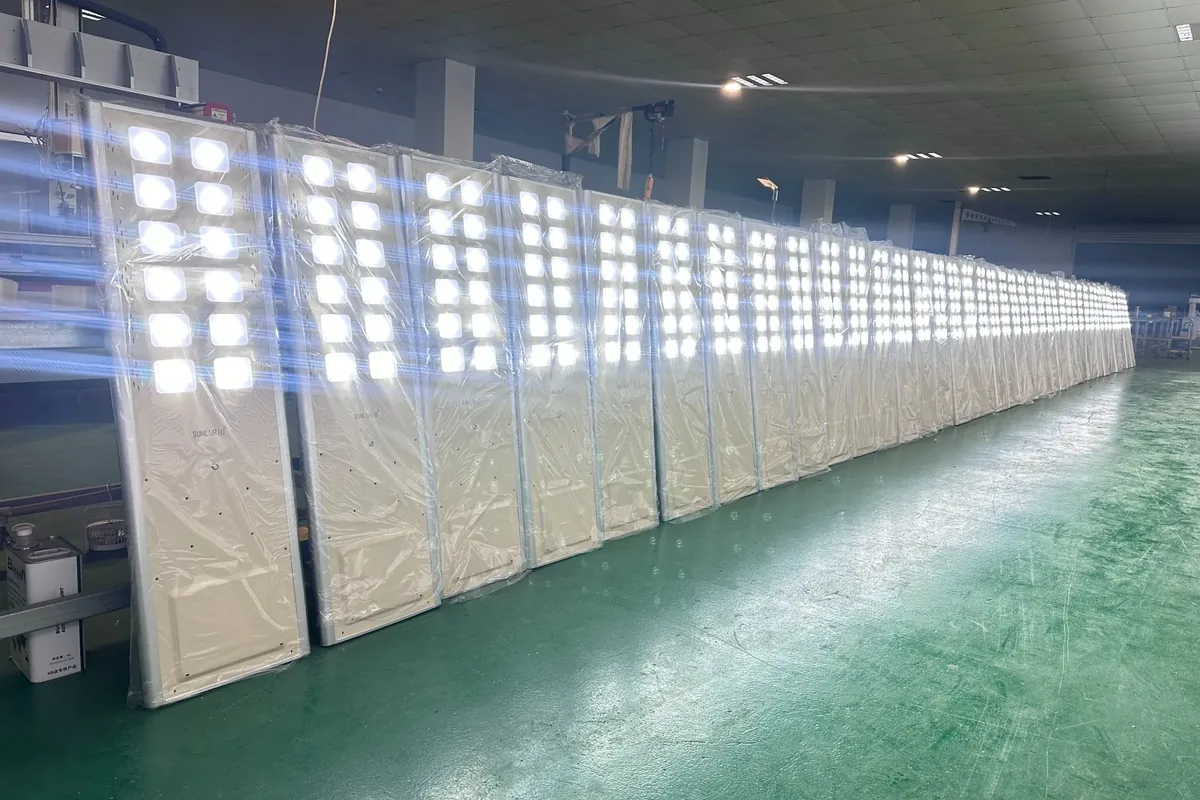
Sunlurio is the manufacturer. Production covers pole fabrication, luminaire assembly, battery PACK assembly, solar-panel production and system integration. Each order is produced and checked against the confirmed configuration and quality requirements.
35,000 m²
Production Base
Yangzhou, China
Approx. 400
Employees
Manufacturing & Project-Supply System
8+
Production Lines
Lighting Products & System Integration
Manufacturing figures cover the 35,000 m² production base in Yangzhou and the related manufacturing and project-supply system, with approximately 400 employees and 8+ production lines. Lines cover poles, lighting products, solar components and system integration.
New Batteries & Clear Material Requirements
We specify new LiFePO4 batteries for the solar street lighting systems we recommend. We do not recommend used batteries or ternary lithium alternatives. Steel lighting poles require hot-dip galvanizing; pre-galvanized sheet and untreated steel are not equivalent substitutes. Agree the battery, controller, solar panel, luminaire and pole requirements in the bill of materials and technical documents before production.
Inspection & Traceability
Check the assembled system against the agreed configuration, then carry out the applicable aging and performance checks. Keep inspection records and batch identification tied to the order so the buyer can review what was checked before shipment. Factory checks and third-party test reports should be identified separately.
Export Packing & Handover Preparation
Check quantities, labels, accessories and packing against the order before dispatch. Agree which packing list, inspection records, installation instructions and maintenance documents will be handed over. The document package follows the product configuration and contract scope.
Sunlurio is the manufacturer, operated by Qingdao Hitech New Energy Co., Ltd. We coordinate product configuration, production, quality checks and technical documentation around your project requirements.
Need to review quality before ordering? Tell us the product and project stage. We can confirm the applicable inspection checklist, model-matched test documents and packing information available for your review.
Selected Component & Technology Partners
Component and technology choices follow the project requirements, including the LED light source, driver, battery, solar module and control system. The brands and models for your order are agreed in the quotation and bill of materials.
Logos refer to component and technology relationships. They do not mean every listed brand is included in every product, or that a client, government body or certification organization endorses the project. Availability depends on the agreed configuration and market.
Support for Your Procurement Role
EPC Contractors
Send your BOQ and technical specification for product mapping, clarification of deviations and preparation of the agreed submittal package.
Government & Municipal Projects
Review comparable installations, maintenance arrangements and component-level warranty terms before finalizing your lighting specification.
UN / NGO & Humanitarian Projects
Discuss system completeness, battery transport documents, export packing, spare parts and installation guidance for remote or humanitarian deployments.
Consultants & Designers
Tell us whether you are preparing a concept, budget or detailed design. Share the layout and lighting criteria so we can identify the model-matched IES/LDT files, calculations and drawings needed for your review.
Traders & Procurement Intermediaries
Share the end-use location, requested quantity and the specification you have. We help clarify what is included, identify missing inputs and prepare the agreed quotation and technical information for your customer’s review.
Agents & Project Distributors
Start with the products and projects your customers need. We can review product options and the technical materials needed for the end client. Agree order, installation and after-sales responsibilities for each project; wider channel arrangements are discussed separately.
From Your First Question to a Clear Offer
Have a BOQ? Send it as it is. Still defining the project? Start with the location, application and approximate quantity.
01 — Tell Us What You Need
Start with your question, the location and how the area is used. Add photos, a layout or a BOQ if you have them. Tell us whether you need initial advice, a budget, tender support or a purchase quotation.
02 — Review the Options and Gaps
We review the lighting target, site conditions, power supply and operating hours. We explain suitable options, flag conflicting specifications and identify the few missing details needed for the next decision. Any proposed tender alternative needs approval before substitution.
03 — Agree What the Offer Includes
Agree the configuration, supply scope, documents, warranty and delivery basis before final quotation. If the budget needs adjustment, we explain the options and their effects. We do not quietly substitute used batteries or reduce the agreed pole corrosion protection.
Useful inputs
Useful when available: country and climate; road width or area layout; quantity; pole height and spacing; lighting target; operating hours and dimming; rainy-day requirements for solar systems; maintenance access; project stage, budget and deadline. A BOQ or specification helps us check the requested supply and document scope.
Not every item is required for an initial enquiry. We will identify the missing inputs during the review.
Procurement FAQs
Yes. Start with your question, project location and how the area will be used. Add an approximate quantity, photos or a layout if available. You do not need a finished BOQ or a complete technical specification for the first conversation.
Start with the site, power availability, road or area layout and the lighting needed on the ground. Compare luminaire output in lumens and light distribution, not wattage alone. For solar lighting, also review night-time operating hours, dimming, local sunlight and rainy-day requirements.
We can review requirements for datasheets, IES/LDT files, DIALux/Relux calculations, drawings and test documents. Availability is confirmed against the selected model, optic, configuration and project stage. Tell us what your consultant or tender needs; project-specific files are shared for the agreed scope, and project samples are redacted where needed.
No. Typical coverage is 3–5 years for complete luminaires, from 3 years for batteries, from 2 years for controllers and 5 years for lighting poles. Solar modules have separate 10-year product and 25-year performance warranties. Each period depends on the selected component, configuration, operating conditions and written terms; the module performance warranty is not a whole-system warranty.
Installation is normally arranged by the client, EPC contractor or local installer. Remote installation guidance is available; on-site support requires a separate project agreement. Final structural and foundation designs need the project engineer’s approval using the site, wind and ground conditions.
An initial budget can be discussed with clear assumptions. A firm quotation and shipment schedule require the quantity, confirmed configuration, supply scope, required documents and delivery terms. Tell us whether you are budgeting, preparing a tender or ready to order, so the offer fits your stage.
Let’s Review Your Lighting Project
Have a BOQ or specification? Send it as it is. Still deciding what you need? Tell us where the lights will be used and what you want to improve. Site photos or dimensions are helpful if available. We will help clarify the next steps.