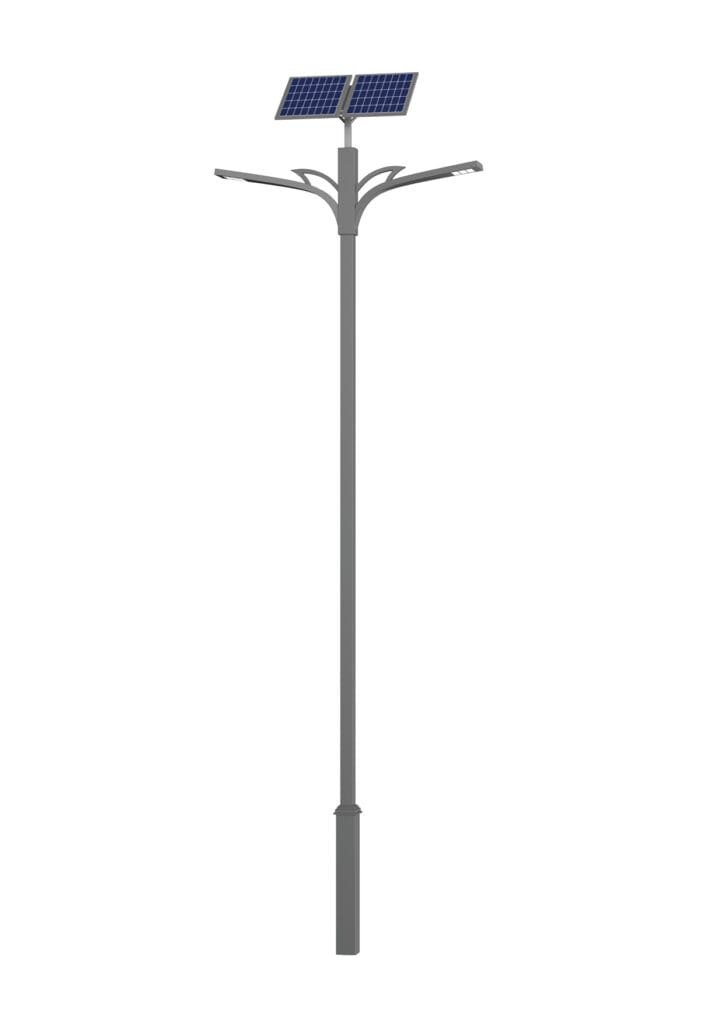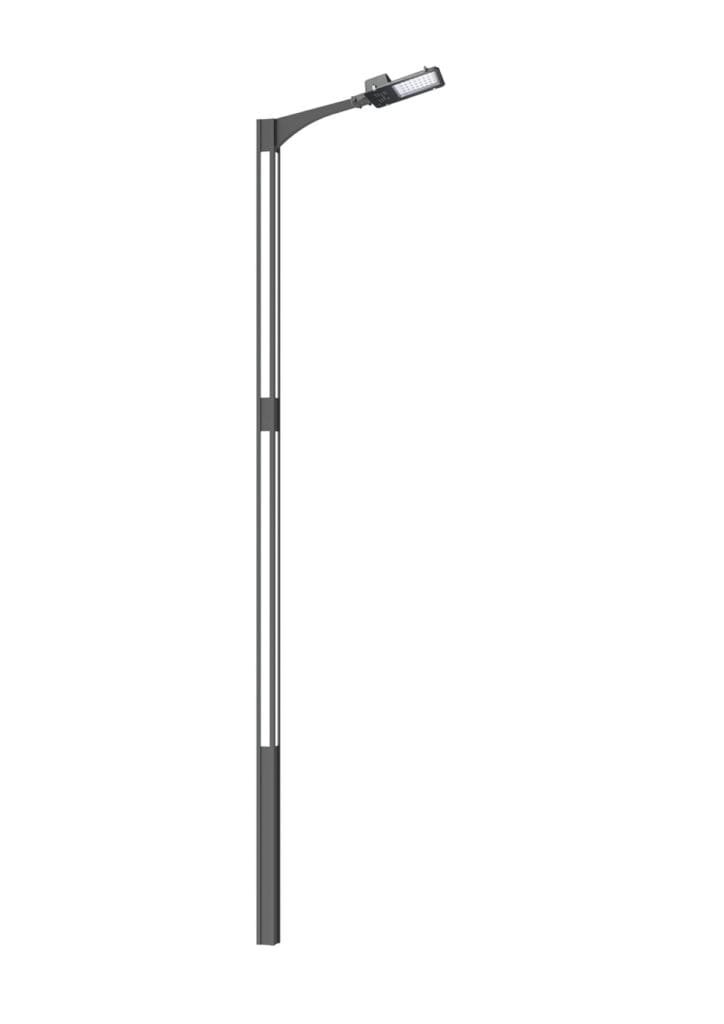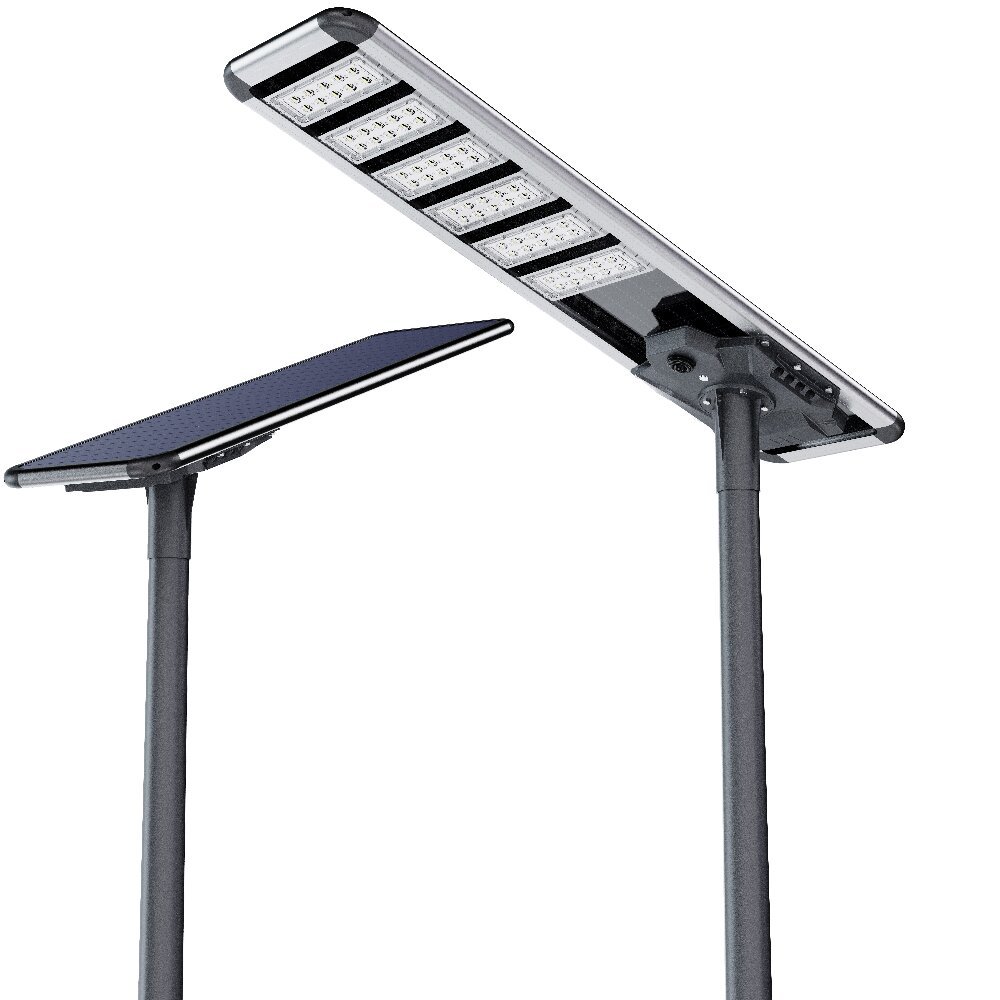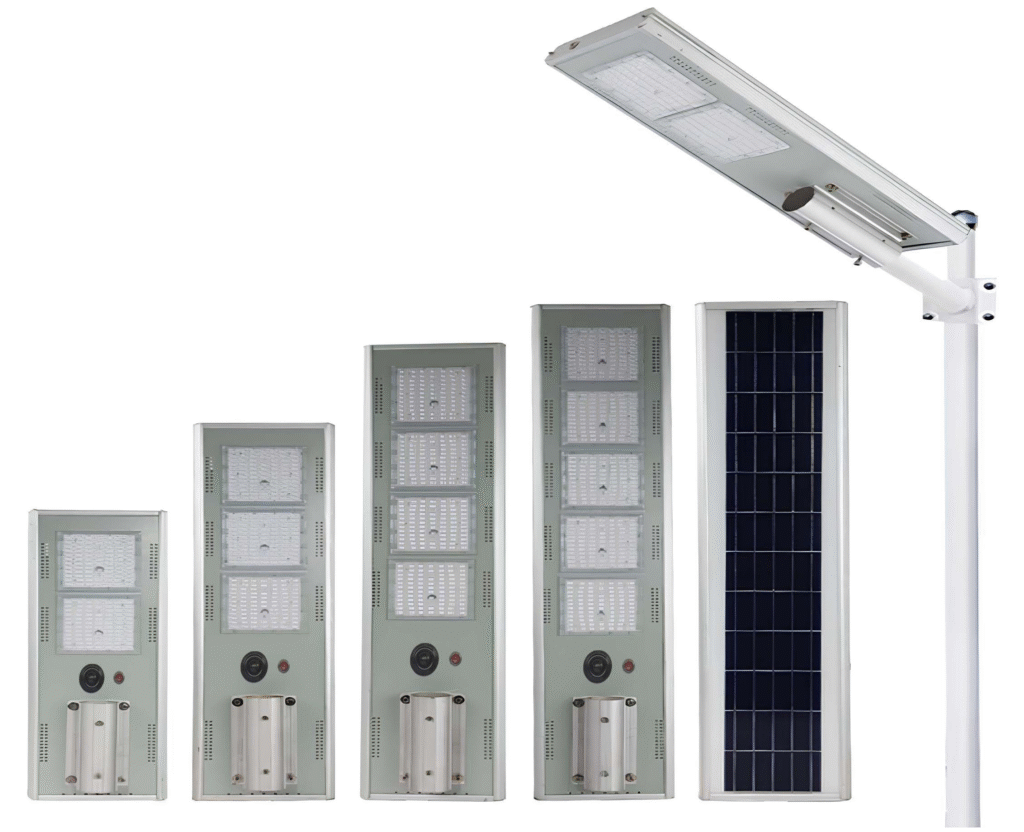
A municipal street-lighting project combines several decisions: who uses the area and when; where vehicles, pedestrians and other users interact; which homes, windows, shops or property boundaries are sensitive to glare or spill light; whether solar, grid AC or monitored control is appropriate; how the system will be accessed, maintained and documented; and how the approved design will be checked at delivery and handover.
These decisions should be connected before the product, optic, pole layout, control method and final BOQ are frozen.
Public-space context → project inputs → system path → engineering review → documents → installation coordination → acceptance and O&M
Review home and window proximity, sidewalks, parking, local access, operating hours, dimming and service access.
Review vehicle and pedestrian activity, shops, parking lanes, junctions, crossings and transitions between different street sections.
Review grid availability, solar conditions, remote maintenance, logistics, spare parts and local installation capability.
Treat these as project-specific review zones. The design should consider visibility requirements, geometry, user movement, glare and the governing project criteria without claiming that lighting alone prevents accidents.
Confirm retained poles, arms, cabling, cabinets, voltage, mounting interfaces and the condition of existing assets before proposing a retrofit.
Country, city or coordinates; residential, collector, village or mixed-use street; pedestrian and vehicle patterns; crossings, schools, junctions, shops and other priority areas.
Road width, sidewalks, cycleways, parking lanes, median, setbacks, homes/windows, property lines and any areas where spill light or maintenance access must be controlled.
Existing or proposed pole positions, height, spacing, arm/overhang and retained assets; grid availability, voltage/frequency, cabling, cabinets and civil-work limits.
Required operating hours, dimming profile, low-traffic periods, monitoring, alarm, communication, platform or API needs, plus the party responsible for operation and response.
Solar resource, shading, runtime, dimming, required autonomy or low-solar period, component-position constraints and maintenance access.
Applicable standard, tender or consultant requirements; maintained lighting basis, uniformity, glare and CCT where specified; CAD or plans, cross-sections, site photos, pole schedule, BOQ, specification, required documents and acceptance path.
Incomplete information can still be submitted for a preliminary review. We will identify assumptions, missing inputs and the next engineering actions before a formal configuration is issued.
Vehicle routes, pedestrian areas, crossings, junctions, parking movements and access points can have different visual tasks. The project review should identify where these interactions occur and which requirements govern each area.
Sunlurio does not claim that a lighting product alone guarantees public safety, prevents accidents or eliminates security risks. The lighting result remains project-specific.
Average brightness alone does not describe a municipal street. The review should consider maintained results, uniformity, glare, spill light and the relationship between the street and nearby properties.
Uniformity depends on the complete layout, selected optic, mounting geometry and interaction between luminaires. No universal target is applied without the governing project requirement.
More output or greater tilt is not automatically better. The exact luminaire, optic, height, orientation and observer context should be reviewed, especially near drivers, pedestrians, crossings and homes.
House-side, shop-side and property-boundary constraints should be stated before final configuration. Installation orientation and as-built checks remain important.
CCT should follow project requirements, local guidance, visual tasks, selected model and community context. Sunlurio product capability includes standard 4000–5000K configurations, with 6500K available as an option where required; the final choice is not universal and must be confirmed by project/model.
Consider solar where grid access is unavailable, unreliable or outside the project scope. Confirm solar resource, shading, runtime, dimming, autonomy, PV/battery/controller architecture, pole loading, component access and low-solar conditions. This is not an unconditional no-blackout guarantee.
Consider AC for reliable grid infrastructure, new wired projects or existing-street upgrades. Confirm voltage/frequency, cabling, cabinets, driver and surge protection, earthing, retained poles/arms, optic and control interfaces.
Consider smart control when the project defines a real need for dimming, monitoring, fault alerts, reporting or centralized O&M. Confirm controller, communication, network, platform, API/interface, commissioning and response ownership. No communication protocol or platform feature is universal.
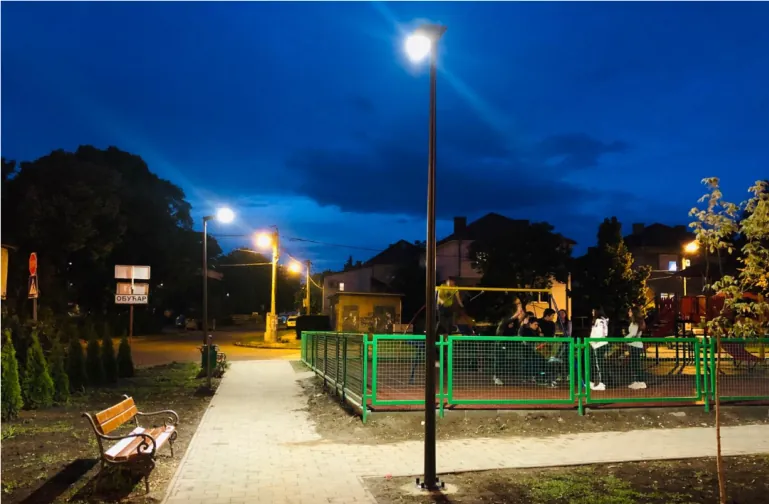
A municipal lighting package should define how the system will be operated and maintained after handover.
The objective is maintainability—not a maintenance-free claim. Final spare quantities, service intervals and responsibilities follow the confirmed product and project scope.
Municipal context defines the users, sensitive boundaries and operating needs. Detailed road geometry, pole arrangement, spacing, optic and photometric performance should then be reviewed with matched files.
A generic or sample IES/DIALux file does not prove results for a different model, optic, BOM, street or installed layout. Project-specific DIALux/Relux remains a controlled engineering document.
Current approved project input sheets, buyer guides and generic public references may support early qualification. Samples do not define a final model or project result.
Submit the BOQ, specification and project context for preliminary review. Model-matched datasheets and appropriate samples follow the confirmed selection stage.
Actual IES/LDT, project DIALux/Relux, drawings, wiring or smart architecture, compliance matrices, technical deviations and full certificate/test or tender packs remain controlled until the relevant model, BOM, geometry and buyer stage are confirmed.
The BOQ, configuration, drawing, optic, photometric file and compliance evidence should reference the same approved scope and revision.
Submit Tender / BOQ Requirements
Government, consultant or end-client approval follows the governing review process and verified project conditions; it is not guaranteed by website wording.

In 2024, Sunlurio supplied 500 AC LED street-light sets for municipal/town road lighting. The approved historical configuration records 50W LED with 6m poles and complete-system technical document support. Installation was carried out by the client/EPC/local team.

Typical constraints by region—coastal, hot, dusty, and heavy-rain environments.
No. Lighting can support visibility and public-space operation, but safety outcomes also depend on road design, traffic, behavior, enforcement, obstacles, installation and other conditions. Lighting targets and review criteria are project-specific.
Start with location, street type, road and sidewalk dimensions, pedestrian/vehicle context, crossings or sensitive areas, proposed pole height/spacing, existing infrastructure, solar or grid preference, operating hours, dimming, BOQ/tender requirements and available CAD or photos. Incomplete inputs can be submitted for a preliminary gap review.
No. Applicable targets depend on the governing standard, tender, consultant requirement and project context. The final review uses the confirmed target, geometry and matched luminaire/optic file.
There is no single global answer. CCT should follow local guidance, project requirements, visual tasks, selected model and community context. Standard 4000–5000K configurations and a 6500K option are available within the approved product capability, subject to model/project confirmation.
Compare grid availability and reliability, civil/electrical scope, solar resource, runtime, autonomy, maintenance access, retained infrastructure and lifecycle responsibilities. The answer should come from project conditions, not wattage or product availability alone.
Use smart control when the project defines a need for dimming, monitoring, alarms, reporting or centralized operation and has a confirmed communication, platform, commissioning and O&M plan. Smart is not a default feature for every project.
Generic guides or samples may be public when approved. Actual IES/LDT, project DIALux/Relux, matched datasheets, drawings, compliance matrices and full tender/certificate packs are controlled by the confirmed model/BOM, project inputs, buyer stage and release review.
Share the location, public-space type, geometry, users, sensitive boundaries, infrastructure, operating profile, BOQ/tender needs and available files. Sunlurio will review the information, state assumptions and identify the next engineering and document steps.
Submit Project InputsView Related Projects
Preliminary review does not freeze an exact model, guarantee approval or replace project-specific engineering and acceptance requirements.
WhatsApp us
Share your project location, road width, pole height, spacing, working hours, backup days, and required documents. Our team can help prepare configuration guidance, datasheets, IES/LDT files, DIALux support when applicable, drawings, and BOQ matching notes.