Outdoor Lighting Products for Project Selection
Choose a lighting product family by power availability, road or area layout, control needs and maintenance access. Explore the relevant system path before reviewing the configuration and documents for your project.
Start with your project
Share what you know; detailed inputs can follow during configuration review.
Choose Your Product Family
Start with the task your lighting system must perform. Smart controls can be added to solar or grid-powered lighting; the paths below guide different configuration decisions.
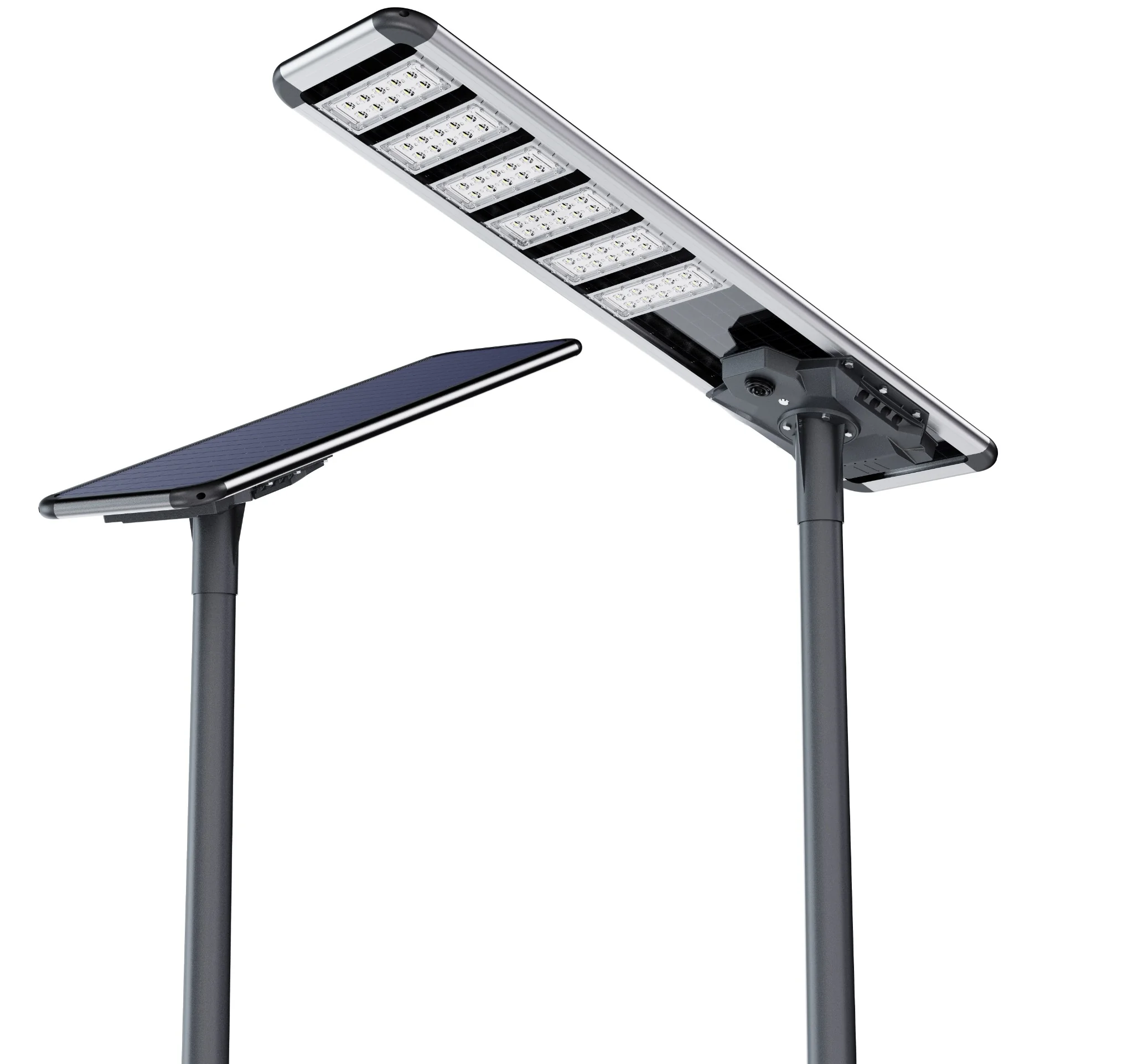
Solar Street Light Systems
For locations where grid power is unavailable or impractical. Review solar resource, operating hours, autonomy and component access before choosing the system architecture.
Explore Solar Street Light Systems →
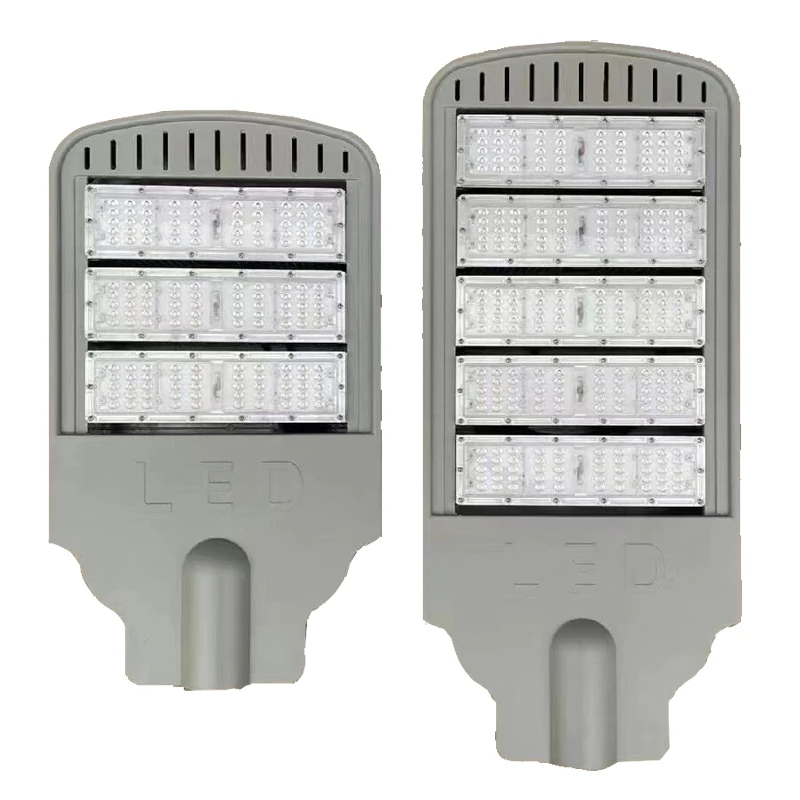
LED Street Lights
For grid-powered roads and retrofit projects. Review road geometry, mounting conditions, optics, supply voltage and maintenance requirements.
Explore LED Street Lights →

Smart Lighting Systems
For AC road lighting and retrofit projects requiring dimming, monitoring or fault reporting. Check controller compatibility, communication coverage and platform operation. For solar-powered smart lighting, start with Solar Street Light Systems.
Explore Smart AC Street Lighting →

High Mast Lighting
For large areas requiring elevated lighting and coordinated coverage. Review area layout, glare, structural conditions and safe maintenance access.
Explore High Mast Lighting →
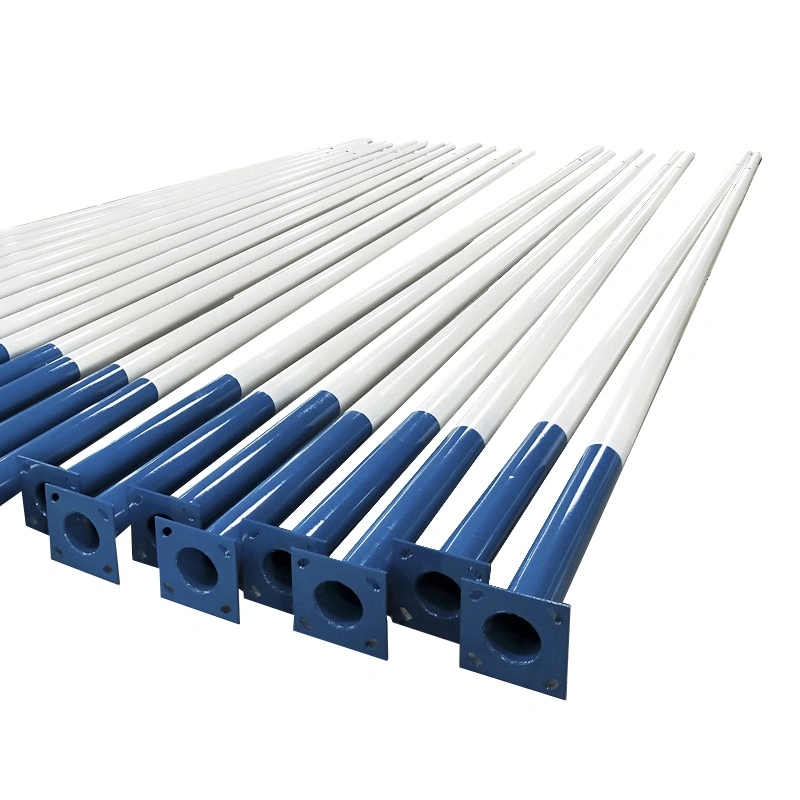
Lighting Poles & Arms
For projects needing compatible mounting and structural support. Review pole and arm geometry, luminaire loads, exposure and foundation coordination.
Explore Lighting Poles & Arms →
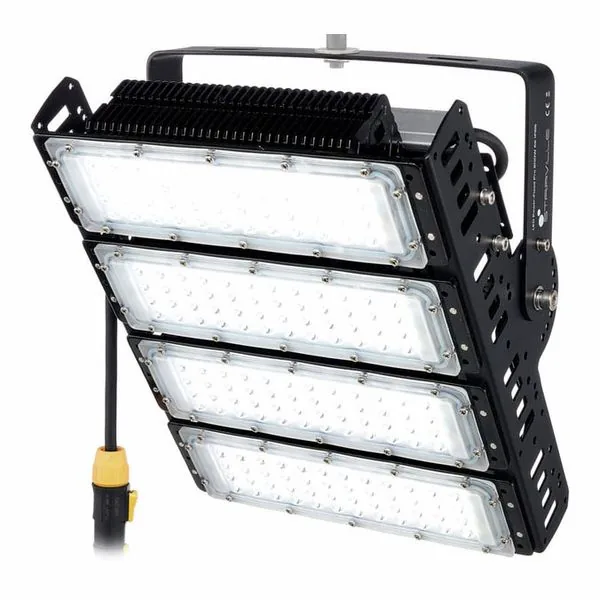
LED Floodlights
For directed area lighting on yards, parking areas or other outdoor spaces. Review beam distribution, mounting position, glare and power availability.
Explore LED Floodlights →
Which Solar Architecture Should You Investigate?
Architecture affects installation, component positioning and service access. Review the selected model’s battery arrangement and mounting details rather than choosing by wattage alone.
Any architecture still needs a matched lighting and energy configuration for the site.
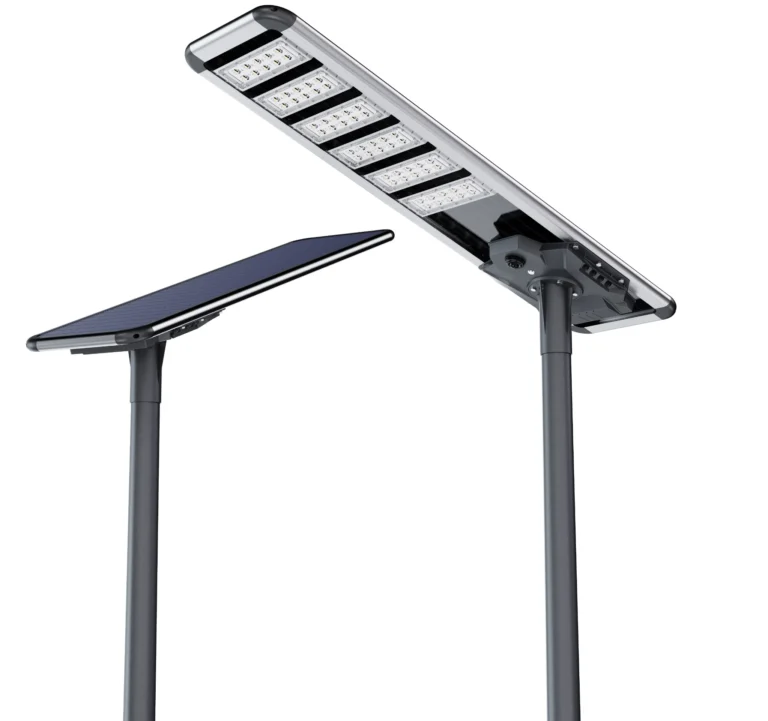
All-in-One
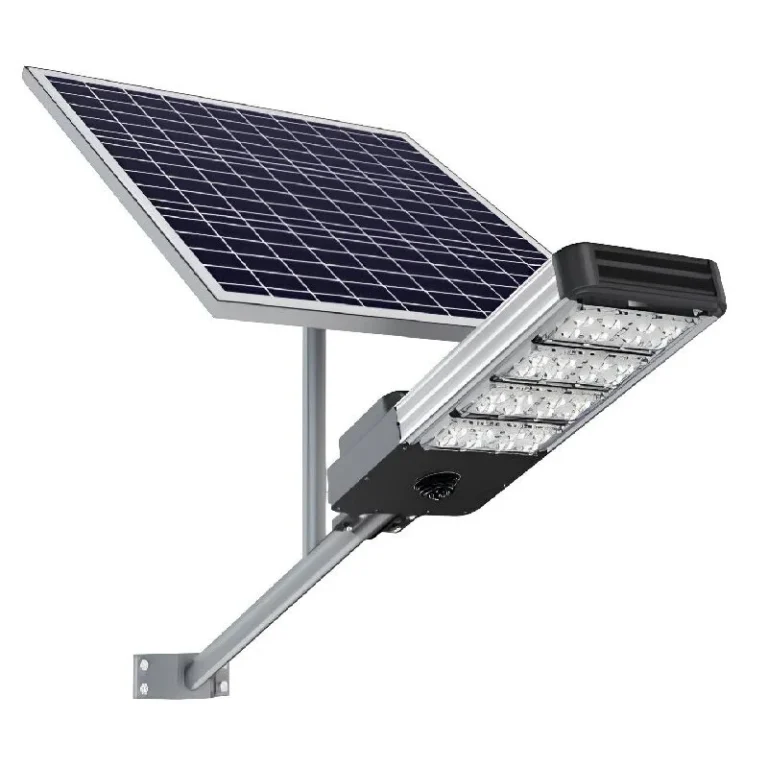
All-in-Two
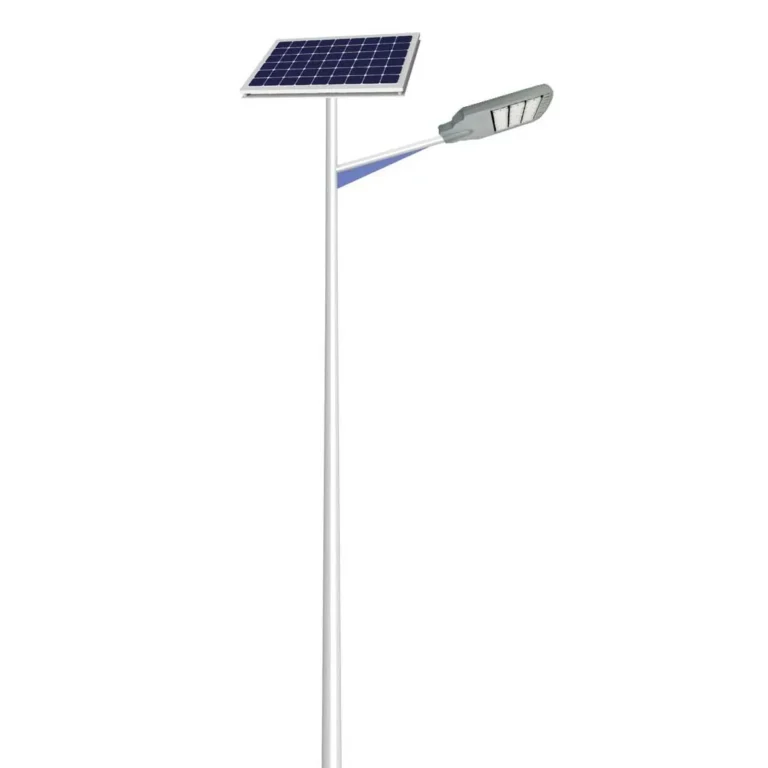
Split
Quick Product Selection Matrix
Use this comparison to narrow the product path. Final configurations and document availability depend on the selected model and project requirements.
| Product Family | Power / System Type | Typical Project Context | Key Inputs | Maintenance / Structural Considerations | Engineering / Document Support |
|---|---|---|---|---|---|
| Solar Street Light Systems | Off-grid solar system | Roads; public areas with limited grid access | Solar resource; runtime; layout; autonomy target | Component access; panel loading; battery arrangement | Matched photometry; configuration sheet; mounting drawings |
| LED Street Lights | Grid-powered luminaire | Roads; retrofit and replacement | Voltage; road geometry; mounting; optics | Driver access; surge/dimming interfaces; existing poles | Datasheet; IES/LDT; layout calculation |
| Smart Lighting Systems | Controls layer over a defined power system | Coordinated dimming and monitoring | Network; control scope; operation responsibility | Node/controller compatibility; service ownership | System/control notes; selected-device documentation |
| High Mast Lighting | Mast and area luminaires | Large open areas; parking and logistics | Layout; lighting targets; glare; site conditions | Structure/foundation review; safe access or lowering | Photometry; mast drawings; project-specific structural review |
| Lighting Poles & Arms | Structural mounting system | New mounting; pole/arm replacement | Geometry; equipment loads; exposure | Connection interfaces; corrosion; foundation coordination | Pole/arm drawings; anchor and foundation coordination |
| LED Floodlights | Directed area luminaire; confirm power | Yards; parking; selected outdoor areas | Beam; aiming; mounting; glare | Bracket access; cable route; equipment loading | Datasheet; photometry; mounting details |
What Determines Product Selection?
Once you have shortlisted a product family, confirm the project conditions that affect lighting performance, installation and maintenance. Rated wattage alone cannot establish road coverage, solar autonomy or structural suitability. Use the five factors below to guide model and document review.
- Lighting task and layout
- Road width or area geometry, mounting height, spacing and lighting targets guide luminaire and optical choices. Relevant to road and area lighting.
- Power and operating profile
- Confirm the supply and operating hours. For solar systems, also review solar conditions, dimming and the autonomy target.
- Controls and maintenance
- Define monitoring or dimming needs, service access and who will maintain the equipment. Smart projects also need network and operation responsibilities.
- Structure and installation
- Review pole, arm, mounting and foundation interfaces. Wind and other structural inputs require project-specific engineering where relevant.
- Procurement and documents
- Identify the documents required for the current review stage. Photometry, drawings, test reports and compliance evidence must match the selected configuration.
You do not need every detail to start an enquiry. Share the project location, application, power availability and any drawings or known dimensions; missing inputs can be clarified during review.
Engineering & Tender Documents
Follow the relevant document path for product selection, layout calculation or tender review. Files are confirmed against the product configuration and the project’s document stage.
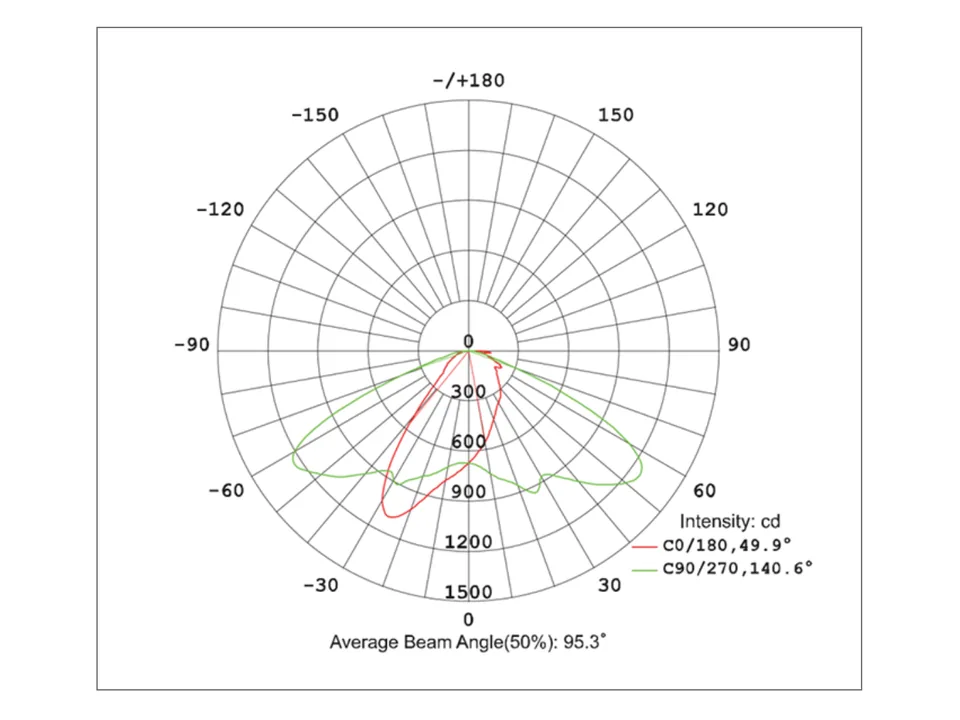
IES / LDT Files

DIALux / Relux Report
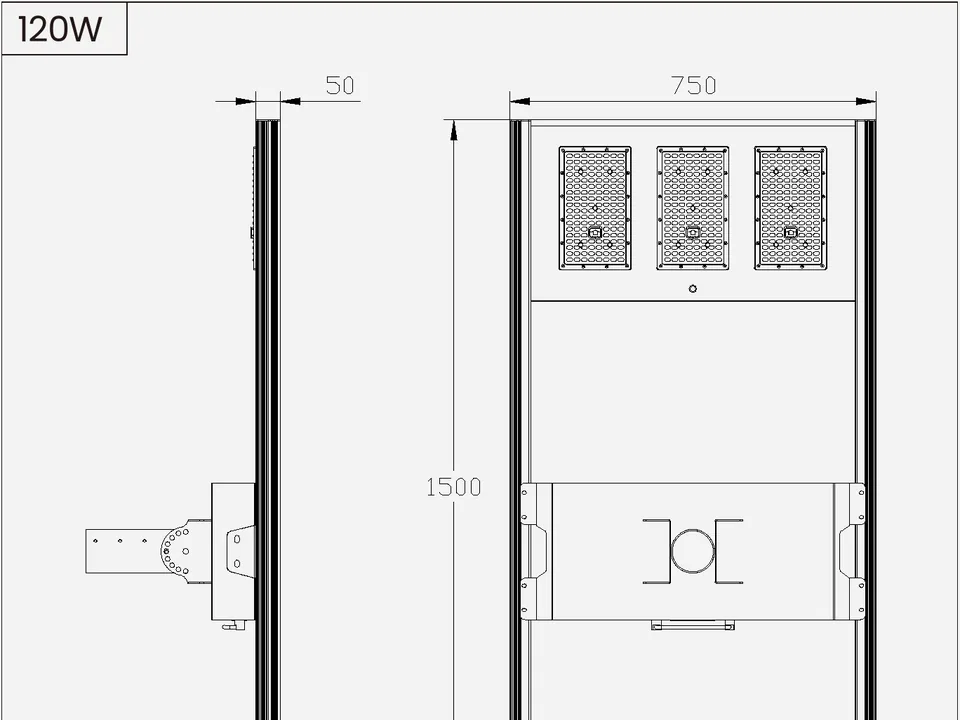
Datasheets & Drawings
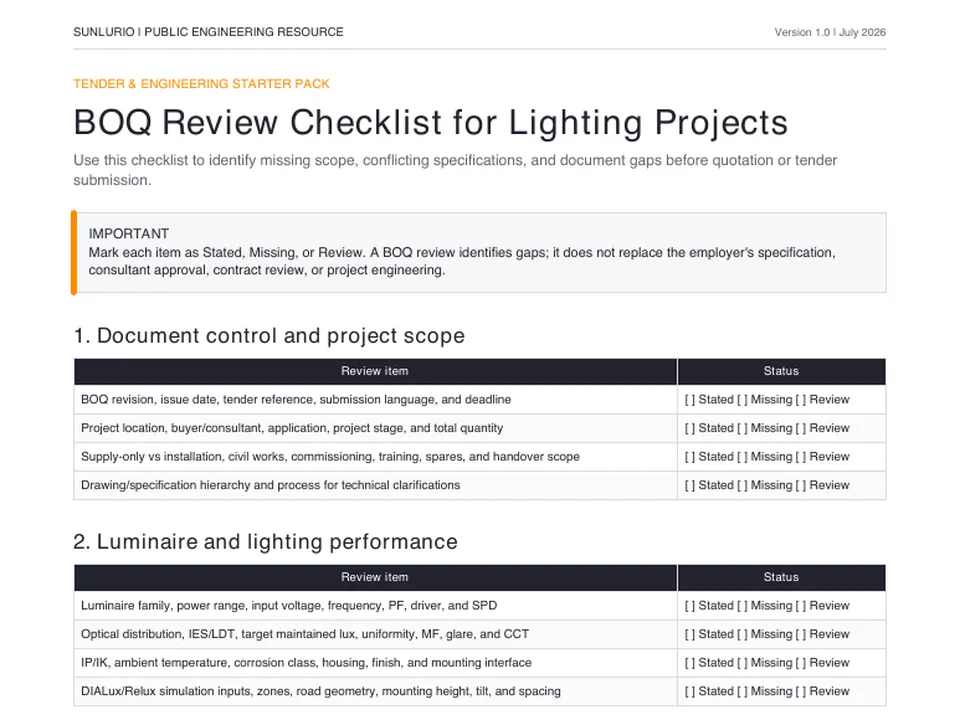
BOQ & Tender Review
Configuration-specific test reports, compliance records and project document packs are supplied through request and review where applicable. No public download is implied.
Selected Project References
These references illustrate different product paths. Each project has its own configuration and delivery scope.
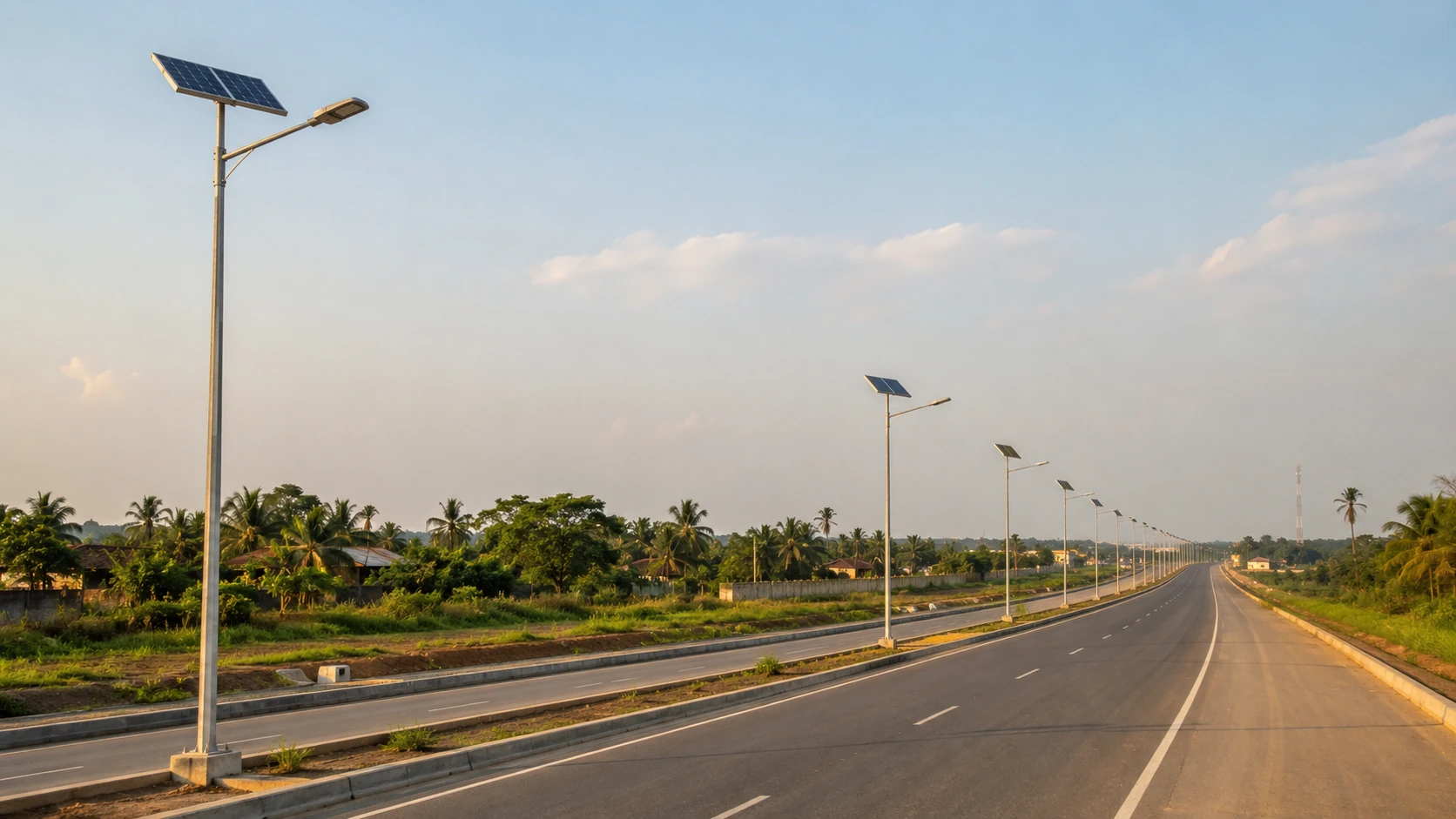
Togo — Solar Road Lighting

Ethiopia — Smart Lighting
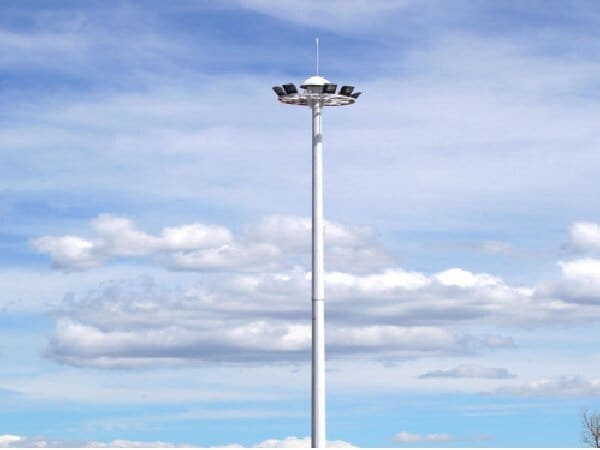
Cambodia — High Mast Lighting
Manufacturing & Quality for Project Supply
35,000 m²
Yangzhou, China
Approx. 400
Manufacturing & Project-Supply System
8+
Lighting Products & System Integration
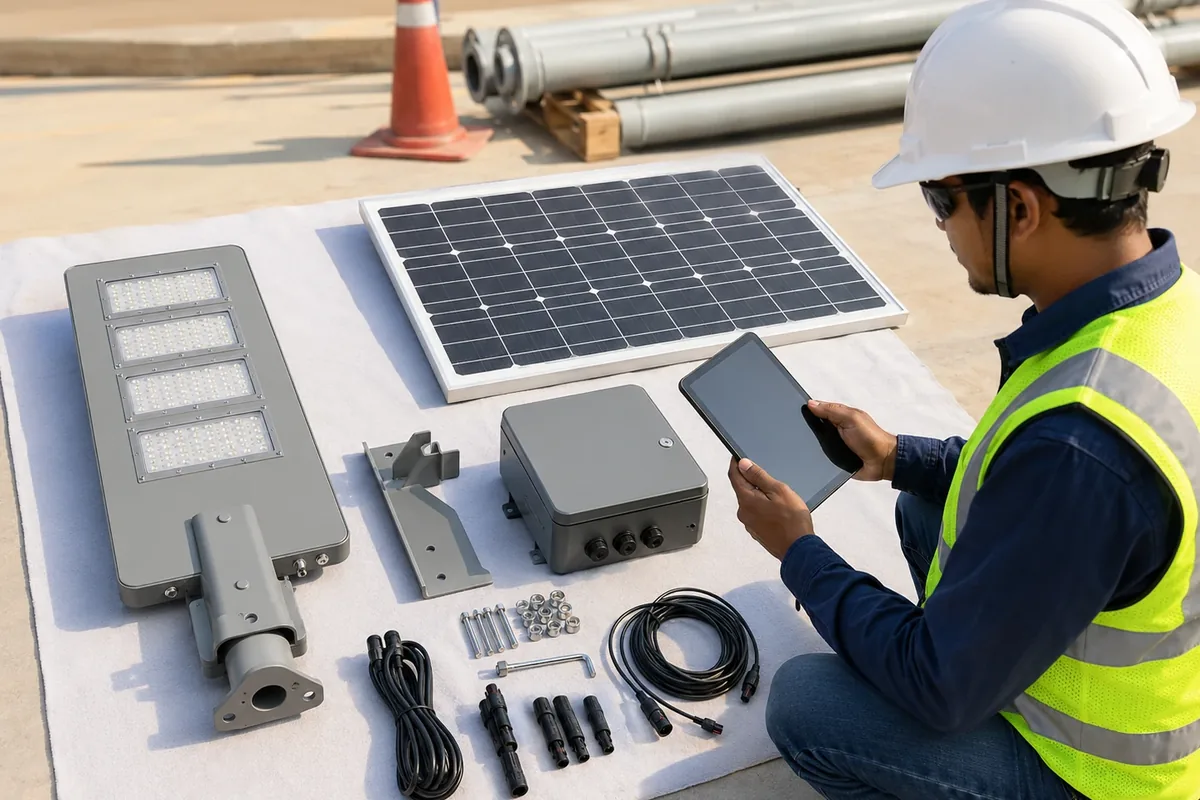
Configuration Control
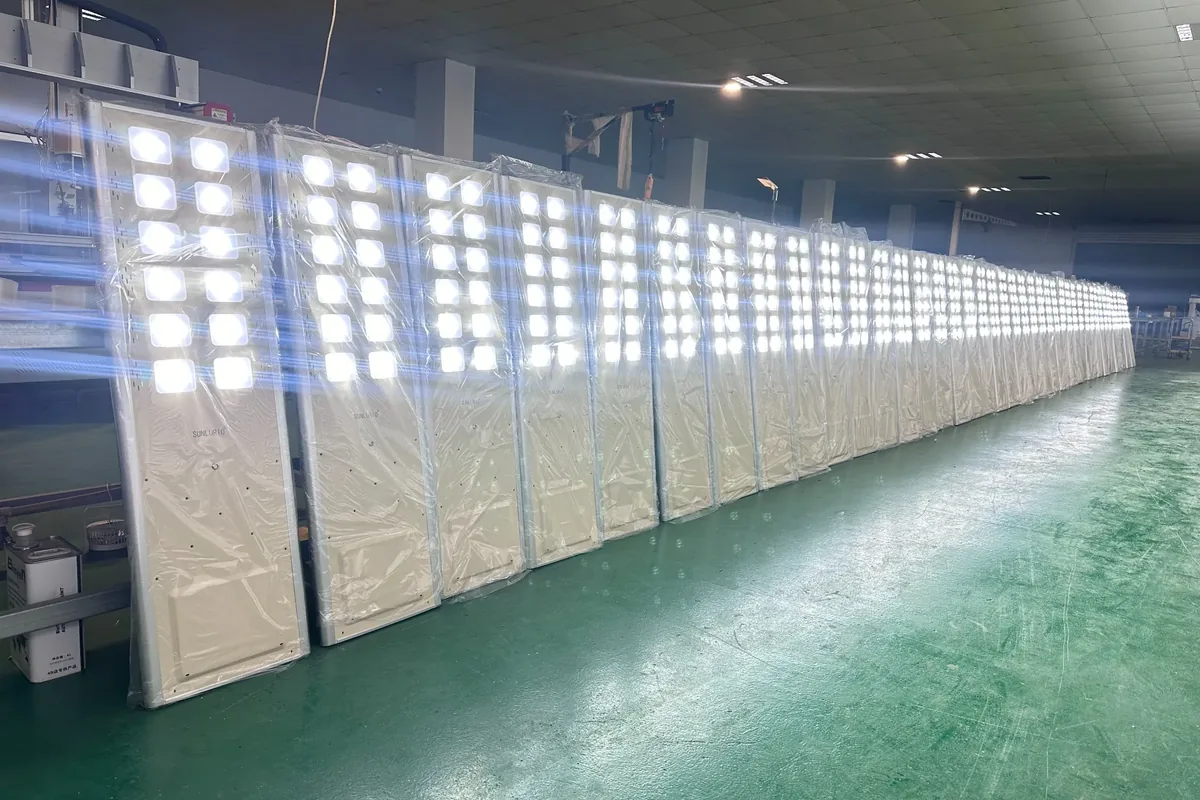
Inspection & Traceability