
LED Flood Lights for Your Outdoor Project
Light yards, parking areas and working spaces with a layout suited to the site. We help compare beam direction, mounting, power supply and maintenance needs.
Start with a photo or sketch and tell us where people need light.
Start With the Area You Need to Light
Start with a site photo or sketch. Tell us what needs lighting, where the fixtures can go and how long they need to run each night. If you are unsure about solar or mains, let us know whether reliable mains power is available at the site. Replacing an old flood light? Share a photo, fixture dimensions and bracket hole spacing so we can check the mounting fit before comparing beams.
Wattage alone does not tell you where the light will fall. We help compare actual light output and the proposed optic with the mounting height, site dimensions, minimum and average lighting targets, and glare needs. A matched photometric file and a site layout make that comparison more useful than a headline power rating.
When you compare prices, check whether each offer includes the same fixtures, brackets, controls, cables and spares. If your installer supplies some items locally, tell us which ones. We help separate the equipment supply from the site work so the quotation is easier for your team to use.
What Helps Us Plan Your Flood Lighting
Send the information you have. We help work out which measurements and owner requirements are needed next.
Lighting Area / Drawing
Share site drawing, area size, CAD, photos, or simple sketches for review.
Mounting Height
Pole, wall, roof, mast, or structure height affects beam angle and light distribution.
Target Lux
Average lux and minimum lux requirements should be checked before model selection.
Uniformity Requirement
Uniformity affects luminaire quantity, beam angle, aiming direction, and acceptance.
Beam Angle
Narrow, medium, wide, or asymmetric distribution should be matched to the project area.
Power Supply
AC, solar, or hybrid configuration changes wiring, backup, battery, and working-hour planning.
Protection Level
IP, IK, SPD, corrosion, temperature, and installation environment should be reviewed.
Required Documents
Datasheet, IES/LDT, DIALux/Relux, wiring notes, bracket drawing, BOQ, and packing list.
LED Flood Light Series and Project Fit

Wall & Low-Mount Lighting
Plan for: small yards, façades and nearby outdoor areas.
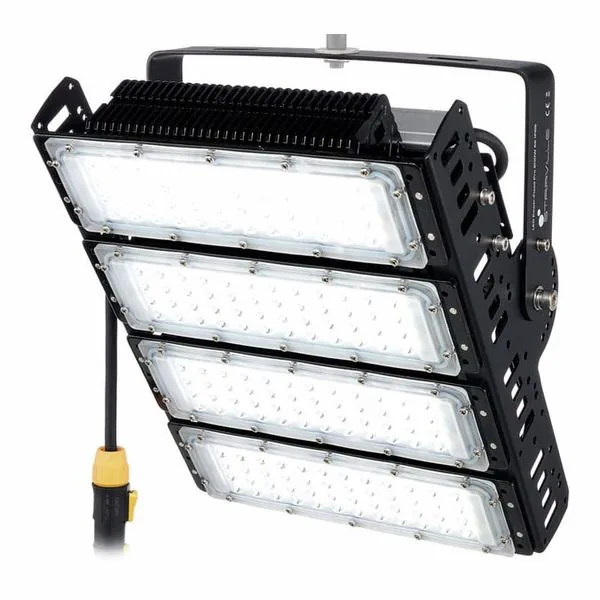
Check: mounting position, supply and beam reach. The image illustrates installation; ask us to match a fixture to your site.
High-Power LED Flood Light
Best for: parking lots, logistics yards, industrial sites, sports courts, and public areas.
Review: height, target lux, heat dissipation, beam angle, SPD, and IES files.
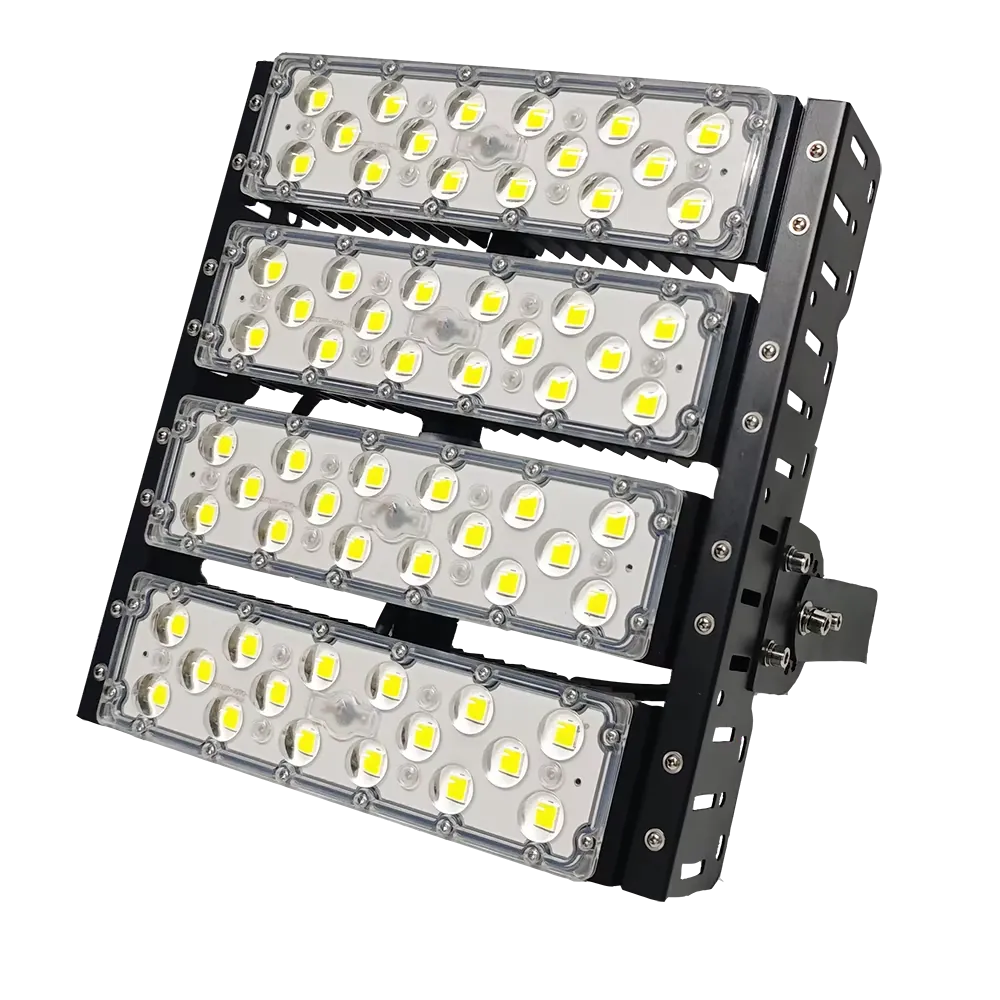
Stadium / Area LED Flood Light
Best for: sports fields, high mounting, wide-area coverage, and acceptance-driven lighting.
Review: glare, uniformity, aiming, DIALux, and bracket details.

Solar LED Flood Light
Best for: remote yards, farms, temporary sites, perimeter lighting, and off-grid public areas.
Review: working hours, backup days, panel position, battery capacity, and site location.
Application Areas and Lighting Design Inputs
Port and Logistics Yard
High mounting, large area, glare control, target lux, and wide-area uniformity review.
Parking Lot
Pole height, spacing, beam angle, pedestrian safety, vehicle circulation, and lux distribution.
Sports Court / Stadium
Aiming direction, glare control, uniformity, vertical illumination, and simulation support.
Industrial Area
Dust, heat, vibration, SPD, IP/IK protection, mounting bracket, and maintenance access.
Facade / Billboard
Narrow or asymmetric beam, aiming angle, spill light, and mounting position.
Solar Off-Grid Area
Working hours, backup days, PV panel position, battery capacity, and local irradiation.
Beam Angle, Mounting Height and Target Lux Guide
3-6 m
Small yards, facade, wall lighting, temporary area lighting, and short-distance coverage.
6-10 m
Parking lots, general yards, industrial perimeter lighting, and medium-area applications.
10-16 m
Sports courts, logistics areas, ports, and applications requiring stronger uniformity review.
16 m+
High mast, stadium, port, or large-area applications that require simulation and aiming review.
| Beam / Mounting Input | Typical Review Point | Why It Matters |
|---|---|---|
| Narrow beam | Longer distance, focused aiming, higher mounting | Reduces spill light and improves reach where the target area is far from the fixture. |
| Medium beam | General area lighting and balanced coverage | Often used for yards, parking areas, and industrial areas with moderate mounting height. |
| Wide beam | Short-distance broad coverage | Useful for low mounting height, wall mounting, and broad nearby areas. |
| Asymmetric beam | Road edge, facade, directional area lighting | Helps control direction and spill light when available for the selected series. |
Solar LED Flood Light vs. AC LED Flood Light
The right power option depends on project location, grid availability, working hours, backup days, wiring condition, and maintenance plan.
For grid-powered yards, sports areas or industrial sites, see AC LED Flood Lights for optic selection, bracket fit and circuit requirements.
Solar LED Flood Light
- Remote sites and off-grid areas
- Working hours and backup days must be confirmed
- Panel position, battery capacity, and local irradiation affect configuration
AC LED Flood Light
- Ports, stadiums, factories, parking lots, and stable-power projects
- Voltage, cable, cabinet, SPD, and wiring details should be reviewed
- IES/DIALux review is recommended for acceptance-driven projects
From Your Site Photo to a Coordinated Proposal
We help you work through the layout, equipment and documents in a clear order, so your purchasing and installation teams can use the same proposal.
Start With Your Site
Send a plan, rough dimensions or photographs showing the area people use after dark. Mark the mounting points you can use and anything that obstructs the light. For a yard, include vehicle routes and stacked materials; for a sports area, explain the activity and viewing directions. Tell us whether the owner has set a minimum or average lighting target. We help turn that information into a practical list of layout inputs, rather than expecting you to know every technical term before contacting us.
Choose the Light Distribution
The same light output can produce different results when the optic or aiming changes. A narrow route, an open working area and a boundary need different distributions. We help compare the beam with the distance from the mounting point, the width of the target and nearby windows or traffic. For high mounting, we also discuss maintenance access. If you are replacing a fixture, send its bracket dimensions and a photograph so the mounting connection can be considered alongside the light distribution.
Check Coverage and Dark Areas
A bright average can hide dark working routes. We use the proposed fixture and optic information with the site layout to discuss coverage, overlap, minimum levels and glare. Show any containers, roofs or trees that may block the beam, and tell us where a pole cannot be installed. For a sports venue, identify player and spectator viewing directions. This gives the lighting study a clear task and lets your team compare the proposed arrangement with the areas the owner will assess.
Coordinate Power and Mounting
Tell us whether a suitable mains supply is available and how the lights need to operate. An AC fixture and a solar kit have different electrical and installation requirements. For solar, include the operating schedule, panel position, shading and backup expectations. For AC, provide the site supply and switching or dimming requirements. We help coordinate the bracket, connection and equipment information with your installer so a good lighting proposal does not overlook the practical work needed to install and maintain it.
Prepare the Tender Documents
Send the BOQ, the relevant specification pages and the submission date. We help identify which proposed fixture each datasheet, photometric file and bracket drawing supports. Keep the actual input power and light output together with the supply voltage, optic and selected controls. If a catalogue picture shows a different power supply or product version, resolve that difference before using it in the submission. Your reviewer should be able to follow one consistent equipment proposal across the quotation, technical schedule and lighting calculation.
Agree the Sample and Delivery Details
Before production, we work with you to agree the sample and main components, including owner or consultant approval where required. We discuss proposed component changes with you before proceeding. Agree useful spares and clear packing marks before shipment, especially when equipment is going to several sites. Keep the approved equipment list, packing list and installation information for receiving checks and maintenance. These records also help your project team answer later inspection or audit questions without relying on an old photograph or an incomplete catalogue.
LED Flood Light Document Pack
- Datasheet
- IES / LDT Photometric Files
- DIALux / Relux Support
- Wiring Notes
- Mounting Bracket Drawing
- BOQ Matching Notes
- IP / IK / SPD Notes
- Packing List
Datasheet
For product comparison, technical submission, and preliminary specification review.
IES / LDT Photometric Files
For lighting simulation, beam angle review, and lux/uniformity calculation.
DIALux / Relux Support
For lighting layout, target lux, uniformity, and project acceptance review.
Wiring Notes
For AC connection, cable routing, cabinet coordination, SPD, and installation reference.
Mounting Bracket Drawing
For pole, wall, roof, or structure mounting coordination.
BOQ Matching Notes
For tender item matching, technical clarification, and project quotation support.
IP / IK / SPD Notes
For outdoor protection, impact resistance, surge protection, and industrial environment review.
Packing List
For shipment planning, project delivery, and EPC logistics coordination.
Our Manufacturing and Quality Control for LED Flood Lights
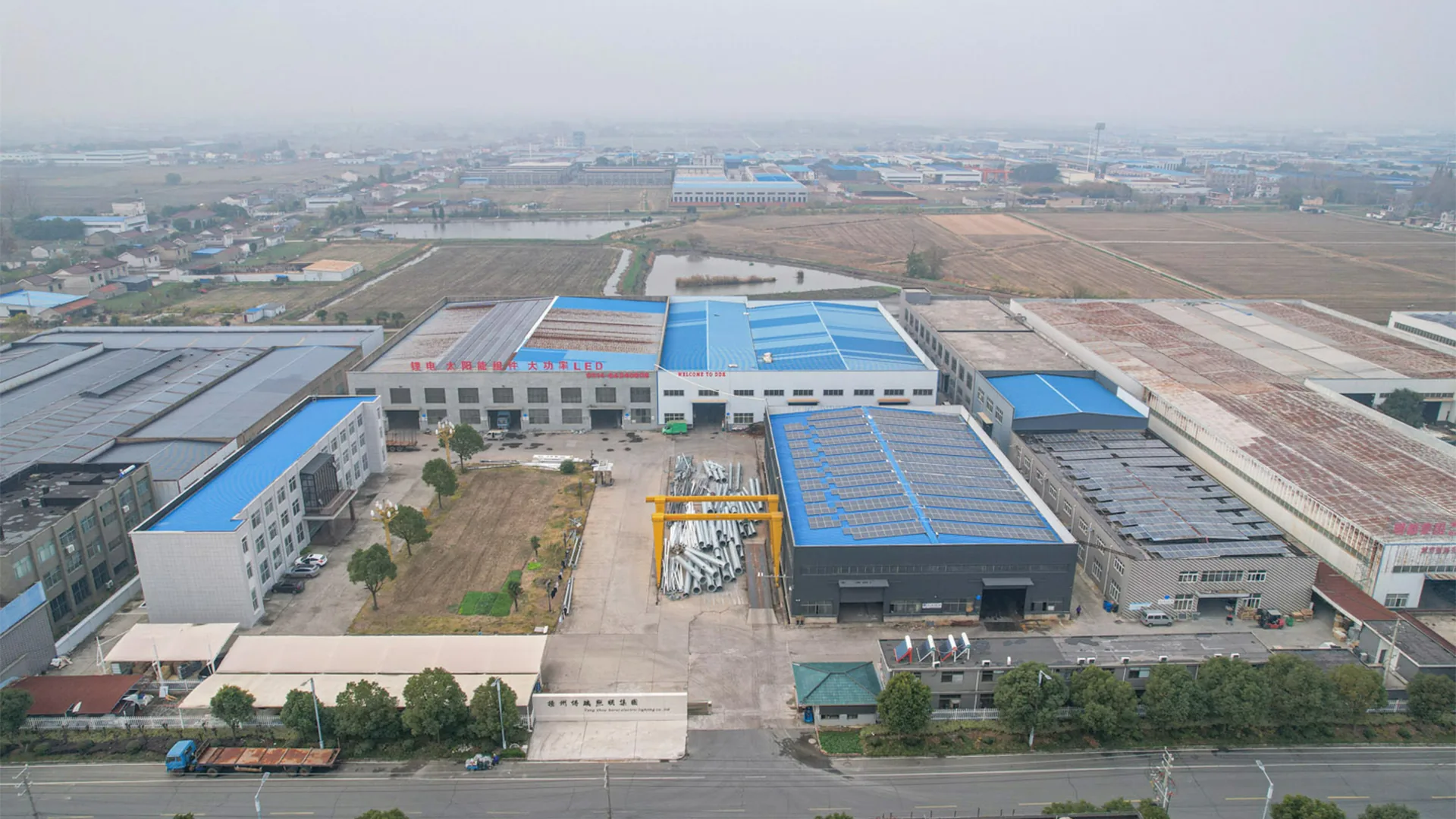
- LED Module and Optics Assembly
- Driver and SPD Matching
- Housing and Sealing Check
- Aging and Function Test
- Bracket and Mounting Parts
- Packing and Project Delivery
LED Module and Optics Assembly
LED chips, lens, reflector, optical distribution, and beam angle consistency.
Driver and SPD Matching
Driver, surge protection, voltage range, dimming interface, and electrical requirement.
Housing and Sealing Check
Aluminum housing, heat dissipation, sealing structure, IP protection, and outdoor durability.
Aging and Function Test
Power-on testing, driver stability, light output, and batch consistency before shipment.
Bracket and Mounting Parts
Adjustable bracket, bolts, mounting accessories, and installation compatibility.
Packing and Project Delivery
Export packing, carton marking, packing list, and project batch consistency.
Lighting Tasks We Can Help You Plan
Different sites need different light distributions, mounting and service access. Use the situations below to explain your project, or send a photo if you are unsure where to begin.

- Industrial Yard / Public Area Lighting
- Solar Flood Light / Off-Grid Area Lighting
- Municipal Outdoor Lighting
- Large-Area Outdoor Lighting
Industrial Yard / Public Area Lighting
Outdoor area lighting and project configuration support, including product selection, document support, and delivery coordination.
Solar Flood Light / Off-Grid Area Lighting
Remote yard, farm, or off-grid public area support with working time, backup days, datasheet, and configuration notes.
Municipal Outdoor Lighting
Public road, parking, or community outdoor area support with product configuration, document pack, and project delivery.
Large-Area Outdoor Lighting
Port, stadium, parking lot, or industrial area review where IES/DIALux support, beam angle, and quotation inputs are required.
LED Flood Light FAQ
Need IES files, DIALux support, or a flood light project configuration?
Plan Your Flood Lighting
Tell us the location and what you want to light. A photo, sketch or equipment list is enough to start. We help you identify the next measurements and compare suitable options.
Flood lighting project support paths
Choose the help you need for this project.