
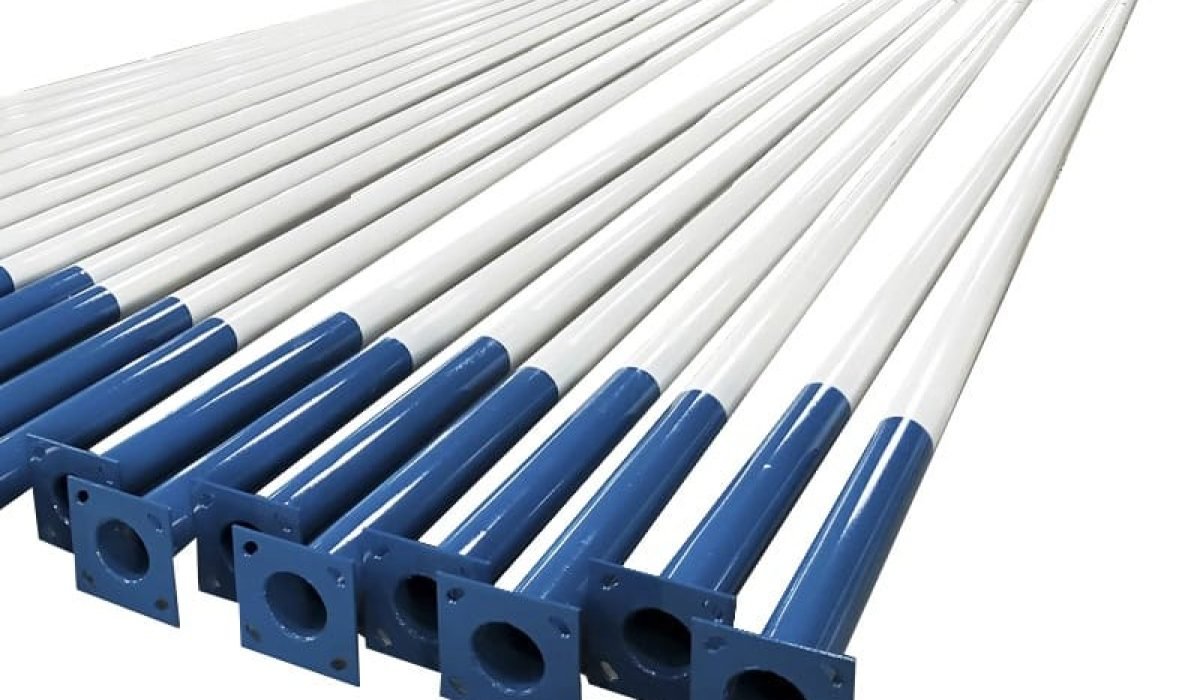
In government and municipal lighting tenders, choosing a pole is not only about height or initial price. Review teams usually assess structural safety, corrosion protection, compliance documents, service life, and whether the proposed pole fits the actual road and environmental conditions.
A low-cost pole may appear competitive in the BOQ, but if it creates certification gaps, higher maintenance pressure, or wind-load concerns, it can weaken the whole submission. For contractors and procurement teams, understanding hot-dip galvanization for steel lighting poles and how to choose the right street light pole can make tender preparation more accurate and defensible.
This guide explains what buyers and contractors usually look for when selecting lighting poles for government projects, and how the right specification can improve both bid quality and long-term project performance.
What Procurement Teams Usually Check in Lighting Pole Tenders
Every government tender starts with one practical question: will this pole meet project requirements and stand up to review?
In most cases, buyers do not evaluate poles only by appearance or price. They want to know whether the proposed configuration is technically suitable, documented, and low-risk for long-term public use.
Common review points often include:
- pole height and bracket configuration
- material grade and corrosion protection method
- structural strength under local wind conditions
- grounding and installation safety details
- compliance documents, drawings, and technical specifications
For contractors, this matters because tender failure often happens at the documentation stage, not only at the pricing stage. A supplier that can support the bid with tender-ready engineering support and datasheets and technical drawings is usually much easier to work with during submission.
Why Service Life and Corrosion Protection Matter in Public Projects
In public infrastructure projects, a pole is expected to remain reliable for years under outdoor exposure. Once corrosion, coating failure, or structural weakness appears too early, the result is not only maintenance cost, but also public complaints, more service calls, and reduced confidence in the project.
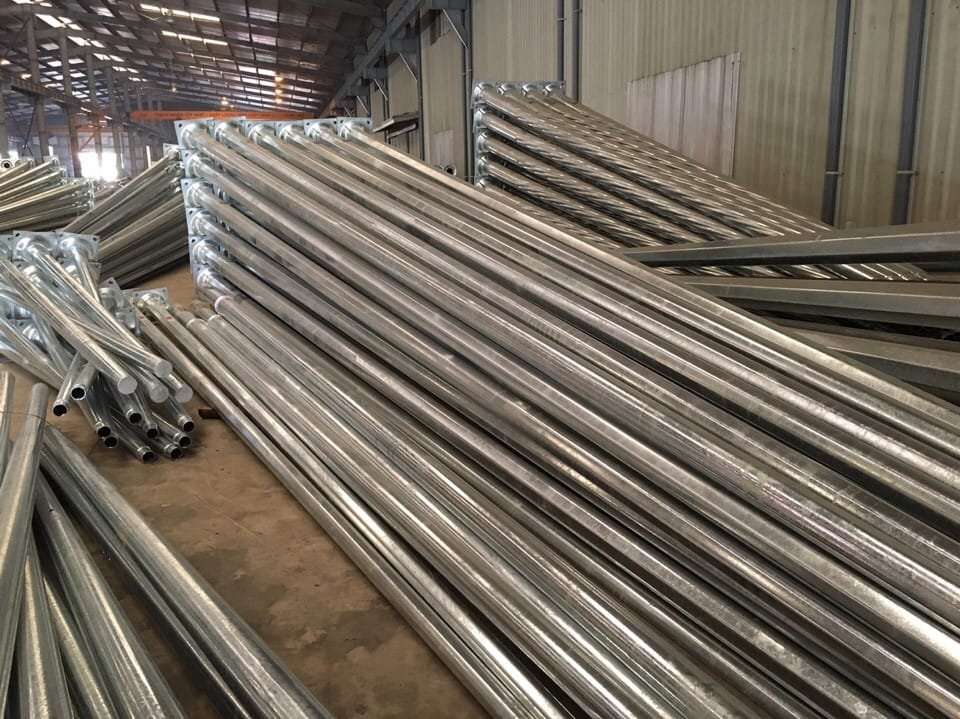
This is why many municipal and contractor teams prefer galvanized steel poles for road and public-area lighting.
Typical reasons include:
- good resistance in humid, coastal, dusty, or high-temperature environments
- lower repainting frequency compared with lower-protection finishes
- better suitability for long-term outdoor infrastructure use
- reduced maintenance pressure over the life of the project
For procurement teams, corrosion protection should not be judged by visual finish alone. It is better to review the actual galvanization method, material details, and production consistency. In supplier evaluation, manufacturing and quality control can be just as important as the product brochure itself.
How Buyers Compare Pole Cost Beyond the Unit Price
Tender projects are price-sensitive, but experienced buyers rarely assess poles by unit price alone. What usually matters more is whether a slightly higher specification today can reduce avoidable cost later.
From a lifecycle point of view, the real cost of a pole may include:
- repainting or coating repair
- premature replacement
- labor for inspection and maintenance
- service interruption risk
- extra project management caused by quality issues
A lower-priced pole may seem attractive at the quotation stage, but if it performs poorly in harsh environments or requires earlier replacement, the total cost can become much higher over time. For this reason, many contractors try to support their proposal not only with price, but also with service-life logic, maintenance considerations, and project references for municipal lighting.
How Site Conditions Affect Lighting Pole Selection
A pole that works well in one project may not be appropriate for another. Road class, exposure conditions, bracket type, and future system integration all affect the correct selection.
Typical examples include:
- Urban streets usually need a balanced pole height and arm configuration for standard road widths
- Highways or wider roads may require taller poles and more careful structural review
- Rural roads often need a practical balance between durability and budget
- Coastal or high-wind areas require stronger corrosion protection and wind-load attention
- Solar or smart lighting projects may require additional consideration for mounting, accessories, and future upgrades

In practice, pole selection is not only about height. Buyers should also review bracket interface, foundation assumptions, wind-load conditions, and whether the pole fits the actual equipment configuration. Before finalizing a tender offer, it is useful to review both light pole foundation design basics and how to choose the right street light pole.
What Documents Strengthen a Tender Submission
In many government and municipal tenders, the pole itself is only part of the evaluation. What often makes the difference is whether the supplier can support the submission with clear and reviewable documents.
Typical supporting documents may include:
- pole drawings
- material specifications
- galvanization details
- structural or load-related information
- grounding information
- inspection or QC records
- references from similar projects
When these documents are prepared early, contractors can reduce clarification rounds and present a more credible technical offer. This is one reason many buyers value engineering support for tender documents and BOQ instead of relying only on a simple quotation sheet.
Common Mistakes in Lighting Pole Tender Selection
Some tender problems are not caused by the pole itself, but by how the pole is selected or presented during bidding.
Common mistakes include:
- choosing only by unit price
- ignoring corrosion environment and finish quality
- using the same pole assumptions for very different road conditions
- overlooking wind-load and foundation implications
- preparing incomplete technical documentation
- failing to consider future solar or smart control integration
The most competitive tender submissions are usually not the cheapest ones on paper. They are the ones that show a clear technical fit, complete documentation, and lower long-term risk for the project owner.
Conclusion
For contractors and procurement teams, selecting lighting poles for government projects is not simply a purchasing task. It is part of risk control, technical compliance, and long-term asset performance.
A strong pole proposal should demonstrate:
- technical suitability for the road and environment
- clear corrosion-protection logic
- reasonable lifecycle value
- complete and reviewable documentation
- confidence that the proposed product can perform in real field conditions
To strengthen your submission, it also helps to review datasheets and technical drawings, prepare tender-ready engineering support, and check relevant project references for municipal lighting.
Frequently Asked Questions
What kind of lighting poles do most government tenders require?
Most tenders specify poles according to road type, installation height, environment, and project standards. In many public projects, galvanized steel poles are preferred because of their durability and suitability for long-term outdoor use.
Are galvanized steel poles better than painted poles for municipal projects?
In many outdoor public applications, galvanized steel poles are preferred because they usually offer better long-term corrosion resistance and lower repainting pressure. The right choice still depends on project environment, expected service life, and budget logic.
What documents are usually required for lighting poles in a tender?
Typical documents may include drawings, material specifications, galvanization information, structural or load-related details, grounding information, and inspection or QC records. The exact requirement depends on the tender and local standards.
How should pole height be selected for road and public-area projects?
Pole height should match the road width, lighting layout, bracket type, and project target. Urban roads, highways, rural roads, and public areas often require different pole configurations, so the selection should be based on actual application instead of a single default size.
Why do buyers care about lifecycle cost instead of only unit price?
Because the initial quotation is only one part of the real project cost. Maintenance frequency, repainting, replacement, labor, and long-term reliability can all affect the total value of the project over time.