
Lighting Applications by Project Scenario

Different projects require different priorities in layout, maintenance, environment fit, operating conditions and delivery expectations. Start from your scenario, then move to the right system and product path.
Road, community, industrial and public-project applications
Practical direction for environment fit, maintenance and deployment
Move from scenario review to systems, references and support

Why Application Fit Matters

The right lighting approach is usually determined by project conditions, maintenance reality, environment exposure, road or area type, and delivery expectations — not by wattage or product label alone.

A village access road does not need to be evaluated like a formal urban road.

A coastal installation should not be reviewed like an inland project.

A public facility project is not selected the same way as a logistics yard or a smart-city showcase.

Comparison of village access road, coastal installation, and public facility lighting environments for application-based project evaluation

Browse by Project Scenario

Municipal & Urban Road Projects

For city roads, municipal streets and formal public-road projects where road fit, visual consistency and project-grade delivery matter.

For village roads, township access and weak-grid or off-grid areas where practical autonomy, easier deployment and lower maintenance pressure are critical.

For schools, hospitals, compounds and community roads where safer night access, cleaner layout and reliable everyday use are priorities.

For field deployment, camp and community-safety projects where repeatability, fast installation and lower maintenance dependence are essential.

For exposed environments where corrosion protection, wind exposure and long-term environment fit must be reviewed early.
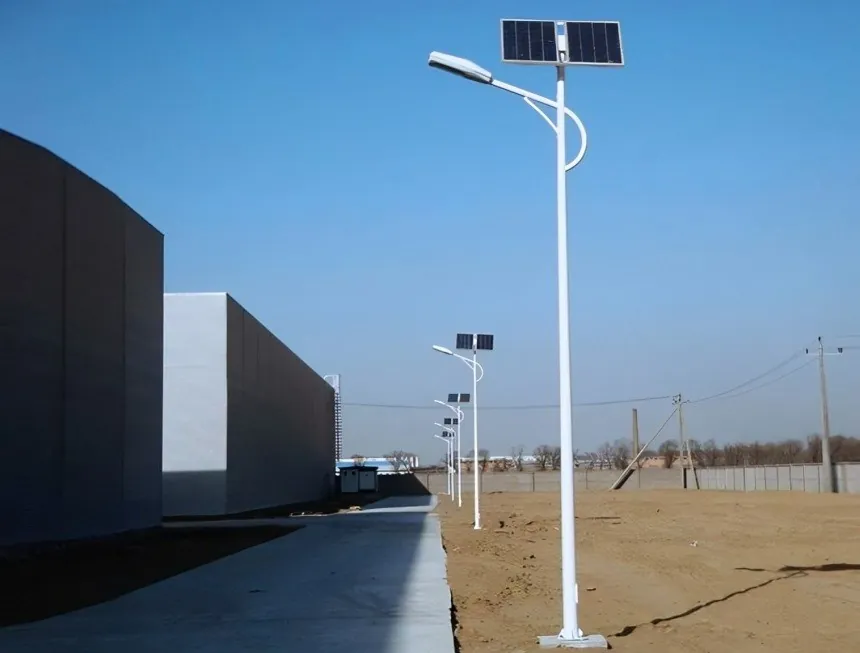
For depots, service roads and operational yards where durability, operating practicality and wider-area coverage are key.

For showcase roads, gateways and public-image projects where modern presentation, visual order and stronger project appearance are expected.

For connected lighting projects that require real monitoring, dimming, control logic and future-ready expansion.

For pathways, parking areas and open public spaces where visibility, coverage and practical layout matter more than standard road-class logic.

Looking for Drawings, IES Files or BOQ-Matched Documents?

Where project review requires more than a product page, we can support the process with application-focused documents and engineering materials.

Different Projects Usually Lead to Different System Paths

Application pages should not push every project toward the same product logic. Some scenarios are shaped by easier deployment, some by formal road expectations, some by wider-area coverage, and others by connected control or public-image priorities.
Simpler Solar Deployment
Often preferred where easier installation, lower infrastructure dependence and practical maintenance expectations come first.
Typical scenarios: Rural roads, village access, community facilities, humanitarian deployment
Common in lower-infrastructure and deployment-sensitive projects
Formal Road Performance
Used when road hierarchy, project consistency and public-road expectations shape the decision.
Typical scenarios: Municipal roads, urban streets, civic corridors
Common in formal road and public-review contexts
Large-Area Coverage
More relevant where the project is defined by wider spacing, yard operation and open-area visibility requirements.
Typical scenarios: Industrial yards, logistics compounds, parking areas, open public spaces
Common in wider-spacing and open-area requirements
Connected or Image-Driven
Applied when monitoring, dimming, control logic, smart-city presentation or public-image expectations become central to the project direction.
Typical scenarios: Smart lighting projects, landmark roads, showcase areas, public-image installations
Common in smart-control and image-driven projects

How We Support Application Evaluation

Different applications often require different review priorities. We help buyers move from scenario understanding to practical evaluation, system direction discussion and project-ready decision support.
01
Application-Fit Discussion
We help clarify which project conditions matter most before product direction is discussed.
02
System Direction Review
We support early review of whether a project is more aligned with solar deployment, formal road logic, wider-area coverage or connected systems.
03
Technical & Document Support
We can support evaluation with practical technical discussion, document preparation direction and project communication needs.
04
Reference-Based Alignment
Where useful, we help compare application needs with relevant project types and previous deployment logic.

Request Your Custom Quote – No Middlemen