


Single Arm Solar Street Light System (Split Type)
Product Features
- Single-arm split solar street light system (lamp + separated solar panel + pole kit)
- Pole height options: 5m / 5.5m / 7m / 8m / 9m / 10m (single arm)
- High luminous efficacy up to 230 lm/W (by configuration)
- MPPT controller with over-charge / over-discharge protection
- Optional smart remote dimming control: 4G / 5G (by configuration)
- Pole fitment reference: diameter, thickness, base plate, arm bracket, and anchor bolts
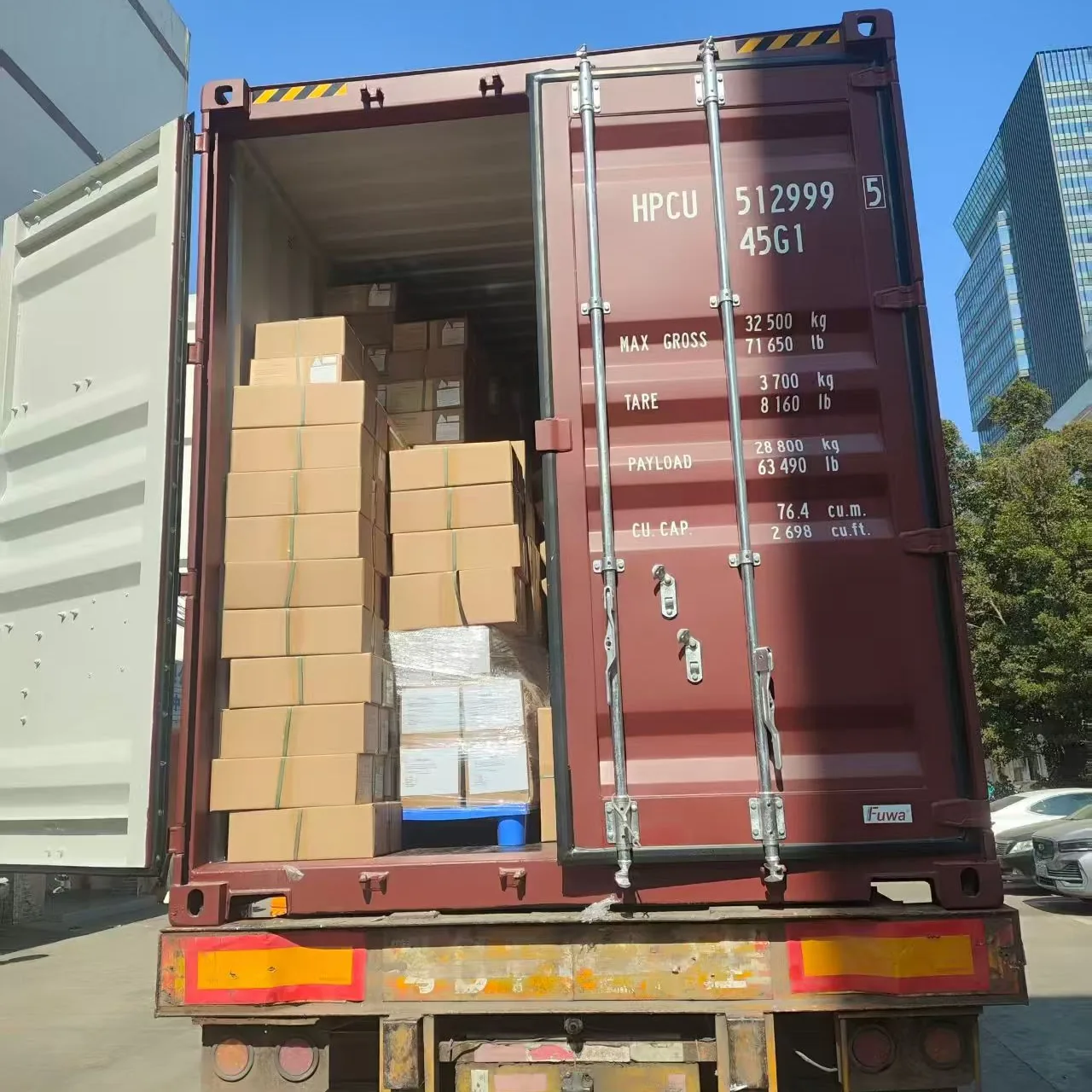
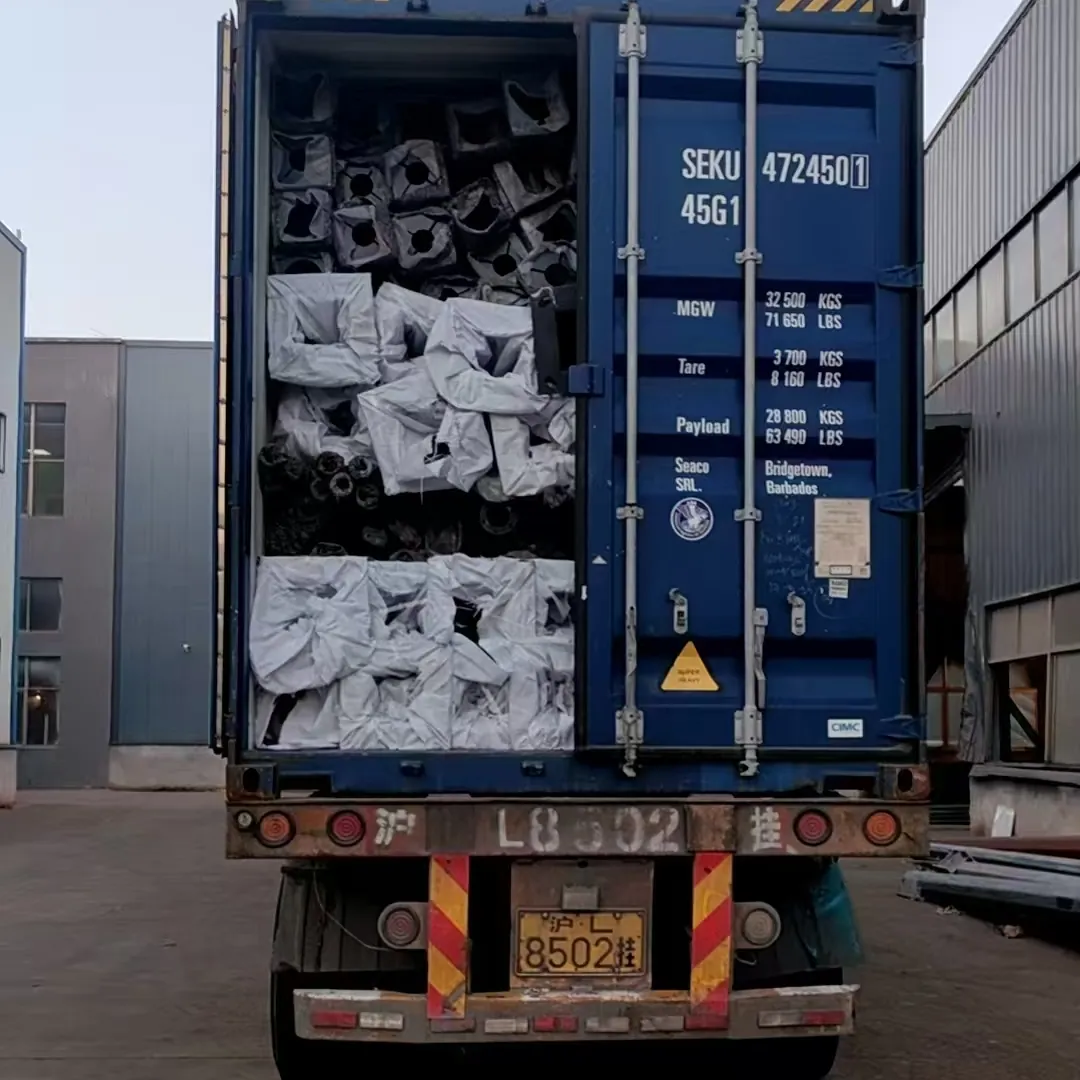
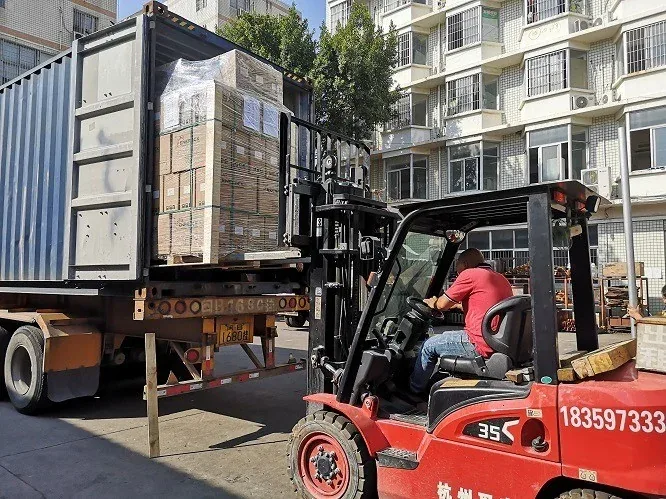
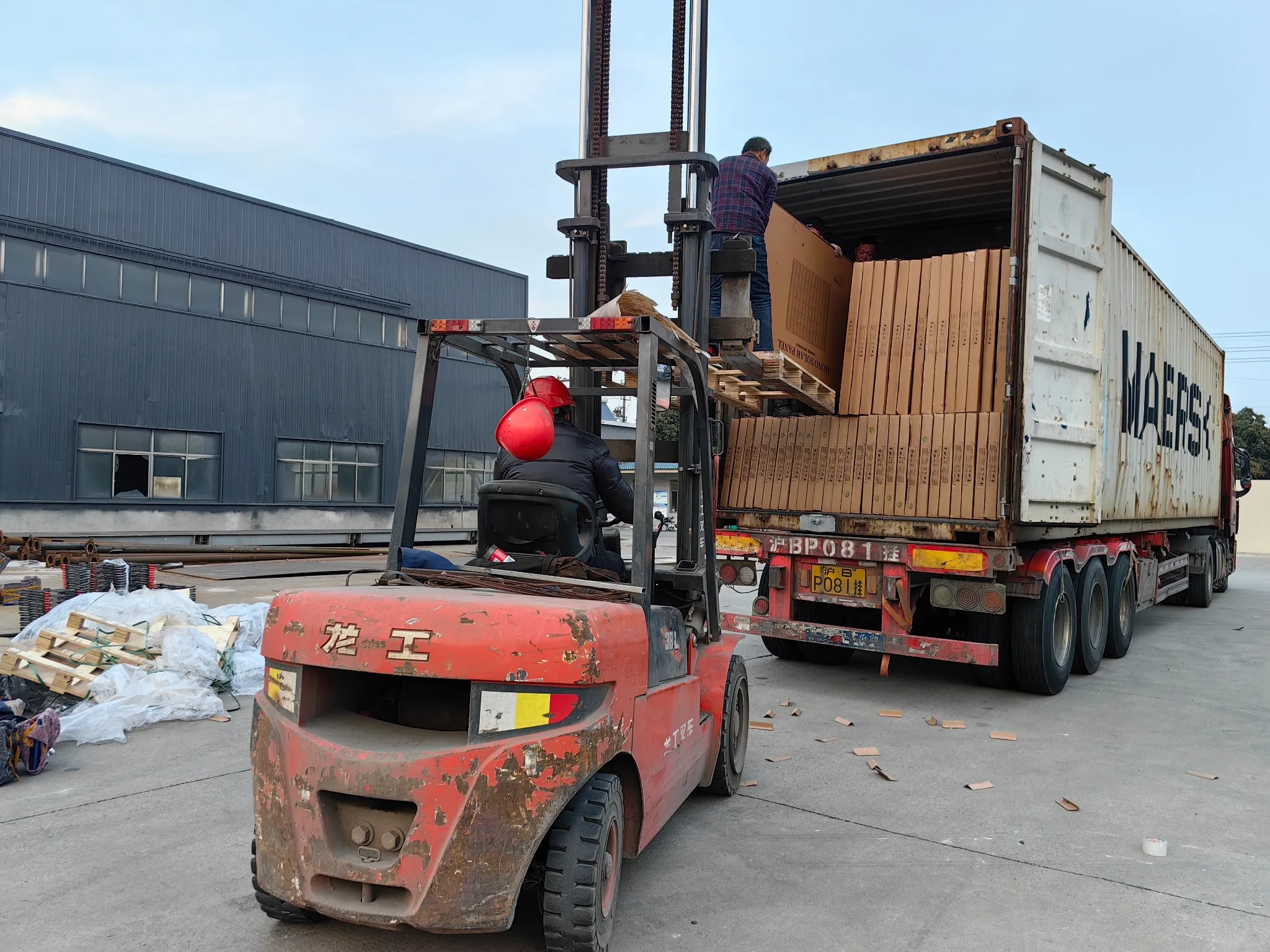
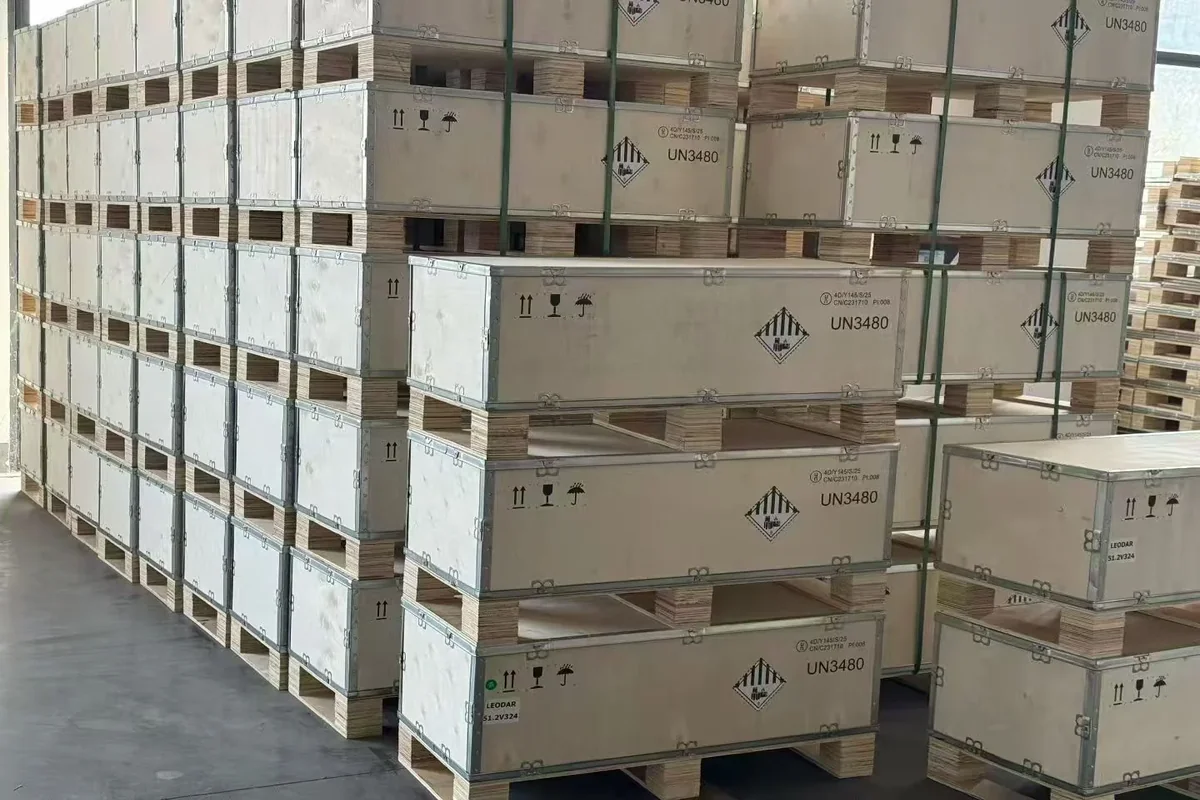
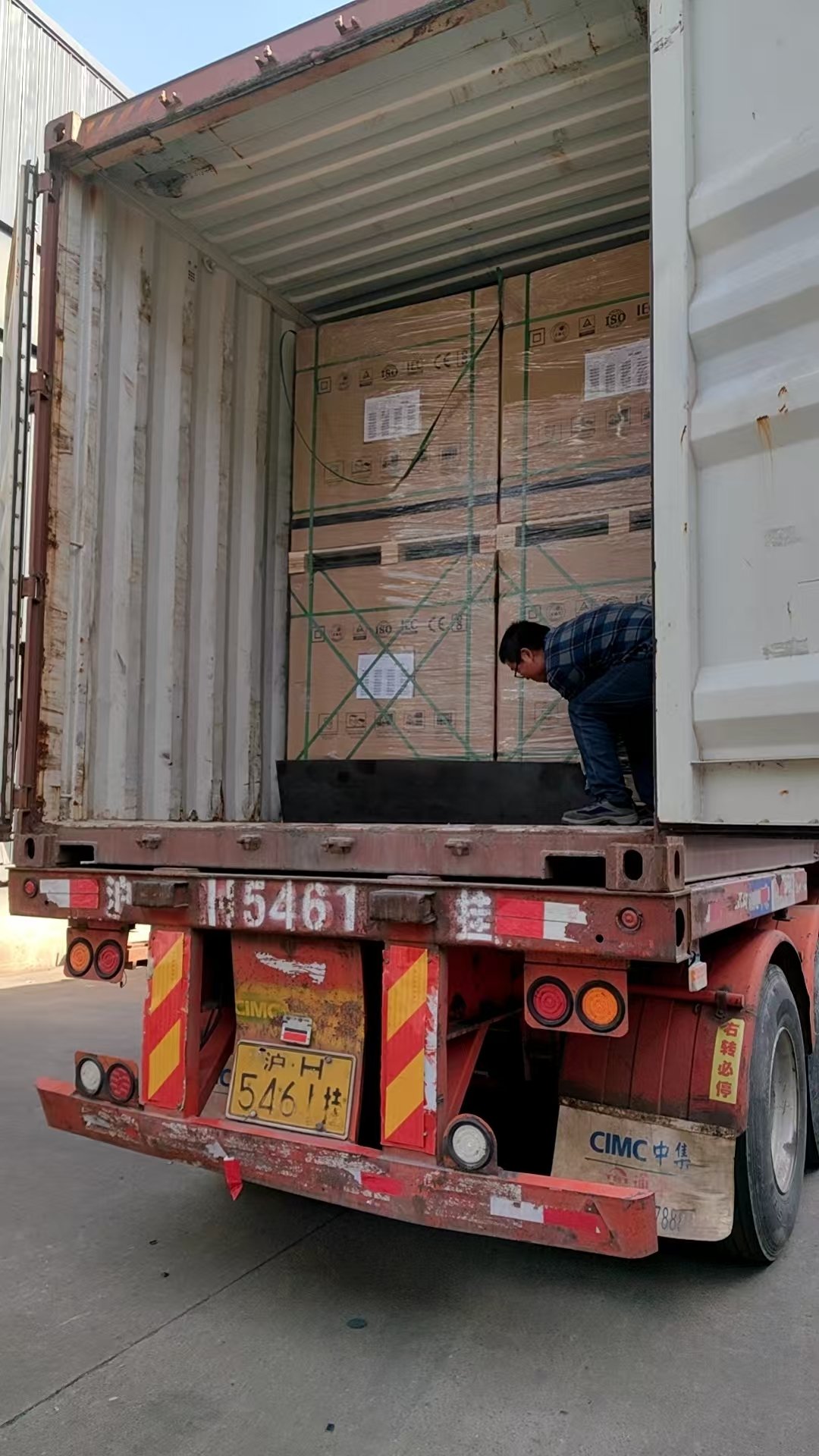
- Standard export packing; pallet and loading protection optional
- Drawings, packing list, and carton marks available on request
Datasheet Summary (Single Arm)
| Configuration Range | Single-arm configurations for 5 m / 6 m / 8 m / 9 m / 10 m / 12 m mounting heights, selected by road width, spacing target, and project requirements. |
| LED + Solar Panel Pairing (Typical) |
5 m: LED 30–40W → Panel 100–120W
6 m: LED 40–50W → Panel 120–150W
8 m: LED 60–80W → Panel 160–200W
9 m: LED 70–90W → Panel 200–300W
10 m: LED 80–100W → Panel 240–320W
12 m: LED 100–120W → Panel 280–360W
Note: Final configuration should be confirmed by project location, autonomy target, operating profile, and solar resource conditions.
|
| Battery Range (Typical) | 12V50Ah to 24V120Ah lithium battery options depending on pole height, load demand, and backup requirement. |
| Controller | MPPT controller, input 7–32V, with charging and discharging protection. |
| Pole Material & Finish | Q235B steel pole with hot-dip galvanizing and spray painting finish. |
| Pole Diameter & Thickness | Pole diameter ranges from 60/120 mm to 75/200 mm, with 3 mm to 4 mm wall thickness depending on height. |
| Base Plate & Anchor Bolt | Base plate ranges from 260×260×12 mm to 400×400×16 mm, with anchor bolt sets from 4×M20×500 mm up to 4×M24×900 mm. |
| Fitment-Critical Hardware | Pole diameter, thickness, base plate, and anchor bolt size are matched to mounting height to reduce onsite installation mismatch. |
Installation Support
To reduce installation mistakes and onsite rework, we provide a step-by-step installation manual pack for this series (first-batch edition shown below). If you want faster fitment confirmation, send your pole diameter, mounting height, and bracket photos — our team can guide you remotely and confirm the correct setup before deployment.

Optics Options (Type II / Type III / Type IV)
Best for narrower roads and longer forward throw. Helps keep light focused along the roadway.
Type II • Narrow roads • Long throw • Controlled spill
A general-purpose distribution for most standard roads. Balanced forward throw and side coverage.
Type III • Standard roads • Balanced coverage • Common choice
Designed for wider roads, perimeters, and edge coverage. Useful when you need more lateral reach.
Type IV • Wider roads • Perimeter • Lateral reach
Not sure which optic fits your road width and mounting height? Send your height and target spacing — we’ll confirm the best option.
Proof & Due Diligence

See deployment scenarios and configuration sanity checks.

QC workflow, test capability, and traceability approach.

Contact Engineering Team
Share constraints and receive a solution-ready response.

Markets & Deployment Conditions
Typical constraints by region—coastal, hot, dusty, and heavy-rain environments.
Frequently Asked Questions
What causes onsite rework on single-arm solar street lights? +
Most rework comes from fitment mismatch: pole diameter not matching the bracket, base plate and anchor bolts not aligned with the foundation plan, or the arm length not suitable for the road width. A height-based kit with defined pole + foundation interface reduces these risks.
How do I choose the right mounting height and arm length? +
Start with mounting height (e.g., 5–10 m), then confirm road width and target spacing. Height drives pole strength and foundation hardware, while arm length affects coverage and clearance. The goal is to meet coverage needs without oversizing the pole and foundation.
How should I read the LED + solar panel pairing ranges? +
Treat them as configuration ranges, not a fixed promise. Final sizing depends on mounting height, spacing intent, dimming profile, and local solar conditions. A correct pairing helps avoid under-charging, early dimming, or shorter-than-expected runtime.
Why do pole and foundation specs matter for single-arm systems? +
Because installation success depends on the interface: pole diameter/thickness, base plate, and anchor bolts must match the mounting height and site plan. Defining these upfront reduces delays caused by foundation changes or bracket fitment issues at site.
What documents can you provide for procurement and shipment planning? +
We can provide configuration-specific datasheets and packing lists, plus standard export documents for shipping and customs clearance. This supports kit-based site sorting and reduces delays caused by missing or unclear paperwork.