
Run on solar and battery when available. Set when to use mains power and what the light should do if both the sun and the grid are unavailable.
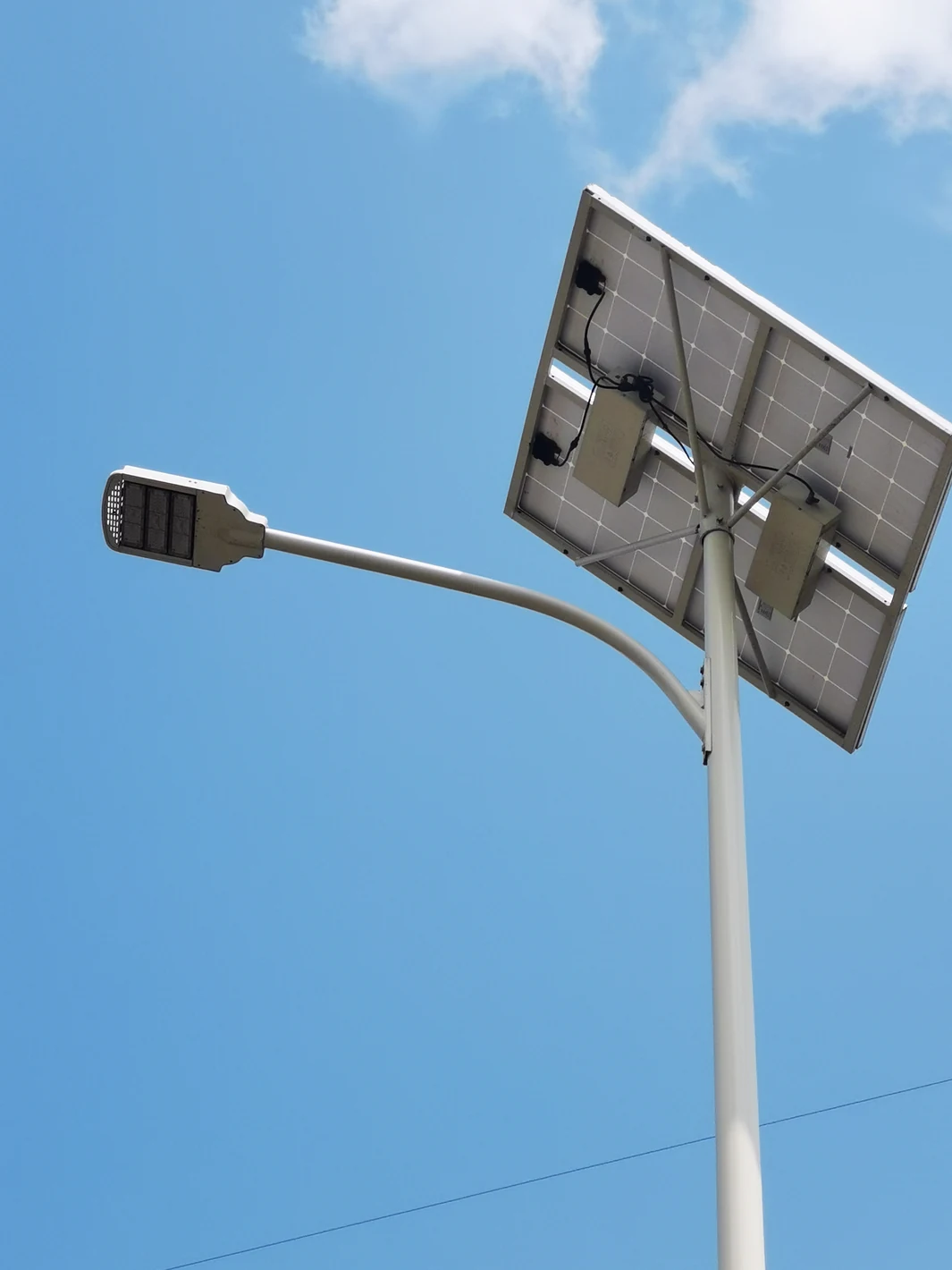
Review the solar panel, battery, controller and AC input together. Confirm the hours to cover, the switch to mains and the return to solar against the equipment and wiring diagram before ordering.
For roads that already have a suitable mains feeder, solar-first operation can be evaluated against the utility supply available overnight. Tell us when the feeder is energised and whether it is switched by a timer, a cabinet or a utility schedule. A supply that is present during the day may be off when the lamps need to transfer. Review seasonal shading and the worst solar month. These details let the engineer decide whether grid backup should cover occasional low battery nights or whether substantial grid use should be planned.
List when outages occur and how long they typically last. The critical case may be a loss of mains after several poor charging days, when stored energy is already low. Give the roadway team a minimum service requirement for that case, such as full output through a safety-critical period followed by an agreed lower output. If there is no viable energy source after reserve runs out, decide how the roadway will be managed. Discuss whether a larger dedicated reserve, a different feeder or an off-grid design makes more sense.
A single tender can include sections with existing cables and other sections far from a practical grid connection. Keep the supply arrangement visible in the site schedule. In a company quotation review, a buyer asked to compare an advertised hybrid option against a split solar layout for different single and double light positions. Both options needed separate configurations. On a double-arm pole, confirm whether heads share storage and controls, and what happens to both heads when either branch or a common component fails.
List each output level, actual electrical input at that level and how many hours it will operate. Multiply input watts by hours for each interval and add the results for the night. Include controller and communication loads where they matter. If the pole only reserves space and a cable route for a future camera, compare the lighting duty first and list continuous camera power as a separate option. This helps an owner see which reserve drops when extra equipment is added. For an illustrative load calculation, 45 W for four hours and 20 W for six hours adds up to 300 Wh at the load before losses, reserve or any other equipment. Those figures demonstrate the calculation. Use the actual power curve of the proposed equipment, since electrical power at a dimmed setting can differ from the percentage shown in a control schedule.
Get battery energy in Wh, verified from voltage and ampere-hours or from the battery specification. Then ask what portion is usable after temperature, ageing and protection limits are considered, and what efficiency applies to the energy path. Check the reserve available at the expected switchover threshold, especially when the grid might fail later that same night. Use local solar resource, panel orientation and shading to assess recharge in the worst month. Panel watts are a nameplate power rating. The design needs an estimate of how many Wh actually reach storage during a representative poor day.
State the preferred source in normal operation, the low-battery or other trigger for grid use, any hold time to avoid repeated switching, and the conditions for returning to solar. Ask whether the grid can power the light, charge the battery, or do both in the proposed arrangement. These are different functions. Specify the behaviour when grid power drops out while the lamp is on mains, when it returns, and when the battery itself has been disconnected by protection. Identify any controls or monitoring that lose power in the same event.
Give the project electrician the feeder voltage and frequency, earthing arrangement, cabinet details and branch lengths. Ask for a one-line diagram and information on where switching and protection occur. Confirm that the proposed connection and equipment respect the utility and local electrical requirements. If the design is intended to use grid power only as a backup supply, confirm the isolation arrangement and whether any export is possible. If an owner calls export mandatory, price and review it as a different operating requirement. Check utility approvals and metering along with the equipment and protection. Give civil and electrical teams the same layout so ducts, equipment compartments, access and isolation points can be coordinated.
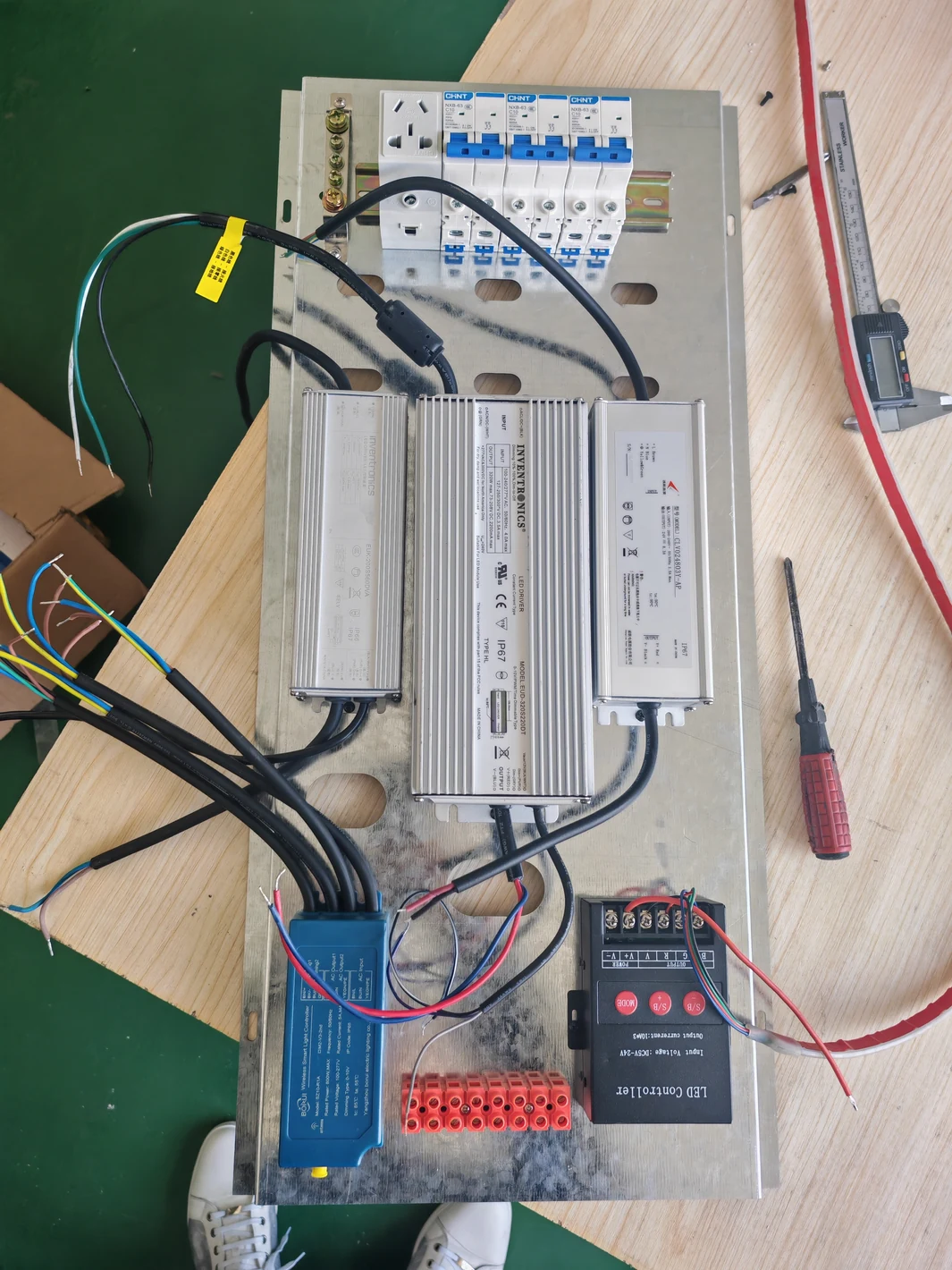
Check the mains input, the protected load and the controller against the wiring diagram before approval.
Send the road width, pole height and spacing, bracket outreach, location and the lighting criteria set by the owner. Agree which hours and road sections are assessed at full output and what criteria apply while dimmed. The active optic, fixture power and output in the energy schedule should match the photometry used for lighting design. A cabinet power schedule and a lighting calculation that describe different fixture versions can both look plausible, yet leave the reviewer unable to tell whether the road meets the intended night profile.
For a tender or consultant review, ask for the proposed equipment schedule, datasheet, wiring and transfer description, relevant drawings, night profile, solar and reserve assumptions, and applicable supporting documents. Identify which documents are needed with the bid and which go with the approved build. One previous submission discussion asked for equipment data and referenced supplies after receipt of a preliminary offer. List such requirements up front and distinguish references for the same kind of system from proof of supply for the particular proposed configuration.
List the lamp, solar panel, battery, controller and grid interface by configuration. State who supplies the pole, support arm, foundation hardware, cabinet, feeder, protection, grounding and any communications. If some components are reused or installed locally, give each a clear line on the schedule with the drawing or interface information the site team needs. Ask the supplier to identify replaceable modules, the corresponding spares and access arrangements. When several roads are included, use a tag for each system type rather than sending spare parts labelled only by lamp wattage.
Agree with the commissioning team how to verify normal solar operation, low-reserve transfer, grid loss, grid restoration and return to solar under controlled conditions. Record observed lamp state, timing and any indicators, with the relevant configuration and grid status. A daytime power-on check can show that equipment responds without demonstrating an overnight operating profile or reserve. Plan checkout and follow-up observations around the agreed owner requirements. Keep the grid-backup planning guide with the design and use the recorded results to brief the maintenance team.
Ordinary solar nightSet the required lighting hours and output from the battery.
Low battery, grid availableDefine the trigger, when the feeder is live and whether mains supplies the light, charges the battery or both.
Grid fails during lighting hoursState which areas need light, the minimum output and the permitted interruption.
Power restoredAgree when the light returns to solar and battery, and what the operator should see.
For each operating state, record the required brightness, duration, permitted interruption and status indication on the same tender schedule. Identify which settings the operator can change and how to restore the approved values. Give field technicians the required transition sequence and a place to record lamp output and elapsed interruption time. If the controls can report the active source, agree what evidence to retain from the controller alongside what was observed at the luminaire. The names are useful at handover too, because the survey team can record what happened in each test rather than simply marking the lamp as functional.
A bridge approach, crossing or junction may need a different reserve policy from a straight section of road. Use the owner’s roadway lighting criteria and record whether local power is available at each point. If budget or battery space is limited, compare the trade-offs by section with the people responsible for night operation. Give them the expected performance during a poor week as well as during a normal night.
Describe what the road must receive in each operating state. Agree the test method against the supplied equipment before installation.
Mark the sections that must stay lit when both mains and solar charging are unavailable. Record required brightness, hours and acceptable interruption. Identify what energy is reserved for lighting and what is allocated to any other loads.
On the proposed single-line drawing, identify whether mains feeds the lamp, charges the battery or does both. Record the selected lamp, battery, controller and AC interface together. Ask the installer to confirm which party provides local protection and the AC feed.
For each of the agreed states, record the active source, actual light output, interruption and return condition using the procedure for the supplied equipment. Hand over the approved settings and recorded results so the operator can check later changes.
Confirm optics, fixture input, solar panel, battery, controller and the grid interface as one configuration.
Agree supply responsibility for protection, isolation, cabinets, cabling, earthing and monitoring.
Confirm poles, civil works, feeder availability, local electrical approval and transfer tests.
Each line should reference the same approved equipment list and drawing version.
That depends on the topology. Request a diagram and a sequence that distinguish grid supply to the lamp, grid charging of the battery and operation on stored solar energy. Ask which modes are enabled on the quoted controller, how they are set and what the system does when power returns after an outage.
The answer depends on stored energy when the outage begins, the required output and the reserve policy. State both whether the battery is expected to begin at full charge and what is expected if the grid fails close to the low-reserve threshold. Compare at least those two operating states using the same night profile and verified loads.
Review it where a usable mains connection and a backup need coincide. A remote stretch may be better served by a split solar street light, while a road with reliable mains and little solar exposure could lead to a different choice. Compare civil works, operating profile and service bills even if the lamp housings look alike.
Ask for daily energy reaching the battery, usable battery Wh, operating profile and the assumptions used for each. Ah alone omits voltage, and equal panel watts may deliver different energy under shade and orientation constraints. Confirm whether both offers include the same poles, wiring, installation and commissioning before comparing their totals.
Start with the best observations from operators, including approximate hours, recurring evening outages and how feeders are switched. Mark where the supply is available. We can help you identify which scenarios to compare and which details are worth checking with the utility or site team before detailed design.
First identify the installed lamp, controller, battery and enclosure, then provide a wiring diagram and the intended mains supply. The engineer can check whether the original configuration has an approved interface and whether protection, isolation and available space suit the change. If the arrangement needs to change, compare the upgrade with a new purpose-designed system and retain the electrical drawings for the option you choose.
Share the road layout, grid availability, typical outage hours and night lighting schedule.
WhatsApp us