


SL-SMART Series Smart Light
If your city already has a control platform, share its name and the functions you need, such as scheduled dimming or fault alerts. We can check what needs to be demonstrated on a sample before you order.
Product Features
- Connectivity options: 4G/5G and LoRa (by configuration)
- Remote control readiness: scheduled dimming and status monitoring (by configuration)
- Integration-friendly: clear control interface definition for project deployment
- Commissioning support: setup guidance and troubleshooting support during rollout
- Documentation support: datasheet, wiring notes, and configuration checklist available
| Series | SL-SMART (Smart Street Light) |
| System Type | AC LED street light with smart control options (by configuration) |
| Connectivity | 4G / 5G / LoRa (optional, by configuration) |
| Control Functions | On/off, scheduled dimming, and status reporting (by configuration) |
| Dimming Interface | 0–10V / DALI / PWM options (by configuration) |
| Optics | Type II / Type III / Type IV (by application) |
| Input Voltage | By market requirement (confirm before order) |
| Surge / Protection | Optional surge protection level (confirm requirement) |
| Operating Temperature | By configuration / environment requirement |
| Documentation | Datasheet, wiring notes, and configuration checklist available |
| Warranty | By order terms |
Start with the road, then choose the smart functions
Choose SL-SMART when your project needs to plan street lighting and remote operation together. Start with the country, road width, pole height, spacing and lighting requirement. If you do not have drawings, send site photos and approximate dimensions. We can help turn that information into a useful starting point for selecting the luminaire and discussing the control system.
Lighting performance still comes first. A connection to a platform does not tell you whether the pavement will be evenly lit or whether drivers will face glare. Share the owner’s lighting standard, the hours of operation and any nearby homes or sensitive areas. The proposed luminaire’s photometric file and a lighting calculation can then be reviewed against the actual layout, including the darker points between poles.
Tell us whether the site has a reliable electricity supply, an existing lighting cabinet and usable cables. A smart control requirement is separate from the choice between AC and solar power. If the project also needs off-grid operation, we will discuss the energy system separately rather than assume the same power arrangement suits every road.
Check the platform on a sample before ordering
If your municipality already uses a lighting platform, send its name, controller requirements and the functions your operators use. For a new system, explain who will operate it and whether the priority is scheduled dimming, switching, fault alerts or asset records. This helps focus the discussion on useful functions rather than a long list of features your team may never use.
Communication choices such as 4G, 5G and LoRa are options to review for the project. The choice affects the controller, local coverage, gateway requirements and ongoing service arrangements. A lamp with a dimming interface does not automatically include a network connection or access to a management platform. We help identify those separate items so that the quotation can describe a complete, understandable arrangement.
Agree a sample demonstration with your platform provider before the main order. Useful checks include sending a command, reading the reported status, changing a schedule and observing what happens when the connection is interrupted. Ask how settings are restored after power returns. Record the results and the accepted settings so your installation and maintenance teams have the same reference.
Compare complete system quotations
Two quotations can describe a smart street light while including very different equipment and services. Compare the luminaire’s actual input power, light output, distribution, driver and mounting arrangement first. Then check the control node and its connection to the selected platform. Model names and a picture of a multifunction pole are not enough to establish what will arrive on site.
Make the supply list explicit: luminaires, controllers, poles, arms, connection cables, gateways and cabinet equipment should each be included, optional or supplied locally. Platform access, SIM cards or data services, setup and future subscription costs also need a named arrangement. Foundation work, trenching, lifting and electrical installation should be discussed with the local contractor rather than disappear between the equipment quotation and the construction budget.
If cameras, Wi-Fi, displays or charging equipment are requested, list them separately with their power demand, mounting needs and service connections. We can help organise those questions for a project review. A reference image showing several functions should not be treated as a promise that every function is included in one standard SL-SMART configuration. A clear schedule makes competing offers easier to compare and prevents avoidable purchases later.
Installation Support
Using existing poles? Send the pole diameter, mounting height, and a photo of the bracket. We can help check the fit before your crew goes to site.
If the lights need to connect to your existing platform, tell us which functions matter most. We can agree what to check on a sample, such as whether the light follows a dimming schedule and reports its status to the platform.
Before installation, agree who will configure the controllers, who will receive fault alerts, and which wiring and setup documents your maintenance team will need at handover.
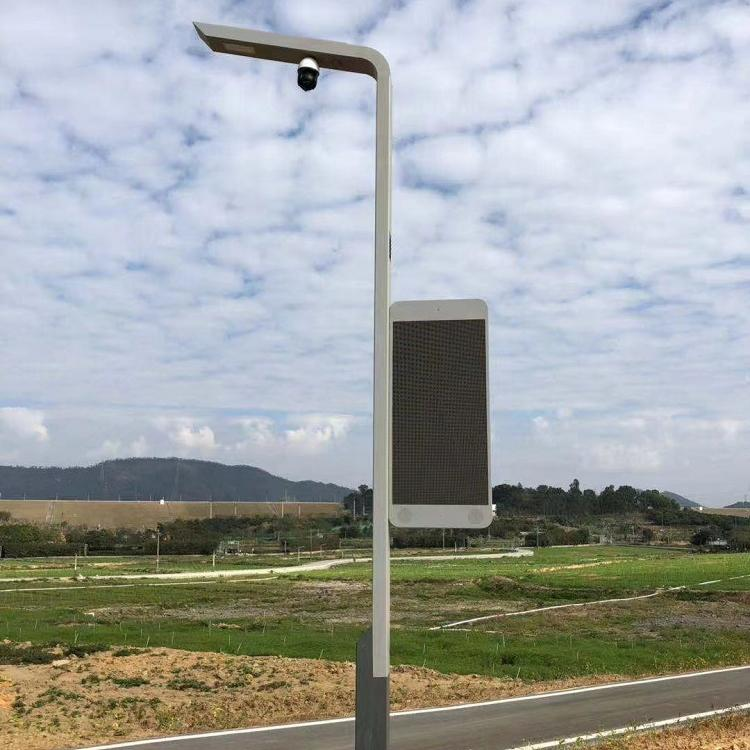
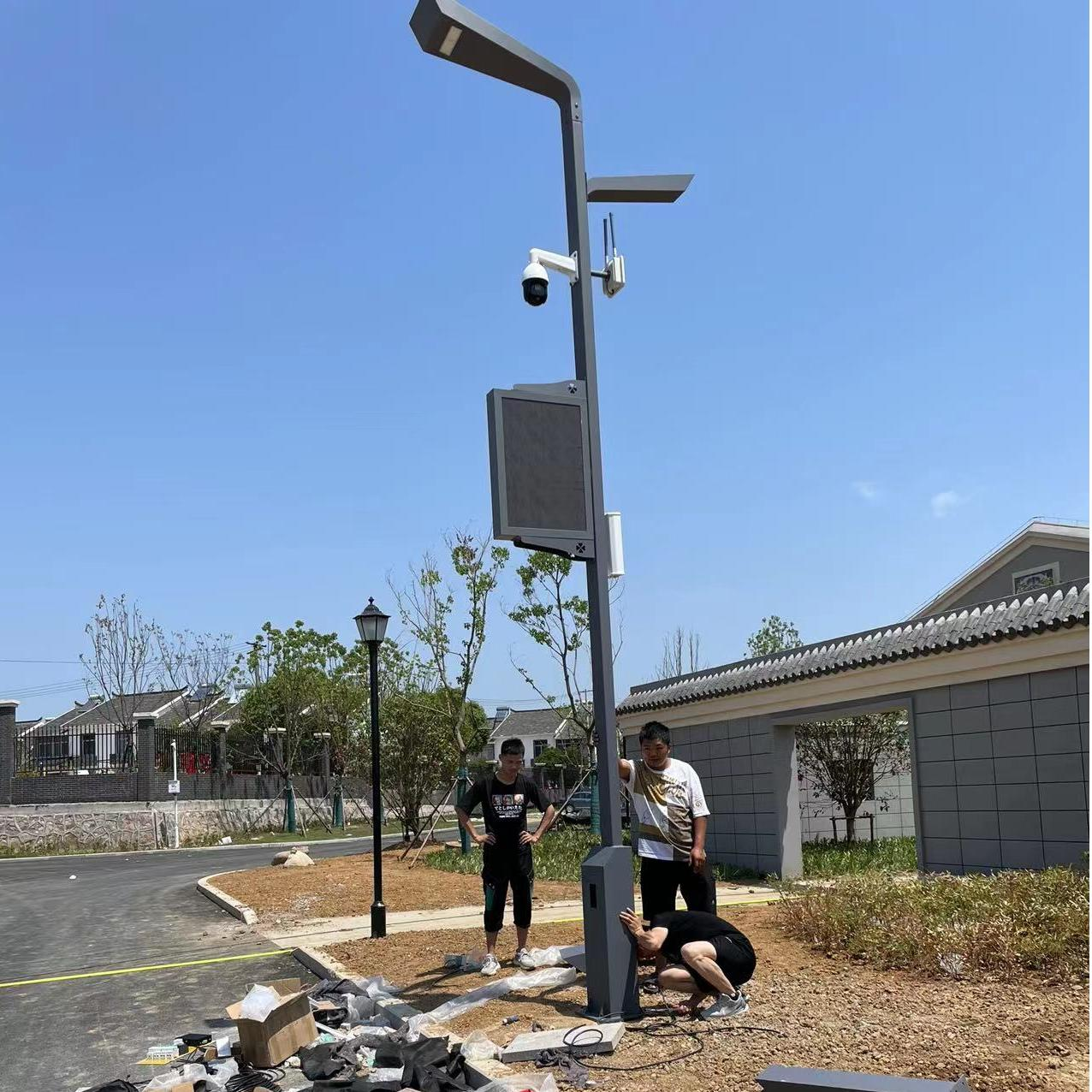
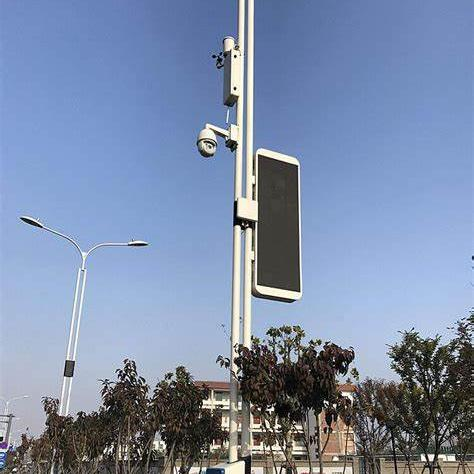
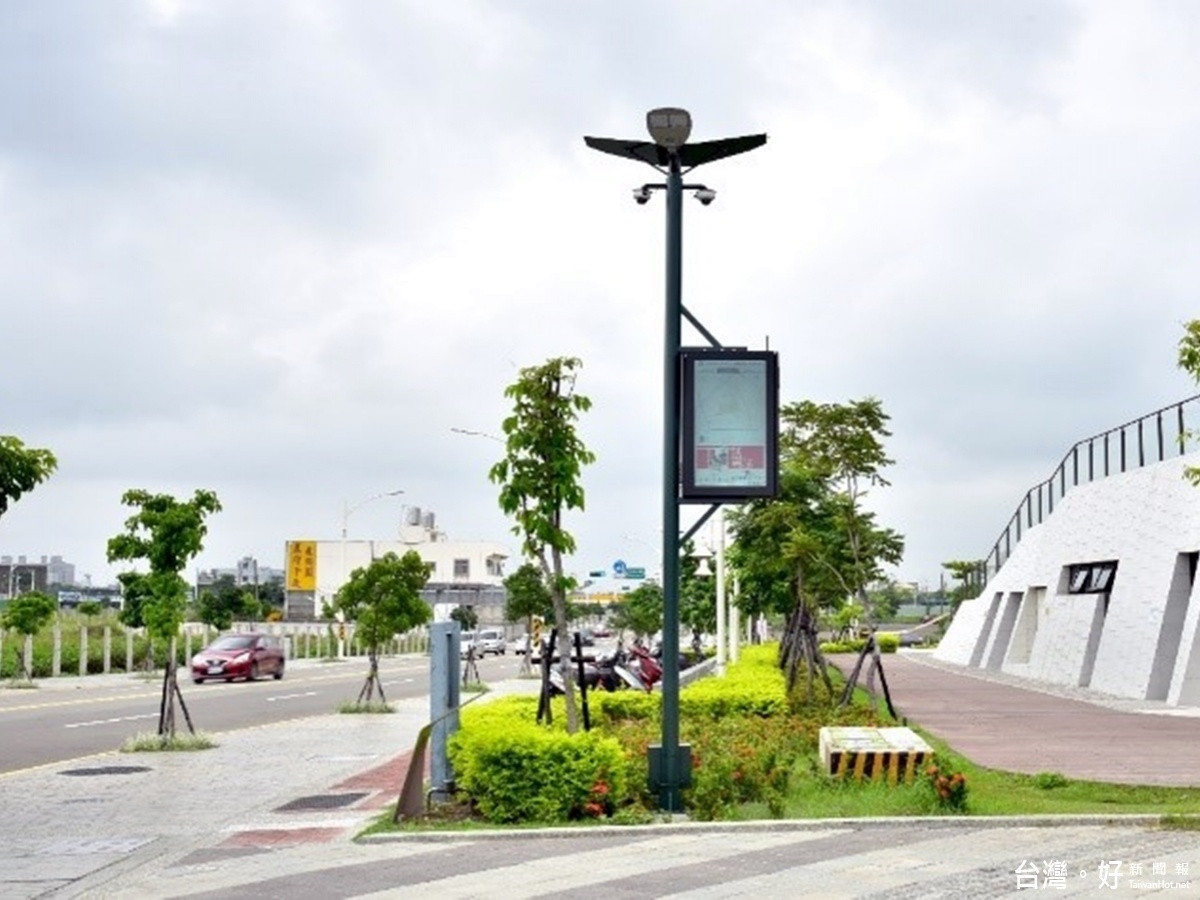
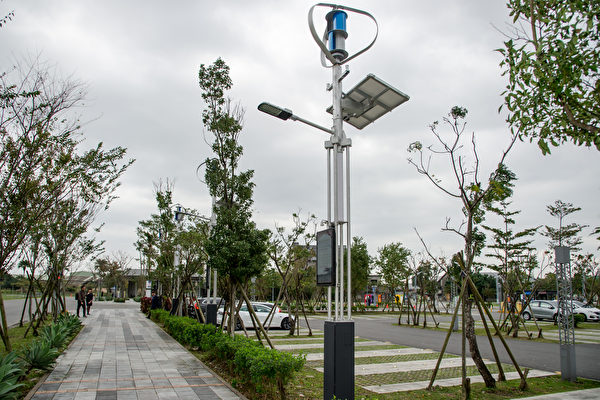
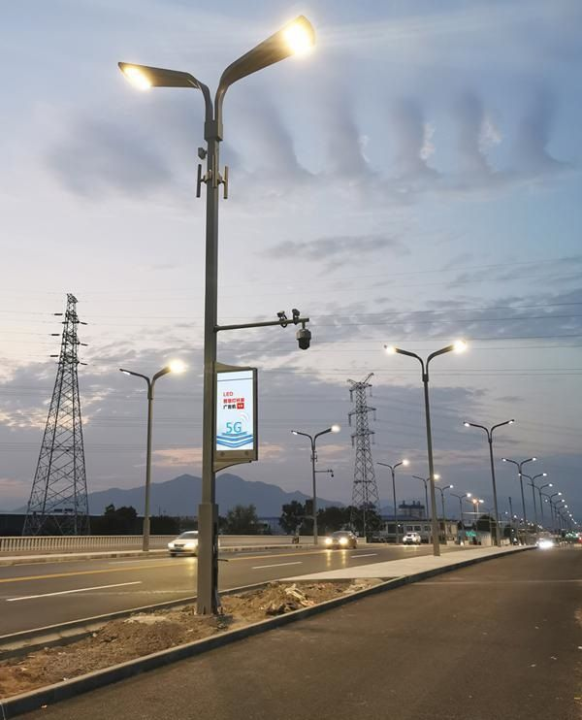
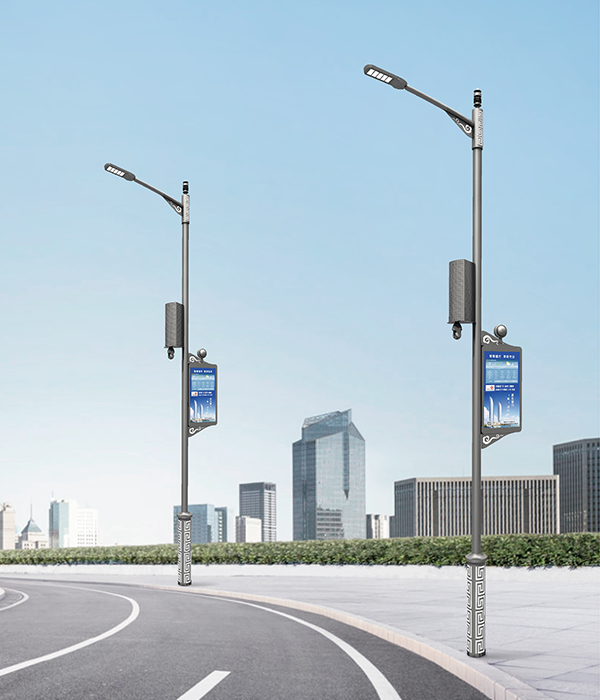
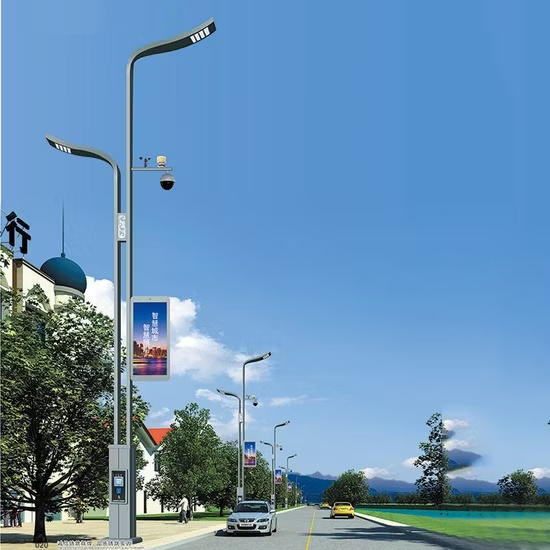
Smart pole layout references: These photographs, equipment close-ups and concept illustrations show different mounting and equipment arrangements. Tell us which arrangement suits your site; we can review the required functions, connections and installation details for your proposal.
Optics Options (Type II / Type III / Type IV)
Prepare tender documents around the proposed equipment
For a tender, send the BOQ, technical specification, required documents and submission date together. Tell us which requirements are mandatory and where an alternative may be considered. We can help organise the proposed equipment and supporting information around the tender schedule, so the reviewer can connect each quoted item with its relevant description.
Check document applicability as carefully as the headline specification. A test report should identify the equipment it covers; its date and test conditions may matter to the purchaser. Photometric data should correspond to the selected luminaire. Wiring information should show the proposed controller and supply arrangement. Where the tender requests certificates, type tests or end-user references, we will review the requested items and identify what is available for the proposed configuration.
Do not leave the warranty and operating arrangement until after award. Agree the quoted warranty, replacement procedure and the support expected from the platform provider, equipment supplier and local installer. If the owner needs a sample approval, allow for that step in the procurement schedule. Preparing these items together helps your team submit a coherent proposal and explain the selected solution to the owner.
Make installation and handover easier for the local team
For an existing pole, send photographs and the relevant dimensions before ordering replacements or additional equipment. The arm connection, cable route, inspection door and space for control equipment can all affect installation. For new poles or added equipment, the drawings and local design requirements need to be reviewed by the responsible project team, including structural and foundation requirements where applicable.
During sample approval, keep an agreed record of the luminaire, controller, wiring and operating settings. Confirm the parts before production. If a component needs to change, discuss it with the customer and obtain the required owner approval before using the replacement. That record gives the site team something concrete to compare with delivered goods.
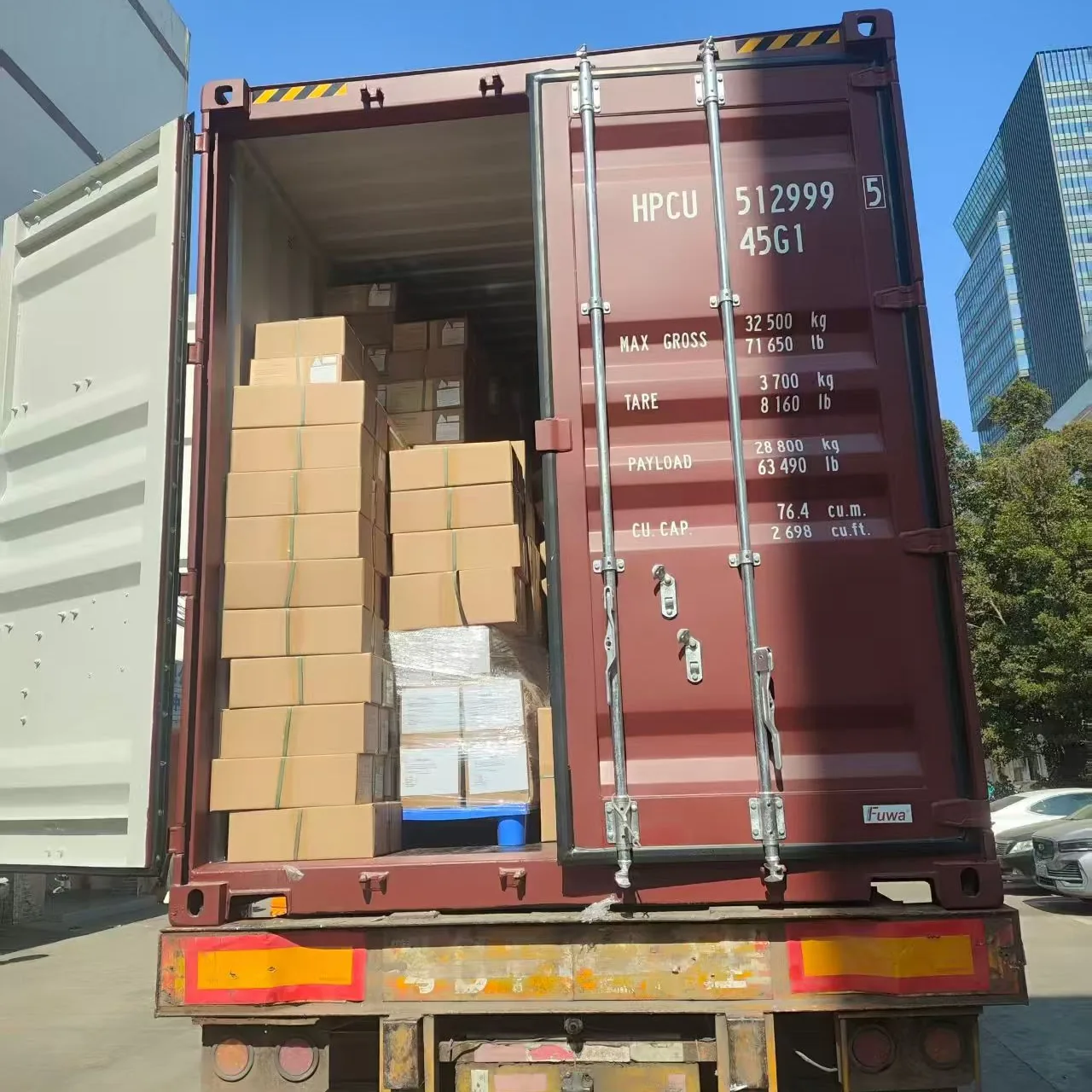
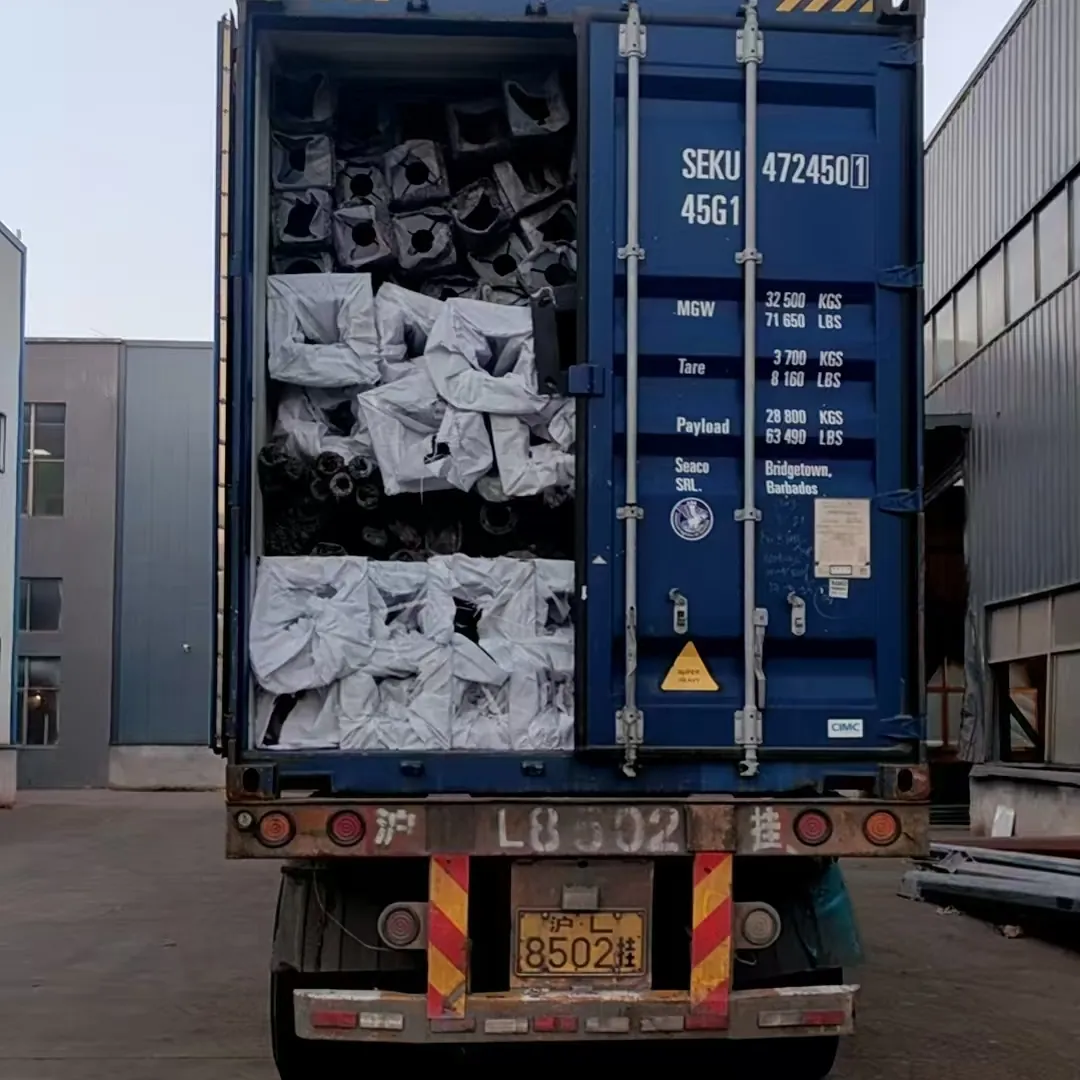
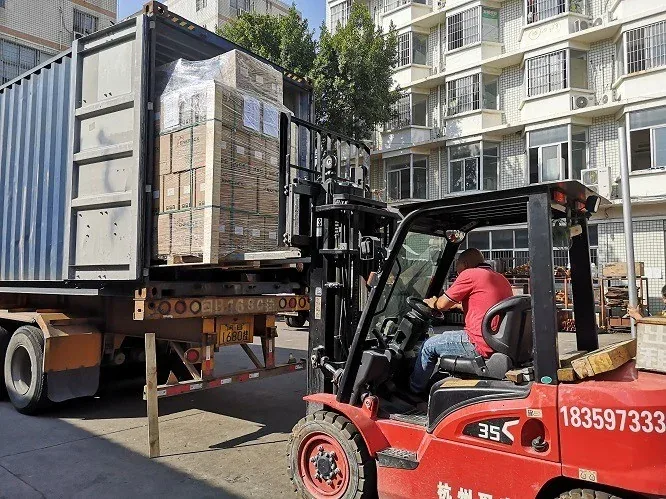
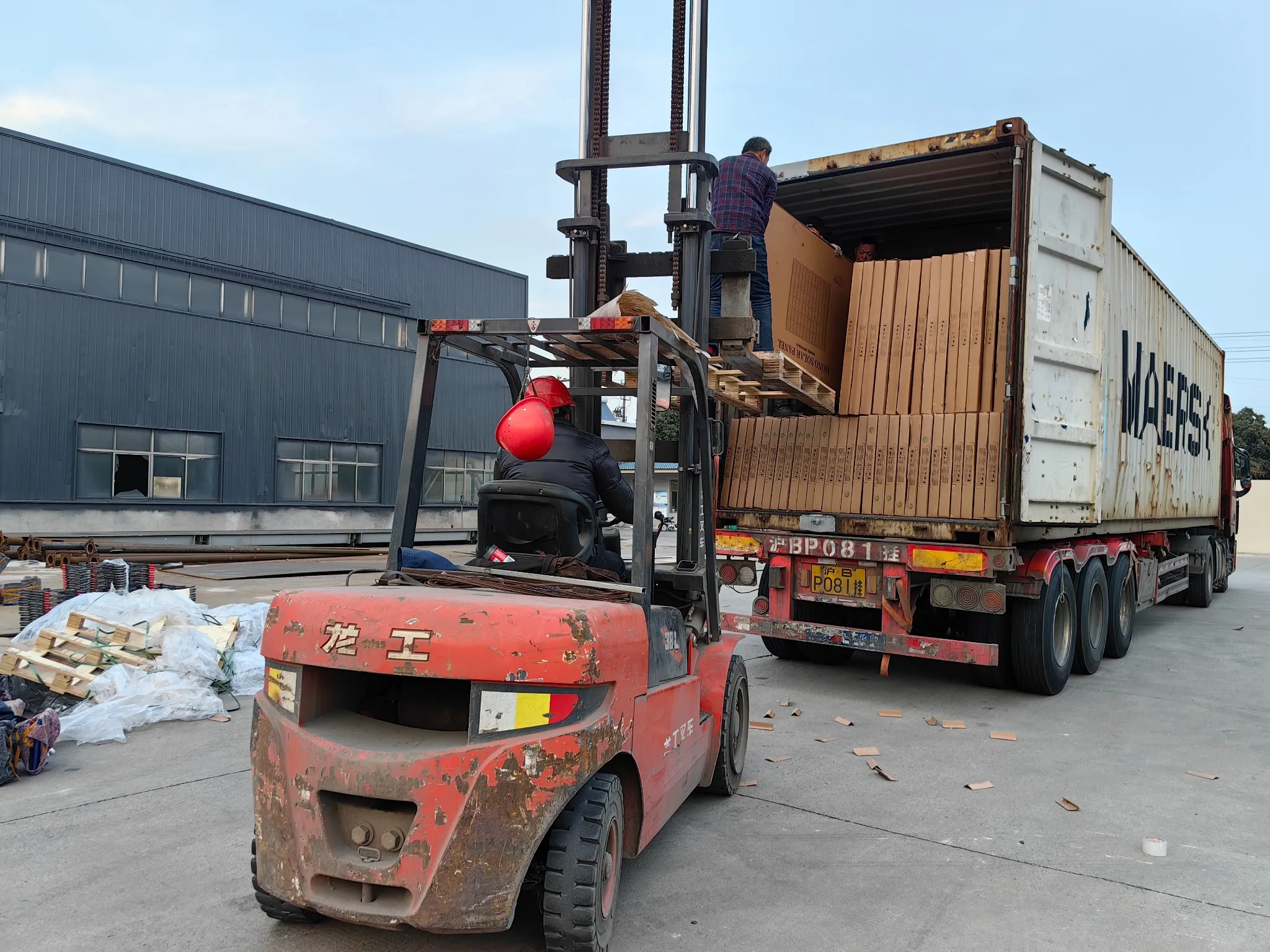
Plan maintenance before the shipment leaves. Agree suitable spare parts and quantities, item labels and the information to include with the goods. At handover, the operator should know which pole corresponds to each device, how to access the agreed controls, and whom to contact for a lighting fault or a platform issue. Clear records also help with later inspections, maintenance reviews and project audits, reducing avoidable disputes when completed work is assessed.
Project References & Quality Support

Projects (Reference Cases)
Explore completed lighting projects to discuss the installation conditions and supply your project needs.

Manufacturing & Quality
See how product checks and batch records help your team check the goods and plan maintenance.

Contact Engineering Team
Send your road layout and control requirements. We can help you plan the lighting and system connections.

Markets & Deployment Conditions
Typical constraints by region—coastal, hot, dusty, and heavy-rain environments.
Frequently Asked Questions
What should I confirm first for a smart street light deployment? +
Can the light work normally if the network is unstable? +
What control and dimming options are available? +
How do I choose the right optic (Type II / III / IV)? +
Do you support commissioning and troubleshooting? +
Send what you have; we will help with the next step
You do not need a complete technical specification to start a useful conversation. For an early project, send the location, a road photograph and what you want to improve: dark areas, manual switching, difficult maintenance or limited visibility of faults. Add the approximate quantity and installation height if known. We can help identify the next information needed for an initial configuration discussion.
If you are comparing offers, send the equipment list and the lighting or control requirements that matter to the owner. We can work through the differences in supply and operating arrangements rather than compare the headline price alone. For a tender or a replacement programme, include the relevant pages of the specification and photographs of the existing installation.
The short form below asks for your name, email and message. Use the message to describe the project in your own words. Tell us whether you need a configuration proposal, a document review or help checking an existing platform. Our response can then focus on your next decision, with the proposed equipment and any information still needed explained clearly.
Get in touch with us
Send Your Project Information for Review
Send your location, road photos and the functions you need. We can help you choose the lighting, check platform connections and prepare the equipment list and documents for your project.
- Linrui Business Plaza, Huangdao District, Qingdao,China
- 0532-83978013
- 0532-83978023
- 0086-18653218098
- info@sunlurio.com
- Mon - Fri: 9:00am - 6:00pm