
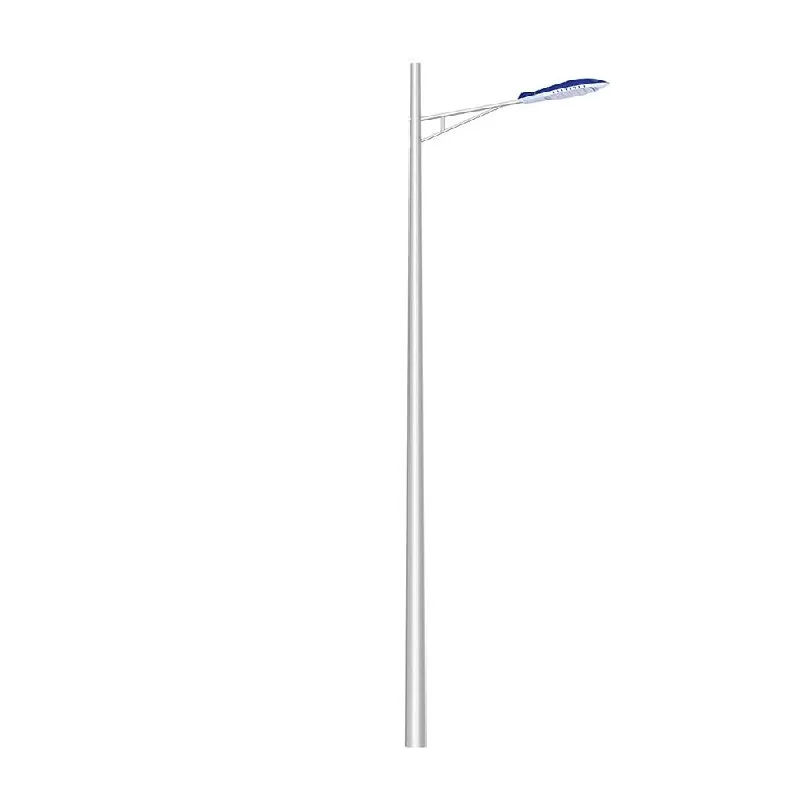
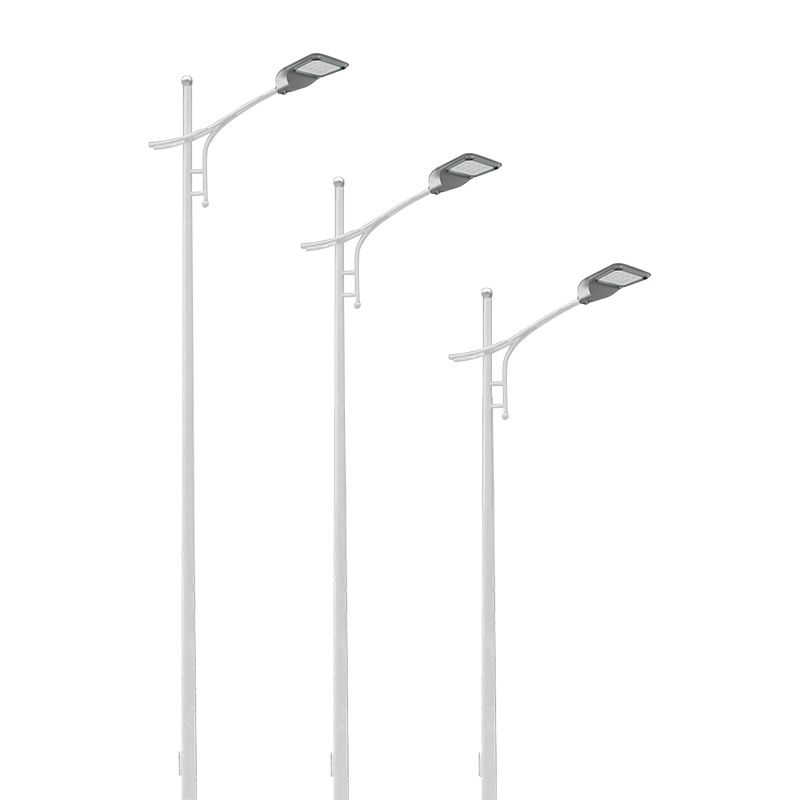
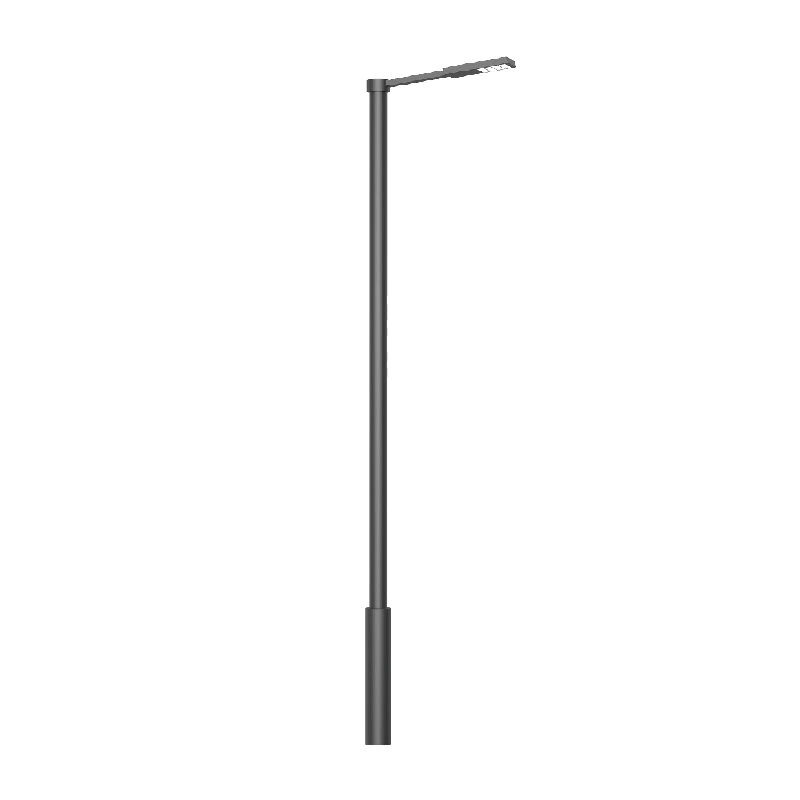
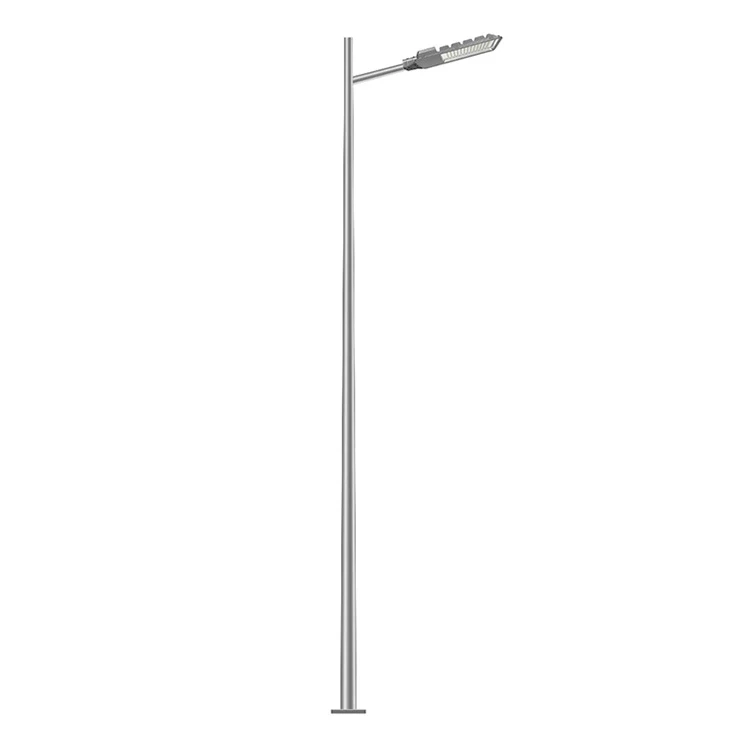
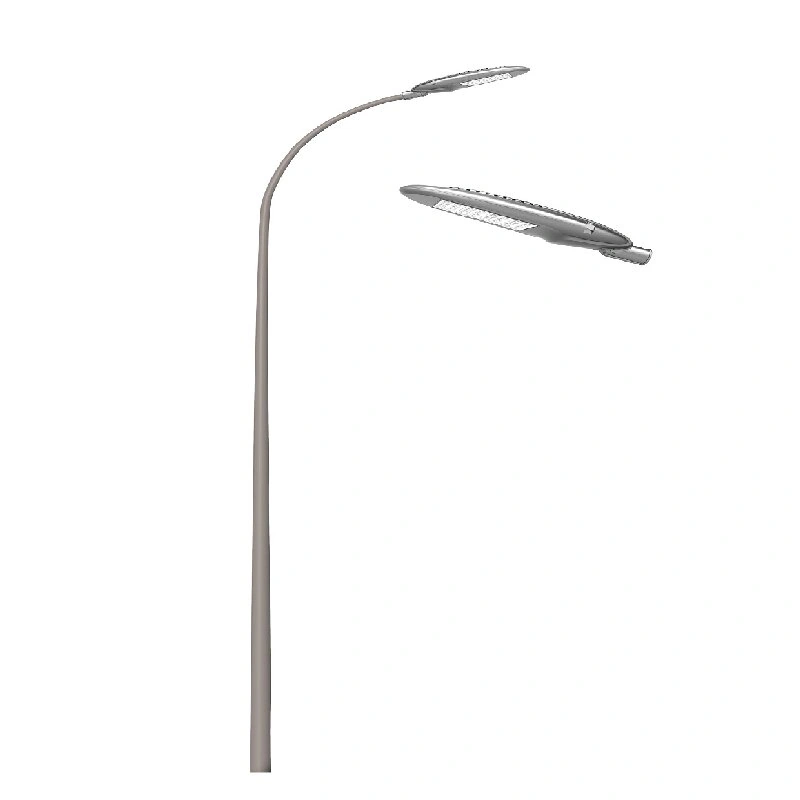
SL-EPLUS Series AC LED Street Light
If you are keeping the existing poles, send a photo and the arm diameter. We can review the mounting fit and match the selected optic to its IES file for your road layout.
Plan the Light, the Mounting and the Delivery
- Lighting selection: We help compare mounting height, road layout and optics for the result you need.
- Poles and hardware: We help coordinate the pole, base plate, arm bracket and anchor-bolt information for the package being quoted.
- Driver options: We review the driver, supply voltage and control requirements with your team.
- Installation planning: Mounting details help your contractor check the connection before delivery.
- Export packing: We can provide packing information for shipment and receiving plans.
Start with the Road You Need to Light
New road or existing poles?
For a new road, tell us the country, road width, planned pole height and how the poles will be arranged. A drawing is useful, but a site photo or simple sketch also helps us start. We can help you identify which measurements the lighting reviewer needs and compare a suitable SL-EPLUS arrangement with your budget and installation plan.
For replacement projects, include photos of the existing light and arm. Note which poles will stay and whether the wiring or control cabinet is being renewed. This helps us separate a luminaire-only quotation from a package that also needs brackets, poles or foundation hardware. You can compare the same supply scope across quotations and avoid discovering missing installation parts after delivery.
Judge the result on the road
Wattage tells you how much electrical power a luminaire uses; it does not show where the light lands. We help review road width, mounting height, spacing and arm direction together with the lighting target. The local road-lighting standard or the owner’s specification gives the starting point for the required light level and uniformity.
If the owner has not given a target, we can help identify the information to discuss with them. An IES-based layout can show the brighter and darker parts of the road, pedestrian areas and possible spill beyond the boundary. That makes it easier to discuss the expected result before choosing an optic or comparing prices. Useful light and a practical layout matter more than a larger number on the product label.
Keep the Existing Poles Where They Fit
Check the arm before ordering
Send the arm’s outside diameter, insertion length and angle, together with a close photograph of the connection. If measurements are difficult, ask the installer to include a ruler in the photograph. We can help compare the mounting arrangement with the luminaire interface and identify whether a different bracket or adaptor should be included in the quotation.
The condition of the pole also matters. Ask the site team to check corrosion, loose connections, access doors and the existing electrical supply before committing to reuse. For a new pole package, share the pole drawing, arm arrangement, base plate and anchor-bolt requirements. We help coordinate the lighting hardware information with your installer and project engineer, reducing the chance that otherwise usable equipment arrives with an incompatible connection.
Match the driver to your site
Tell us the supply voltage, switching arrangement and any known outages or surge problems. We can help review the driver option, surge protection and control interface for the proposed equipment. If your tender names a driver brand, include the model or required features too. Output current, power setting and compatibility with the LED module are important parts of that comparison.
For photocell, dimming or connected control, tell us how the lights will be operated and who will maintain the system. We help clarify the controller, socket and wiring requirements before the sample is agreed. This gives the installer and purchaser a clearer component list, instead of leaving a familiar brand name to stand in for the complete electrical configuration.
SL-EPLUS Configuration Reference
| Series | SL-EPLUS (AC LED Street Light) |
| Power | By configuration (confirm before order) |
| Luminous Efficacy | By configuration (targeted per project needs) |
| Input Voltage | 100–240 VAC (50/60 Hz) or as requested |
| Power Factor | ≥ 0.95 (typical) |
| Surge Protection | Optional SPD level by configuration (confirm requirement) |
| IP Rating | IP66 (typical) |
| IK Rating | By configuration (confirm before order) |
| CCT | 2700K / 3000K / 4000K / 5000K / 5700K / 6500K (options) |
| CRI | Ra ≥ 70 (default) / Ra ≥ 80 (optional) |
| Operating Temperature | -40°C to +50°C (typical) |
| Optics / Beam Angle | Type II / Type III / Type IV (by application) |
| Mounting Option | Side entry or vertical pole mounted |
| Driver | Isolated driver option (reliability-focused) |
| Control (Optional) | Photocell / Motion sensor / 0–10V / DALI / Smart controller (by configuration) |
| Certifications | CE / RoHS (others available by configuration & market requirement) |
| Warranty | 5 years (standard) / extended warranty available by terms |
Have a specification with different requirements? Send it with the road layout. We can help compare the requested input voltage, light colour, impact protection and control method with the equipment being proposed. This reference gives you the subjects to discuss; your quotation can identify the selected components and the supporting product information together.
For a road-lighting review, ask for actual input power and whole-luminaire lumens at the proposed setting, together with the relevant optic and photometric file. If the project requires dimming, explain the operating schedule as well. We help bring these details into the same proposal so that the purchaser, lighting reviewer and installer are discussing the same equipment.
Installation Support
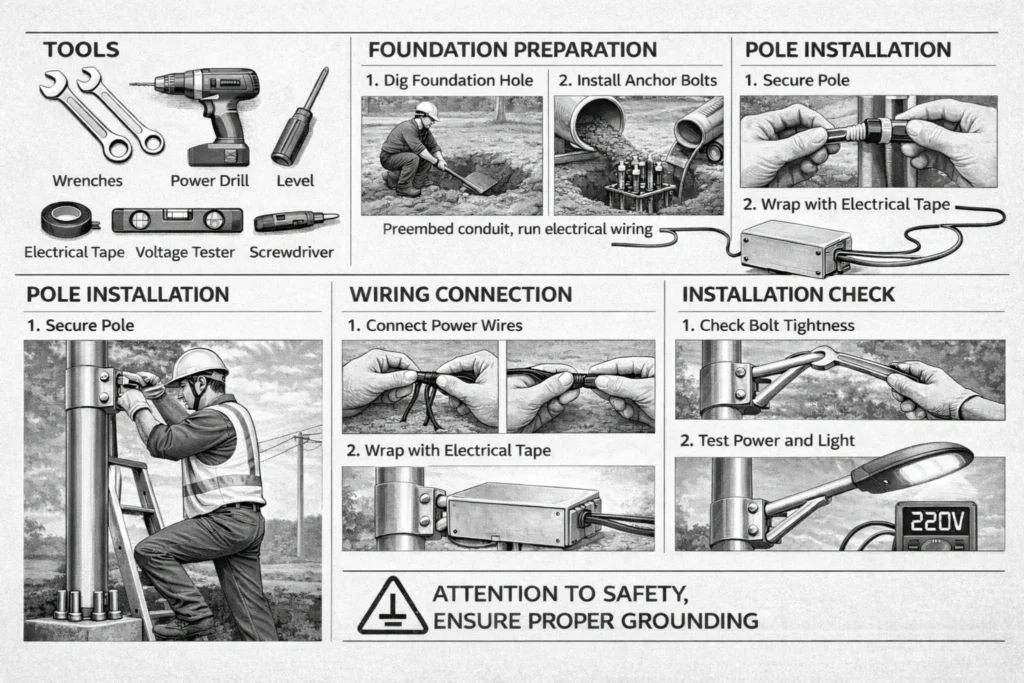
We provide an installation manual for this AC LED street light series, with installation video and remote guidance when needed. Send a photo of the existing pole and arm, or your new pole drawing, so we can help check the mounting arrangement before equipment reaches site.
We review pole height, arm diameter, bracket angle and site power supply with your team. We can then help match the installation drawing and photometric file to the equipment being quoted. For new poles, share the foundation and anchor-bolt requirements with the project engineer so that the civil and lighting packages fit together.
Optics Options (Type II / Type III / Type IV)
Packaging & Shipping
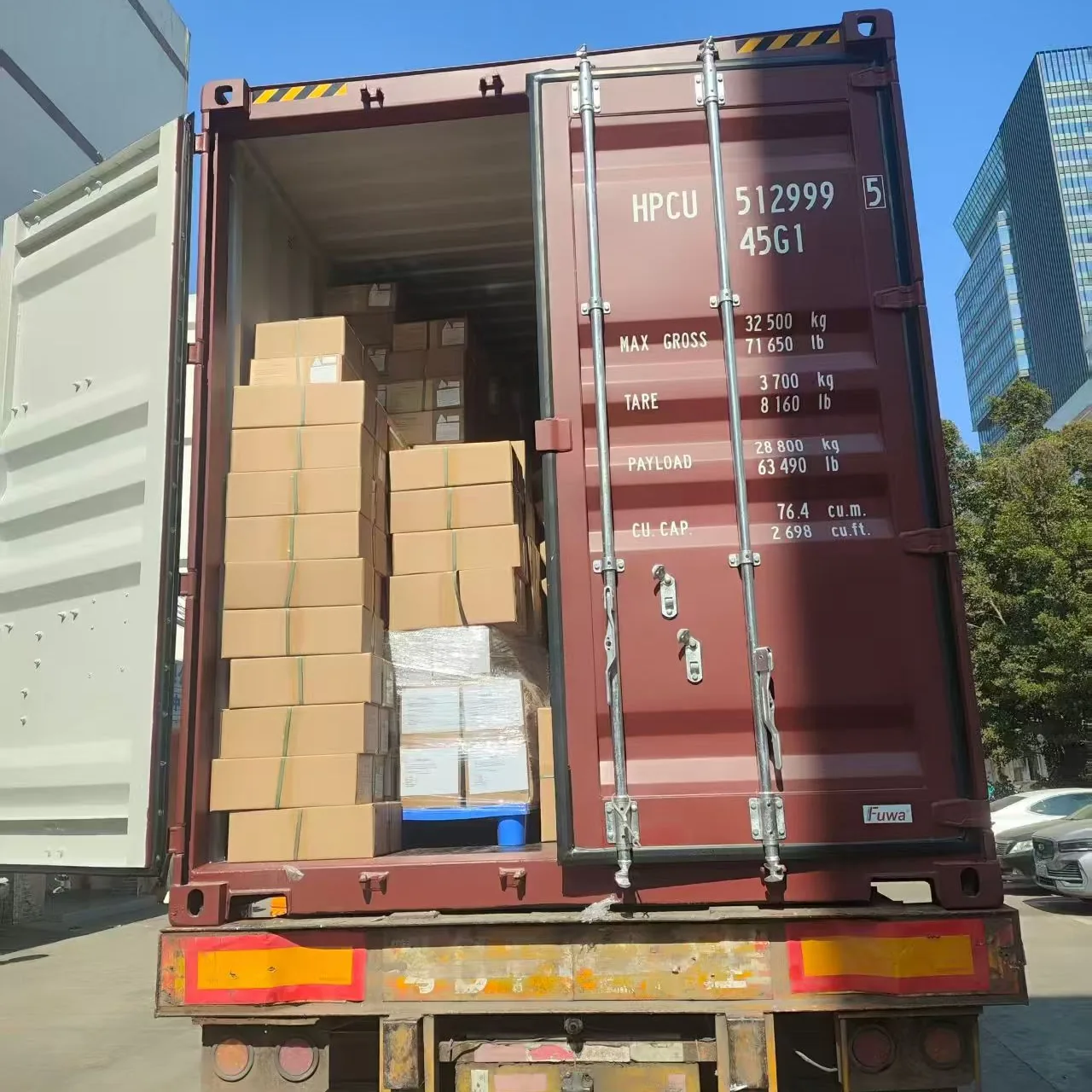
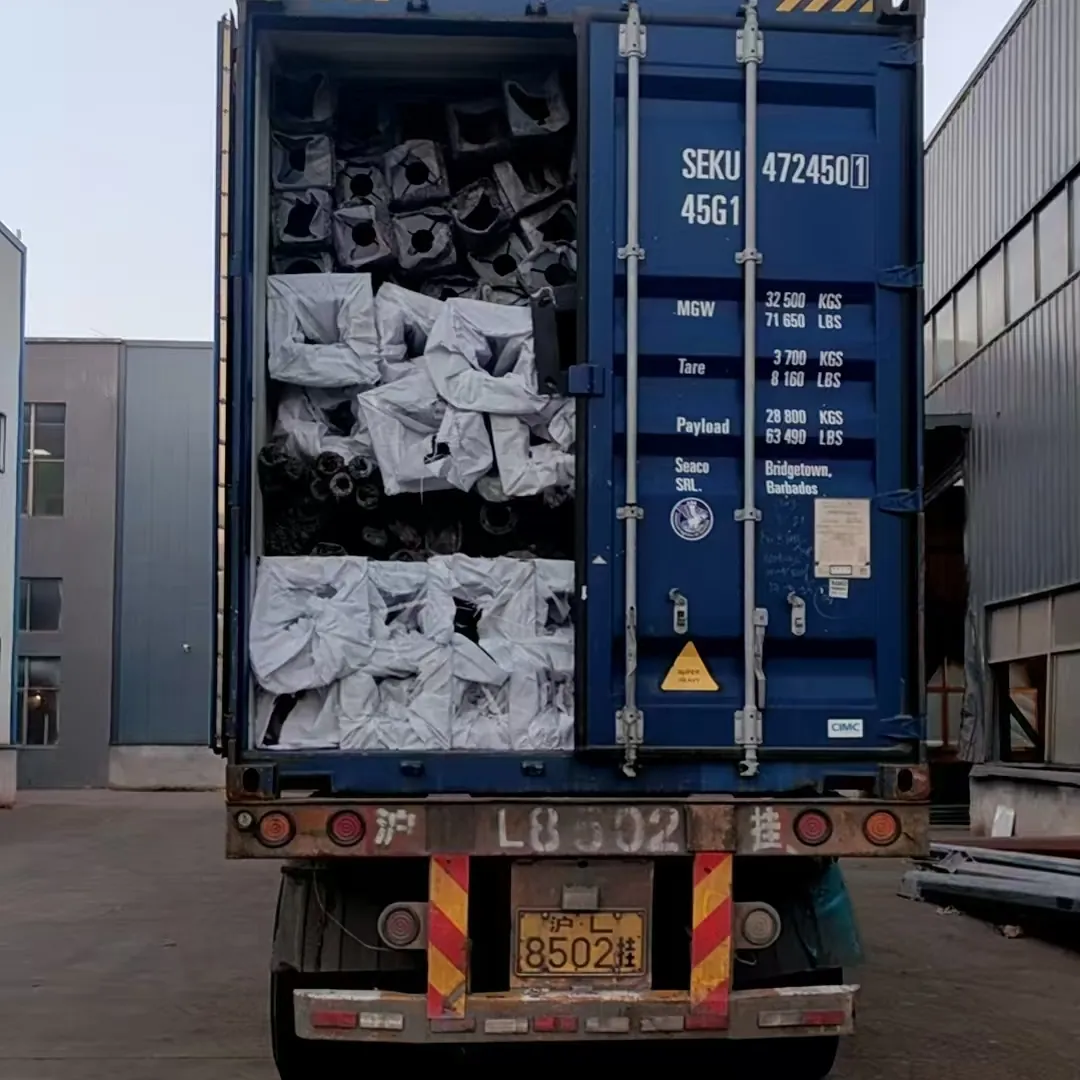
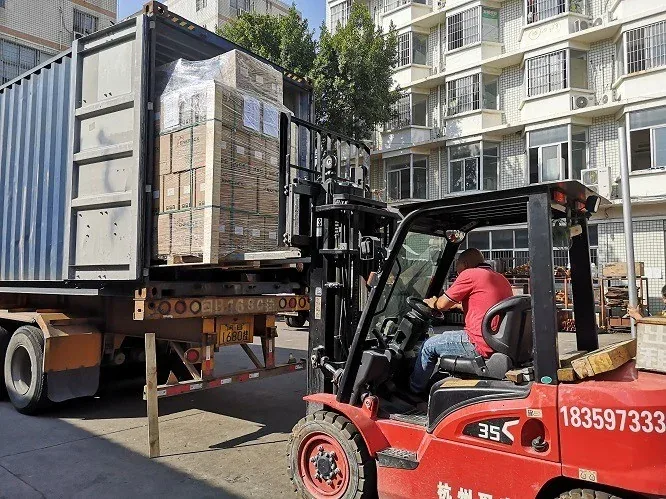
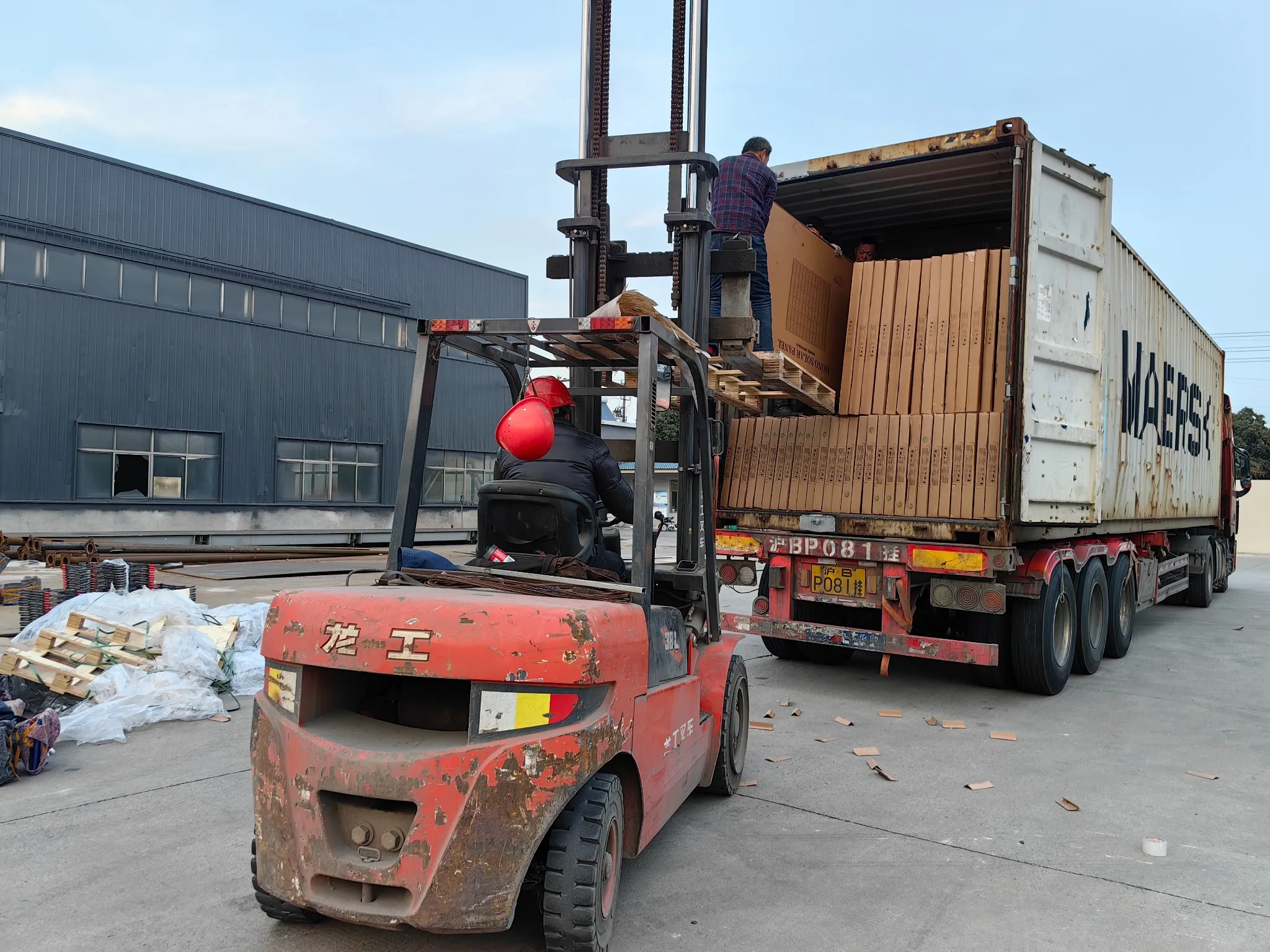
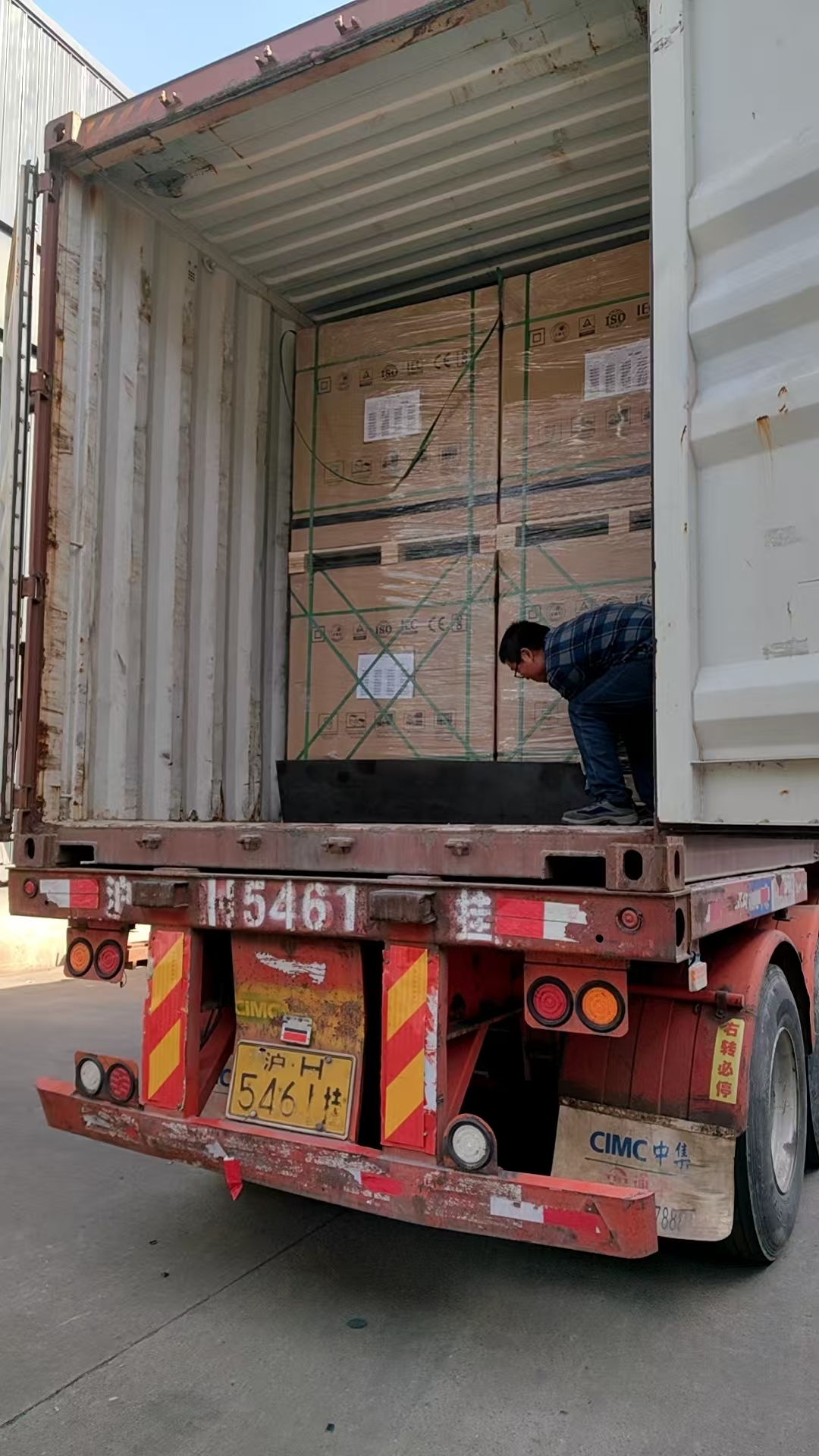
These photographs show our wider lighting packing and loading experience. For your SL-EPLUS order, we agree the carton marks, packing list and protection needed for the quoted equipment, so the receiving team can identify each batch and check quantities.
Project Experience & Engineering Support

Project Photos
See project photos and how lighting is arranged for different sites.

Quality Checks
See how we organise component checks, testing and batch records to help you review an order before shipment.

Lighting Support
Send your road width, pole height and spacing if you have them. We can help you choose an optic and identify the IES file for that configuration.

Site Conditions
Tell us about coastal exposure, heat, dust or heavy rain so we can help review the housing, coating and electrical protection.
Compare the Quotation with the Equipment
Make the supply scope easy to compare
Ask for the luminaire, mounting parts and any additional pole equipment to be identified separately. A light-head replacement and a complete pole package involve different quantities, packing and installation work. We help clarify which brackets, poles, anchor bolts, cables and spare parts belong in your quotation, and which items your site contractor plans to supply.
Compare actual input power, whole-luminaire light output, optic, driver and control options alongside the price. Check that quantities and the required documents are included on the same basis. If you have competing offers, share the specifications you are comparing. We can help identify meaningful differences in the equipment and supply scope, so the purchasing decision reflects the project you need to deliver rather than only the lowest unit price.
Prepare documents for the proposed configuration
Send the BOQ, technical specification and submission deadline. We can help organise the relevant datasheet, dimensional information, photometric files and technical clarifications for the proposed equipment. Where a reviewer needs test reports, identify the requested standard and document format early, so the available information can be checked against the submission list.
The report and lighting file should describe the luminaire, optic and operating power being offered. LED component data can help explain the light source, while the whole-luminaire information helps your reviewer assess the assembled product. We help connect those documents to the quotation and sample, making it easier for your consultant or client to see what is being proposed and ask focused questions before procurement.
Agree the Sample, Then Plan the Handover
Keep the approved equipment consistent
We work with you to agree the sample and main components before production. Use the sample review to check appearance, mounting fit, driver and control details, light colour and the documents your client needs. If the owner or consultant must approve the equipment, include that review in the schedule before confirming the batch.
When a component change is proposed, we discuss it with you before proceeding, so you can obtain the necessary client approval. An agreed component list, sample record and batch identification help the site team recognise what was delivered. They also make later replacement orders and technical queries easier to handle, particularly when the purchaser, installer and maintenance team are different organisations.
Support maintenance and later inspections
Tell us how the lights will be maintained and whether replacement parts need to be held locally. We can discuss useful spare parts and quantities with you before shipment, alongside the warranty terms for the selected configuration. Packing marks and a clear packing list help your receiving team check the delivery and organise equipment for installation.
For handover, we help prepare the agreed product information, installation guidance and equipment records. Keeping these together helps your team answer later maintenance questions, inspections and audit requests. It can also reduce avoidable document disputes during project closeout. The aim is to help you deliver equipment that the owner can identify, operate and maintain, with a clear record of the approved supply.
Frequently Asked Questions
What information should I confirm first before ordering? +
Do you provide an installation manual and installation video? +
Which optics should I select (Type II / III / IV)? +
What control options are available? +
Can I request packing details and shipping documents? +
Find the Right SL-EPLUS Configuration
Send Your Project Information for Review
Tell us where the road is and whether you need new lights or replacements. A photo, sketch or specification is enough to start. We can help identify the missing measurements and prepare a useful lighting proposal.
- Linrui Business Plaza, Huangdao District, Qingdao,China
- 0532-83978013
- 0532-83978023
- 0086-18653218098
- info@sunlurio.com
- Mon - Fri: 9:00am - 6:00pm