
Introduction
Street lighting plays a crucial role in urban infrastructure by ensuring safety and improving mobility. As cities expand, the demand for innovative and efficient lighting solutions grows.
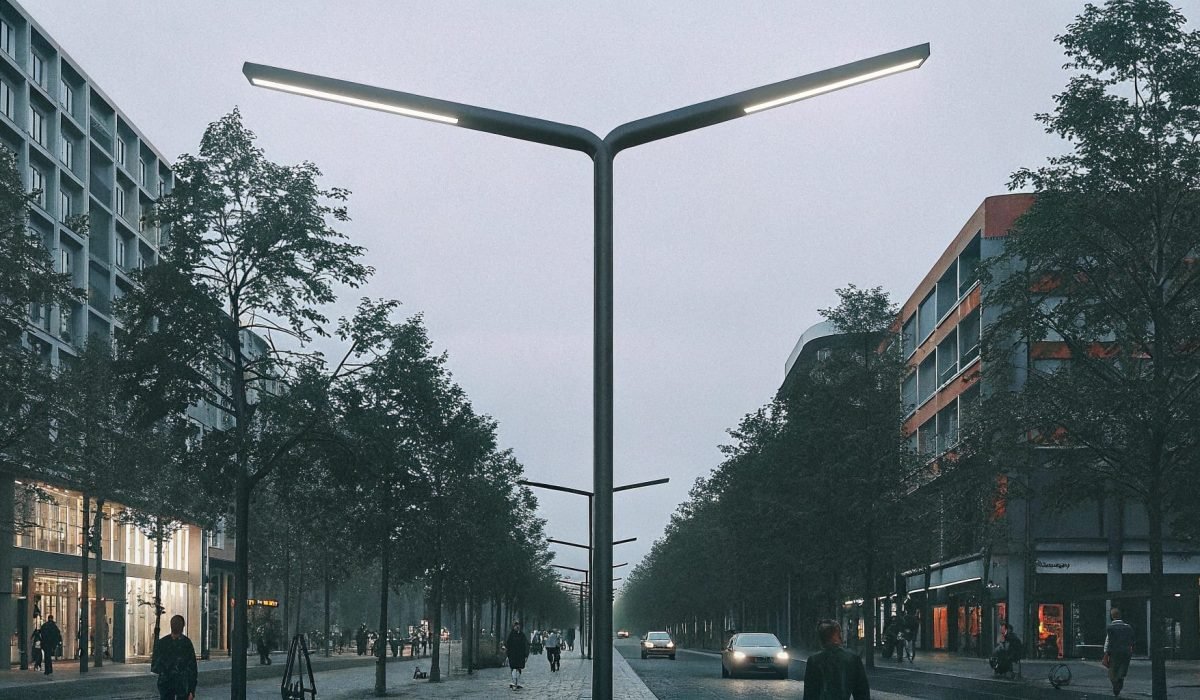
Double-sided street lights provide a project-focused approach to urban illumination, enhancing safety, efficiency, and aesthetic appeal.
This article explores the benefits of double-sided street lights and why they are a practical option in modern urban design.
What Are Double-Sided Street Lights?
Double-sided street lights are fixtures designed to illuminate both sides of a street simultaneously.
Unlike traditional single-sided lights, double-sided street lights offer broader coverage and better illumination for roads and sidewalks.

Structural and Functional Benefits
- Provide even lighting across multiple lanes and pedestrian pathways.
- Reduce the number of poles required, leading to cost savings.
- Improve visibility for both motorists and pedestrians.
Key Advantages of Double-Sided Street Lights
360-Degree Illumination for Comprehensive Coverage
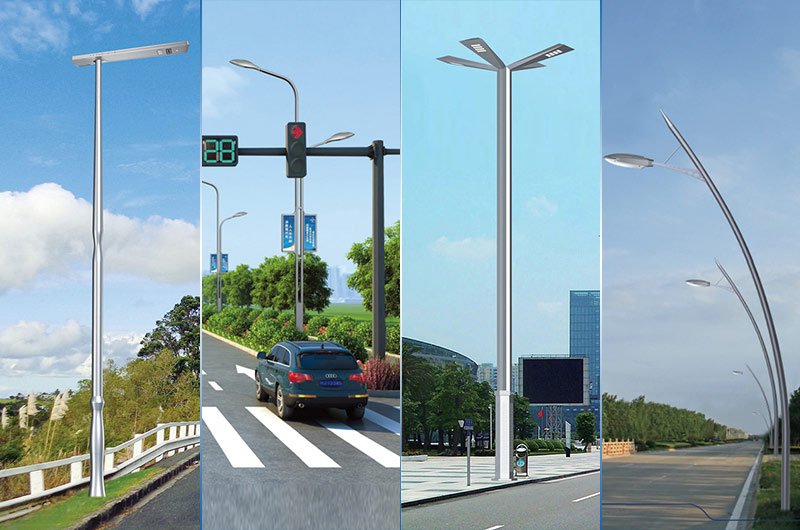
Double-sided street lights eliminate dark spots and blind areas, ensuring uniform lighting.
Benefits:
- Enhances visibility for pedestrians and vehicles.
- Improves safety at crosswalks and intersections.
- Reduces crime rates by minimizing unlit areas.
Enhanced Visibility and Road Safety
Improving pedestrian safety and reducing accident risks.
Key Aspects:
- Better illumination for crosswalks and sidewalks.
- Enhanced visibility for motorists, reducing collision risks.
- Reliable lighting performance in adverse weather conditions.
Cost-Effectiveness and Energy Efficiency
Reducing costs while maximizing energy efficiency.
Advantages:
- Fewer light poles required, lowering installation expenses.
- Reduced maintenance costs due to long-lasting fixtures.
- Energy-efficient designs minimize electricity consumption.
Smart City Integration and Adaptive Control
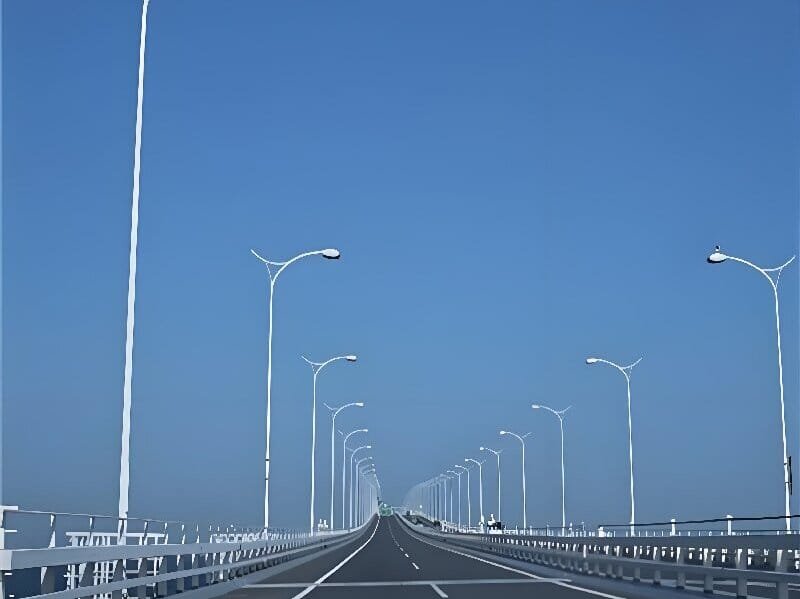
Seamless integration with smart city technologies for optimized lighting control.
Features:
- Real-time monitoring and adjustments based on traffic flow.
- Adaptive brightness control for energy savings.
- Supports sustainability by optimizing energy use.
Aesthetic and Urban Design Enhancement
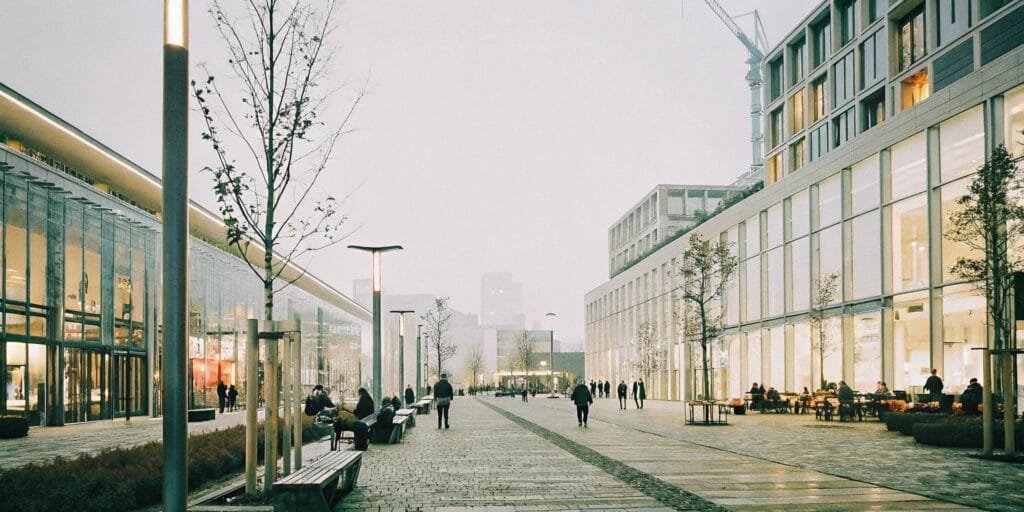
Modernizing cityscapes with visually appealing lighting solutions.
Benefits:
- Provides a sleek, contemporary look to urban areas.
- Ensures uniform and aesthetically pleasing lighting.
- Enhances the nighttime ambiance of public spaces.
Why Cities Should Transition to Double-Sided Street Lights
Case Studies
Municipalities worldwide are adopting double-sided street lighting to improve safety and efficiency.
Cities that have transitioned to this technology report significant cost savings and enhanced public safety.

Economic and Environmental Advantages
- Lower energy costs due to optimized illumination.
- Reduced maintenance and infrastructure expenses.
- Decreased carbon footprint, supporting green initiatives.
Long-Term Impact
- Enhances urban development and livability.
- Creates safer environments for residents and commuters.
- Provides a future-proof lighting solution adaptable to smart city advancements.
Conclusion
Double-sided street lights offer a safer, more efficient, and visually appealing lighting solution for modern cities.
With their 360-degree illumination, cost-saving benefits, and integration with smart city technologies, they are a strategic investment for sustainable urban development.