
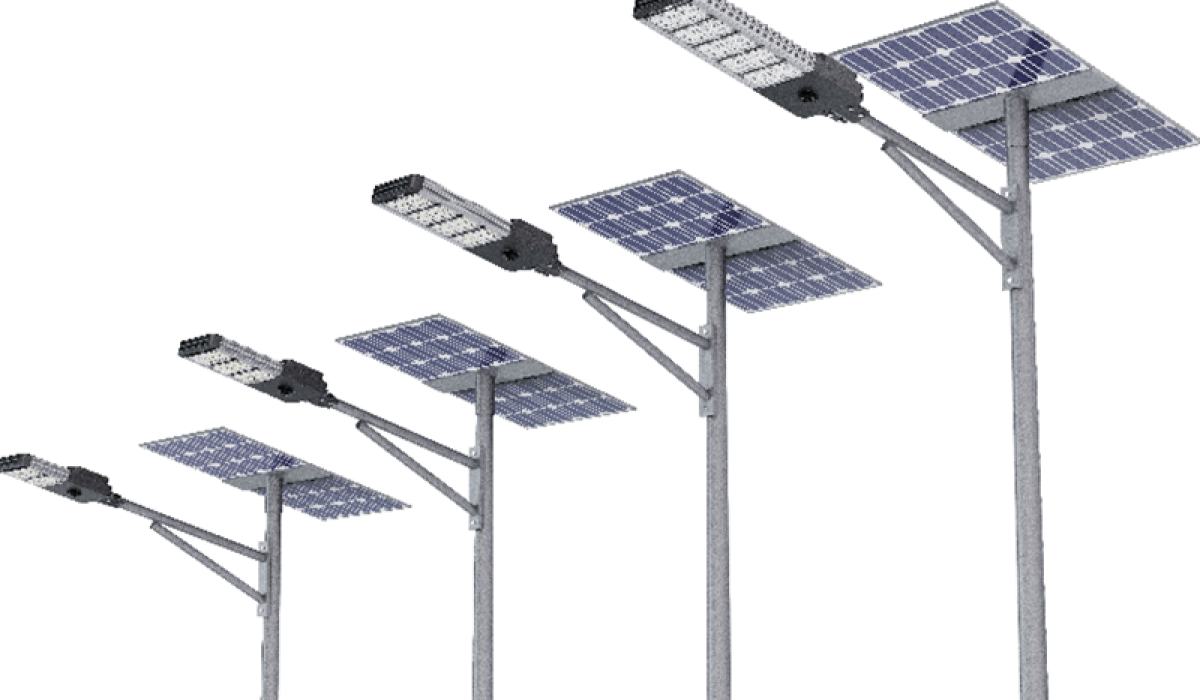
Your practical guide to SONCAP solar light compliance for West Africa exports — written from years of shipping solar street lights into Lagos, Tema, Cotonou, and the rest of the region.
What Is SONCAP for Solar Light Products?
SONCAP is Nigeria’s mandatory conformity assessment program for regulated imports, verifying that solar light products meet basic safety and quality standards before entering the country.
That’s the snippet-friendly definition most EPC buyers search for.
But exporters who’ve handled West African shipments know SONCAP is the real checkpoint that determines whether a container clears customs smoothly — or sits in Apapa Port for weeks.
Which solar lighting products typically require SONCAP?
- All-in-one solar street lights
- Split solar street lights
- Solar flood lights
- Solar panels for lighting systems
- LiFePO₄ / lithium battery packs
- Solar controllers
- LED lamp heads and sometimes poles
Even if the buyer claims they’ll handle SONCAP locally, regulated categories still require an SC (SONCAP Certificate) from the exporter’s side.
Why SONCAP Matters in Solar Light Export to West Africa
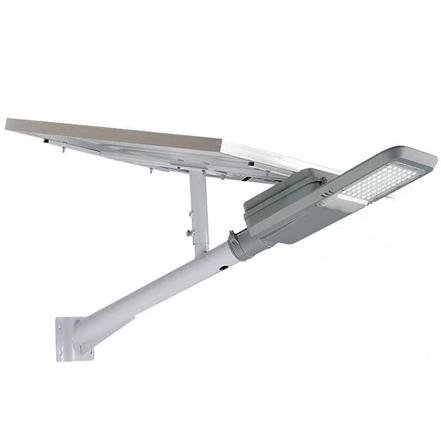
If you’ve shipped into Lagos (Tincan, Apapa), you know customs doesn’t compromise. Solar lights, with batteries and electronics, are strictly regulated.
Why it matters so much?
- Without SONCAP, the goods cannot be cleared.
- SONCAP reduces detention charges and storage fees.
- Pre-shipment conformity minimizes random inspections.
- Projects stay on schedule.
In short:
SONCAP is not paperwork — it’s your insurance for predictable delivery.
SONCAP Solar Light Certification Workflow (Step-by-Step)
This is what most exporters search for when the buyer suddenly asks: "Do you have the SC ready?"
Below is the complete workflow we use for each solar lighting shipment.
3.1 Pre-Shipment Preparation for SONCAP Solar Light
Align documentation before testing:
- Model numbers (consistent format)
- PV panel wattage
- Battery specifications
- Controller specifications
- LED lumen output
- IP rating
- Mechanical structure (AIO / split)
A model mismatch between label and test report is enough to hold an entire container.
3.2 Required Documents for SONCAP Solar Light Certification
| Document | Why It Matters |
|---|---|
| Product specification sheet | Base reference for testing and compliance |
| Test reports | Proof of safety and performance |
| Commercial invoice | Must match SC information |
| Packing list | Confirms model and quantity consistency |
| Product photos | Confirms declared model equals physical label |
| BOM | Confirms internal components |
| Factory compliance evidence | Occasionally required |
Missing docs are the leading cause of delays.
3.3 Product Testing Requirements for Solar Light Compliance
Tests cover:
Battery Safety
- Overcharge protection
- Short-circuit resistance
- Thermal behavior
- BMS protection
Solar Panel Testing
- Output consistency
- Durability of materials
LED + Driver Tests
- Lumen output
- Efficiency rating
- Thermal performance
Durability Requirements
- IP rating
- Mechanical strength
Avoid inflated datasheets that fail to match test results.
3.4 Application for the SONCAP Certificate (SC)
Submit:
- Testing reports
- Invoice
- Packing list
- Photos
- Final technical specs
Timeline: 3–7 days if consistent.
Delays are usually caused by mismatched model codes, unclear HS codes, missing details, or contradictory documents.
3.5 Verification and Final Shipment Clearance
Customs checks:
- SC number
- HS code
- Model numbers
- Quantities
- Invoice
- Test reports
A mismatch like “SL30” vs “SL-30” can cause a hold.
Key Compliance Considerations for SONCAP Solar Light Products
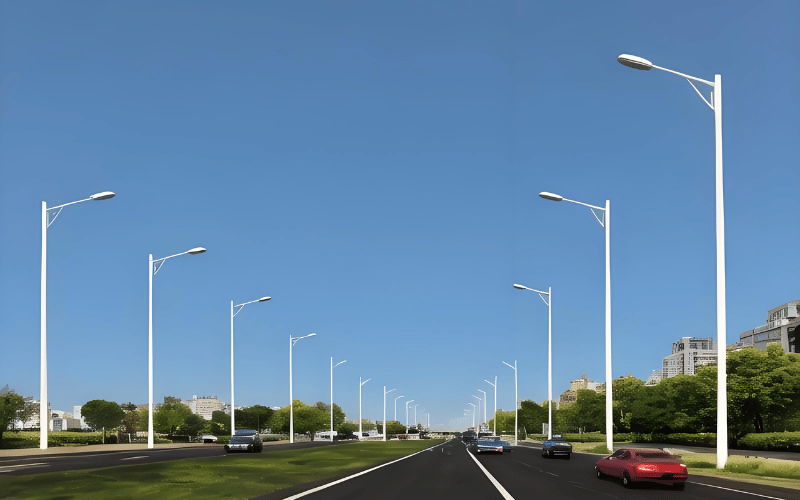
Critical sensitive areas:
- Electrical safety accuracy
- Battery integrity
- Lumen output consistency
- Labeling accuracy
- Batch traceability
Mini Compliance Checklist
- [ ] Consistent model naming
- [ ] Identical battery specs in all documents
- [ ] Realistic lumen data
- [ ] Updated product photos
- [ ] Invoice, packing list, and test report fully aligned
Common Issues in SONCAP Solar Light Certification (and How to Solve Them)
5.1 Inconsistent Product Specifications
If the test report says 30W but the invoice says 40W, your SC will be rejected.
Fix: create a master spec sheet and freeze the model name before testing.
5.2 Delays in Document Review
Typical causes:
- Vague datasheet
- Wrong HS code
- Missing battery details
- Inconsistent product categories
Solution: prepare a “verification-ready” document pack.
5.3 Testing Failures for Solar Light Components
Common failure points:
- BMS protection issues
- Low lumen results
- Poor waterproofing
- PV inconsistencies
Fix: improve QC, run internal pre-tests, optimize seals, re-test.
5.4 Customs Hold Due to SONCAP Code Issues
Usually caused by:
- Model name mismatch
- Wrong invoice reference
- Quantity inconsistencies
- Wrong HS code classification
Prevention: cross-check every document before shipment.
Frequently Asked Questions About SONCAP Solar Light Certification
1. Do all solar light products require SONCAP?
Most regulated solar lighting categories do.
2. How long does SONCAP take?
Typically 3–7 days.
3. Can one test report cover multiple models?
Only if models share identical electrical and structural specs.
4. What happens if a shipment arrives without SONCAP?
The cargo cannot clear customs.
5. Are spec changes allowed after testing?
No — any change requires re-testing.
6. Can small orders skip SONCAP?
No.
7. Do poles need SONCAP?
Sometimes, depending on HS code classification.
8. Is battery testing strict?
Very — batteries are the highest-risk component.
9. Which documents must match exactly?
Invoice, packing list, label, and test report.
10. How to prepare for durability testing?
Ensure IP seal quality and thermal management.
Practical Tips to Speed Up SONCAP Solar Light Approval
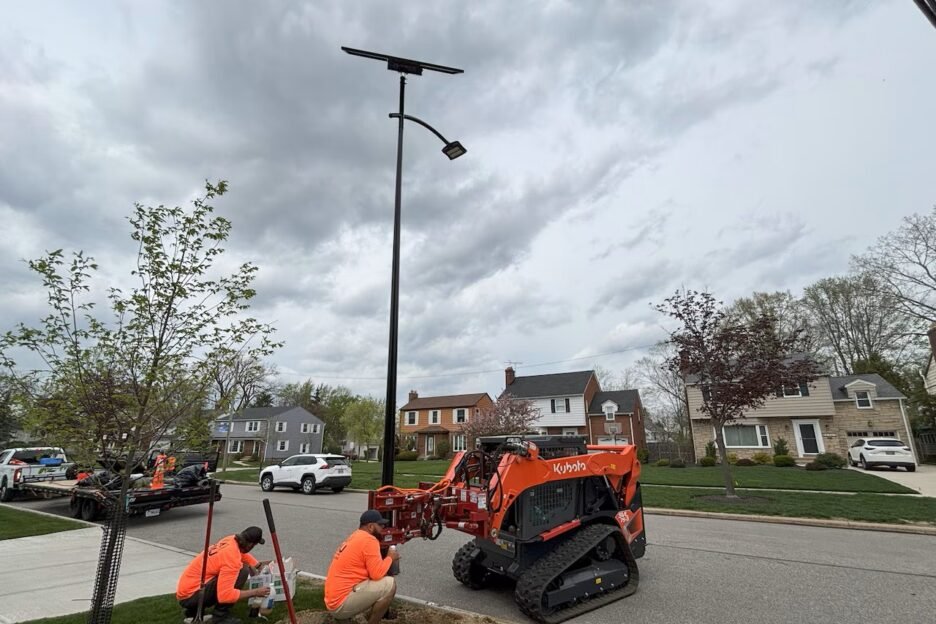
- Prepare datasheets early
- Freeze all product specs before testing
- Keep product photos up to date
- Maintain a unified master spec file
- Ensure exact naming consistency
- Align invoice, packing list, and test report
- Pre-test battery and lumen performance
- Maintain traceability per batch
Quick Checklist
- Confirm final specs
- Prepare documents
- Submit testing
- Match invoice with test report
- Apply SC
- Re-check models
- Ship
Conclusion: Ensuring Smooth Solar Light Export With SONCAP Compliance
SONCAP looks complex, but with proper preparation it becomes a predictable workflow.
A complete SONCAP submission speeds up customs clearance, avoids detention fees, protects your buyer relationships, and keeps municipal road lighting projects on schedule.
Prepare early, align all documents, and treat SONCAP as part of export engineering — not last-minute paperwork.