
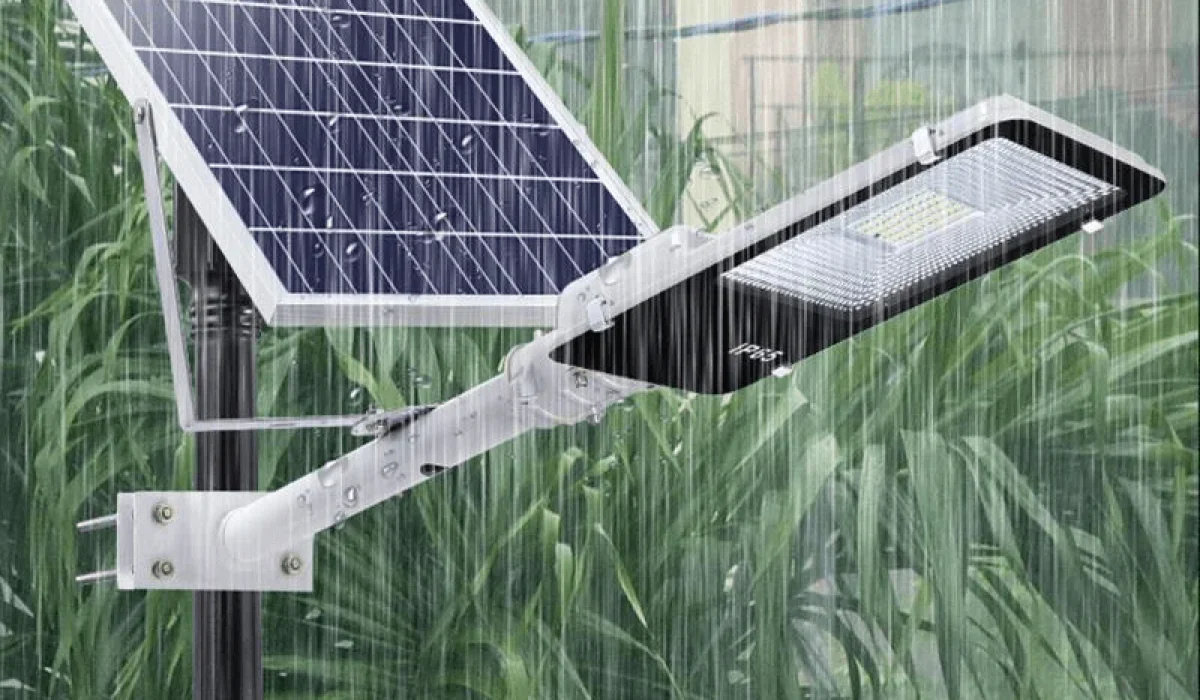
Practical guide for EPC contractors, municipal buyers, and project teams who want to understand why LED lighting stays efficient over time, what really affects long-term performance, and what buyers should check before choosing a luminaire for road, solar, and outdoor projects.
Quick Answer
LED lights stay efficient over time because they convert electricity into light more directly than traditional lamps, generate less wasted heat, and can maintain useful light output more consistently when the full luminaire system is designed correctly.
But in real projects, the better question is not only:
“Are LED lights energy efficient?”
It is:
“Will this LED luminaire still provide stable light output, acceptable maintenance intervals, and practical lifecycle value after years of outdoor service?”
That question matters because long-term efficiency is influenced not only by the LED chip itself, but also by:
- thermal management
- driver quality
- optical material stability
- ingress protection
- ambient temperature
- operating hours
- application fit
For municipal, EPC, and solar projects, that is the difference between a product that looks efficient on paper and a system that remains practical in service.
Need help comparing LED lighting options for a road, municipal, or solar project?
Send us your application type, operating hours, ambient conditions, and project requirements for a practical engineering review.
Request Engineering Support →
Why Long-Term LED Efficiency Matters
In many lighting projects, decisions are still made too heavily on:
- upfront price
- wattage
- headline lm/W
- a generic “50,000-hour” claim
But real project value is shaped over time by:
- electricity consumption
- lumen depreciation
- thermal stress
- driver stability
- maintenance frequency
- replacement cost
- downtime risk
- lifecycle cost
That is why long-term LED efficiency matters so much in:
- municipal street lighting
- solar street lighting
- park and pathway lighting
- industrial yards
- logistics facilities
- public infrastructure
- commercial exterior lighting
A luminaire that looks efficient on day one but loses output quickly, runs too hot, or suffers early driver failure may not deliver the lifecycle value the buyer expected.
For this reason, many experienced buyers look beyond a simple efficiency claim and ask whether the luminaire can maintain useful performance under the real service conditions of the project.
Why LED Lights Stay Efficient Over Time
LED lighting uses solid-state technology, which is one of the main reasons it remains more efficient over long service periods than many older light sources.
1. LEDs Produce Light More Directly
Unlike incandescent lamps, LEDs do not create light by heating a filament until it glows. Instead, they produce light through semiconductor action, which is a much more direct and efficient process.
That means:
- less energy is wasted as heat
- more input power becomes usable light
- the system can operate more efficiently over long running periods
This is one of the main reasons LEDs usually outperform traditional lamps in energy use and service life.
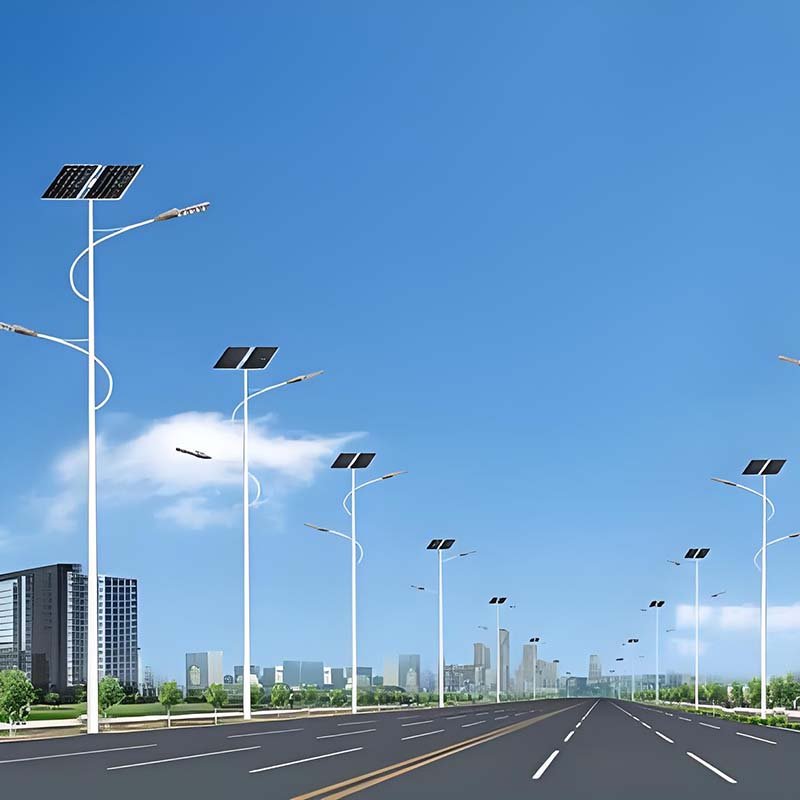
ALT: LED design and internal technology illustration showing why solid-state lighting can maintain useful performance over long service periods.
LED design and thermal-control logic help explain why solid-state lighting can maintain useful performance over long service periods.
2. Lower Heat Helps Preserve Performance
Heat is one of the biggest enemies of lighting reliability. Excessive heat can accelerate:
- lumen depreciation
- driver failure
- optical aging
- sealing stress
- material degradation
- shortened useful life
LED systems generally produce less wasted heat than traditional lamps. More importantly, well-designed LED luminaires use heat sinks, thermal paths, housing design, and component layout to keep temperature under control.
That matters because a high-efficiency LED chip alone does not guarantee good long-term performance. If the luminaire cannot manage heat properly, real-world efficiency will decline faster than the datasheet suggests.
3. Solid-State Construction Reduces Fragility
LEDs do not rely on fragile filaments or gas-filled tubes. Their construction is generally more robust under:
- transport vibration
- outdoor installation
- road-side structural movement
- long operating hours
- repeated switching
- extended service exposure
This is especially relevant in:
- street lighting
- solar street lights
- industrial environments
- infrastructure projects with long design-life expectations
What Actually Helps an LED Light Maintain Efficiency Over Time?
Not all LED products age equally. Long-term efficiency depends on the complete luminaire system, not just the LED label or a marketing claim.
Key Factors That Affect Long-Term LED Performance
| Factor | Why It Matters |
|---|---|
| LED package quality | Better LED packages usually support more stable efficacy and lumen maintenance |
| Thermal design | Poor heat dissipation accelerates degradation and reduces long-term stability |
| Driver quality | Weak drivers often become an early failure point in outdoor luminaires |
| Optical materials | Lens, diffuser, and cover aging can reduce delivered light and change distribution |
| Housing and sealing | Better IP protection helps reduce dust, moisture, and contamination-related problems |
| Surge protection | Outdoor power quality and surge exposure affect long-term electrical reliability |
| Operating environment | High temperature, dust, humidity, corrosion, and salt exposure accelerate aging |
| Application fit | A luminaire that suits one site may underperform in another if conditions differ |
This is why project teams should review the entire luminaire design, not just:
- wattage
- initial lumens
- headline lm/W
- catalogue lifespan claims
Why “High lm/W” Does Not Tell the Whole Story
A common procurement mistake is assuming that a high initial efficacy number automatically means strong long-term efficiency.
It does not.
A luminaire may show an attractive day-one lm/W figure and still underperform later because of:
- poor thermal path design
- weak driver reliability
- optical yellowing
- dust or moisture ingress
- inadequate surge protection
- mismatch with the ambient environment
In real outdoor service, the buyer is not paying only for an initial laboratory number. The buyer is paying for useful light over time.
That is why experienced reviewers often ask:
- How is heat managed?
- What is the driver configuration?
- What is the expected lumen maintenance basis?
- Is the luminaire suitable for this ambient condition?
- Does the protection design match the site risk?
Why Thermal Design Matters More Than Many Buyers Expect
In many outdoor lighting projects, thermal design is one of the most overlooked factors in long-term efficiency.
What Poor Thermal Management Can Cause
- faster lumen loss
- shorter driver life
- reduced electrical stability
- color shift
- shorter useful service life
- lower real-world efficiency over time
For outdoor and solar projects, this becomes even more important because the luminaire may face:
- strong solar gain
- high daytime enclosure temperature
- high ambient temperature at night
- dust accumulation on surfaces
- enclosed housing conditions
- long daily operating hours
In practice, we often see that the problem is not that “LED technology failed.”
The problem is that the luminaire system was not designed well enough for the environment.
What Industry Data Usually Supports Long-Term LED Claims?
Responsible LED evaluation normally goes beyond a simple brochure statement.
In professional project review, buyers may look for evidence related to:
- LM-79 style photometric and electrical performance testing for the luminaire
- LM-80 data for LED package lumen maintenance
- TM-21 extrapolation logic where relevant
- IP and IK protection level
- surge protection level
- thermal management logic
- operating temperature suitability
This does not mean every buyer needs to become a test engineer. But it does mean a serious project review should be based on more than a headline claim such as “high efficiency” or “50,000 hours.”
For tender and project work, the safer approach is to treat long-term LED efficiency as an engineering question, not only a sales statement.
How LED Lights Save Energy Over Time
LEDs are widely used because they reduce electricity demand while still delivering useful light output over long service periods.
Compared with older lighting technologies, LEDs usually offer:
- lower wattage for similar usable light
- lower heat-related loss
- less frequent replacement
- lower maintenance burden
- better controllability
- more stable long-term output when designed correctly
For public and infrastructure projects, the energy savings become much more important because they are multiplied across:
- many luminaires
- long nightly operating hours
- large project areas
- multi-year service periods
That is where long-term efficiency becomes a serious economic advantage rather than only a technical feature.
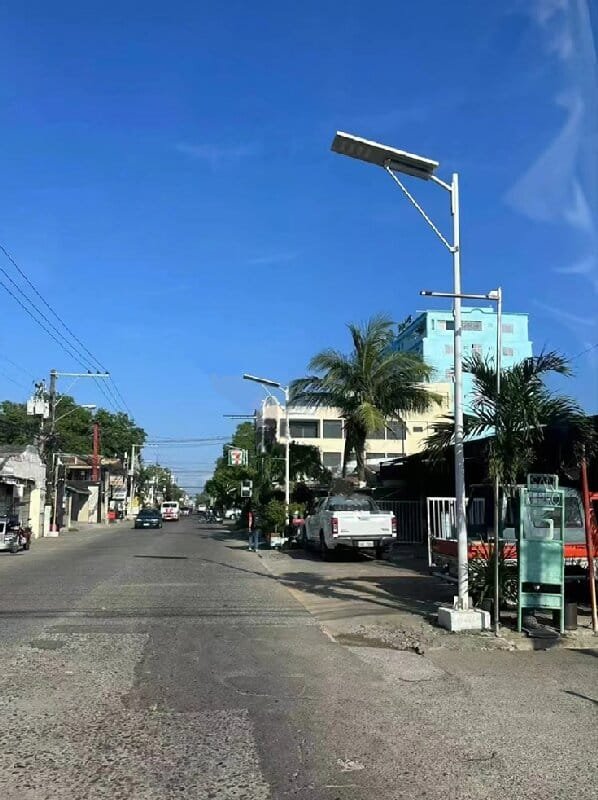
ALT: energy-efficient LED lighting in outdoor application showing long-term energy savings and lifecycle value
Energy-efficient LED lighting reduces long-term electricity demand and can improve lifecycle value in municipal and outdoor projects.
Why LED Lights Usually Last Longer Than Traditional Lamps
One of the strongest reasons LEDs remain efficient over time is that they usually last much longer than traditional lamps.
Typical LED service life is often described in the range of 25,000 to 50,000 hours or more, depending on:
- product design
- component quality
- operating temperature
- driver performance
- environmental exposure
- maintenance assumptions
The practical advantage is not only “fewer replacements.”
It also means:
- lower labour cost
- fewer maintenance disruptions
- more predictable lifecycle budgeting
- lower access cost for high or remote installations
- less pressure on service teams
For municipalities and EPC contractors, that long-life advantage is often just as important as the energy savings.
Why LED Efficiency Matters Even More in Solar Street Lighting
In solar street lighting, long-term LED efficiency matters even more than in grid-powered systems.
That is because LED efficiency directly affects:
- battery size
- solar panel size
- runtime stability
- autonomy performance
- rainy-season resilience
- total system cost
A more efficient and better-managed LED luminaire helps the solar system operate with:
- lower daily energy demand
- more practical battery support
- more stable nightly runtime
- better support during cloudy periods
- lower pressure on the energy balance of the full system
This is why LED efficiency in solar projects should never be reviewed in isolation.
It must be considered together with:
- operating profile
- autonomy target
- battery design window
- seasonal solar resource
- lighting requirement
- maintenance strategy
If the luminaire draws more energy than expected or loses performance faster than expected, the whole solar system may become less reliable over time.
Why System Efficiency Matters More Than Wattage Alone
A buyer may still ask:
“How many watts is it?”
But wattage alone does not explain:
- how much usable light reaches the target area
- how efficiently the system converts power to light
- how stable the output remains over time
- whether the luminaire suits the real application
- whether the runtime is sustainable in a solar system
For project review, the better comparison is usually:
- real delivered lumens
- system efficacy
- optical control
- thermal stability
- driver reliability
- application-specific suitability
That is what makes LED efficiency meaningful in real engineering decisions.
What Project Buyers Should Check Beyond “LED = Efficient”
For real projects, buyers should not stop at the statement that “LED lights save energy.”
They should also review:
- system efficacy, not only chip-level claims
- thermal design
- driver quality
- ingress protection
- surge protection
- expected service life basis
- lumen maintenance assumptions
- optical material stability
- maintenance access
- application suitability
This is especially important in:
- municipal tenders
- solar lighting projects
- industrial sites
- port or coastal environments
- remote infrastructure sites
- long-operating public lighting systems
A better procurement question is:
“Will this luminaire remain efficient and maintain acceptable light output in this environment over the required service life?”
A Practical Buyer Checklist
If you are reviewing an LED luminaire for a road, solar, or outdoor project, start with these questions:
1. Is the efficiency claim based only on day-one data?
Initial numbers are useful, but they do not fully describe long-term performance.
2. How is heat controlled?
Ask about housing design, heat dissipation, ambient suitability, and whether the product is intended for enclosed or high-temperature conditions.
3. What is the driver quality and protection strategy?
Driver reliability often has a major effect on real service life.
4. What supports the lumen maintenance claim?
Check whether the supplier can explain the testing basis or maintenance assumption.
5. Does the protection level suit the real site?
IP, IK, surge, corrosion exposure, and dust risk all influence durability.
6. Is the product matched to the application?
A luminaire that works for a low-risk pathway may not suit a hot highway, industrial yard, or solar off-grid road.
Extra Benefits Beyond Energy Savings
LEDs are often selected not only for energy efficiency, but also for broader lifecycle advantages.
Additional Benefits Often Seen in LED Projects
- lower maintenance frequency
- fewer replacement cycles
- reduced access cost
- reduced downtime risk
- stronger compatibility with dimming and smart controls
- easier long-term operating-profile management
- better overall lifecycle value
These advantages become even more important in projects where lighting is expected to run for many hours every night and service teams want fewer interventions over time.
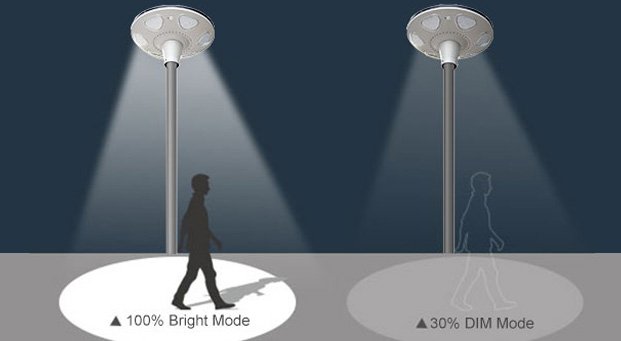
ALT: LED sustainability and long-life outdoor lighting application with fewer replacements and better lifecycle value
Long-life LED systems can reduce replacement frequency, maintenance pressure, and lifecycle waste in outdoor lighting projects.
Common Procurement Mistakes
A few common mistakes still appear in LED lighting procurement:
- judging only by wattage
- judging only by initial lm/W
- ignoring thermal design
- ignoring driver quality
- assuming all LED products age the same way
- comparing purchase price without lifecycle cost
- ignoring operating environment
- treating a datasheet claim as proof of real project performance
These mistakes can turn a theoretically efficient system into a poor long-term investment.
Need help comparing LED systems for a road, solar, or municipal project?
We can help review the luminaire logic, runtime implications, environmental fit, and lifecycle value before procurement.
Ask for a Project Review →
Final Recommendation
LED lights stay efficient over time because their solid-state design, lower wasted heat, and stronger long-term stability help them maintain useful performance more consistently than many traditional lighting technologies.
But for project work, that principle must be applied carefully.
The best LED choice is not only:
- low wattage
- high brightness
- or a long-life marketing claim
The better LED choice is the one that combines:
- credible system efficacy
- reliable thermal design
- stable driver quality
- suitable protection rating
- realistic maintenance logic
- practical lifecycle value for the real site
That is the difference between a product that looks efficient in a brochure and a luminaire that stays efficient in service.
Next Step
If you are reviewing LED lighting for a road, solar, municipal, or infrastructure project, we can help compare:
- efficacy
- thermal logic
- driver reliability
- environmental suitability
- runtime implications
- lifecycle value
- project-fit recommendations
Working on a lighting project that needs better long-term efficiency?
Send us your application type, operating hours, ambient conditions, and project requirements and we can help review the LED system logic.
Get Project Support →
You can also review our related pages:
FAQ
Why do LED lights stay efficient over time?
LED lights stay efficient because they produce light more directly than traditional lamps, generate less wasted heat, and can maintain useful output more consistently when the full luminaire system is designed correctly.
Do LED lights lose efficiency as they age?
Yes. All lighting systems change over time. But well-designed LED luminaires usually maintain useful performance more consistently than many traditional light sources, especially when thermal control and driver quality are good.
Is a high lm/W number enough to prove long-term LED efficiency?
No. A high initial lm/W claim does not guarantee strong long-term field performance. Thermal design, driver quality, optical stability, ingress protection, and environmental fit all matter.
Why is heat so important in LED performance?
Heat strongly affects lumen maintenance, driver lifespan, material aging, and overall luminaire stability. Better thermal management helps LEDs stay efficient for longer.
Do all LED lights age the same way?
No. Long-term efficiency depends on the complete luminaire system, including LED package quality, thermal design, driver quality, optical materials, sealing, and operating environment.
Why do LEDs usually last longer than traditional bulbs?
LEDs do not rely on fragile filaments and usually generate less wasted heat, which helps extend their useful service life in many applications.
What test data can support long-life LED claims?
Professional evaluation often looks at data and logic related to LM-79, LM-80, TM-21, IP and IK protection, surge protection, and thermal suitability, depending on the project requirements.
What should buyers check besides wattage?
Buyers should check system efficacy, thermal design, driver quality, ingress and surge protection, expected service life basis, lumen maintenance assumptions, and application suitability.
Why is LED efficiency especially important in solar street lighting?
Because LED efficiency affects daily energy demand, battery size, solar panel size, runtime stability, and overall system practicality over time.
Can an LED fixture perform poorly even if the LED chip is good?
Yes. Poor thermal management, weak driver design, optical aging, moisture ingress, or poor application fit can reduce the real long-term performance of the luminaire.
Do LED lights usually reduce maintenance cost?
In many projects, yes. LEDs usually need fewer replacements and less maintenance than traditional lighting systems over long service periods.
Can Sunlurio help review LED lighting options for a project?
Yes. Sunlurio can help review your application type, operating hours, environment, and project requirements to suggest more suitable LED lighting configurations.