A waterproof solar street light is not just a fixture that can survive rain for a few weeks. In real projects, it needs to keep working through long wet seasons, high humidity, transport vibration, dust, and daily outdoor exposure.
That matters even more in municipal roads, rural roads, industrial sites, remote communities, and donor-funded public lighting projects. In those cases, a lighting failure is rarely just a small product defect. It can become a maintenance burden, a safety problem, or an acceptance issue during project review.
For that reason, buyers should not focus only on a claimed IP rating. The better question is whether the full system — including the luminaire housing, battery enclosure, controller area, cable entry, and installation method — is designed to stay reliable in real field conditions.
Need help selecting the right waterproof solar street light for your project?
We can help review site conditions, compare system structures, and support product selection for rainy, coastal, remote, and tender-based projects.Request Engineering Support
View Solar Street Light Products
See Solar Street Light Projects
Why Waterproof Performance Matters in Solar Street Lighting
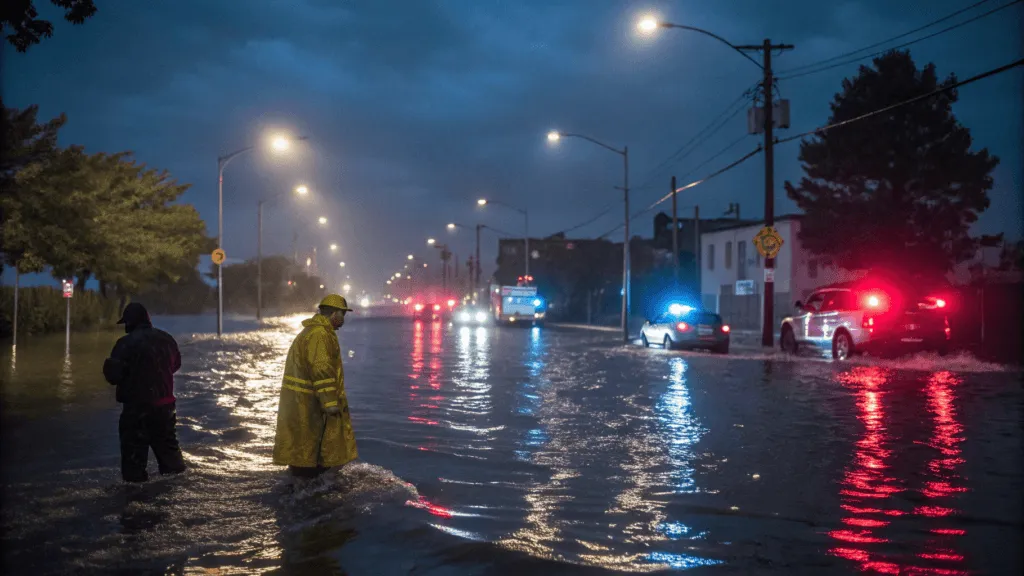
In outdoor lighting, water usually does not enter through the part that looks most exposed. In many failed installations, the real weak points are cable glands, connector areas, battery boxes, inspection covers, or small sealing details damaged during assembly or installation.
Once that happens, the result may include:
- controller damage
- battery enclosure moisture
- insulation and connector problems
- lens fogging or internal condensation
- corrosion around fasteners, brackets, and exposed joints
- repeated maintenance visits during the rainy season
For a homeowner or a small private site, this may be frustrating. For an EPC contractor, municipal buyer, NGO project team, or donor-funded infrastructure program, it can create a larger problem: delayed acceptance, higher maintenance cost, and reduced trust in the delivered system.
That is why waterproof design should be treated as a system requirement, not a marketing feature.
What Is a Waterproof Solar Street Light?
A waterproof solar street light is a solar-powered outdoor lighting system designed to resist moisture, rain, dust, and outdoor exposure across its critical components.
That usually includes:
- LED luminaire housing
- solar panel connection area
- controller compartment
- battery enclosure or integrated battery chamber
- cable entry points and connectors
- exposed hardware and structural interfaces
In real projects, a waterproof system is not judged by one enclosure alone. It is judged by whether the complete lighting unit remains reliable after transport, installation, storms, humidity cycles, and seasonal exposure.
This is important because many solar street lights are sold with broad outdoor claims, but not all of them are equally suited for long rainy seasons, splash-prone roads, flood-risk zones, or coastal environments.
Working on a public tender or infrastructure project?
Product selection is stronger when it is supported by drawings, technical documents, and a clear configuration path.
IP Ratings: Useful, But Not the Whole Story
Most buyers start with the IP rating, and that makes sense. It is one of the quickest ways to compare enclosure protection. But it should not be treated as the final answer.
| Rating | Dust Protection | Water Protection | Typical Use |
|---|---|---|---|
| IP65 | Dust tight | Protected against water jets | General outdoor roads and public areas |
| IP66 | Dust tight | Protected against strong water jets | Heavy rain and wind-driven rain zones |
| IP67 | Dust tight | Protected against temporary immersion | Short-term standing water or flood-prone locations |
For many standard outdoor roads, IP65 may be acceptable if the rest of the design is also strong. In more demanding environments, such as open exposed corridors, long rainy seasons, or flood-prone areas, buyers often look for stronger enclosure performance together with better installation detailing.
The important point is this:
a higher IP number on paper does not automatically mean the full system will perform better in the field.
A solar street light can still fail if the cable sealing is weak, the battery enclosure traps condensation, or the hardware around the system is not protected against corrosion.
Where “Waterproof” Systems Usually Fail
Many failed outdoor lights were sold as waterproof. The issue is usually not the label. The issue is the weak point hidden behind the label.
The most common failure paths include:
1. Cable Entry Is Not Properly Protected
Loose glands, poor connectors, or damaged sealing during installation can allow water to enter through the wiring path.
2. The Battery Area Is Treated Too Simply
A battery box may look sealed from the outside, but still suffer from condensation, poor venting logic, low mounting position, or water splash exposure.
3. Drainage Was Not Considered
If water can pool on a bracket, sit around an enclosure seam, or collect near cable routes, long-term ingress risk increases.
4. Corrosion Starts Around Interfaces
In humid and coastal sites, waterproofing and corrosion control should be reviewed together. A sealed lamp head does not protect the entire support system.
5. Installation Quality Breaks the Design
Even a good product can fail if the installer damages a gasket, misroutes a cable, or leaves one opening unsealed.
This is why experienced buyers rarely rely on a simple “IP66” claim without checking how the system is actually built.
Key Benefits of a Properly Waterproof Solar Street Light
A well-designed waterproof solar street light can reduce avoidable site problems and make long-term operation more stable.
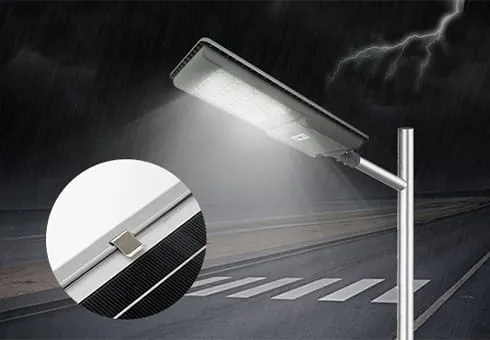
The main benefits usually include:
- Better reliability in wet weather
- Lower maintenance pressure in remote or scattered sites
- More stable protection for electronics and battery compartments
- Reduced risk of early moisture-related failure
- Improved suitability for rainy, humid, or exposed environments
- Better support for long-term public lighting operation
This matters particularly in places where maintenance access is expensive, slow, or politically sensitive. A dark road in a remote community or project corridor is not just a service issue. It affects safety, public confidence, and the perceived quality of the delivered project.
If your site is remote or off-grid, this page may also help: Need Street Lighting in a Remote Area? Solar Is Your Only Smart Choice
Top 5 Ways to Improve Waterproof Performance
When buyers ask what really improves waterproof reliability, the answer is usually not one feature. It is the combination of several design and installation decisions.
1. Start With a Fixture Built for Outdoor Duty
Use a luminaire and enclosure system intended for real outdoor use, not just a general-purpose housing with a claimed rating.
2. Review Cable Sealing Carefully
Cable joints and entry points are often the first weak link. Good gland design, connector protection, and clean cable routing matter more than many buyers expect.
3. Check Battery Enclosure Logic
Integrated systems and split systems behave differently. In wet or humid environments, battery placement, chamber sealing, venting logic, and service access all affect performance.
4. Install for Drainage
Water should clear quickly after rain. Housing shape, panel angle, cable routing, and bracket orientation all influence drainage.
5. Inspect Before and After the Rainy Season
Even a good design still needs inspection. Look for damaged seals, corrosion marks, loose glands, cracked covers, or fogging after heavy weather or transport.
Need a clearer recommendation for your site conditions?
We can help compare waterproof structure, battery layout, and installation suitability before procurement.
How to Choose the Best Waterproof Solar Street Light
There is no single best waterproof solar street light for every project. The right choice depends on the environment, project scale, maintenance conditions, and review requirements.
Start With the Site Conditions
Before comparing models, ask:
- Is this a municipal road, rural road, industrial road, or remote-area road?
- Does the site face wind-driven rain?
- Is there seasonal flooding or standing water?
- Is humidity high for long periods?
- Is the project close to the sea or another corrosive environment?
- Will the site be easy to maintain after installation?
These questions are often more important than small differences in wattage or appearance.
Match the Product Structure to the Application
Not all waterproof strategies look the same across product types.
- All-in-one solar street lights are compact and easy to install, but enclosure integration and serviceability should be checked carefully. See: All-in-One Solar Street Light
- Other system structures may give more flexibility in panel size, battery arrangement, or service access, but cabling and enclosure sealing become more important. See: Types of Solar Street Lights and Their Applications
Look Beyond the Main Housing
Buyers should also review:
- housing material
- cover and lens construction
- gasket quality
- fastener protection
- cable gland quality
- battery box design
- controller enclosure detail
- pole and bracket corrosion protection
For coastal and humid projects, waterproofing should be reviewed together with corrosion control. This page is useful for that: Coastal Street Light Pole Corrosion Protection Design
Ask What Technical Support Is Available
For larger projects, especially EPC, municipal, government, or NGO procurement, a brochure is usually not enough. Buyers often need:
- datasheets
- drawings
- configuration notes
- IES/LDT files
- DIALux or Relux outputs
- BOQ-aligned documentation
This is one reason technical support matters so much in project work. The strongest offer is not always the cheapest unit price. It is often the offer that is easier to review, approve, install, and maintain.
Working on an EPC, government, UN, or NGO project?
It is usually better to compare quotations together with drawings, assumptions, and technical deliverables — not by unit price alone.Request Engineering Deliverables
See Solar Street Light Projects
Common Applications of Waterproof Solar Street Lights
Waterproof solar street lights are widely used in:
- municipal and public roads
- rural and village roads
- remote electrification projects
- industrial parks and perimeter routes
- parks, walkways, and community spaces
- campus and facility roads
- high-rainfall and high-humidity regions
- projects with limited or unreliable grid access
They are particularly valuable in applications where stable operation matters more than short-term appearance or a low initial quote.
If you want to review delivered project references, see Solar Street Light Projects.
What Buyers Should Ask Before Ordering
Before confirming a waterproof solar street light, buyers should ask the supplier:
- What IP rating applies to the luminaire, battery enclosure, and controller compartment?
- How are cable entry points sealed and protected?
- What design measures are used for long rainy seasons or high-humidity conditions?
- What corrosion protection is used on metal parts, brackets, and fasteners?
- Is the system better suited for standard roads, remote roads, flood-risk sites, or coastal areas?
- What technical documents can be provided for review, approval, and installation?
These questions usually reveal much more than a product brochure.
FAQs About Waterproof Solar Street Lights
What IP rating is best for a waterproof solar street light?
IP65 is commonly used for general outdoor applications. For heavier rain, stronger wind-driven water exposure, or higher-risk environments, buyers often look at IP66 or above.
Is IP67 always better than IP66 for street lighting?
Not always. The better choice depends on the site condition, enclosure design, installation method, and the rest of the system. A higher number on paper does not replace good sealing and sound installation.
Can waterproof solar street lights be used in coastal areas?
Yes, but coastal projects need more than enclosure protection. They also need corrosion control for poles, brackets, fasteners, and exposed interfaces.
Do waterproof solar street lights still need maintenance?
Yes. Waterproof design reduces risk, but seasonal inspection is still recommended. Seals, cable joints, enclosure integrity, and corrosion signs should be checked regularly.
Are all-in-one solar street lights waterproof?
Many are designed for outdoor waterproof use, but field performance depends on the actual enclosure design, battery chamber protection, and installation quality.
Where are waterproof solar street lights most useful?
They are especially useful on public roads, remote roads, industrial sites, parks, community roads, and locations with high rainfall, humidity, or unstable grid access.
Conclusion
A waterproof solar street light is not defined by one claim on a datasheet. It is defined by whether the whole system can remain reliable in real outdoor service.
For serious projects, especially public and infrastructure projects, the decision should be based on the full waterproof logic:
- enclosure protection
- cable sealing
- battery protection
- drainage-aware installation
- corrosion resistance
- site-matched system selection
- technical support for review and implementation
That is how buyers reduce maintenance risk, improve service reliability, and make procurement decisions that hold up after installation.
Ready to shortlist the right waterproof solar street light?
Review product options, check project references, or request technical support based on your site conditions and procurement needs.View Solar Street Light Products
See Solar Street Light Projects
Request Engineering Support