
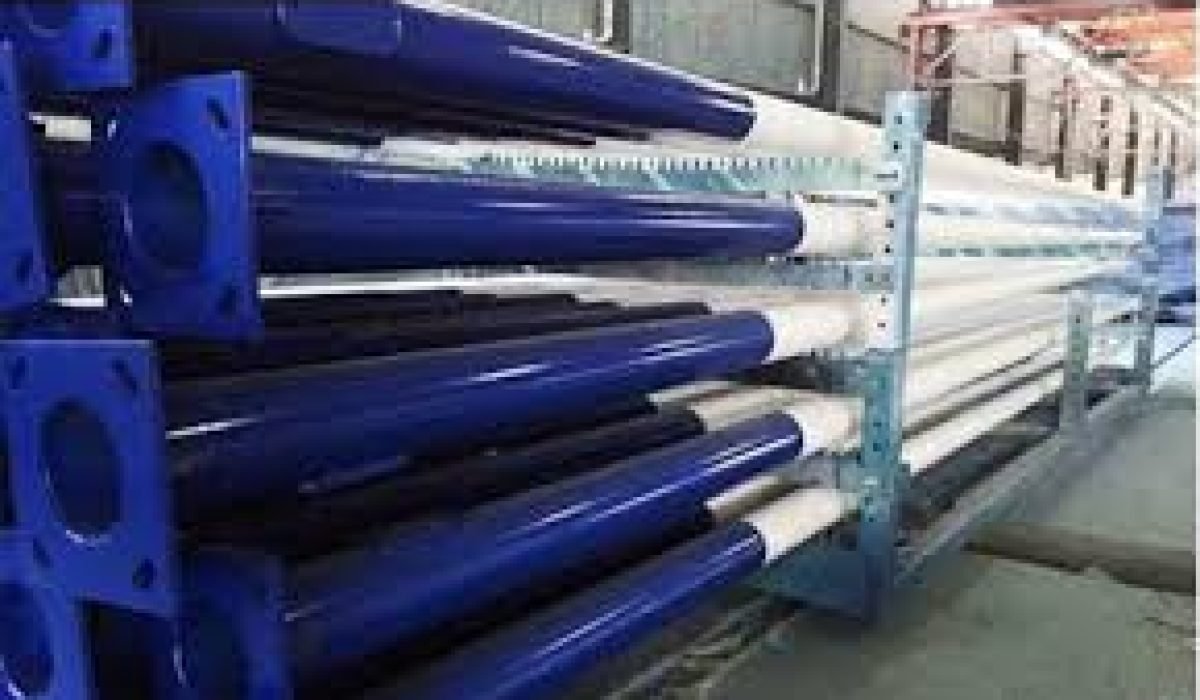
A practical guide for EPC contractors, municipal buyers, and infrastructure teams comparing galvanized poles with painted steel and other alternatives in real outdoor service conditions.
Quick Answer
Galvanized street light poles usually last longer because the zinc coating protects the steel from corrosion more effectively than ordinary paint-only systems. In practical road-lighting projects, this matters most in:
- coastal and humid environments
- dusty and rainy climates
- municipal roads with limited maintenance budgets
- solar street lighting projects where the pole is expected to outlast multiple generations of electrical components
The main reason is not just that galvanized poles are “coated.”
It is that hot-dip galvanizing creates a bonded zinc layer that helps resist corrosion over long-term outdoor exposure, while also offering sacrificial protection when the surface is damaged.
Need help reviewing pole specifications for a road, coastal, or solar lighting project?
Send us your pole height, fixture type, arm length, and site environment for a practical engineering recommendation.
Request Engineering Support →
What Are Galvanized Street Light Poles?
A galvanized street light pole is usually a steel lighting pole protected by a zinc coating, most commonly through hot-dip galvanizing.
In hot-dip galvanizing, the steel is immersed in molten zinc. This process forms a protective metallurgical bond between zinc and steel, rather than leaving only a thin surface finish.
That matters in outdoor lighting because the pole is exposed for years to:
- rain and standing moisture
- humidity
- airborne salts
- dust and pollution
- scratches during transport and installation
- corrosion risk around welds, base plates, and bolt zones
For pole projects, galvanizing is often preferred because it provides a more durable corrosion strategy than simple paint-only protection.
Why Galvanized Street Light Poles Last Longer
In practical field conditions, galvanized poles often last longer for three main reasons.
1. Barrier Protection
The zinc layer forms a physical shield that helps block moisture and oxygen from reaching the steel.
2. Sacrificial Protection
Zinc corrodes before the underlying steel does. This is one reason galvanized poles can continue protecting exposed areas even if small surface damage occurs.
3. Better Long-Term Outdoor Suitability
Unlike ordinary paint systems that may crack, peel, or lose adhesion over time, hot-dip galvanizing generally performs more consistently in harsh outdoor environments when the coating quality is correct.
This is one reason galvanized poles are so common in:
- street lighting
- highway lighting
- solar lighting
- industrial yards
- coastal infrastructure
Why This Matters More in African and Harsh Outdoor Climates
Many outdoor lighting projects in Africa face difficult service conditions, including:
- coastal salt exposure
- seasonal flooding
- high humidity
- dust and dry-season abrasion
- strong sun and temperature cycling
In these environments, corrosion is not a small visual issue. It affects:
- structural durability
- maintenance frequency
- public appearance
- replacement cost
- long-term project credibility
Field experience across many municipal and infrastructure projects shows that corrosion-related maintenance is often much lower when a suitable hot-dip galvanized pole is used instead of a weaker painted alternative.
That does not mean galvanizing solves everything. Performance still depends on:
- coating quality
- steel preparation
- weld quality
- detailing at the base plate
- environment and maintenance conditions
Galvanized vs Painted Steel: Why the Lifecycle Cost Often Changes
Painted poles may look cheaper at purchase stage, but the comparison changes when maintenance and replacement are added.
Practical Lifecycle Direction
| Material Type | Typical Outdoor Durability Direction | Maintenance Needs | Relative Cost | Practical Comment |
|---|---|---|---|---|
| Painted steel | Lower | Higher | Lower upfront | May require repainting and earlier replacement |
| Stainless steel | High | Low | High | Strong option but often expensive |
| Hot-dip galvanized steel | High | Low to moderate | Moderate | Often a strong balance of cost and long-term durability |
For many public projects, the better question is not:
“Which pole is cheapest today?”
It is:
“Which pole gives the best cost over 10–25 years in this environment?”
That is where galvanized poles often become more competitive.
Why Paying More Upfront Can Save Money Later
Galvanized poles are often chosen because they reduce:
- repainting cycles
- corrosion-related inspection work
- early replacement risk
- traffic disruption from maintenance
- lifecycle uncertainty in public projects
Simple Cost Direction
| Pole Type | Initial Cost Direction | 10-Year Maintenance Direction | Lifecycle Direction |
|---|---|---|---|
| Painted mild steel | Lower upfront | Higher | Can become more expensive over time |
| Hot-dip galvanized steel | Higher upfront | Lower | Often more stable over long service life |
This is especially important in:
- municipal road lighting
- highway schemes
- donor-funded projects
- solar lighting in remote areas
- coastal infrastructure
Where access, maintenance crews, and traffic management all add cost beyond the pole itself.
Not All Galvanized Poles Are Equal
One common procurement mistake is assuming that “galvanized” automatically means good quality.
It does not.
The long-term performance of a galvanized pole depends heavily on:
Zinc Coating Thickness
Thicker and more suitable coating levels are generally preferred for harsher environments.
Surface Preparation
Poor preparation can result in uneven bonding and weak areas.
Coating Consistency
Patchy, bubbling, or highly inconsistent coating appearance can indicate poor galvanizing quality.
Standard Compliance
Procurement teams should verify whether the supplier references recognized galvanizing standards such as:
- ISO 1461
- ASTM A123
- BS EN ISO 1461
In practical review, the more useful question is not only “Is it galvanized?”
It is:
“Is it properly hot-dip galvanized to a standard suitable for the project environment?”
Why Structure Still Matters: Galvanizing Does Not Replace Pole Design
A galvanized coating improves corrosion protection, but it does not replace structural review.
For road-lighting and infrastructure projects, buyers should still check:
- pole height
- arm length
- fixture weight
- fixture EPA (effective projected area)
- wind-load condition
- base plate size
- anchor-bolt coordination
- foundation interface
This is especially important because a pole may have good galvanizing quality but still be a poor project fit if the structural demand is underestimated.
Practical Rule
- Corrosion protection helps the pole survive the environment
- Structural design helps the pole survive the load
Both matter in real tenders.
Where EN 40 and Load Review Become Important
In many municipal and road-lighting projects, pole review is not limited to coating. It also involves lighting column design logic, where references such as EN 40 are commonly relevant in European-style or internationally influenced specifications.
That matters because buyers often need confidence that the pole is suitable not only for corrosion exposure, but also for:
- mounting height
- outreach arm geometry
- wind action
- luminaire size
- long-term mechanical stability
So the engineering decision should not be:
“Is it galvanized?”
It should be:
“Is it galvanized, structurally suitable, and specified correctly for this project?”
What Procurement Teams Should Specify in Tenders
Vague tender wording often leads to weak pole quality.
If a tender only says:
“steel pole”
the offer may default to the cheapest acceptable option, not the most durable one.
A stronger tender wording should include at least:
- steel pole, hot-dip galvanized
- galvanizing standard reference
- minimum coating requirement where project-specific
- pole shape and height
- arm length and fixture load where relevant
- base plate and anchor arrangement
- weld quality expectations
- environment notes for coastal or industrial exposure
Example Tender Direction
- Material: steel pole, hot-dip galvanized
- Standard: ISO 1461 or equivalent required
- Pole type: conical or octagonal taper
- Base plate: included with anchor-bolt coordination
- Height: as per project schedule
- Environment: coastal / humid / inland / industrial, as applicable
- Fixture load: to be checked with luminaire weight and EPA
These details reduce the risk of “cheap but short-life” supply.
Need help checking whether your pole tender wording is strong enough?
We can help review your pole height, arm length, fixture size, and coating requirement before tender release.
Ask for a Pole Specification Review →
What Inspectors Should Look For in the Field
Inspection matters because poor galvanizing cannot be fixed easily after installation.
Common Warning Signs
- rough or inconsistent coating
- patchy or striped appearance
- rust near welds or bolt holes
- peeling or flaking areas
- visible oxidation before commissioning
- weak coating around base-plate zones
These do not always mean immediate failure, but they are important signs that the protective system may not be reliable over long service life.
Procurement Review Checklist
Before approving galvanized street light poles, procurement teams should review the following:
| Check Item | Why It Matters |
|---|---|
| Galvanizing standard | Confirms the coating process is not just a vague claim |
| Coating consistency | Helps identify weak or poorly treated areas |
| Pole height | Affects structural demand and project fit |
| Arm length | Changes bending moment and load behavior |
| Fixture weight and EPA | Affects wind load and pole sizing |
| Base plate and anchor detail | Critical for installation and long-term stability |
| Site environment | Coastal, humid, inland, or industrial exposure changes durability expectations |
| Inspection condition at delivery | Early defects often show up before installation |
This checklist is often more useful than comparing price alone.
Why Galvanized Poles Matter in Solar Street Lighting
Solar street lighting often places extra importance on pole durability because the pole is expected to outlast:
- batteries
- controllers
- panels
- luminaires
In many projects, electrical components may be upgraded or replaced over time, but the pole remains the long-life structural backbone.
That is why galvanized poles are often preferred in solar street lighting for:
- corrosion resistance around brackets and mounts
- reduced maintenance in remote areas
- stronger long-term durability
- better lifecycle value for stand-alone systems
For remote solar projects, replacing an electrical component is one thing. Replacing a failed pole is much more disruptive.
Why “Galvanized” Matters More Than Appearance
Some buyers judge galvanized poles by whether they look shiny or dull.
That is not the right first test.
In practical engineering terms, coating performance matters more than showroom appearance. A pole that looks visually attractive but has weak coating consistency is a worse long-term choice than a pole with a more ordinary appearance but stronger galvanizing quality.
This is another reason why standard compliance and inspection are more important than surface cosmetics alone.
Final Recommendation
Galvanized street light poles usually last longer because they are better protected against long-term corrosion in real outdoor conditions.
They are often the stronger choice where projects need:
- longer service life
- lower corrosion maintenance
- more stable lifecycle cost
- better durability in humid, dusty, or coastal climates
That does not mean every galvanized pole is good by default. Buyers still need to review:
- coating quality
- standard compliance
- pole height and load
- fixture EPA and arm length
- weld and base-plate details
- inspection condition before installation
A good pole decision is not just about material.
It is about whether the corrosion strategy and structural logic are both strong enough for the real site conditions.
Next Step
If you are planning a road-lighting or solar-lighting project, we can help review:
- pole height
- arm length
- fixture weight / EPA
- site corrosion exposure
- coastal vs inland environment
- practical galvanizing direction
- tender wording for pole supply
Working on a coastal road, municipal street, or solar lighting project?
Send us your project type, pole height, fixture details, and environment notes and we can help suggest a more suitable galvanized-pole specification.
Get Project Support →
You can also review our related pages:
FAQ
Why do galvanized street light poles last longer?
Galvanized poles usually last longer because the zinc coating protects the steel from corrosion more effectively than ordinary paint-only protection.
What is hot-dip galvanizing?
Hot-dip galvanizing is a process in which steel is immersed in molten zinc, creating a bonded protective layer that helps resist long-term corrosion.
Are galvanized poles better than painted steel poles?
In many outdoor lighting projects, galvanized poles offer better long-term corrosion resistance and lower maintenance than painted steel poles.
Why are galvanized poles important in coastal areas?
Coastal environments often expose poles to salt, humidity, and moisture, which increase corrosion risk. Galvanized poles often reduce maintenance problems in these conditions.
Do all galvanized poles have the same quality?
No. Long-term performance depends on coating thickness, steel preparation, coating consistency, standard compliance, and inspection quality.
What galvanizing standards are commonly referenced?
Common references include ISO 1461, ASTM A123, and BS EN ISO 1461.
Does galvanizing replace structural design review?
No. Galvanizing improves corrosion protection, but structural review still needs to consider pole height, arm length, fixture weight, EPA, wind load, and foundation coordination.
Why do fixture EPA and arm length matter for pole selection?
Because they change the mechanical load on the pole, especially under wind. A pole may have good corrosion protection but still be underspecified structurally if load review is weak.
What should procurement teams specify in tenders?
They should specify hot-dip galvanizing, the relevant standard, pole shape and height, arm length, fixture load where relevant, base-plate coordination, and environment-related durability expectations.
What are warning signs of poor galvanizing?
Warning signs can include patchy coating, rust near welds, peeling, oxidation before delivery, and inconsistent appearance around critical areas.
Why are galvanized poles useful in solar street lighting projects?
Because the pole is often the longest-life structural part of the system. Galvanized poles help reduce corrosion risk and lifecycle disruption in remote outdoor projects.
Can Sunlurio help review galvanized pole specifications?
Yes. Sunlurio can help review pole height, site condition, corrosion exposure, fixture load, and project type to suggest a more suitable galvanized-pole specification.