Africa is one of the fastest-growing markets for solar street lighting, but it is not one uniform market. In some countries, utilities and ministries control the largest tenders. In others, donor-funded programs, municipal corridor upgrades, Chinese road EPC channels, or local integrators shape who wins projects and which specifications are accepted.
This guide is written for EPC contractors, government buyers, NGOs, consultants, and project teams that need more than a simple supplier list. Instead of treating Africa as one market, it breaks ten key countries into buyer types, typical project channels, supplier strengths, tender risks, and procurement patterns. The goal is not only to show who is visible, but to help buyers judge which supplier types are more suitable for different project sizes, documentation requirements, and operating conditions.
If your project needs tender-ready support, Sunlurio can also help with product matching, technical documentation, and project coordination through our Engineering Support page.
Quick Answer: Who Usually Wins Solar Street Lighting Projects in Africa?
In most African solar street lighting markets, projects are not won by the lowest unit price alone. Utility-backed tenders, donor-funded rural programs, municipal road upgrades, and highway-linked EPC packages all favor different supplier types. In practice, buyers usually choose among four groups: local EPCs for smaller lots, donor-compliant integrators for funded programs, Chinese contractors for corridor and highway bundles, and premium compliance-focused suppliers for projects where documentation quality and long-term reliability matter most.
For buyers, the key question is not simply which company is the biggest or most visible. The more important question is whether that supplier matches your project type, approval process, document burden, site conditions, budget range, and maintenance expectations.
Use the country links below to jump directly to the market analysis most relevant to your project, tender route, or procurement region.
Navigation Menu
- Nigeria
- Ghana
- Kenya
- Tanzania
- Uganda
- Ethiopia
- South Africa
- Zambia
- Senegal
- Burkina Faso
- Regional Summary
- Work With Sunlurio
How Buyers Should Read This Country Analysis
Not every supplier listed in this article fits every type of solar street lighting project. A company that works well for a 50-light municipal rollout may not be the right fit for a 1,000-light donor-funded corridor package. In the same way, a supplier that looks competitive on price may become risky if the project requires stronger pole engineering, French-language compliance documents, traceable photometric data, or better autonomy sizing for long rainy seasons.
As a buyer, focus on five filters first: project size, buyer type, documentation burden, site environment, and maintenance expectations. In real projects, these five variables usually matter more than brand visibility alone.
1. Project Size
- Small lots often favor local EPCs and import-integrators.
- Medium lots require better logistics, better packing control, and more complete documents.
- Large corridor or multi-province tenders usually favor utility-linked, donor-compliant, or road-contract EPC channels.
2. Buyer Type
- Government and municipal buyers often prioritize visible delivery, local coordination, and practical installation.
- Donor-backed buyers usually care more about document traceability, specification discipline, and approval logic.
- Private estates and industrial parks often move faster, but still expect systems that are easy to maintain.
3. Documentation Burden
- Francophone West Africa often requires French paperwork.
- Donor-funded projects usually require stronger compliance files than small municipal lots.
- Poor documentation can delay approval even when the hardware itself is acceptable.
4. Site Environment
- Coastal zones need stronger corrosion strategies.
- Rainy-season regions need more careful autonomy sizing.
- High-vandalism zones need stronger pole, bracket, and battery protection logic.
5. O&M Expectations
- Low-capex systems may work for short-term visibility projects.
- Higher-spec systems are usually safer for projects expected to run for years with limited maintenance access.
What Many Buyers Still Get Wrong in African Solar Street Lighting Projects
One common mistake is assuming that all African solar street lighting projects follow the same decision logic. They do not. In some countries, the biggest risk is slow tender paperwork. In others, the bigger risk is weak pole engineering, poor corrosion protection, or battery sizing that looks acceptable on paper but fails after repeated rainy-season cycles.
Another common error is comparing suppliers only by wattage or headline price. In real projects, outcomes are often decided by pole quality, document completeness, packing logic, language readiness, maintenance assumptions, and whether the supplier can support approval, shipment, and installation without creating avoidable delays. For EPC buyers, those issues usually matter more than marketing language.
Nigeria – Top 10 Solar Street Light Companies in Nigeria
Market Background
Nigeria remains one of Africa’s largest and most visible solar street lighting markets. Grid instability, diesel dependence, urban safety pressure, and rural electrification gaps continue to create demand across Lagos, Abuja, Port Harcourt, Kano, and many state-level programs. Buyers can find real opportunity here, but the market is not easy. Customs clearance, project security, vandalism, inconsistent installation quality, and tender compliance all influence outcomes.
For EPC contractors and government buyers, Nigeria is attractive because of project volume and political visibility. At the same time, it is a market where weak paperwork and weak after-sales planning can quickly turn an apparently competitive offer into a risky one.
Buyer Takeaway
Nigeria is usually best approached as a mixed-channel market. Utility and ministry-linked opportunities matter, but local EPC capability, donor funding, and corridor-level infrastructure contracts also shape who wins. Buyers should pay close attention to compliance files, spare-parts planning, and local execution support rather than judging offers on price alone.
Top 10 Companies and Buyer Channels in Nigeria
-
Solad Power Group
A strong private power player with visibility in distributed energy and lighting-related projects. Buyers often value scale, financial credibility, and the ability to support broader infrastructure work. Their strength is project seriousness, although lighting is not always their only focus. -
Lumos Nigeria
Well known for distributed solar access and financing models. More relevant in community-scale or visibility-driven deployments than in heavy road-lighting engineering. Buyers considering them should check whether pole, bracket, and installation engineering match the application. -
Arnergy Solar
A credible renewable energy company with stronger compliance discipline than many smaller operators. Better suited to buyers who value structure, documentation, and project control, though often at a higher price level than local SMEs. -
Creeds Energy
A local renewable EPC often viewed as responsive and practical in donor-linked or smaller public-sector jobs. Suitable for buyers who need local coordination and quick communication, but large-volume rollouts may still require close capacity review. -
Blue Camel Energy
Abuja-based and often visible in institutional or campus-style applications. Their appeal is usually tied to training, support, and implementation discipline rather than purely low pricing. -
Rubitec Solar
Known in renewable and donor-style channels. Buyers may value stronger compliance culture and familiarity with funded project environments, especially where documentation matters more than speed alone. -
Prostar Global Energy
Active in community-facing projects and areas where local engagement matters. More relevant for buyers dealing with host-community dynamics than for highly standardized corridor packages. -
Starsight Energy
Better known for commercial and industrial energy projects, but still relevant in estate or infrastructure environments where financial depth and corporate discipline matter. Less of a grassroots street-lighting player than some local contractors. -
Government Buyers and Agencies
This includes entities such as the Rural Electrification Agency and state ministries. They are not suppliers, but in Nigeria they often determine the approval route, funding structure, and technical expectations behind many projects. -
Chinese EPC Channels
Large Chinese contractors involved in roads, transport corridors, and major civil works often bundle lighting into broader packages. They bring scale and execution capacity, but local SMEs may be sidelined and specification flexibility can be limited.
Comparison Table – Nigeria
| Supplier Type / Player | Main Advantage | Main Limitation | Typical Application |
|---|---|---|---|
| Solad Power Group | Financing credibility and scale | Lighting is not always the main focus | Industrial parks, estates |
| Lumos Nigeria | Distribution reach and financing logic | Limited heavy pole engineering depth | Councils, suburbs |
| Arnergy Solar | Stronger compliance and hybrid logic | Premium pricing | C&I and urban packages |
| Creeds Energy | Local responsiveness | Smaller rollout capacity | Rural or donor-linked programs |
| Blue Camel Energy | Support and training | Higher capex pressure | Campuses, government sites |
| Rubitec Solar | Donor-style project familiarity | Less suited to mass-scale imports | Rural and NGO-linked projects |
| Prostar Global Energy | Local engagement | Less standardized O&M models | Community-facing installations |
| Starsight Energy | Financial depth | More corporate than grassroots | Estates, campuses |
| Government Agencies | Budget power and procurement influence | Slow paperwork and political cycles | Rural and public-sector lots |
| Chinese EPC Channels | Scale and corridor execution | Local suppliers may be sidelined | Highways, corridor infrastructure |
What Buyers Should Watch in Nigeria
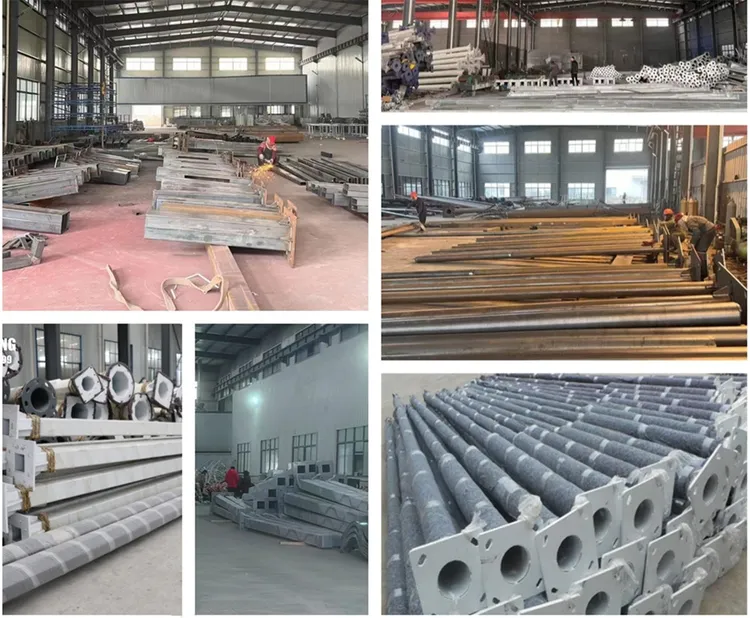
In Nigeria, one of the biggest mistakes is assuming that visible companies automatically fit road-lighting or public-infrastructure work. Many suppliers can handle light-scale deployments but may not be equally strong in pole design, corrosion resistance, shipping logic, or public-tender documentation. Buyers should also check whether after-sales support is realistic at state level, not just promised at proposal stage.
For projects that need stronger documentation support, layout coordination, or bid-ready system matching, it is worth reviewing Sunlurio’s Engineering Support and Solar Street Light Product Category.
Ghana – Top 10 Solar Street Light Companies in Ghana
Market Background
Ghana has a relatively structured procurement environment compared with some neighboring markets, but public lighting demand still varies sharply by region, buyer type, and funding channel. Accra, Kumasi, peri-urban corridors, schools, markets, and northern community projects all create demand for solar street lighting, especially where donor involvement or public-safety visibility matters.
For buyers, Ghana is usually less chaotic than larger markets, but that does not mean supplier selection is easy. Humidity, heavy rainfall, and approval discipline still make documentation quality and hardware consistency important.
Buyer Takeaway
Ghana is generally a balanced market where local EPCs, donor-linked channels, Chinese infrastructure contractors, and ministry-led procurement all play visible roles. Buyers should pay attention to whether a supplier is really set up for public lighting projects, or whether solar street lights are only a side extension of a broader business.
Top 10 Companies and Buyer Channels in Ghana
-
Strategic Power Solutions (SPS)
A local energy player with relevance in public and donor-linked channels. Buyers may find SPS attractive where local manufacturing presence and public-project familiarity matter. -
Wilkins Engineering
A more engineering-oriented player, often better aligned with projects where structured delivery and stronger compliance files are expected. Buyers may find them more reliable, though often not the lowest-cost option. -
BXC Ghana
A China-linked energy and infrastructure player with scale advantages. Suitable for buyers prioritizing bundled delivery and larger-volume execution. -
Dutch & Co Ltd
Known in Accra-based project circles and relevant for buyers seeking local execution with an established engineering profile. -
NGO and Development Partners
Organizations such as Plan International and related project partners are important demand channels in school, clinic, and community-based lighting lots. -
Volta River Authority-Linked Programs
Utility-backed and public-sector-linked opportunities continue to influence corridor and infrastructure procurement logic. -
Chinese Road and Infrastructure EPCs
As in many African markets, road-linked contractors often bundle lighting into broader infrastructure packages. -
Solar Light Company Ghana
More visible in smaller-scale or peri-urban segments. Buyers should confirm whether the offered system is suitable for project-grade use or more entry-level deployment. -
Ministry-Driven Procurement
The Ministry of Energy remains a major institutional route behind many public lighting packages. -
Azuri Technologies
More closely associated with distributed solar access than pure public-lighting engineering, but still relevant in community-oriented pilot or small-lot contexts.
Comparison Table – Ghana
| Supplier Type / Player | Main Advantage | Main Limitation | Typical Application |
|---|---|---|---|
| SPS | Local manufacturing link and donor familiarity | Limited scale versus larger EPCs | Schools, clinics, community projects |
| Wilkins Engineering | Strong engineering profile | Higher price pressure | Public-sector and mini-grid-linked projects |
| BXC Ghana | Scale and China-linked delivery | Less flexible for smaller buyers | City corridors, structured tenders |
| Dutch & Co Ltd | Local trust and implementation | Mid-size profile | Markets, councils |
| NGO Partners | Grassroots reach | Small lot size | Northern communities |
| VRA-linked channels | Utility influence | Bureaucratic processes | Corridors and public infrastructure |
| Chinese EPCs | Scale | Rigid package structure | Roads and highways |
| Solar Light Company Ghana | Visibility in smaller lots | Entry-level positioning risk | Suburbs and peri-urban areas |
| Ministry procurement | Funding and coordination authority | Administrative delays | National and regional lots |
| Azuri Technologies | Community reach | Not primarily a street-lighting specialist | Small community pilots |
What Buyers Should Watch in Ghana
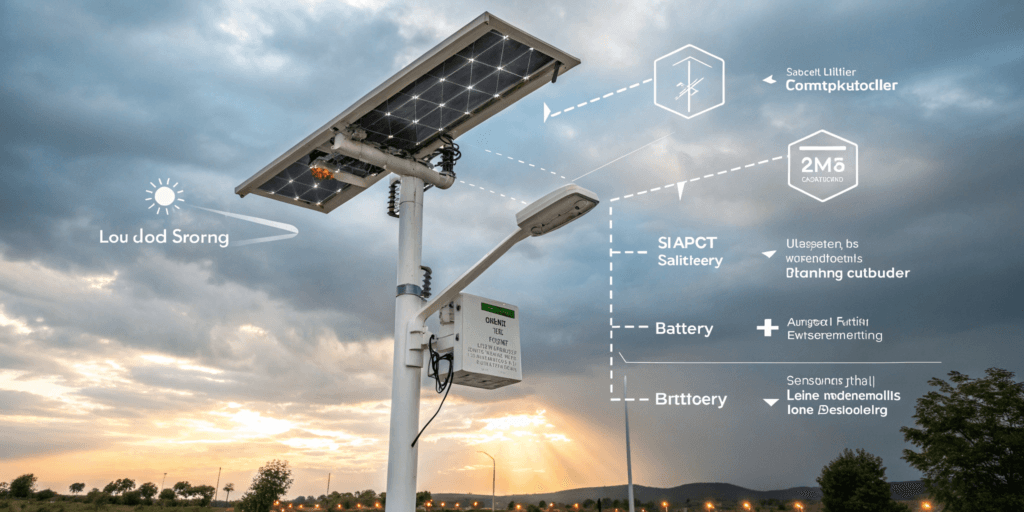
Ghana often looks straightforward on paper, but buyers still need to separate public-lighting capability from general solar capability. A supplier may be very competent in distributed solar or mini-grid work without being equally prepared for pole quality, installation details, corrosion risk, or long-term public-area maintenance.
Where buyers need system design support, technical files, or application matching, it helps to review Road Lighting Simulation with DIALux EVO and Projects.
Kenya – Top 10 Solar Street Light Companies in Kenya
Market Background
Kenya is one of East Africa’s most mature solar markets, but maturity does not automatically make it easy. Counties, utilities, urban programs, donor-backed rural initiatives, and private developments all create demand. Nairobi and other urban centers continue to see pressure for visible infrastructure upgrades, while rural roads and institutional projects still attract funded solar lighting programs.
For buyers, Kenya offers a stronger ecosystem than many neighboring markets. At the same time, standards discipline, procurement structure, and site-specific challenges such as vandalism and maintenance control still shape results.
Buyer Takeaway
Kenya is attractive for buyers who want a more established market, but supplier choice still depends on project type. Utility- and rural-agency-linked work follows a different logic from county tenders, NGO projects, or estate developments. Buyers should focus on whether the supplier’s operating style matches the approval and maintenance burden of the project.
Top 10 Companies and Buyer Channels in Kenya
-
Kenya Power & Lighting Company (KPLC)
A major institutional influence in the broader lighting environment. For buyers, KPLC-related channels matter because utility structure often shapes public-sector expectations. -
Rural Electrification and Renewable Energy Corporation (REREC)
A key driver in rural and donor-influenced lighting programs. Important for buyers targeting distributed public projects outside major urban centers. -
Strauss Energy
A local innovator with visibility in solar-integrated infrastructure. Often more interesting for buyers looking for differentiated local solutions than for pure low-cost procurement. -
Davis & Shirtliff
A strong distribution and engineering presence in East Africa. Buyers may value reach, service discipline, and brand familiarity. -
Chloride Exide Kenya
Known for battery-related strength and relevant where storage credibility matters, although buyers should still verify full system suitability for street-lighting applications. -
Sollatek East Africa
A regional supplier/integrator with broad market presence. More relevant for standard supply chains than for highly specialized corridor engineering. -
Sun King / Greenlight Planet
Well known in distributed energy access and relevant in donor or community-oriented environments, though not always the first choice for heavy road-lighting packages. -
Chinese EPC Channels
Large contractors remain important in highway and road-related infrastructure packages where lighting is bundled into broader civil works. -
Local County-Level EPCs
Numerous local EPCs bid on smaller county and municipality packages. They can be cost-competitive and flexible, but quality consistency varies. -
UNDP and NGO-Backed Pilot Channels
Smaller but still relevant for school, clinic, and community-centered installations.
Comparison Table – Kenya
| Supplier Type / Player | Main Advantage | Main Limitation | Typical Application |
|---|---|---|---|
| KPLC-linked channels | Institutional authority | Bureaucratic pace | Urban and utility-linked projects |
| REREC | Donor-backed rural reach | Slow approval cycles | Villages and rural roads |
| Strauss Energy | Local innovation | Limited scale for larger public lots | Estates and differentiated projects |
| Davis & Shirtliff | Distribution and service strength | Higher commercial margins | Counties and institutions |
| Chloride Exide Kenya | Battery credibility | Not a pure street-lighting specialist | Off-grid and battery-sensitive sites |
| Sollatek East Africa | Regional supply presence | Mid-range technical positioning | Councils and towns |
| Sun King | Donor familiarity and community reach | Less suited to heavy public-road packages | Rural pilots and small lots |
| Chinese EPCs | Scale | Limited flexibility | Highways and major corridors |
| Local EPCs | Price and flexibility | QC can vary | Smaller county projects |
| NGO channels | Secure funding logic | Small volume | Schools and clinics |
What Buyers Should Watch in Kenya
Kenya is one of the easier markets for comparing options, but buyers should still avoid assuming that a strong solar brand is automatically a strong public-lighting partner. County-scale projects and donor-backed projects often require different documentation depth, installation control, and maintenance logic.
If the project includes stronger lighting-design requirements, buyers may want to review DIALux Simulation Outputs and IES Photometric Files.
Tanzania – Top 10 Solar Street Light Companies in Tanzania
Market Background
Tanzania continues to offer meaningful solar street lighting demand through municipal safety upgrades, rural access programs, and donor-supported infrastructure. Dar es Salaam, Dodoma, and a range of regional towns all show demand, but budget reality remains important. Many projects are visible in public-sector language, yet still constrained by affordability, import logistics, and administrative cycles.
For buyers, Tanzania is a market where documentation and realistic project planning matter. Tight budgets often tempt low-spec offers, but weak autonomy sizing, weak poles, or incomplete approval files can create bigger downstream problems.
Buyer Takeaway
Tanzania is often a good market for buyers who understand the balance between budget pressure and public-project discipline. Smaller councils may move on cost, but larger or donor-supported projects still require stronger approval logic. Buyers should be especially careful about entry-level systems being presented as project-grade solutions.
Top 10 Companies and Buyer Channels in Tanzania
-
TANESCO
A major institutional reference point in Tanzania’s power and public infrastructure environment. Important because utility structure often shapes how large public projects move. -
REA Tanzania
A key driver behind rural and donor-backed programs. Buyers targeting distributed public infrastructure should pay attention to how REA-linked procurement behaves. -
ENGIE Energy Access / Mobisol Legacy Channels
Relevant where community-scale or donor-supported access logic overlaps with public lighting. -
Rex Energy Tanzania
A local EPC channel more relevant for practical council-level or institution-linked work. -
Ensol Tanzania Ltd
A renewable EPC profile with broader implementation relevance. Often more attractive to buyers who want a local engineering partner rather than a simple importer. -
Sollatek Tanzania
A regional distributor/integrator channel with visibility in supply-driven projects. -
Chinese EPC Channels
Important in road and corridor-linked packages. -
Local SMEs in Dar es Salaam and Arusha
Price-sensitive and flexible, but buyers should verify consistency in system design and installation practice. -
World Bank / AfDB-Funded Routes
Not suppliers themselves, but major influences on specification discipline and documentation expectations. -
NGO Programs
Still relevant in school, clinic, and community-scale lighting.
Comparison Table – Tanzania
| Supplier Type / Player | Main Advantage | Main Limitation | Typical Application |
|---|---|---|---|
| TANESCO-linked channels | Institutional weight | Bureaucracy | City and public-sector lots |
| REA Tanzania | Donor rural reach | Heavy admin | Villages and distributed programs |
| ENGIE / Mobisol channels | Donor familiarity | Entry-level positioning risk | Rural community lighting |
| Rex Energy Tanzania | Local responsiveness | Small scale | Councils and institutions |
| Ensol Tanzania | EPC depth | Mid-range profile | Institutional and urban projects |
| Sollatek Tanzania | Supply chain strength | Mid-spec positioning | Towns and smaller public lots |
| Chinese EPCs | Scale | Rigid structures | Highways and corridor works |
| Local SMEs | Low price | QC and document risk | Small wards and local councils |
| Donor-funded routes | Funding security | Slow process | Rural public programs |
| NGO channels | Community relevance | Small lot size | Schools and clinics |

What Buyers Should Watch in Tanzania
In Tanzania, the tension between affordability and long-term performance is one of the biggest buyer challenges. Systems may look acceptable during proposal comparison, but failures often come later through undersized batteries, weak support structures, or incomplete after-sales planning. Buyers should also be careful with claims that are strong on brochure language but thin on installation logic.
For projects that need stronger system matching or technical files, review Tender Documents & BOQ and Datasheets + Drawings.
Uganda – Top 10 Solar Street Light Companies in Uganda
Market Background
Uganda remains heavily influenced by donor activity, rural infrastructure demand, and city-level safety upgrades. Kampala and other urban areas continue to need visible public lighting, while many rural and institutional sites still rely on external funding or development-linked procurement logic.
For buyers, Uganda is a market where standards compliance, import timelines, and realistic system specification are more important than overly polished marketing. The difference between a good pilot and a sustainable rollout often comes down to practical execution.
Buyer Takeaway
Uganda is best treated as a donor-sensitive and institution-sensitive market. Buyers should focus on document quality, installation practicality, and spare-parts logic. Smaller-scale visibility projects may allow simpler configurations, but buyers expecting multi-year performance should avoid overvaluing low-capex offers.
Top 10 Companies and Buyer Channels in Uganda
-
UEDCL and Utility-Linked Channels
Institutionally important in the public infrastructure environment and relevant to how some urban or public lighting packages move. -
Rural Electrification Agency / Related Rural Channels
Important for distributed, donor-linked, and rural public-lighting opportunities. -
SolarNow Uganda
A local brand with relevance in distributed solar and project-based implementation. Buyers may value local presence and execution familiarity. -
ENGIE Energy Access / Fenix Channels
More relevant where donor logic and distributed energy access overlap with public-lighting use. -
d.light Uganda
A trusted name in community-scale energy access, though buyers should verify fit for heavier-duty public-lighting use. -
M-KOPA Uganda
Relevant in distributed solar access and small-scale lighting-related environments, but not necessarily a first-choice corridor or urban-road supplier. -
Kirchner Solar Uganda
A more local EPC-style channel that may appeal to councils or institutions needing responsive engagement. -
Chinese EPC Channels
Still important in road and infrastructure-linked packages. -
NGO and Development Channels
Common in school, clinic, market, and community projects. -
Kampala Capital City Authority-Linked Procurement
A major city-level buyer channel in the capital and surrounding urban contexts.
Comparison Table – Uganda
| Supplier Type / Player | Main Advantage | Main Limitation | Typical Application |
|---|---|---|---|
| Utility-linked channels | Institutional weight | Bureaucratic pace | Kampala and public-sector sites |
| Rural electrification channels | Donor rural logic | Heavy admin | Villages and distributed public sites |
| SolarNow Uganda | Local presence | Mid-size ceiling | Schools and institutions |
| ENGIE / Fenix channels | Donor familiarity | Entry-level system risk | Rural and community projects |
| d.light Uganda | NGO trust and reach | Less suited to heavy public roads | Villages and clinics |
| M-KOPA Uganda | Distribution logic | Lighting is not the main specialty | Small institutional pilots |
| Kirchner Solar Uganda | Local EPC responsiveness | Smaller scale | Councils and wards |
| Chinese EPCs | Scale | Rigid package approach | Roads and transport corridors |
| NGO channels | Community funding | Small lot size | Schools and markets |
| KCCA-linked procurement | Urban budget channel | Political and process risk | Kampala wards |

What Buyers Should Watch in Uganda
In Uganda, buyers should be careful with systems that appear suitable for donor pilots but are then stretched into heavier municipal or road applications without enough engineering adjustment. Battery autonomy, pole strength, and installation discipline are especially important where long rainy periods or maintenance gaps are expected.
For buyers who need stronger support on tender files or system documentation, see About Engineering Support and Africa Projects.
Ethiopia – Top 10 Solar Street Light Companies in Ethiopia
Market Background
Ethiopia offers a large long-term opportunity, but it is one of the more difficult markets to navigate. Grid weakness, blackouts, industrial park expansion, and rural access gaps all create demand for solar street lighting. At the same time, logistics, paperwork, government structure, and implementation constraints can slow projects and increase approval complexity.
For buyers, Ethiopia is not usually a speed-first market. It is a market where paperwork discipline, institutional understanding, and realistic expectations matter.
Buyer Takeaway
Ethiopia is best approached as a documentation-heavy and institution-sensitive market. Utility-linked projects, public-sector procurement, and industrial applications all follow slightly different logic. Buyers should pay close attention to administrative friction, import handling, and whether the supplier can support the process rather than only the product.
Top 10 Companies and Buyer Channels in Ethiopia
-
Ethiopian Electric Power (EEP)
A major institutional influence behind larger infrastructure and donor-linked programs. -
Ethiopian Electric Utility (EEU)
More directly relevant in urban and suburban public-lighting structures. -
Solar Development PLC
A local EPC-style player that may appeal to buyers looking for quicker local engagement. -
d.light / Fenix / GOGLA-Related Channels
Relevant more in distributed and community-oriented energy contexts than in high-load public road packages. -
Ethiopian Engineering Group (EEG)
An engineering-linked local channel with relevance in smaller projects and local execution. -
Chinese EPC Channels
Important where roads, corridors, and state-linked infrastructure packages include lighting. -
METEC / State-Linked Industrial Channels
Relevant in more state-linked or industrial infrastructure environments. -
Addis-Based SMEs and Solar Integrators
Price-sensitive and practical for smaller projects, but documentation and consistency vary. -
World Bank / UNDP / Donor Routes
Critical in funded public and rural programs, especially where compliance logic is strict. -
Industrial Parks and Estates
A growing private or quasi-public demand channel where security and continuity matter.
Comparison Table – Ethiopia
| Supplier Type / Player | Main Advantage | Main Limitation | Typical Application |
|---|---|---|---|
| EEP-linked channels | Large-scale institutional weight | Strict paperwork | Rural and large public lots |
| EEU-linked channels | Urban relevance | Delay risk | City and suburban sites |
| Solar Development PLC | Local EPC responsiveness | Mid-range technical ceiling | Industrial and local public projects |
| Distributed solar brands | Donor trust | Basic-system bias | Rural and community lighting |
| EEG | Local engineering profile | Small scale | Councils and institutions |
| Chinese EPCs | Scale | Bureaucratic rigidity | Highways and large corridors |
| State-linked industrial channels | Government backing | Process and speed constraints | Industrial zones |
| Local SMEs | Affordable | Weak compliance risk | Schools and clinics |
| Donor routes | Funding security | Slow approvals | Rural public programs |
| Industrial parks | Stable demand logic | Smaller order volumes | Estates and park infrastructure |
What Buyers Should Watch in Ethiopia
Ethiopia is one of the clearest examples of why supplier selection cannot be reduced to a ranking list. A supplier that looks cost-effective may still struggle with import realities, local execution, or public-sector paperwork. Buyers should also be careful with overly generic product proposals that do not reflect actual site conditions or approval pathways.
Where project documentation and traceable system matching matter, buyers should consider Engineering Support and Tender Documents & BOQ.
South Africa – Top 10 Solar Street Light Companies in South Africa
Market Background
South Africa is a distinct market because buyers often face both infrastructure pressure and stronger technical expectations. Load-shedding, municipal needs, coastal exposure, urban security concerns, and more established buyer expectations make solar street lighting relevant across townships, estates, coastal zones, arterials, and local authority projects.
For buyers, this is one of the markets where low price alone is less persuasive. Documentation, local content expectations, reliability, vandal resistance, and corrosion performance tend to matter more.
Buyer Takeaway
South Africa is usually best approached as a quality-sensitive and application-sensitive market. Buyers should separate fast-install integrated products from more robust municipal or infrastructure solutions. Coastal conditions, theft risk, and standards expectations make long-term performance a more important filter than initial capex alone.
Top 10 Companies and Buyer Channels in South Africa
-
BEKA Schréder
A strong reference point for buyers who prioritize municipal-grade compliance, reliability, and established lighting credibility. -
Betta Lights
More attractive where buyers want faster installation and integrated product logic, especially in visible but less complex deployments. -
Genlux Lighting
Relevant in local manufacturing and adaptation contexts where buyers value responsiveness and local modification capability. -
LED Lighting SA
A more custom-oriented option for buyers needing aesthetics, coatings, or tailored project positioning. -
Rubicon South Africa
A strong one-stop distribution and integration channel rather than a pure lighting OEM. Useful where broad sourcing convenience matters. -
Sinetech
Often attractive in price-sensitive integrated-lighting segments, though buyers should check quality consistency carefully. -
Leadsun South Africa
More appealing in smart or premium integrated-lighting discussions where controls and optics matter. -
Eurolux Projects Division
Relevant in volume-oriented estate or council supply environments. -
Chinese OEM via EPC Channels
Common where buyers prioritize capex, but quality and lifecycle consistency vary significantly. -
Municipal Procurement Channels
Councils remain decisive buyers in many local public-lighting contexts.
Comparison Table – South Africa
| Supplier Type / Player | Main Advantage | Main Limitation | Typical Application |
|---|---|---|---|
| BEKA Schréder | Strong compliance reputation | Higher cost | Arterials and municipal roads |
| Betta Lights | Faster install logic | Lower performance ceiling in some cases | Townships and local streets |
| Genlux Lighting | Local modification flexibility | Solar integration may depend on partners | Councils and tailored projects |
| LED Lighting SA | Custom and premium finish | Higher price | Waterfronts and high-visibility sites |
| Rubicon South Africa | One-stop sourcing | Not a pure OEM | Large bills of materials |
| Sinetech | Stock availability and affordability | QC variation risk | Small towns and standard lots |
| Leadsun South Africa | Smart and premium integrated systems | Higher price | Collector roads and smart sites |
| Eurolux | Volume supply | Narrower technical range | Estates and council lots |
| Chinese OEM channels | Lowest capex | Lifecycle risk | Price-driven ward projects |
| Municipal buyers | Project authority | Political and procurement risk | Town centers and public areas |
What Buyers Should Watch in South Africa
In South Africa, one of the most common mistakes is treating all integrated solar street lights as interchangeable. They are not. A system that is acceptable for a small estate road may not be the right fit for a coastal municipal road, a theft-prone area, or a project with stronger compliance expectations. Buyers should also take corrosion strategy seriously, especially in coastal or humid environments.
For corrosion-sensitive projects, it is worth reviewing Coastal Street Light Pole Corrosion Protection Design and Lighting Pole.
Zambia – Top 10 Solar Street Light Companies in Zambia
Market Background
Zambia continues to show demand through rural electrification, corridor development, urban public lighting, and institution-linked infrastructure. Lusaka and the Copperbelt remain important centers, but many projects still depend on a mix of public funding, agency-driven procurement, and donor influence.
For buyers, Zambia is usually a market where practical engineering and anti-vandal thinking matter. Visible delivery is important, but so are support structure strength, realistic installation planning, and maintenance access.
Buyer Takeaway
Zambia is often a good market for buyers who understand the difference between visibility-driven supply and project-grade delivery. Agency-led and council-linked opportunities matter, but system durability and local execution quality still determine whether the result performs well over time.
Top 10 Companies and Buyer Channels in Zambia
-
REA Zambia
A major rural-project channel and an important institutional route behind many distributed public-lighting opportunities. -
ZESCO
A utility-linked reference point in urban and public-infrastructure contexts. -
RDA and City Councils
Important in feeder roads, corridors, and local urban-public projects. -
Copperbelt Energy Corporation (CEC)
Relevant in industrial and corridor-linked infrastructure where reliability matters. -
Sollatek Zambia
A wide-reach distributor/integrator channel, useful for standard supply needs. -
ENGIE Energy Access / Fenix Channels
More relevant where donor or community-oriented programs intersect with lighting demand. -
VITALITE Zambia
Strong in rural presence and distributed access logic, though not always the first choice for heavier public-road packages. -
Muhanya Solar
A more engineering-oriented local EPC profile for buyers who value implementation seriousness. -
Chinese EPC Channels
Important in larger infrastructure and corridor contracts. -
Local SMEs
Cost-competitive and flexible, but technical consistency varies.
Comparison Table – Zambia
| Supplier Type / Player | Main Advantage | Main Limitation | Typical Application |
|---|---|---|---|
| REA Zambia | Strong rural procurement relevance | Heavy admin | Rural public lots |
| ZESCO | Government weight | Bureaucratic pace | City-linked projects |
| RDA and councils | Practical local channels | Tight budgets | Feeder roads and local corridors |
| CEC | Industrial reliability profile | Limited scope | Industrial corridors |
| Sollatek Zambia | Supply-chain reach | Mid-spec positioning | Councils and institutions |
| ENGIE channels | Donor familiarity | Basic-system bias | Villages and community sites |
| VITALITE Zambia | Rural network | Entry-level profile | Schools and small public sites |
| Muhanya Solar | Engineering seriousness | Higher capex | Urban or institutional lots |
| Chinese EPCs | Scale | Rigid structure | Highways and major packages |
| Local SMEs | Low price | QC risk | Ward-level projects |

What Buyers Should Watch in Zambia
In Zambia, buyers should look closely at vandal resistance, bracket strength, base conditions, and realistic maintenance access. A proposal may appear cost-effective at procurement stage, but if the system is not engineered for actual field conditions, public acceptance problems can follow quickly.
For application matching and project support, buyers can review Solar Street Light Projects and Solar Street Light Product Category.
Senegal – Top 10 Solar Street Light Companies in Senegal
Market Background
Senegal is one of the more strategically interesting West African markets because it combines urban growth, corridor development, donor-backed programs, port and logistics relevance, and strong francophone documentation expectations. Dakar, expressway zones, municipal projects, and development-funded public programs all contribute to demand.
For buyers, Senegal is not only a technical market but also a documentation market. French-language paperwork, approval discipline, and the ability to align with donor or PPP logic are often decisive.
Buyer Takeaway
Senegal is best approached as a francophone, donor-sensitive, and corridor-relevant market. Buyers should pay as much attention to documentation readiness and language support as to hardware selection. A technically acceptable product can still struggle if the file package is weak or poorly localized.
Top 10 Companies and Buyer Channels in Senegal
-
SENELEC
A major institutional actor in the public power and infrastructure environment. -
AGEROUTE and Municipal Councils
Important in road, feeder, and corridor-linked public-lighting channels. -
Solektra / Akon Lighting Africa
Visible in community-scale and rapid rollout environments, especially where deployment speed matters. -
Eiffage Énergie Systèmes
A strong donor-grade and infrastructure-grade reference for buyers prioritizing documentation and structured delivery. -
VINCI Energies Senegal
Relevant in PPP, infrastructure, and structured public-project environments. -
CSE – Compagnie Sahélienne d’Entreprise
Important in roads and civils-linked environments where lighting is part of broader work. -
Chinese EPC Channels
Still important in bundled corridor and infrastructure packages. -
Local SMEs
Relevant in lower-cost local lots, though quality and paperwork consistency can vary. -
Donor Programs
AFD, EU, World Bank, and similar routes strongly influence funding logic and documentation expectations. -
Port and SEZ Integrators
Increasingly relevant where lighting, surveillance, and industrial security overlap.
Comparison Table – Senegal
| Supplier Type / Player | Main Advantage | Main Limitation | Typical Application |
|---|---|---|---|
| SENELEC-linked channels | Government weight | Administrative process | City corridors |
| AGEROUTE and councils | Practical road relevance | Smaller budgets | Feeder roads |
| Solektra | Fast deployment | Lower performance ceiling in some cases | Towns and community lots |
| Eiffage | Donor-grade documentation | Premium pricing | Arterials and structured urban projects |
| VINCI | PPP and infrastructure discipline | Expensive | Bus corridors and large urban packages |
| CSE | Civils and HSE credibility | Lighting often via partners | Roads and corridors |
| Chinese EPCs | Scale | Rigid package logic | Highways |
| Local SMEs | Lowest cost | Weak QC and paperwork risk | Local wards |
| Donor routes | Funding strength | Slow process | Rural public lots |
| Port / SEZ integrators | Security-oriented solutions | Higher system cost | Ports and special zones |
What Buyers Should Watch in Senegal
In Senegal, buyers should never treat French-language documentation as a minor afterthought. This is often one of the biggest differences between a supplier that looks competitive and one that can actually support the project smoothly. Coastal exposure and corridor visibility also mean that corrosion strategy, finish quality, and installation discipline deserve more attention than buyers sometimes expect.
For West African buyers needing better document readiness, it is worth reviewing Engineering Support, Africa Projects, and Coastal Street Light Pole Corrosion Protection Design.
Burkina Faso – Top 10 Solar Street Light Companies in Burkina Faso
Market Background
Burkina Faso remains a donor-sensitive and security-sensitive market where electrification gaps, public visibility needs, and regional development programs continue to create demand for solar street lighting. Rural electrification remains limited in many areas, and public projects often depend on ministries, funds, development banks, or NGO-linked implementation.
For buyers, Burkina Faso is a market where visibility matters, but reliability, logistics, and document discipline matter just as much. Projects that look simple on paper can become difficult if security, customs, spare-parts planning, or French-language paperwork are not handled carefully.
Buyer Takeaway
Burkina Faso is best approached as a francophone, donor-driven, and execution-sensitive market. Buyers should focus on suppliers that can support documentation, logistics, and field practicality, not only delivery promises. In this market, project readiness often matters more than brochure language.
Top 10 Companies and Buyer Channels in Burkina Faso
-
Ministère de l’Énergie, des Mines et des Carrières (MEMC)
A high-level institutional route behind many donor-linked and public-sector projects. -
FDE – Fonds de Développement de l’Électrification
Important in rural and distributed electrification-linked public-lighting channels. -
SONABEL
A utility-linked public actor in city and infrastructure upgrades. -
KYA-Energy Group
Relevant in West African donor-compliant project environments and notable in francophone channels. -
Solektra / Akon Lighting Africa
Visible in faster community-oriented deployments. -
Chinese EPC Channels
Important in roads, corridors, and larger public works packages. -
Local EPCs in Ouagadougou and Bobo-Dioulasso
Flexible and price-competitive, but documentation and engineering depth vary. -
Donor Program Routes
World Bank, BOAD, AfDB, EU, and similar programs strongly influence funding logic. -
NGO Channels
Still important in clinic, school, and community-scale lots. -
Sunlurio
Relevant where buyers need stronger engineering discipline, project documentation, and reliable product positioning rather than only low entry price.
Comparison Table – Burkina Faso
| Supplier Type / Player | Main Advantage | Main Limitation | Typical Application |
|---|---|---|---|
| MEMC-linked channels | Institutional reach and donor alignment | Admin-heavy | Multi-province public projects |
| FDE | Rural project relevance | Smaller lot sizes | Markets and village public spaces |
| SONABEL | Utility coordination | Bureaucratic speed | Urban upgrades |
| KYA-Energy Group | Donor-compliant profile | Scope may depend on project structure | Corridors and public packages |
| Solektra | Fast rollout | Lower-spec risk in some cases | Villages and community lots |
| Chinese EPCs | Scale | Rigid package logic | Highways and roads |
| Local EPCs | Lower price | Weak documents and engineering risk | Wards and local councils |
| Donor routes | Funding strength | Slow approval | Rural public programs |
| NGO channels | Community reach | Small project size | Clinics and schools |
| Sunlurio | Stronger documentation and project-grade positioning | Not the lowest-price route | Structured public and donor-sensitive projects |
Why Burkina Faso Buyers Should Look Beyond Price
In Burkina Faso, price pressure is real, but buyers who focus only on initial cost often create larger risks later. Weak poles, incomplete French documentation, unclear battery traceability, and poor shipment planning can cause delays, installation problems, or early failures. This is especially true in projects expected to remain visible for years with limited maintenance support.
Sunlurio’s experience in Burkina Faso has reinforced a practical lesson that also applies across much of West Africa: the safest supplier is not always the cheapest one, but the one that can keep the full chain under control — product selection, documents, packing, delivery, installation logic, and after-sales support.
If your project needs stronger support for product matching, tender files, or Africa-focused project coordination, explore Engineering Support, Africa Projects, and Tender Documents & BOQ.
Regional Summary
Across these ten countries, a few patterns repeat again and again.
1. Utilities, ministries, and public agencies still shape the biggest opportunities
In many markets, the most important question is not which brand is most visible, but which institutional channel controls the procurement route. Utility-linked and ministry-linked opportunities often move slower, but they also shape the most meaningful public packages.
2. Donor-backed programs raise the documentation burden
Projects linked to the World Bank, AfDB, AFD, BOAD, EU, UN agencies, or other development partners usually require stronger paperwork, clearer traceability, and more disciplined technical presentation than simple local-lot procurement.
3. Chinese EPC channels dominate many road and corridor packages
In highways, expressways, and major civil works, lighting is often bundled into a larger infrastructure contract. This gives large EPC channels a scale advantage, especially where lighting is not procured separately.
4. Local EPCs remain important for smaller and faster lots
In many countries, 50-light to 150-light municipal or institutional projects still rely heavily on local EPCs or import-integrators. These suppliers can move quickly, but technical consistency varies a lot.
5. Premium and compliance-focused suppliers still matter
Where documentation quality, long-term maintenance, corrosion resistance, or project-grade engineering matter, buyers often need stronger suppliers than the cheapest visible option.
The Real Gap in the Market
One of the most common problems across African solar street lighting procurement is that many offers still look acceptable only because buyers compare headline wattage and price first. In reality, weak poles, low real system efficiency, poor corrosion strategy, weak batteries, or incomplete files often create the biggest project risk.
That is why supplier fit matters more than ranking alone. The right supplier depends on whether the project is a donor-funded rural lot, a city corridor, an estate package, a port zone, a school cluster, or a multi-province public program.
Work With Sunlurio
If you are bidding for solar street lighting in Africa, the right supplier is not always the cheapest one or the most visible one. The safer choice is usually the supplier that can match your project type, prepare the required documents, support approval, and reduce delivery and maintenance risk.
Sunlurio supports EPC contractors, councils, ministries, NGOs, and project teams with:
- solar street light product matching for different African market conditions
- engineering support for specifications, layouts, and documentation
- French and English project document coordination
- hot-dip galvanized poles and project-grade hardware options
- support for donor-style and utility-style project requirements
You can explore our Engineering Support, review our Africa Projects, or check our Solar Street Light Product Range.
Need a tender-ready recommendation for your project?
Request project support from Sunlurio
FAQ
Which African countries are currently the most active for solar street lighting projects?
Activity is not evenly distributed, but Nigeria, Kenya, Ghana, Tanzania, Uganda, Ethiopia, South Africa, Zambia, Senegal, and Burkina Faso are among the most relevant markets for buyers watching public lighting demand. The reasons differ by country. Some markets are driven by utilities and ministries, some by donor-funded rural electrification, and others by road or corridor projects linked to larger EPC contracts. Buyers should look beyond country popularity and focus on procurement route, documentation burden, and project size.
Are local EPCs or international suppliers better for African solar street lighting projects?
Neither is automatically better in every case. Local EPCs are often faster for smaller municipal lots, local installation coordination, and quick communication. International suppliers or larger regional players may be stronger when the project requires better documentation, more reliable product traceability, larger shipment volumes, or stronger engineering support. The right choice depends on whether the project is price-driven, donor-funded, corridor-based, or expected to run for many years with limited maintenance.
Why do some low-cost solar street lighting projects fail after only a few years?
Many failures do not start with the LED itself. The real problems are often weak poles, poor corrosion protection, undersized batteries, poor autonomy calculations, low-quality brackets, or incomplete installation control. In rainy-season regions, battery sizing and system reserve matter much more than brochure claims. In coastal or humid regions, corrosion protection around the pole, base, and hardware often becomes the real weakness.
What documents do buyers usually need for solar street lighting tenders in Africa?
That depends on the project type, but stronger tenders usually require more than a simple quotation. Buyers often need product datasheets, drawings, battery information, pole details, compliance documents, and sometimes photometric or layout support. In donor-funded or utility-style projects, document clarity often matters as much as price. In francophone West Africa, French-language documentation can also become an important part of approval.
Do Chinese EPCs dominate solar street lighting projects in Africa?
They dominate some segments, especially where solar street lights are bundled into road, highway, or corridor packages. That does not mean they dominate every market. Smaller public lots, donor-funded community projects, councils, estates, and rural programs may still be handled by local EPCs, regional integrators, or compliance-focused suppliers. Buyers should understand whether lighting is being procured as a stand-alone package or as part of a larger civil contract.
Is the cheapest solar street light supplier usually the best option for African public projects?
Usually not. The lowest quotation may still create higher total risk if the supplier cannot support documentation, shipment planning, installation logic, spare parts, or long-term field performance. For public projects, especially where visibility and maintenance matter, buyers should compare lifecycle risk, not only purchase price. A slightly stronger system often performs better than a cheaper one that starts failing after a few rainy seasons.
What should buyers check first when comparing solar street light suppliers by country?
The first checks should usually be project size, buyer type, documentation burden, site conditions, and maintenance expectations. A supplier that is acceptable for a 50-light village project may not be suitable for a 1,000-light corridor package. In the same way, a supplier that performs well in dry inland conditions may not be the right fit for coastal, humid, or vandal-prone areas.
When should buyers ask for engineering support instead of only a quotation?
Buyers should ask for engineering support when the project includes tender review, approval pressure, site-specific requirements, stronger documentation needs, or multiple configuration options. This is especially important for donor-funded projects, utility-style tenders, corridor lighting, coastal zones, and larger public packages where weak paperwork can delay approval even if the hardware seems acceptable.
Is French documentation important for West African solar street lighting projects?
Yes, in many francophone markets it can be very important. Even when the technical product is acceptable, weak or poorly translated French paperwork can slow review, create confusion, or reduce buyer confidence. For projects in Senegal, Burkina Faso, and other francophone markets, buyers should treat language readiness as part of project readiness rather than as a last-minute admin task.
How can Sunlurio support solar street lighting projects in Africa?
Sunlurio supports African solar street lighting projects by helping buyers and EPC teams with product matching, engineering support, document preparation, and project coordination. This is especially useful in projects where buyers need stronger control over specifications, approval files, pole options, and project readiness rather than only a basic product quote.