

Seasonal maintenance keeps your solar street lights bright, efficient, and long-lasting. I’ve learned through years in African solar projects that most failures aren’t due to poor hardware — they’re from missed maintenance. Each season demands a different kind of care, and if you follow the right schedule, your system can easily last over 10 years with stable performance.
Why Does Solar Street Light Maintenance Matter?
Regular maintenance ensures consistent brightness, extends lifespan, and prevents expensive breakdowns.
When I first started maintaining systems in Kenya, I noticed something simple — lights that were cleaned and checked quarterly had 30–40% better energy efficiency compared to untouched ones. Dirt, rust, and moisture are small enemies that slowly eat away at performance.
Different seasons stress the system in different ways. In the rainy season, water sneaks into junction boxes. In dry months, thick dust blankets the solar panels. And when nights get cold, batteries lose charge faster.
Without cleaning, tightening, and checking connections, one small issue quickly spreads — just like corrosion spreading under paint.
So yes, maintenance matters. It’s cheaper, safer, and smarter than replacements later.
Spring Maintenance for Solar Street Lights
Spring maintenance restores performance after months of dust, insects, and rain.
This is the time to give every light a new start — I call it the “post-harmattan cleanup.” Panels need light to work, and any dirt layer can cut output sharply. Spring cleaning keeps your solar units working at full power.
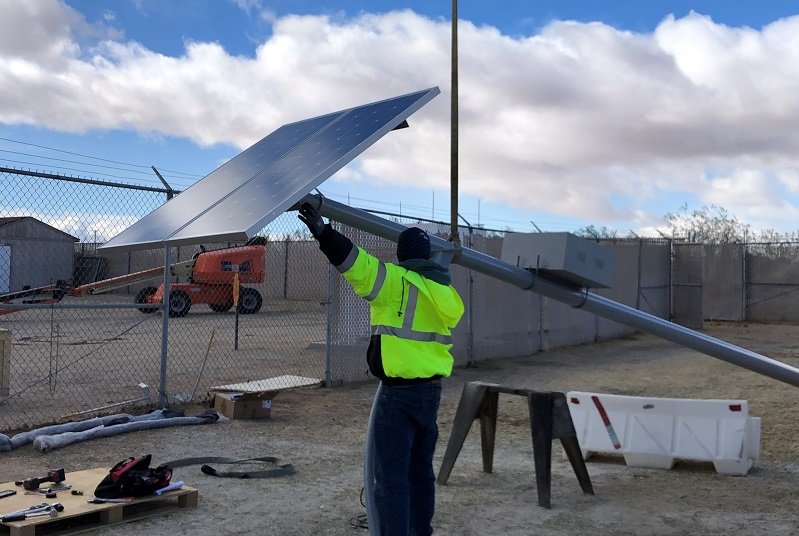
Clean Solar Panels and Fixtures
Cleaning the solar panels improves sunlight absorption and power generation.
I usually begin with a soft cloth and mild soap water, wiping panels gently. Don’t use high-pressure water or rough brushes; those scratch the surface and permanently reduce efficiency.
Also, check for cracks or shading from new tree growth — shading reduces the current even if only part of the panel is covered.
Inspect Poles, Wiring, and Connectors
Strong structures mean safe lighting, especially before heavy rains.
In most of our installations, bolts loosen slightly after months of wind. I always tighten all fittings, inspect connectors for rust, and replace old cables. Sometimes a single loose nut can bring down a whole lamp head — I’ve seen that happen twice in Busia County.
Battery Inspection and Cleaning
Healthy batteries keep the lights running all night.
Test each battery’s voltage using a simple multimeter. If readings fall below 11.8V regularly, it’s time to plan a replacement. I clean terminals with baking soda solution and make sure the seals are tight to stop moisture sneaking in during storms.
🌱 Spring Maintenance Checklist
- [ ] Clean panels and fixtures
- [ ] Inspect poles, brackets, and bolts
- [ ] Test battery voltage and charge rate
- [ ] Reseal battery boxes
- [ ] Record and plan follow-up checks
Summer Maintenance for Solar Street Lights
Summer maintenance protects your system from heat stress and UV damage.
Hot months can quietly destroy battery performance and fade plastic fixtures. I’ve learned the hard way — one year in northern Tanzania, we lost half a batch of batteries due to overheating. Since then, I treat heat management as priority.

Prevent Overheating and Sun Damage
Check ventilation and prevent components from overheating.
Batteries must breathe. Make sure the housing has ventilation holes, but not big enough for insects. I also shade controllers and wiring paths wherever possible. UV rays crack insulation faster than you think.
Monitor Solar Panel Efficiency
Keep an eye on power generation numbers.
I usually record daily charge current — just a quick glance from the controller display. A steady drop means cleaning is needed or a cell is damaged. Bird droppings, believe me, block more sunlight than you’d expect.
Adjust Settings for Longer Daylight Hours
Optimize operation for summer conditions.
Since daylight lasts longer, reduce lighting duration to avoid battery over-discharge. I also test motion sensors to make sure they trigger only when needed — saving stored energy for later hours.
☀️ Summer Maintenance Checklist
- [ ] Inspect for heat and UV damage
- [ ] Record daily energy yield
- [ ] Clean panels weekly
- [ ] Adjust timers for longer days
- [ ] Test sensors and controllers
Fall Maintenance for Solar Street Lights
Fall maintenance prepares the system for cold, cloudy months ahead.
Leaves, dust, and small branches can pile up fast during this time. In Uganda, I often find blocked drainage holes and water pooling inside light housings — a big risk before the rains.
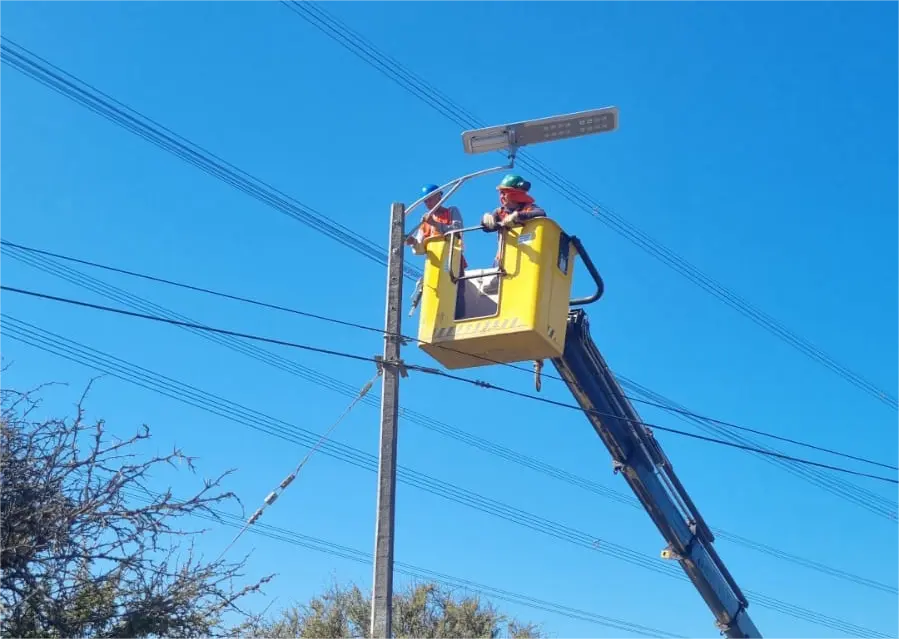
Clear Debris and Fallen Leaves
Remove debris to prevent shading and drainage blockage.
I sweep off leaves using a soft brush and check panel corners for buildup. If water sits long on the surface, it stains glass and lowers panel clarity. Simple daily cleaning avoids big issues later.
Adjust Panel Angles for Lower Sunlight
Tilt panels slightly for better light capture as the sun lowers.
I adjust panels by 10–15 degrees depending on latitude. In central Africa, that small change can add an extra 5–8% energy gain during short days. It’s a quick job but brings visible improvement.
Battery and Wiring Pre-Winter Check
Test battery capacity and fix insulation before cold arrives.
Check cable covers and connections. If you see cracks from summer heat, wrap them with insulation tape. Replace any cable showing copper exposure — it’s a corrosion trap once moisture comes.
🍂 Fall Maintenance Checklist
- [ ] Remove debris and clean drainage
- [ ] Adjust panel tilt angle
- [ ] Test charging rate
- [ ] Re-insulate damaged cables
- [ ] Replace weak batteries early
Winter Maintenance for Solar Street Lights
Winter maintenance keeps lights reliable in cold and low-sunlight conditions.
Even if Africa doesn’t see snow everywhere, cold nights and foggy mornings still hit performance hard. This is when weak systems reveal themselves.

Keep Panels Free from Snow and Ice
Always remove snow or frost gently to protect panel surfaces.
In highlands or colder zones like Lesotho, I use a soft plastic scraper, never metal. Scratches don’t just look bad—they cut light capture permanently.
Protect Wiring and Batteries from Cold Damage
Cold weakens battery chemistry and makes cables brittle.
I check for cracks and seal openings with waterproof tape. Battery housings must be insulated. When temperatures drop below 10°C, weak batteries can lose half their capacity overnight.
Monitor Lighting Performance During Short Days
Shorter daylight means less charging time.
I slightly increase tilt and reduce light hours to keep the battery balanced. If I notice lights dimming early, that’s a signal of undercharging — time to inspect panels again.
❄️ Winter Maintenance Checklist
- [ ] Remove frost and snow from panels
- [ ] Insulate wiring and battery housings
- [ ] Replace aged batteries
- [ ] Adjust lighting duration
- [ ] Record winter performance
General Maintenance Tips for Solar Street Lights
Consistent inspection keeps your system healthy and predictable.
I maintain a 3-month rotation for all our street light projects — it’s simple but powerful. Teams log each visit, measure voltage, and note panel cleanliness. With this data, we can predict which lights need replacement before failure.
Professional Maintenance and System Updates
Yearly professional servicing extends long-term reliability.
Manufacturers usually recommend replacing LED drivers every few years. I always do it early — better safe than sorry. Also, updating controllers with new firmware often fixes minor efficiency issues you wouldn’t notice manually.
Enhancing System Efficiency
Use technology to simplify maintenance.
Smart sensors, IoT monitoring, and LiFePO₄ batteries give better control and reliability. I started using remote dashboards in 2023 — now I get live alerts when a unit underperforms. That’s the future of maintenance, really.
Safety Considerations During Maintenance
Safety must come before everything, even deadlines.
I’ve seen workers climb poles without helmets — one slip and it’s disaster. Always wear gloves, helmet, and proper shoes. Disconnect circuits before touching any electrical parts. And never, never clean panels during a storm.
Proper training saves both lives and equipment. It’s that simple.
Seasonal Maintenance Checklist Overview
| Season | Key Maintenance Focus | Primary Goals |
|---|---|---|
| Spring | Cleaning, wiring check | Remove dirt & restore efficiency |
| Summer | Overheating prevention | Maintain panel performance |
| Fall | Debris clearing, pre-winter prep | Maximize sunlight capture |
| Winter | Snow removal, insulation check | Ensure operation in cold weather |
Common Problems Found During Seasonal Maintenance
| Issue | Cause | Recommended Action |
|---|---|---|
| Battery degradation | Over-discharge or aging | Replace with LiFePO₄ type |
| Sensor malfunction | Moisture or calibration drift | Clean and recalibrate |
| Wiring corrosion | Poor insulation | Apply anti-rust coating |
| Low light output | Panel shading | Clear obstructions and reorient panel |
FAQs About Seasonal Solar Street Light Maintenance
How often should solar street lights be serviced?
Every 3 months, with major inspection annually. Regular care avoids sudden system failure.
What’s the best cleaning method for solar panels?
Use soft cloth, mild soap, and clean water. Avoid strong pressure or metal tools — they scratch.
How can I extend battery life in extreme weather?
Keep housing dry, replace weak batteries on time, and reduce discharge depth. It’s simple routine, but it works.
Conclusion – Keep Your Solar Street Lights Reliable Year-Round
Consistent maintenance saves money and ensures safe, bright streets year after year.
I’ve seen towns in Uganda and Tanzania achieve over 98% uptime just by following seasonal routines. That’s not luck — it’s discipline.
Solar street lights are like people — they last longer when cared for regularly. So keep your maintenance calendar updated, teach your teams well, and let your lights tell the story of reliability across every season.