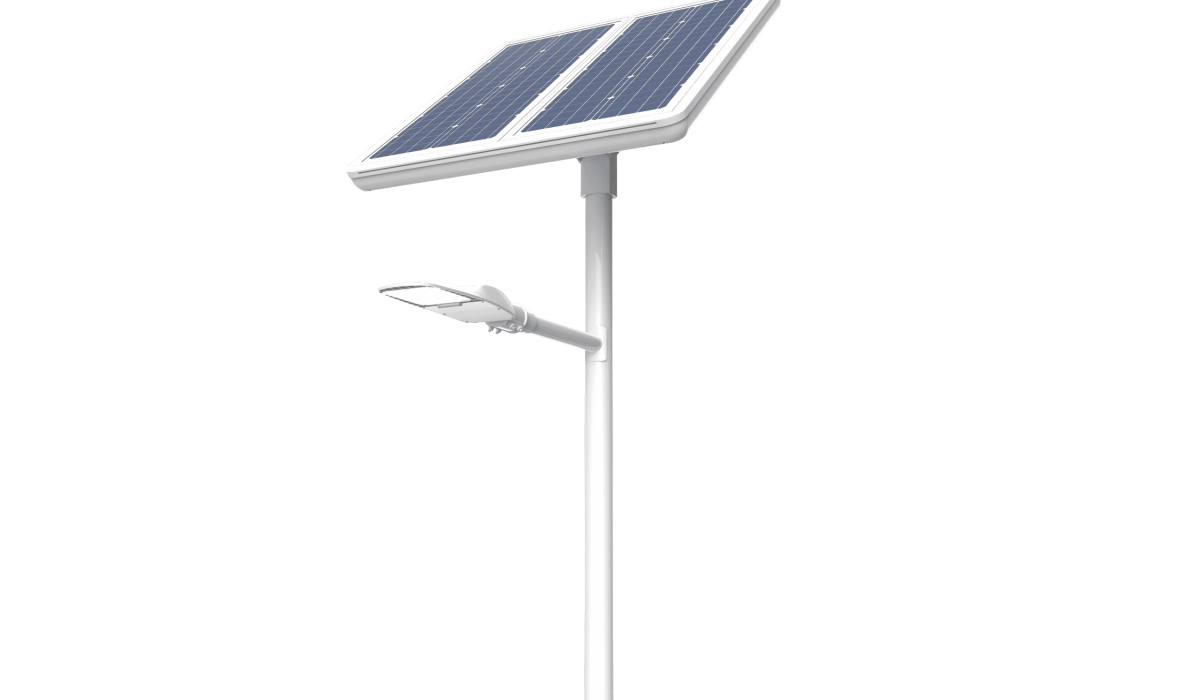
A leaning or wobbly light pole is not just a cosmetic issue. It is usually an early warning sign that something in the foundation, base connection, or site condition is no longer working as intended.
In project terms, unstable light poles usually trace back to one of three areas:
- the foundation is undersized, damaged, or poorly matched to the site
- the anchor bolt assembly is loose, misaligned, corroded, or fatigued
- wind, soil, drainage, or attachment loads were not properly checked during design or installation
For EPC teams, municipalities, maintenance contractors, and site reviewers, the real goal is not only to straighten the pole. The real goal is to identify the root cause before the same failure repeats.
Need help reviewing a leaning or unstable pole?
If your site shows repeated base movement, loose anchor bolts, uncertain footing depth, or unclear design assumptions, start here:
Request Engineering Support
See Foundation Design Reference
View Project References
Why Light Pole Instability Is Often Misdiagnosed
A pole may look like it has “just shifted a little,” but visible lean is usually only the surface symptom.
In practice, instability may be linked to:
- insufficient foundation depth or footing size
- weak, wet, or poorly compacted supporting soil
- poor drainage around the base
- missing or incorrect bolt tension
- misalignment during installation
- oversized fixtures, banners, cameras, or added attachments
- wind exposure that exceeded the original design assumptions
That is why a corrective plan should not begin with cosmetics. It should begin with a root-cause check.
Cause #1: Foundation Depth or Foundation Design Is Not Right for the Site
Most long-term pole stability problems start below grade. If the footing is too shallow, too small, poorly reinforced, or poorly matched to the soil, the pole may gradually lean, crack, or loosen at the base.
A light pole foundation should be checked against the actual project conditions, not only against a rough field rule.
What Usually Changes Foundation Requirements
Foundation depth and footing design are commonly influenced by:
- pole height
- fixture size and effective projected area
- bracket or outreach geometry
- local wind exposure
- soil bearing condition
- drainage condition
- whether the pole carries banners, cameras, signage, or other added loads
- governing code or project standard
Field rules can be useful for early discussion, but final design should be based on actual loading and site conditions.
Signs the Foundation May Be Failing
Common warning signs include:
- the pole is visibly leaning, even slightly
- gaps appear between the base plate and concrete
- cracks form around the footing or grout line
- the pole sways more than expected in wind
- repeated movement appears after heavy rain
If the site is public-facing or carries added loads, corrective work should be reviewed by a qualified engineer rather than handled as a simple cosmetic repair.
What Corrective Work May Involve
Depending on the failure mode, corrective work may include:
- excavation and inspection around the base
- footing enlargement or a concrete collar, where appropriate
- full redesign and reconstruction of the foundation
- improved drainage near the base
- deeper or different support logic where soil conditions are weak
- engineered retrofit options for removable poles
The right fix depends on the actual cause. Adding more concrete without confirming the root problem can waste time and still fail later.
Cause #2: Anchor Bolts Are Loose, Misaligned, Corroded, or Fatigued
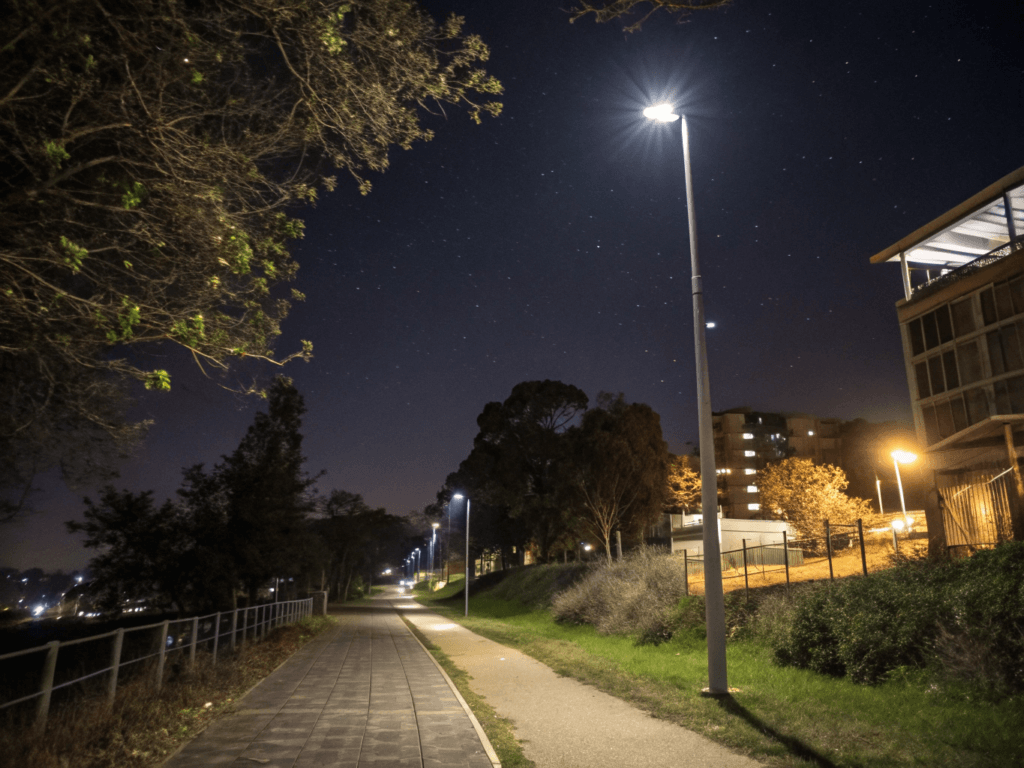
Loose or poorly aligned anchor bolts are one of the most common reasons a pole begins to rock at the base.
The pole may still look acceptable from a distance, but small movement at the bolt assembly can gradually create fatigue, uneven load transfer, and progressive instability.
What Anchor Bolt Problems Usually Look Like
Typical signs include:
- slight rocking at the base plate
- gaps between washers, nuts, and plate
- visible tilt in the base plate
- corrosion on exposed threads or hardware
- movement that becomes more noticeable after wind or rain cycles
These issues are especially common when installation quality was weak, bolt templates were not controlled properly, or later re-tightening was never carried out.
Why Bolt Alignment and Tension Matter
The anchor bolt assembly is what transfers load from the pole into the foundation.
If the bolts are unevenly tightened, misaligned, corroded, or poorly seated:
- the base plate may not bear evenly
- some bolts may carry more load than others
- vibration can increase over time
- cracking risk at the base can rise
- long-term fatigue can develop faster
In field reviews of municipal and off-grid lighting projects, recurring installation issues often include skipped double-nutting, poor washer seating, and failure to verify the specific torque requirement for the pole system. These small installation mistakes are a common reason why preventable pole wobbling shows up later at the base.
Bolt tension should be checked against the manufacturer requirement, project standard, or engineer-approved value for that specific pole system. It should not be treated as one universal number for all poles.
What to Check Before Re-Tightening or Replacing Bolts
Before any repair:
- isolate power and secure the area
- brace the pole if there is any sign of instability
- inspect threads, nuts, washers, and seating surfaces
- verify whether the base plate is level and bearing correctly
- check whether corrosion or cracking is already present
- confirm whether replacement hardware must match structural requirements
If bolts are damaged or broken, repair should follow a structural repair method that is appropriate for the pole and loading condition.
Cause #3: Wind, Soil, and Drainage Were Not Properly Accounted For
Light poles do not fail in isolation. They fail within real site conditions.
Wind, soil, and water are often the hidden reasons why one pole performs well for years while another begins to lean much earlier than expected.
Why Wind Matters More Than Many Installers Expect
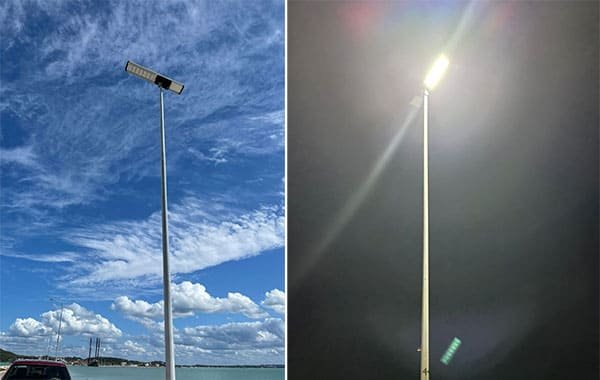
Wind affects:
- the pole shaft
- the luminaire and bracket
- banners, cameras, or added accessories
- dynamic movement over time
- anchor bolt demand
- footing demand below grade
A taller pole or a larger attachment package can change the loading condition significantly. Final design should follow the governing code and actual project geometry rather than a generic regional assumption. Depending on the market, this may include structural support and lighting-column standards such as AASHTO specifications for signs, luminaires, and traffic signals, or EN 40-3-1 for lighting column loads and verification.
Why Soil and Drainage Matter
Even a good pole and fixture can become unstable if the supporting ground is weak, wet, poorly compacted, or repeatedly washed out.
Common site risks include:
- loose sandy soil
- soft wet soil
- poorly compacted backfill
- trapped water around the footing
- erosion after storms
- fill material that was never properly engineered
In these cases, repeated leaning may continue unless the support condition below grade is corrected.
What Corrective Work May Involve
If instability is tied to site conditions, the solution may involve:
- soil review and re-excavation
- deeper or redesigned footing support
- improved drainage
- better backfill compaction
- rebar or footing redesign where required
- alternative support methods for weak or wet ground
The key point is simple: if the site condition caused the problem, hardware-only repair may not solve it.
Other Factors That Can Make a Light Pole Unstable
Not every failure begins with the footing alone.
Other contributors may include:
- poor backfilling or poor compaction
- vibration from nearby traffic or machinery
- oversized or later-added fixtures
- added banners, CCTV, signs, or smart attachments
- installation errors that left the pole out of plumb from day one
This matters because a pole that was stable under one configuration may become unstable after attachments or operating conditions change.
What Reviewers Should Check Before Approving a Corrective Plan
Before approving a repair or replacement strategy, it helps to verify:
- whether the root cause has been identified
- whether the foundation has been inspected, not just assumed
- whether the anchor bolt condition is documented clearly
- whether added attachments changed the original loading
- whether wind, soil, and drainage were considered
- whether the corrective method is matched to the actual failure mode
This is usually where buyers can tell the difference between a quick patch and a safer engineering-led solution.
Need a corrective plan that is easier to review and easier to approve?
If you need help with foundation logic, bolt condition review, site checks, or engineering support documentation, start here:
Request Engineering Support
See Foundation Design Reference
View Project References
Quick Stability Checklist for Light Pole Installations
| Question | Target Direction |
|---|---|
| Has the foundation been checked against actual pole, fixture, wind, and soil conditions? | Yes |
| Are anchor bolts, nuts, washers, and seating surfaces in good condition? | Yes |
| Is the base plate level, tight, and bearing properly? | Yes |
| Have wind exposure and added attachments been considered? | Yes |
| Have soil, drainage, and backfill conditions been reviewed? | Yes |
Use this checklist before handover, before corrective work, and after severe weather events.
How Buyers Usually Shortlist a Supplier for Pole Stability Support
For corrective work, buyers usually move one supplier ahead of another when:
- the root-cause logic is clear
- the explanation is easier to review internally
- the proposal does not rely on one universal rule
- the team can connect field symptoms to actual structural causes
- the support package is practical for correction, approval, and follow-through
Buyers who want to see how engineering support connects to real delivery can also review project references.
FAQs About Unstable Light Poles
Can I straighten a leaning light pole without rebuilding the foundation?
Sometimes, but only if the root cause is minor and clearly identified. If the footing is cracked, undersized, washed out, or unsupported by weak soil, straightening alone is usually not the safest long-term fix.
What is the minimum depth for a 20-foot light pole?
There is no single universal minimum that fits every project. Pole height is only one factor. The required depth can change with fixture load, wind exposure, soil condition, drainage, and the governing design standard.
How often should pole base bolts be inspected?
Inspection frequency depends on exposure and site importance, but bolt condition should be checked during routine maintenance and after severe weather, impact events, or visible movement.
What causes a light pole to lean after heavy rain?
Heavy rain can weaken poorly compacted backfill, expose drainage problems, soften supporting soil, or reveal that the original footing was already marginal for the site.
Can loose anchor bolts make a light pole unstable?
Yes. Loose or misaligned anchor bolts can create movement at the base plate, leading to vibration, uneven load transfer, fatigue, and progressive instability over time.
Conclusion
A leaning light pole usually points back to one of three root causes: foundation problems, anchor bolt problems, or missing site-condition checks such as wind, soil, and drainage.
The safest approach is not to treat instability as a surface defect. It is to identify the real cause, review the loading and support condition, and match the corrective work to the actual failure mode.
A stable light pole starts with sound design logic and stays stable through proper installation, inspection, and follow-through.