
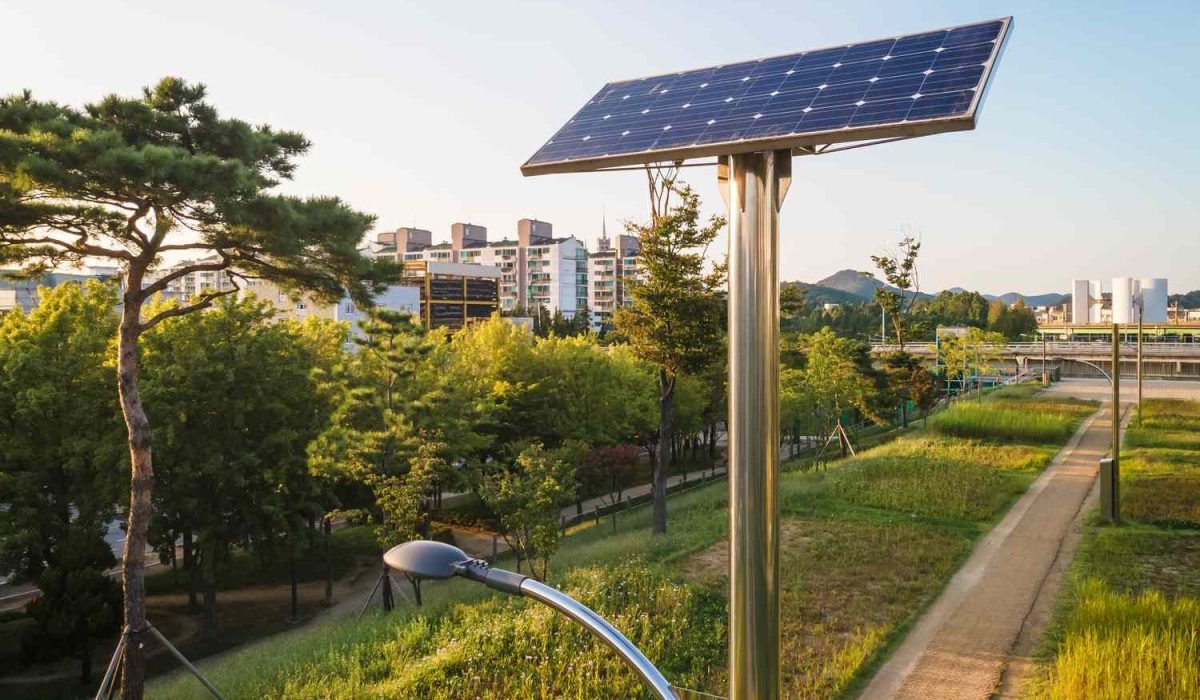
By 2050, an estimated 60% of the world’s population will live in cities, leading to a surge in demand for urban lighting. Street lighting is a major contributor to municipal energy consumption, straining city budgets. LED streetlights, as a highly efficient solution, are gaining increasing attention.
Cities worldwide face the challenge of balancing safety, economic growth, and sustainability while managing rising energy costs. Traditional streetlights consume significant amounts of electricity, requiring frequent maintenance and contributing to high carbon emissions. LED street lighting offers a sustainable and cost-effective alternative, providing superior illumination while reducing financial and environmental burdens.
Key Benefits of LED Street Lighting
1. Boosting Economic Growth and Public Safety
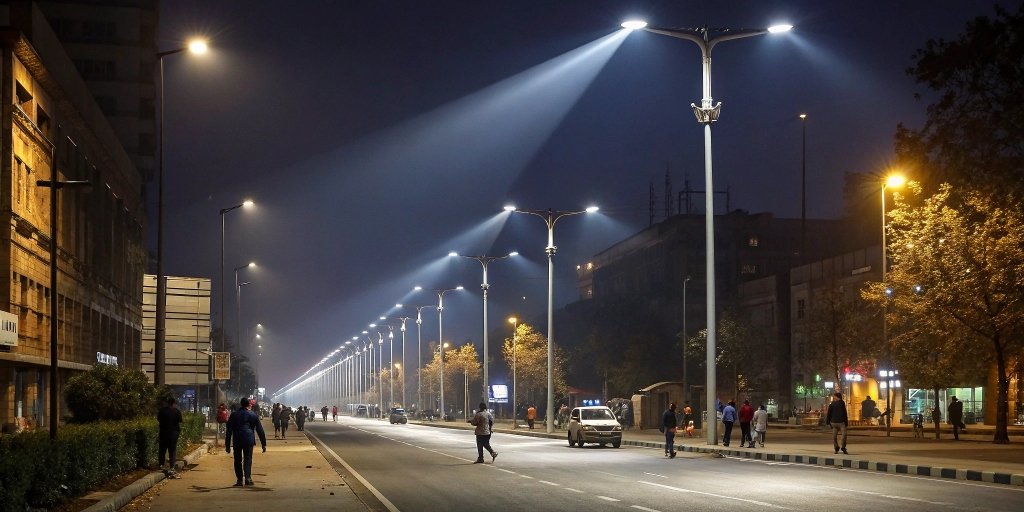
LED street lighting extends nighttime business hours, driving economic activity in retail, dining, and entertainment sectors. Studies show that well-lit streets can reduce crime rates by up to 20% and traffic accidents by up to 35%.

How LED Lighting Supports Economic Development
- Encourages nightlife and tourism – Well-lit streets create vibrant urban environments that attract businesses and visitors.
- Enhances community safety – Improved visibility deters crime, reducing the likelihood of thefts, vandalism, and assaults.
- Supports 24-hour economies – Many global cities rely on extended work shifts and night markets that require reliable lighting.
Numerous cities have reported lower crime and accident rates after switching to LED streetlights. For example, Los Angeles saw a 10% decrease in nighttime crime after implementing an LED lighting project.
2. Energy Efficiency and Reduced Financial Burden
LED lighting consumes 40-60% less energy than traditional lighting, significantly cutting operational costs. A nationwide switch to LED outdoor lighting in the U.S. could eliminate as much carbon output as removing 8.5 million cars from the road annually.

The Financial Impact of LED Street Lighting
| Factor | Traditional Streetlights | LED Streetlights |
|---|---|---|
| Energy Consumption | High | 40-60% Lower |
| Carbon Emissions | High | Significantly Reduced |
| Lifespan | 10,000-15,000 hours | 50,000-100,000 hours |
| Maintenance Costs | Frequent bulb replacement | Minimal maintenance |
| Budget Impact | Heavy financial burden | Frees funds for other services |
💡 Case Study:
- In Quezon City, Philippines, street lighting accounts for 65% of the city’s electricity costs.
- In Indian municipalities, street lighting expenses range from 5-20% of local government budgets.
- Savings from LED conversion can be redirected to healthcare, education, and public sanitation services.
Challenges in Implementing LED Street Lighting
1. High Initial Investment Costs
LED streetlights cost 2-4 times more than traditional high-pressure sodium (HPS) lamps upfront. The financial feasibility depends on factors such as exchange rates, import taxes, local manufacturing capabilities, and procurement scale.

Barriers to Adoption:
- High upfront costs – Many municipalities lack the financial resources for mass LED adoption.
- Limited financing options – Developing nations often have lower credit ratings, leading to high borrowing costs.
- Procurement inefficiencies – Without bulk purchasing strategies, smaller cities may struggle with affordability.
2. Institutional and Policy Barriers
Many city administrations lack the technical expertise or regulatory framework to manage LED streetlight implementation effectively.

Key Challenges:
- Public skepticism – Lack of awareness about LED benefits results in resistance from policymakers and citizens.
- Regulatory gaps – Absence of clear government policies delays widespread adoption.
- Limited municipal expertise – Many cities lack the capacity to plan, procure, and manage LED street lighting projects.
Solutions: Global Best Practices and Case Studies
1. Collaborative Procurement (Canada)
✅ Ontario’s municipal consortium enabled multiple cities to collectively purchase LED lighting, reducing costs and increasing procurement efficiency.
2. Super-ESCO Model (India)
✅ The Indian government established a Super-ESCO (Energy Services Company) to standardize LED procurement and facilitate large-scale financing, cutting LED prices through bulk purchasing.
3. Private ESCO Financing (India)
✅ Private energy service companies (ESCOs) invest in LED infrastructure, earning returns through long-term energy savings.
Example: Adani Energy Limited (AEL) successfully deployed this model in central and northwestern India.
4. Leasing & Private Financing (Mexico)
✅ In Guadalajara, Mexico, the city leased LED streetlights from private firms with financial backing from the World Bank and state government guarantees.
5. Municipal Self-Financing (Philippines)
✅ Quezon City funded LED streetlights using municipal revenue, reducing high public lighting costs and ensuring long-term savings.
6. Public-Private Partnerships (PPP) (UK)
✅ Birmingham, UK, bundled LED streetlights with road and bridge infrastructure upgrades under a PPP model, cutting transaction costs and improving city-wide infrastructure.
Conclusion: The Future of LED Street Lighting
🌍 LED street lighting is one of the most visible and impactful urban energy efficiency projects worldwide.
🏙️ Through government incentives, private investment, and innovative financing, cities can accelerate the adoption of LED streetlights.
💡 As urbanization increases, prioritizing LED street lighting is crucial for enhancing energy efficiency, reducing carbon emissions, and optimizing public budgets.
With the right policies and financial models, LED street lighting will illuminate the future of sustainable urban development.