The first time I saw a pole snap was in Jinja. It wasn’t during a storm—the base had quietly rusted until it gave way on a sunny afternoon. Nobody was hurt, but the shock on people’s faces told me something I’ll never forget: when a pole fails, it shakes trust, not just steel.
A light pole is more than a stick holding a lamp—it defines the safety and lifespan of the entire lighting system. And yet, even after years in this industry, I’ve seen engineers, contractors, and clients argue endlessly about what matters most.
Durability: Whose Fault Is It, Really?
Ask ten engineers and you’ll get ten answers. Some will insist it’s about steel thickness, others about protective coating. My view? Bad installation has ruined more poles than weak steel ever did.
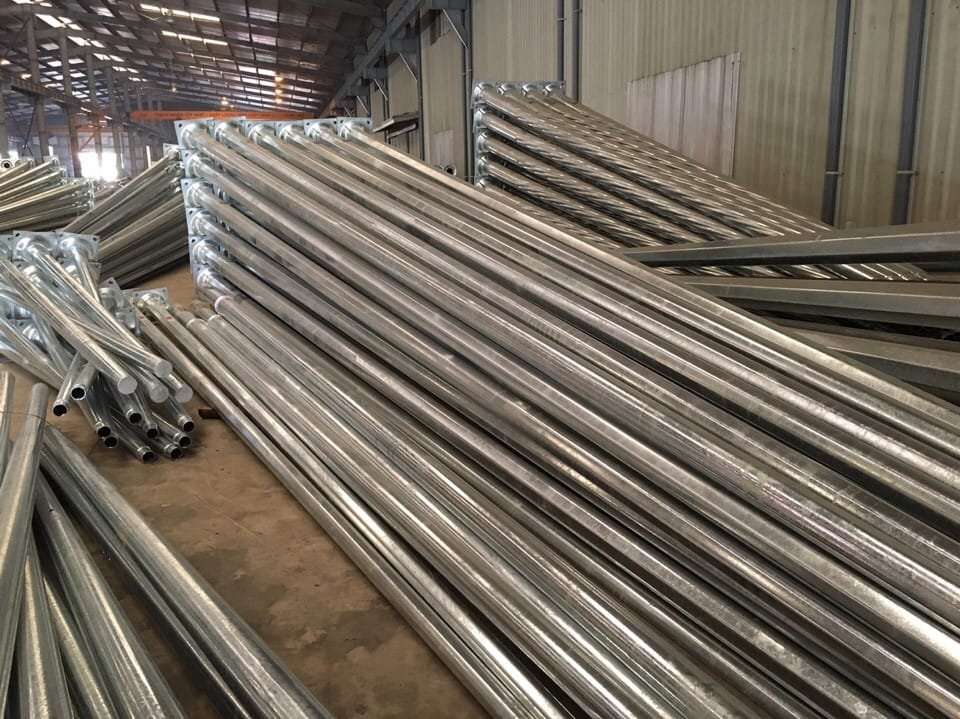
In one Ugandan township, we used high-grade galvanized steel. On paper, the spec was bulletproof. Six months later, half the poles leaned like tired soldiers. Why? Shallow concrete bases. The steel wasn’t to blame—the workmanship was.
Materials: Not Just a Spec Sheet, but a Logistics Puzzle
Steel, aluminum, and concrete all have their place. But the choice often comes down to context, not catalog.
- Steel: Strong, affordable, widely available. Needs galvanizing.
- Aluminum: Light, corrosion-resistant, costly. Great where transport is tough.
- Concrete: Durable but unforgiving to move.
Concrete sounds great until you try hauling 12-meter poles down a muddy road in rainy season. In one South Sudan project, we spent more on tractors pulling stuck trucks than on the poles themselves.
Wind Resistance: Math vs. Soil
Design charts make wind loads look straightforward. Reality doesn’t.
One consultant insisted on taller poles for a plateau project. The math checked out, the supplier approved it. Two months later, half leaned awkwardly. The culprit wasn’t the steel—it was soft soil that hadn’t been compacted properly.
Wind, height, soil—ignore any one of them, and the pole will remind you.
Surface Treatments: Paint Isn’t Enough
Paint looks good for the first year. Then rust creeps in.
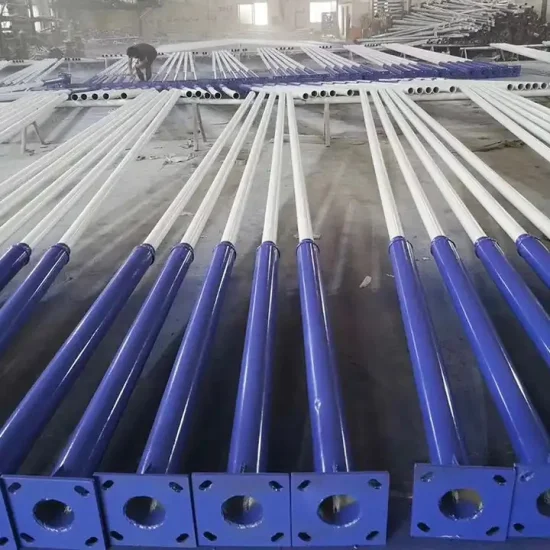
- Hot-dip galvanizing lasts decades if done right.
- Powder coating adds color and style, but it’s cosmetic unless paired with galvanizing.
- Plain paint? Cheap at first, expensive later.
In Mombasa, poles without galvanizing corroded in three years. In Kisumu, galvanized-only poles lasted 15. The difference wasn’t luck—it was chemistry.
Some suppliers now push epoxy coatings as the next big thing. I’m not yet convinced—it looks good in brochures, but we’ve seen too little long-term data in East Africa. This debate is still unresolved.
Installation: A Story from Kibaha
We planned for 40 poles in five days. Day one, the cement truck arrived six hours late. We improvised with temporary anchors. By day two, a gust knocked one over.
One foreman muttered, “We’ll be back here in six months if we don’t redo this properly.” He was right.
Installation guides rarely mention panic improvisation, but that’s often the reality. A pole is only as stable as the soil, concrete, and patience put beneath it.
Maintenance: The Quiet Discipline
Most clients assume poles need no care. Then five years later, one falls, and everyone blames the supplier.
Routine checks matter:
- Look for corrosion at the base
- Re-tighten bolts after storms
- Clear water pooling at foundations
In Lira, one pole collapsed because rainwater had sat at the base for years, silently eating the concrete. A $5 drain would have saved a $500 system.
The Price on Paper vs. The Price in Reality
| Application | Pole Height | Material | Average Cost (USD) |
|---|---|---|---|
| Rural road | 6–7m | Steel | $120–$180 |
| Urban street | 9–10m | Galvanized steel | $200–$300 |
| Highway | 12m | Steel/Concrete | $350–$500 |
| Coastal project | 8–10m | Aluminum, coated | $400–$600 |
These numbers look neat—but reality is messier. In South Sudan, transport doubled the project cost, turning a $200 pole into a $450 headache. Always add logistics into your budget, or the pole price will trick you.
Single Arm vs. Double Arm: Not Just an Engineering Choice
Engineers debate load distribution. Users notice shadows and glare.
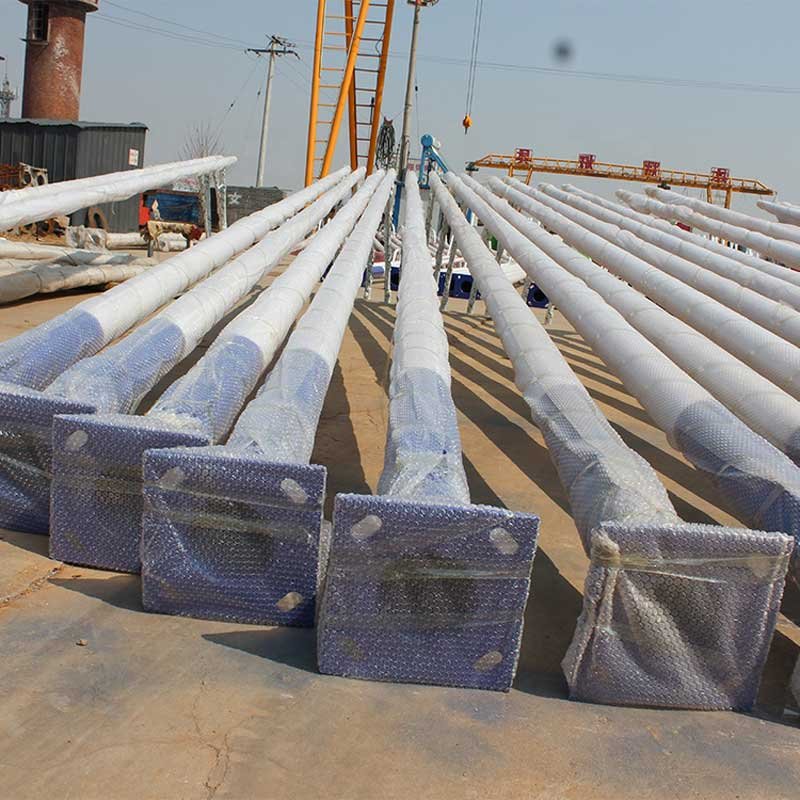
- Single arm poles light one side—simple and cheaper.
- Double arm poles spread light across lanes—more expensive, heavier.
On a Kampala highway, drivers loved the double arms—clearer visibility across all lanes. But shop owners nearby grumbled about glare spilling into storefronts. One design, two very different reactions.
Final Thoughts
If there’s one lesson I’ve learned: a light is only as good as the pole holding it.
And sometimes, that pole carries more than a lamp—it carries the trust of everyone who walks beneath it. The real challenge is knowing where that trust is best placed—and accepting that some answers are still uncertain.