
Split Solar Street Light Systems for Road & Highway Projects
- Separate PV & Battery Layout
- Road / Highway Projects
- IES / DIALux Support
- BOQ & Tender Documents
Project Inputs We Need
- Road width, pole height, and spacing
- PV panel and battery box location
- Working hours and backup days
- Required files: IES, DIALux, BOQ, drawings
Site Review Before Selecting a Split Solar Street Light System
Quick answer: Split solar street lights are suitable when a project needs flexible solar panel placement, larger battery options, easier maintenance access, or separate component positioning. Before quotation, confirm the road width, pole height, spacing, working hours, backup days, battery box location, PV panel direction, and required documents such as IES, DIALux, BOQ, drawings, or datasheets.
Early Inputs Before Quotation
What to confirm: road width, lane quantity, pole height, pole spacing, mounting side, and target lux level.
Why it matters: these inputs affect lamp wattage, optical distribution, pole arrangement, and DIALux simulation.
Risk if ignored: the selected wattage may look acceptable on paper but fail uniformity or acceptance on site.
What to confirm: whether the battery box will be mounted on the pole, placed underground, installed in a cabinet, or protected in another accessible location.
Why it matters: battery position affects maintenance, cable length, theft protection, heat exposure, and installation cost.
Risk if ignored: the site may face difficult maintenance, longer wiring, battery overheating, or higher after-sales risk.
What to confirm: panel orientation, tilt angle, nearby trees or buildings, dust condition, and available installation space.
Why it matters: solar charging depends on real sun exposure, not only panel wattage.
Risk if ignored: the system may undercharge during cloudy seasons or shaded periods, reducing backup autonomy.
What to confirm: full-power hours, dimming schedule, motion sensor requirement, rainy / cloudy backup days, and seasonal operating conditions.
Why it matters: battery capacity and solar panel size must match the actual lighting profile.
Risk if ignored: the lamp may work in the first few months but fail during rainy season or long cloudy periods.
What to confirm: whether the project needs datasheet, IES/LDT file, DIALux / Relux support, BOQ matching notes, product drawing, wiring diagram, foundation reference, packing list, or acceptance checklist.
Why it matters: EPC, government, municipal, UN/NGO, and consultant-led projects often need document support before procurement.
Risk if ignored: the product may be technically acceptable but still fail tender submission, consultant approval, or site handover.
Why Choose Split Solar Street Light?
Separated Component Layout
Lamp head, solar panel, battery, and controller can be arranged separately. This gives more freedom for road projects, special pole structures, and maintenance planning.
Flexible Battery Access
Battery position can be planned for easier inspection, replacement, heat control, and anti-theft protection. This is useful for municipal roads, highways, and remote project sites.
PV Placement Flexibility
The solar panel can be adjusted for better direction, tilt angle, and sun exposure. This helps improve charging performance where the pole location is not ideal.
Project Installation Control
Split systems allow more installation flexibility, but wiring, cable protection, foundation, and component positioning must be confirmed before production.
Engineering note: For split solar street light projects, Sunlurio recommends confirming site layout, solar exposure, battery location, dimming profile, and required tender documents before final quotation.
Engineering Support Deliverables
Note: Available documents depend on confirmed project scope, product configuration, tender requirements, and document stage.
Product & Component Set
Configuration Review
Engineering Documents
Packing, Labels & Handover Support
Featured Split Solar Street Light Series
Explore the Split series that currently have dedicated technical detail pages. For other project configurations, continue with the selection paths below and confirm the final system against road, energy and document requirements.
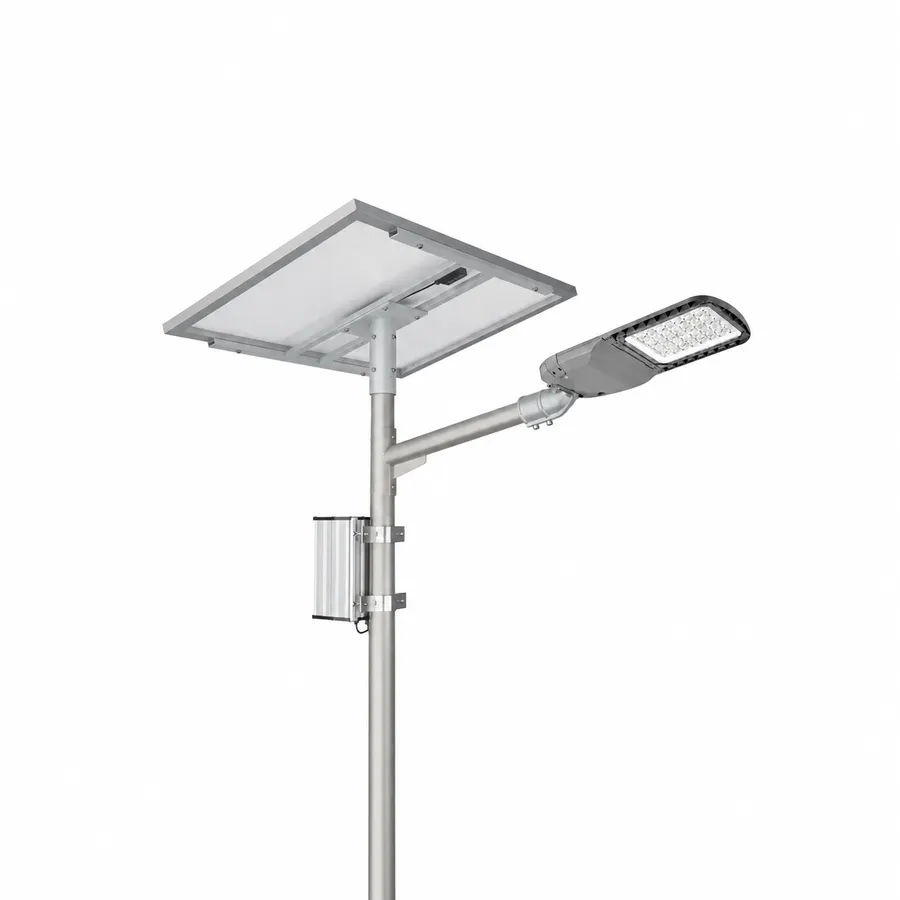
SL-SPL-HC
High Configuration Split Solar Street Light System
- 60–120W luminaire options
- ≥200 lm/W standard nominal efficacy
- External PV module and above-ground LiFePO₄ battery enclosure
- MPPT / Smart MPPT controller options
Best for: Municipal and main roads, industrial access, and EPC or tender projects requiring project-specific solar, battery and optical selection.
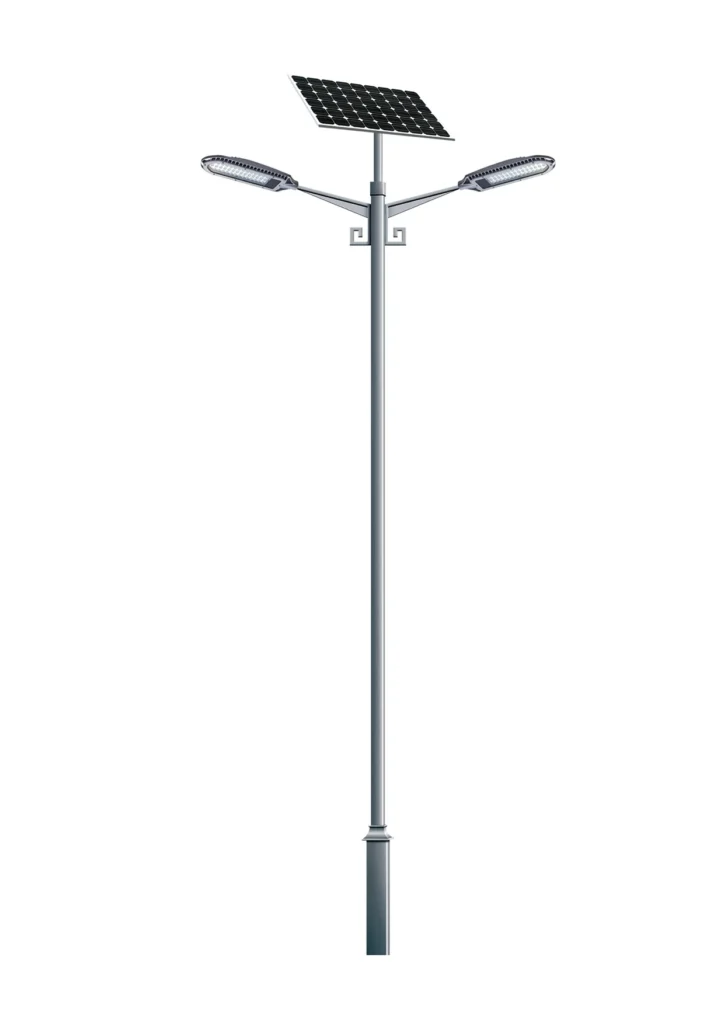
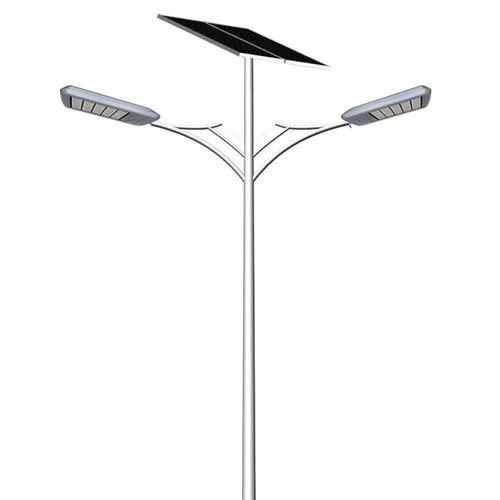
SL-PLUS Double Arm
Double-Arm Split Solar Street Light Kit
Coordinates the pole, two luminaire arms, base plate and anchor bolt interface for project layout review. The PV, battery and luminaire configuration should be confirmed against the road geometry, operating profile and site conditions.
Best for: Wider roads and dual-side lighting layouts that need a coordinated double-arm pole arrangement.
Quick Selection Guide
Model names shown here are for selection reference. Final wattage, battery capacity, solar panel size, and control method should be matched to the project inputs.
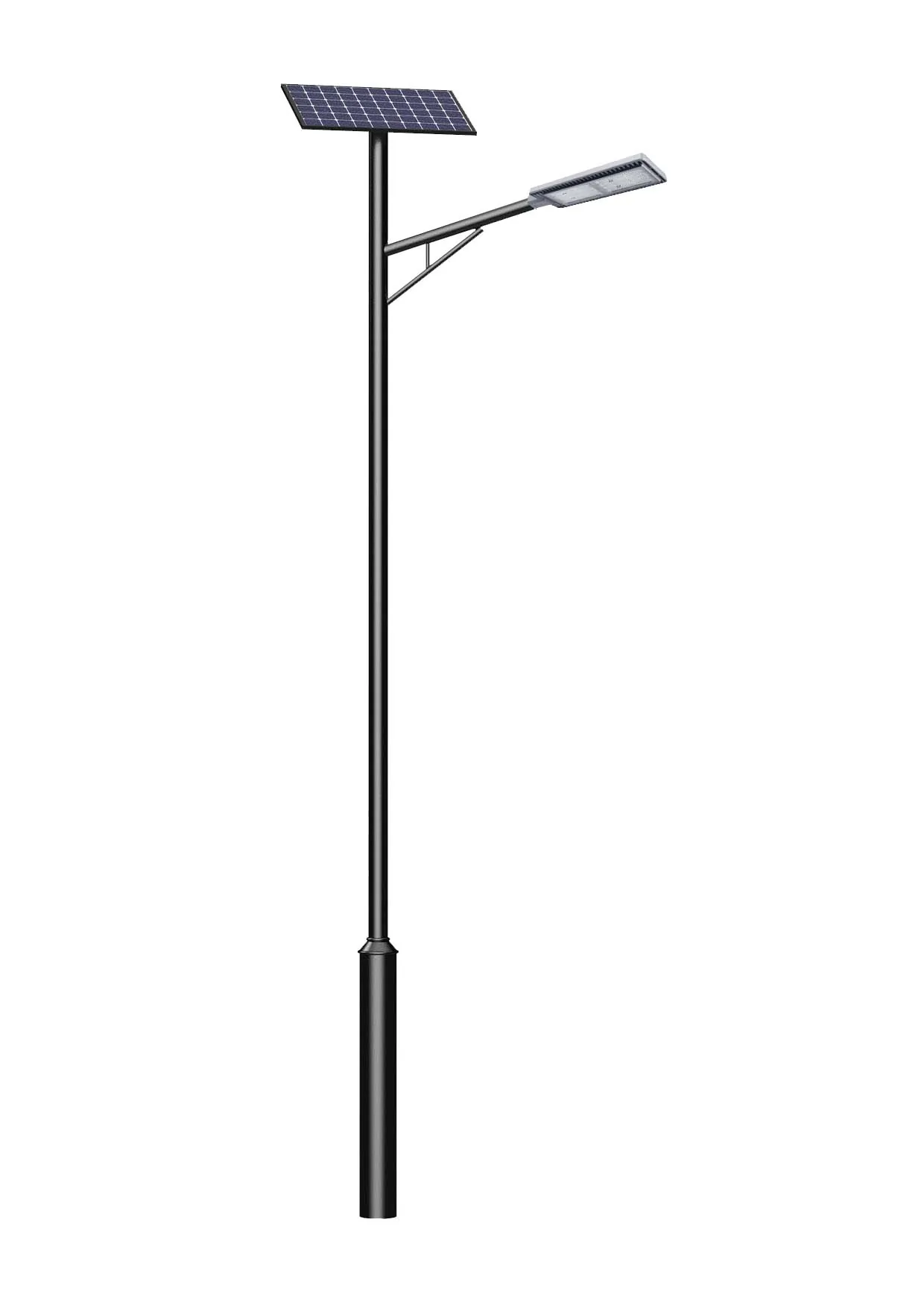
SL-PLUS-01
Best for: Standard split solar street light projects with separated solar panel, lamp head, and battery arrangement.
Key inputs: Road width, pole height, spacing, working hours.
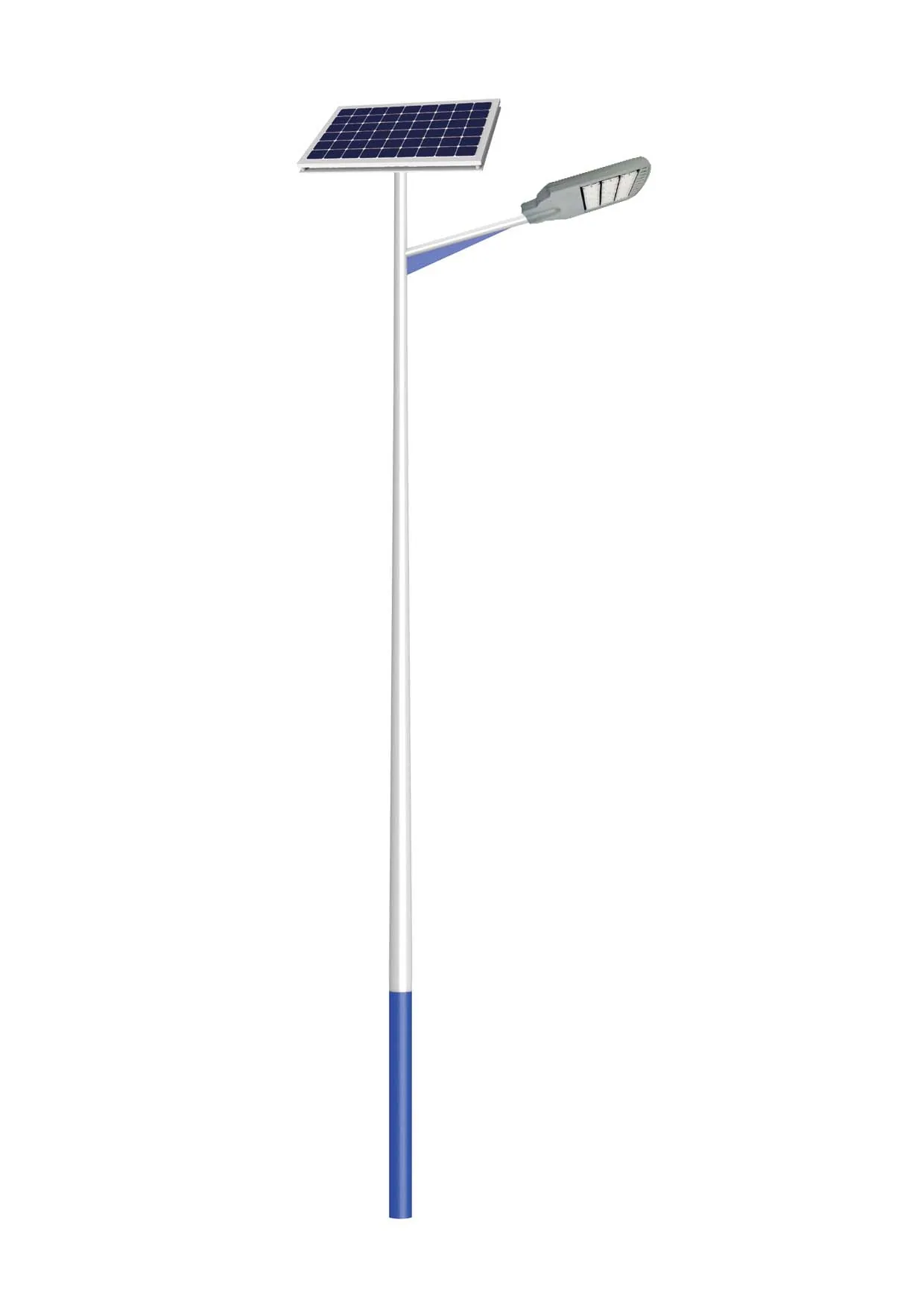
SL-PLUS-02
Best for: Municipal road or public area projects requiring flexible PV placement and separated component layout.
Key inputs: Pole location, panel direction, target lux, backup days.
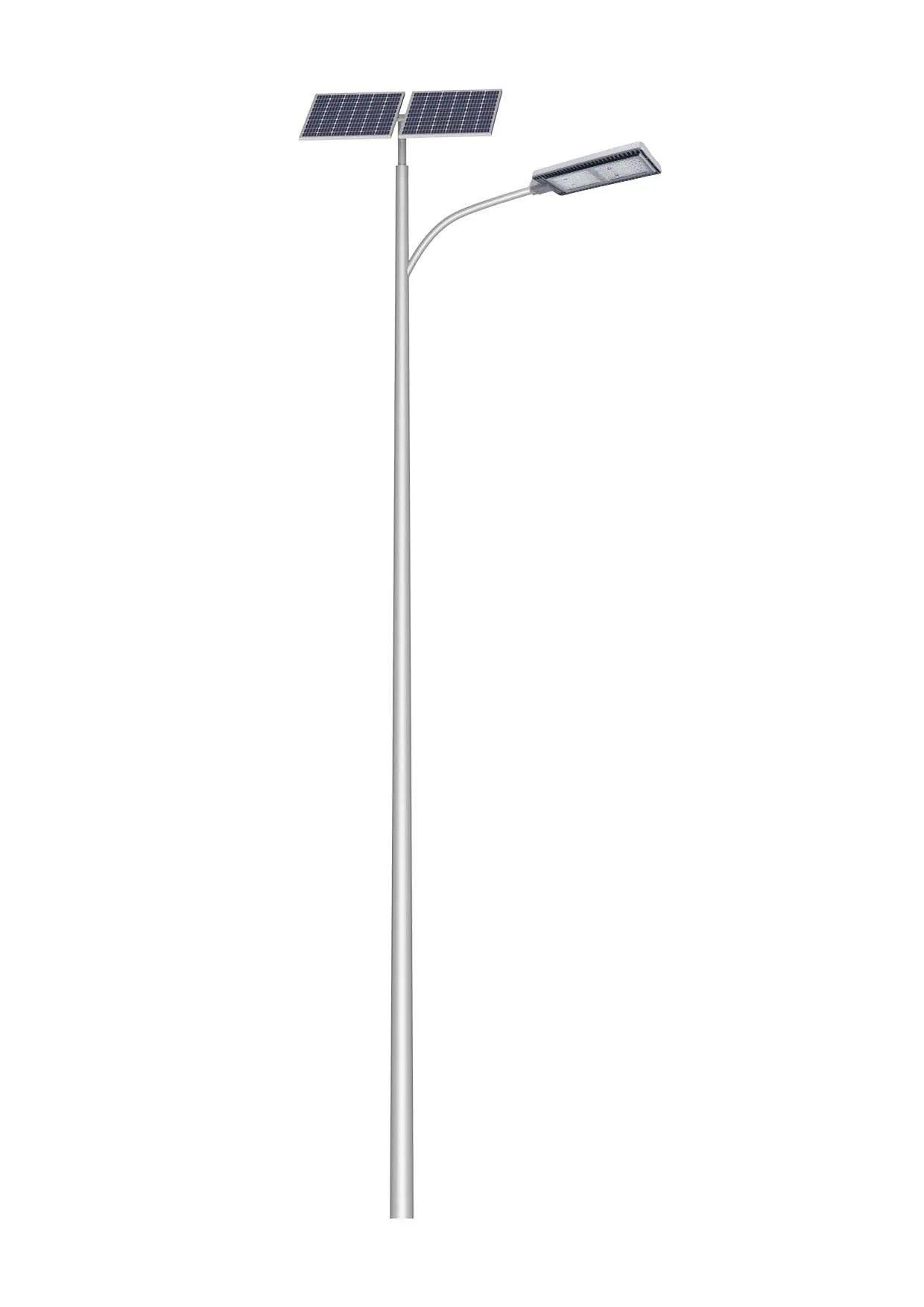
SL-PLUS-03
Best for: Road projects where lighting distribution, pole spacing, and DIALux review need to be confirmed before quotation.
Key inputs: Road class, lane width, pole spacing, IES / DIALux needs.
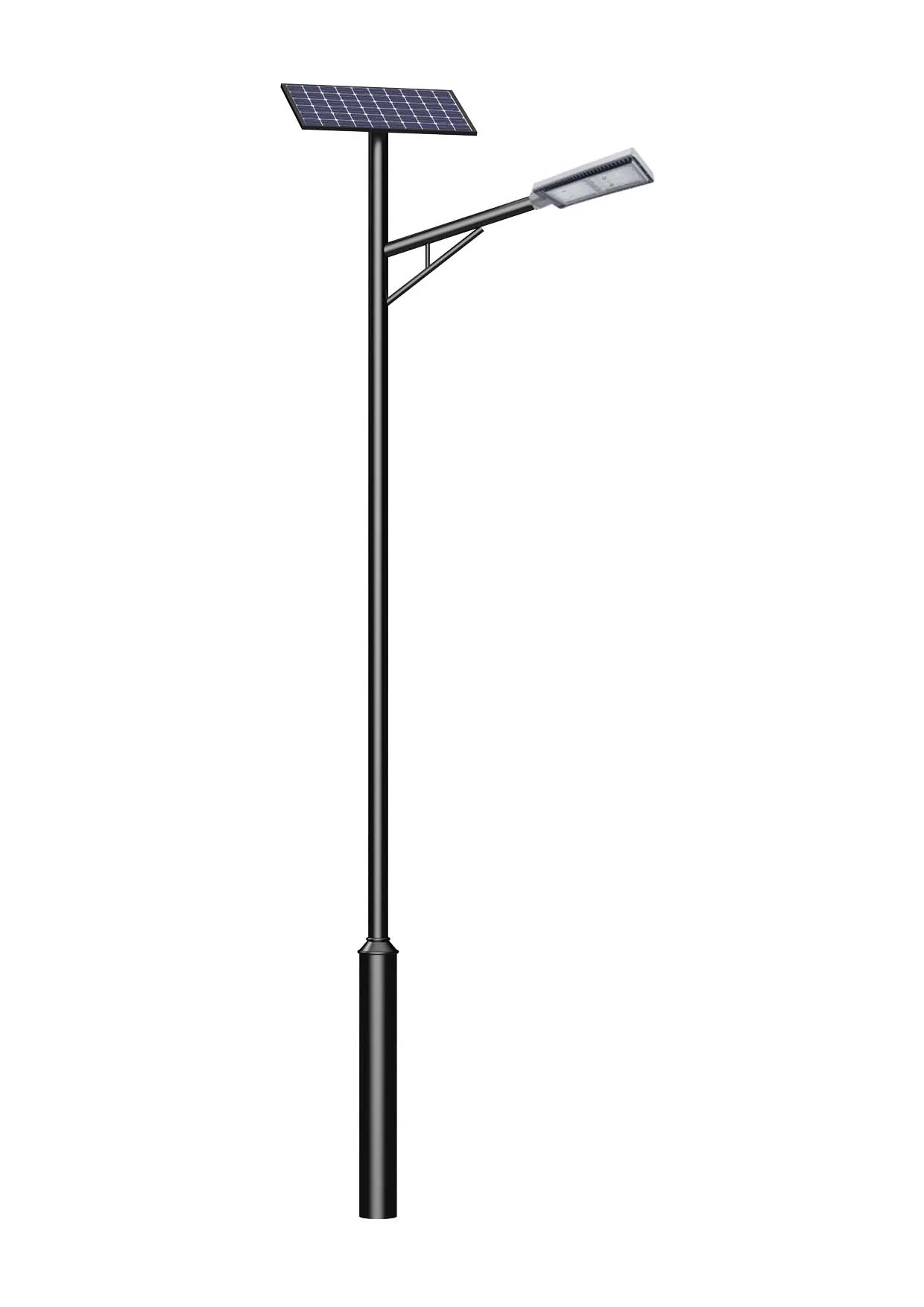
SL-PLUS-04
Best for: Projects needing customized component position, battery access, or BOQ-based model selection.
Key inputs: BOQ, drawings, working profile, battery box location.
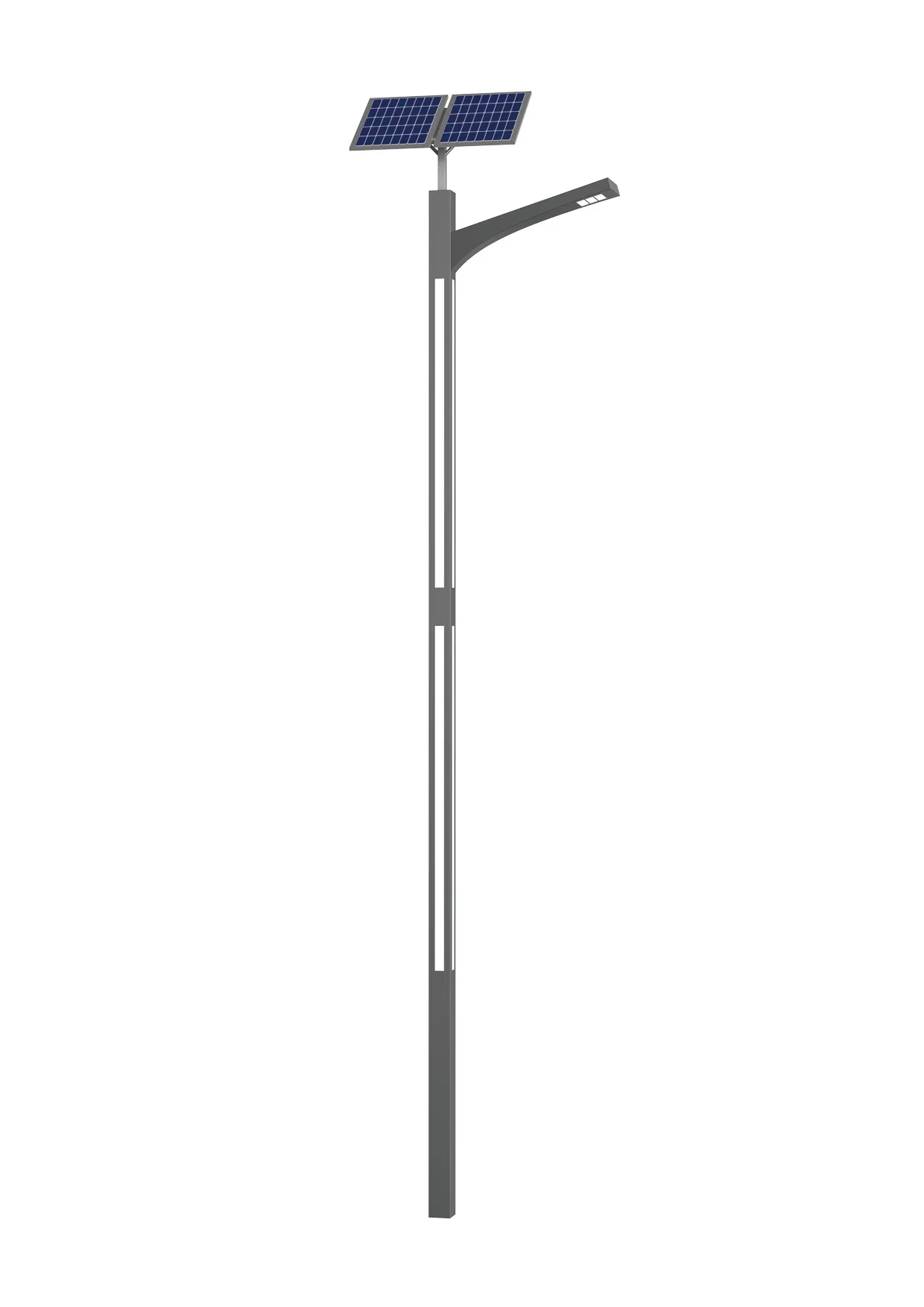
SL-PLUS-05
Best for: Sites where solar panel position, shading, or battery maintenance access requires special planning.
Key inputs: Panel direction, shading condition, cable route, backup days.
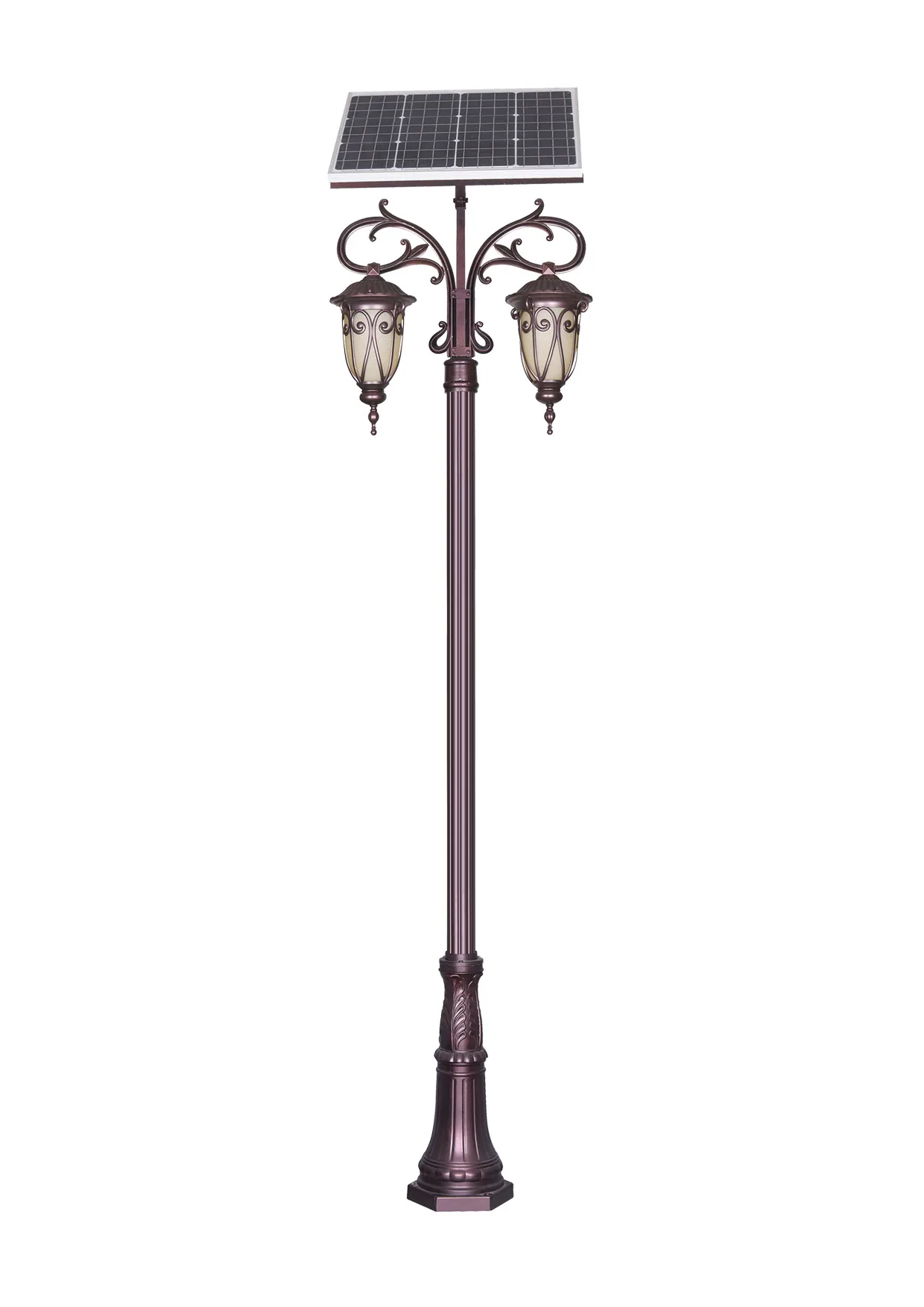
SL-PLUS-RY
Best for: Roadside, campus, park, or public area projects needing separated system configuration.
Key inputs: Area size, mounting height, lighting target, control mode.
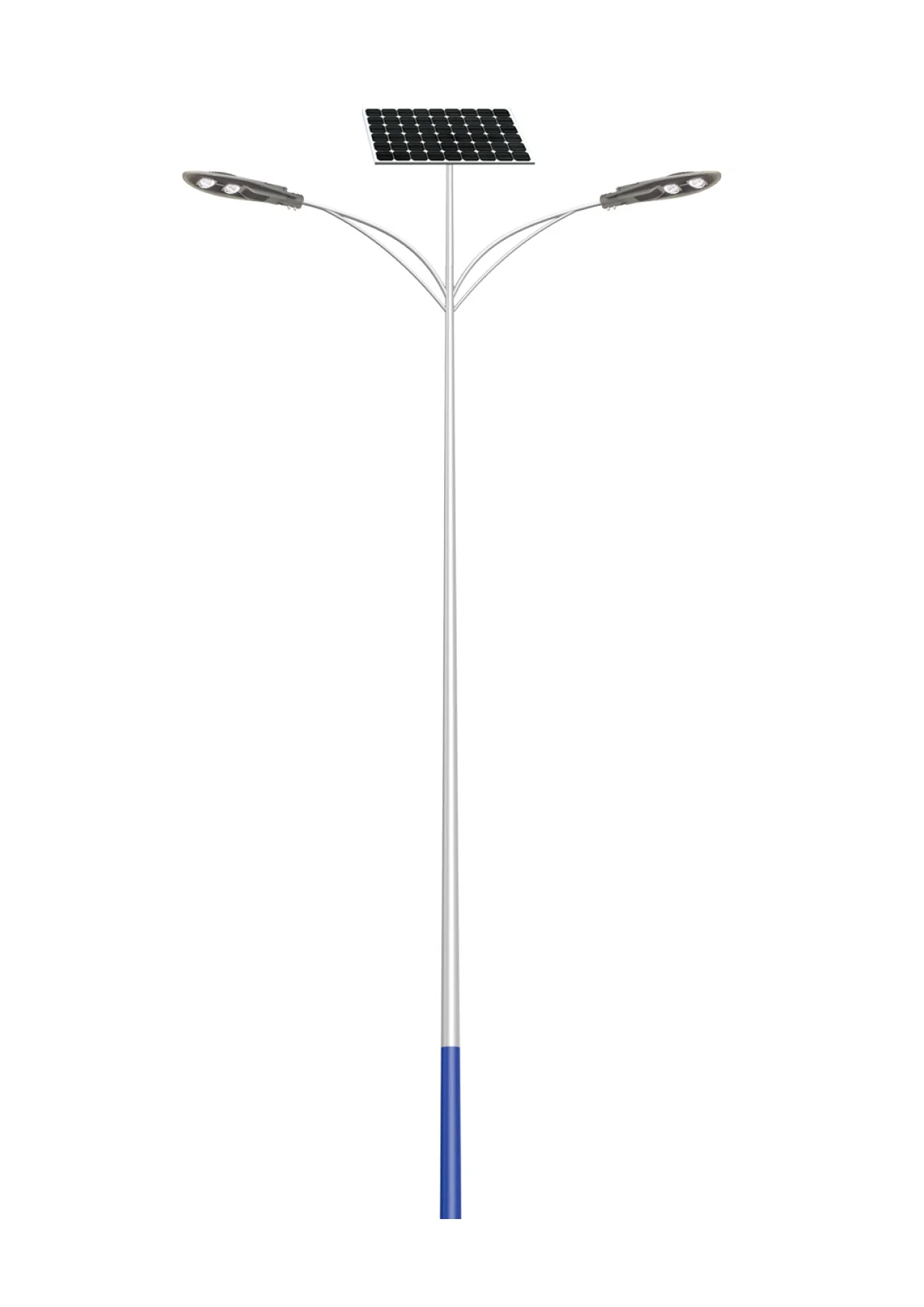
SL-PLUS-GL
Best for: Large-area or special pole layouts where lamp head arrangement and solar charging layout need review.
Key inputs: Mounting structure, lamp quantity, area size, target lux.
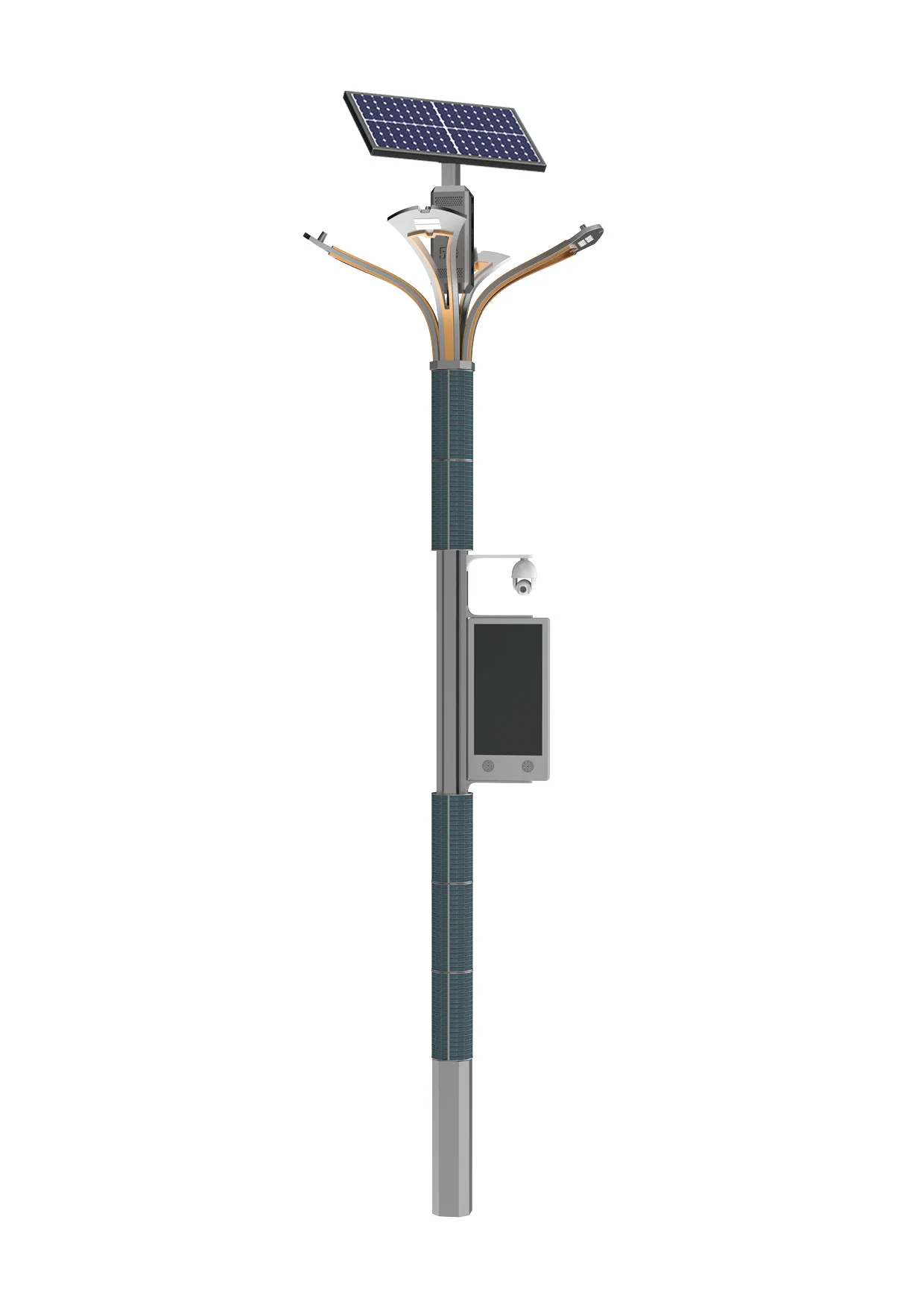
SL-PLUS-SM
Best for: Split solar lighting projects that may include camera, monitoring, communication, or smart control requirements.
Key inputs: Camera load, communication method, monitoring needs, power profile.
Engineering note: For split solar street light projects, confirm road layout, solar exposure, battery box location, dimming profile, and required tender documents before final quotation.
Stop Rework on Site:
Choose the Right Split Model
What To Confirm Early
-
Road layout
Road width, pole height, pole spacing, lane type, and mounting side. -
Solar exposure
PV direction, shading condition, panel position, and local sun hours. -
Working profile
Nightly working hours, dimming mode, backup days, and battery box location. -
Tender documents
BOQ, drawings, IES / LDT, DIALux needs, datasheet, and delivery notes.
Single-Arm vs Double-Arm Split Solar Street Light Configuration
Best for
Single-arm: One-side road lighting, narrow roads, sidewalks, village roads, and standard public area lighting.
Double-arm: Two-side coverage from one pole, wider roads, central medians, parking areas, and larger public spaces.
Coverage goal
Single-arm: Focused lighting on one side or one carriageway direction.
Double-arm: Balanced lighting to two sides or wider coverage area, depending on pole location and road layout.
Pole and bracket
Single-arm: Simpler arm structure and easier pole/bracket coordination.
Double-arm: Requires stronger bracket review, arm symmetry, wind load consideration, and cable routing planning.
PV panel and battery layout
Single-arm: Usually easier to arrange PV panel and battery box, depending on pole position and shading.
Double-arm: Needs more careful review of PV placement, battery box location, cable length, and maintenance access.
Installation complexity
Single-arm: Lower installation complexity and fewer wiring coordination points.
Double-arm: Higher installation coordination; wiring, arm alignment, and component position should be confirmed before production.
Documents we may support
Single-arm: Datasheet, IES/LDT, DIALux layout, model matching notes, and quotation configuration.
Double-arm: Datasheet, IES/LDT, DIALux layout, bracket or pole coordination notes, BOQ matching, and wiring reference where applicable.
Standards, Test Reports & Certification References
Document availability: References vary by product model, component supplier, test stage, and project requirement. Do not assume all certificates apply to all models.
Photometric / Optical Files
Can provide: IES / LDT files, light distribution data, DIALux / Relux layout support where applicable
Purpose: Lighting simulation, pole spacing review, target lux and uniformity discussion
Availability: Based on selected lamp head, lens, wattage, and optical distribution
Product Datasheets
Can provide: Product datasheet, component specification, system configuration notes, model matching notes
Purpose: Technical comparison, consultant review, BOQ matching, and procurement approval
Availability: Prepared after model path and configuration are confirmed
Drawings / Installation References
Can provide: Product drawing, mounting reference, wiring reference, battery box location note, foundation or pole coordination note where applicable
Purpose: Installation planning, site coordination, cable routing, and pole/bracket confirmation
Availability: Depends on project scope and supplied components
Battery / Solar Component References
Can provide: Battery specification, solar panel specification, controller information, charging and working profile notes
Purpose: System sizing review, autonomy discussion, and maintenance planning
Availability: Depends on confirmed battery type, PV panel size, controller, and operating profile
Compliance / Test References
Can provide: CE / RoHS / IP / IK / battery transportation or other available certificates and test references where applicable
Purpose: Tender document review, procurement compliance, import preparation, and consultant clarification
Availability: Do not assume all certificates apply to all models; confirm by selected configuration
Packing / Shipment Documents
Can provide: Packing list, carton label, project label, shipping mark, loading photo, package reference, and spare parts list where applicable
Purpose: Shipment checking, warehouse receiving, site distribution, and handover control
Availability: Prepared according to order quantity, packaging method, and project requirement
Lamp Head Options for Road and Area Lighting Needs
Engineering note: Do not select the lamp head by wattage or appearance alone. Incorrect optics may cause poor uniformity, glare, dark zones, or failed consultant review.
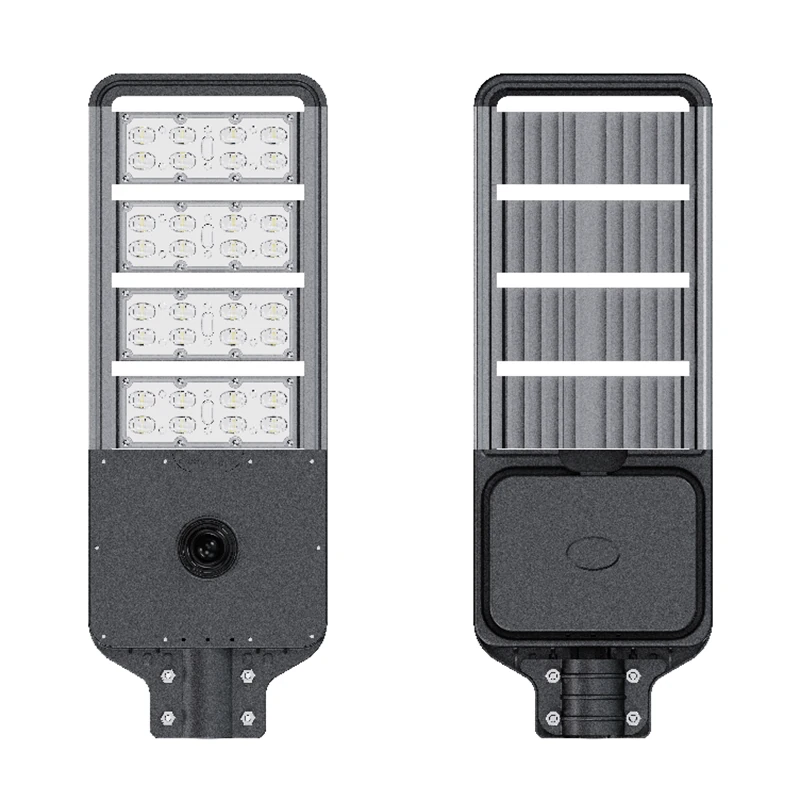
Road Optics Lamp Head
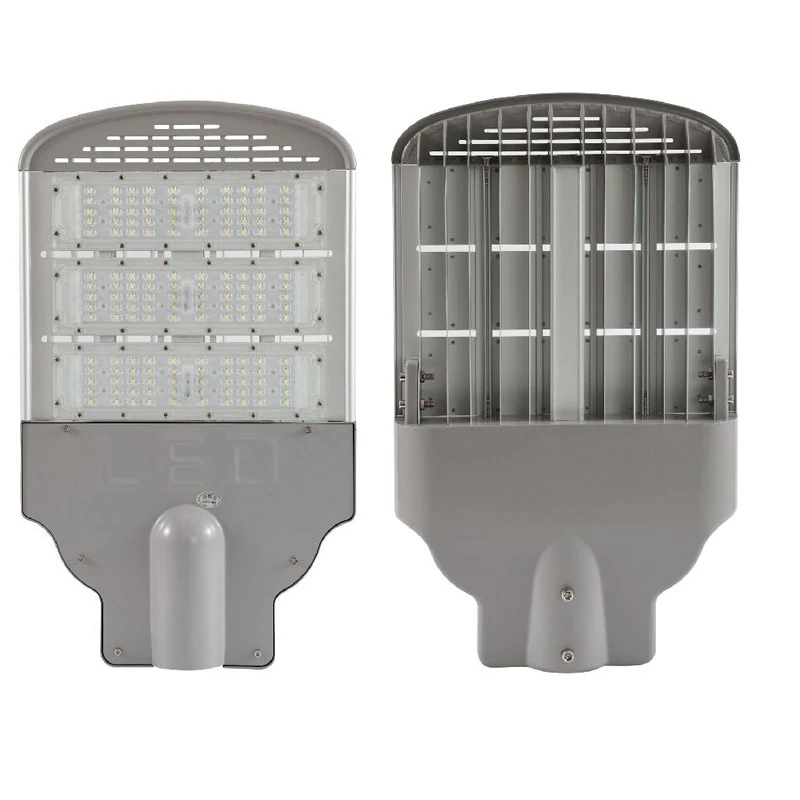
Area Lighting Lamp Head
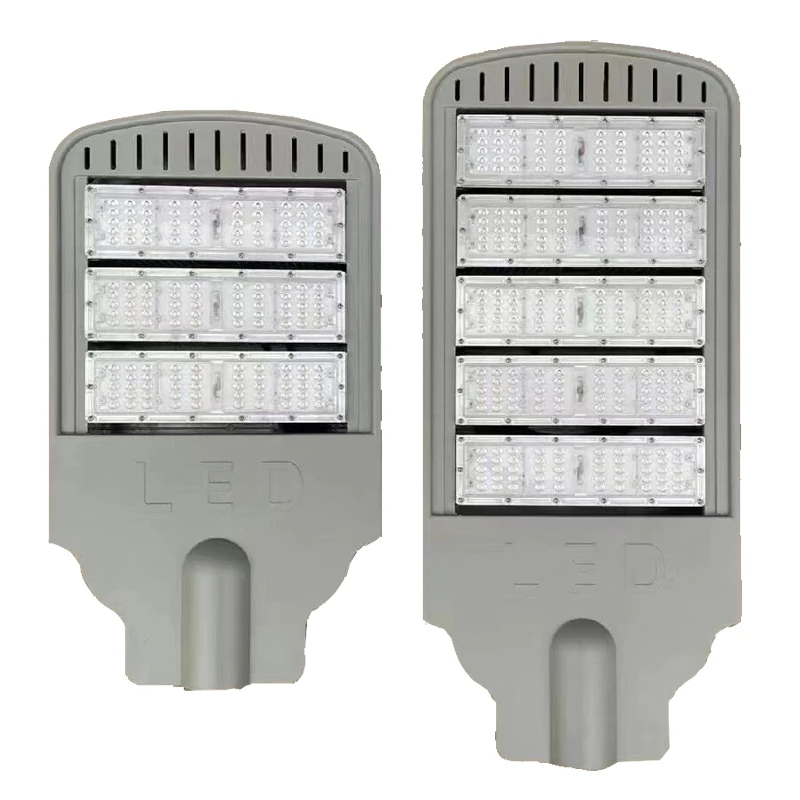
IES / DIALux Matching Head
Double-Head Road Option
Roadway Optical Distribution
Area & Public Space Lighting
Modular Lamp Head Options
IES & DIALux Matching
Manufacturing & Quality Control
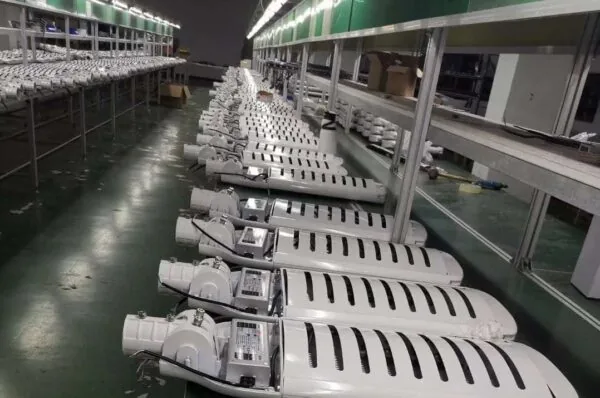
Production Process Review
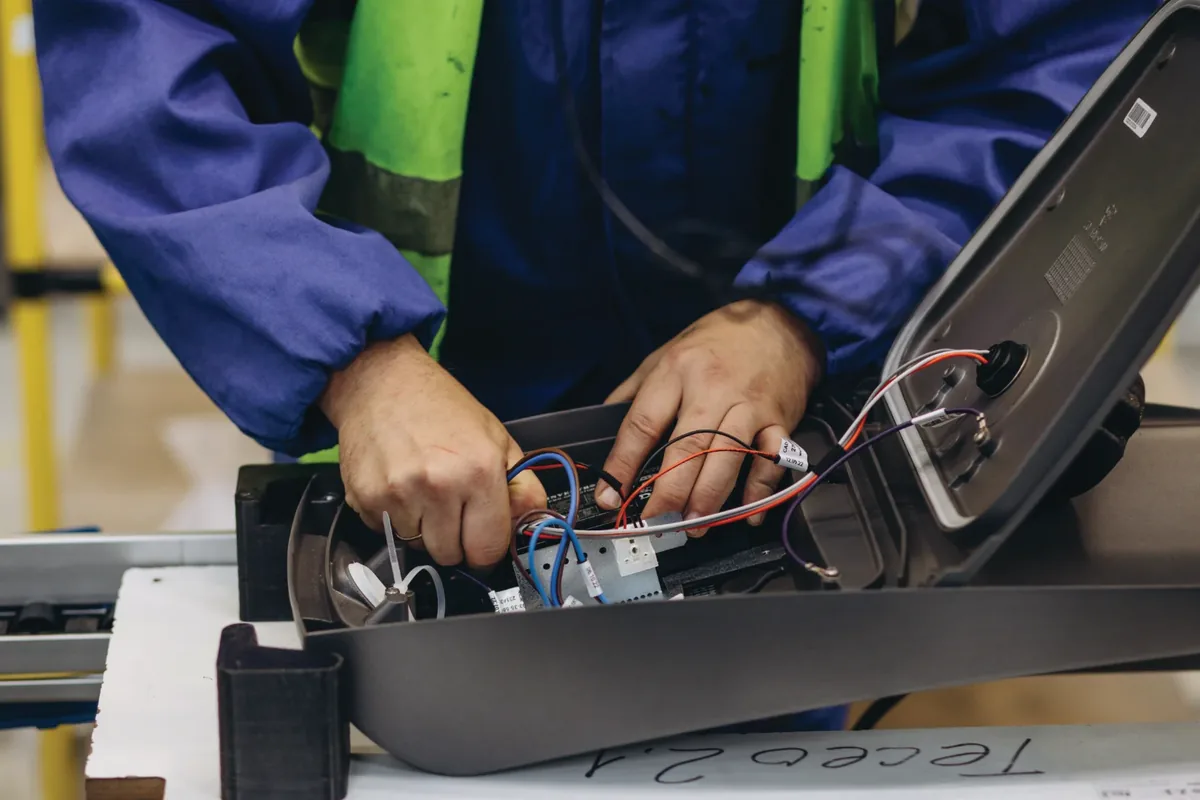
Assembly & Testing

Pole Fabrication

Loading & Shipment

Packing Standard
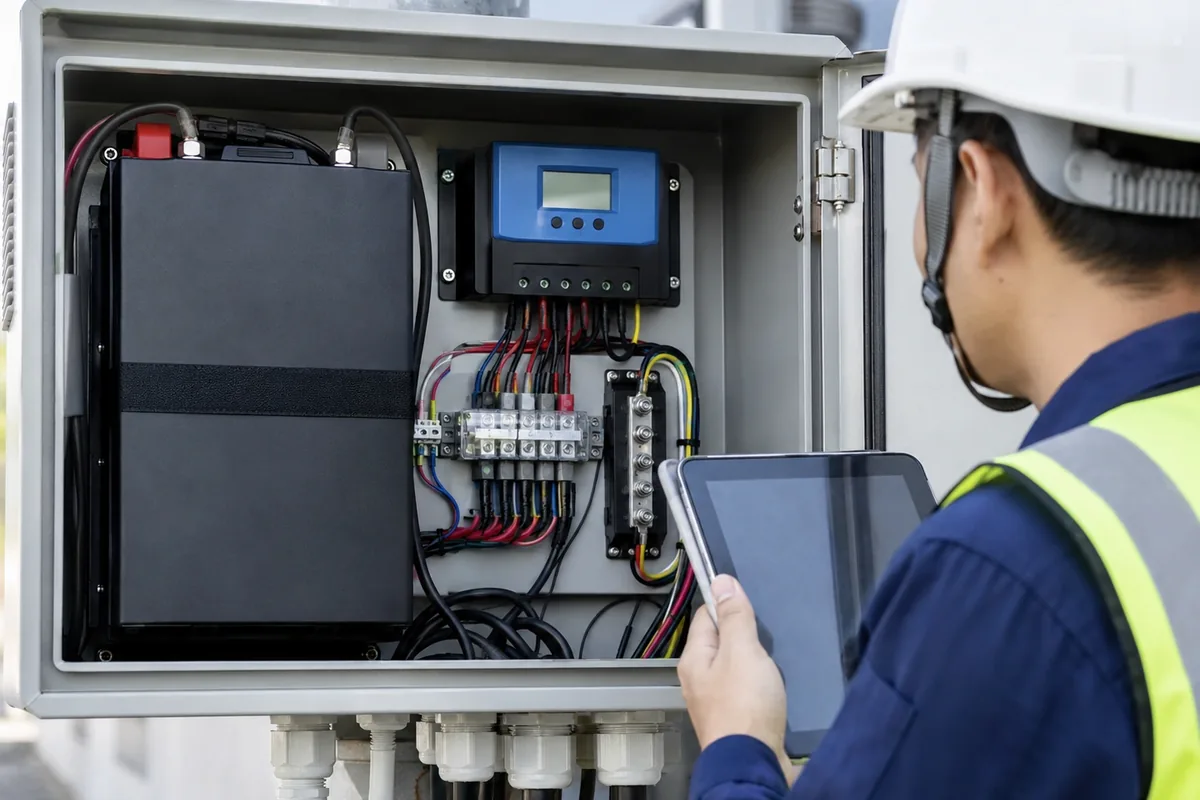
Battery & Controller Check
Selected Project References for Solar Street Lighting Projects
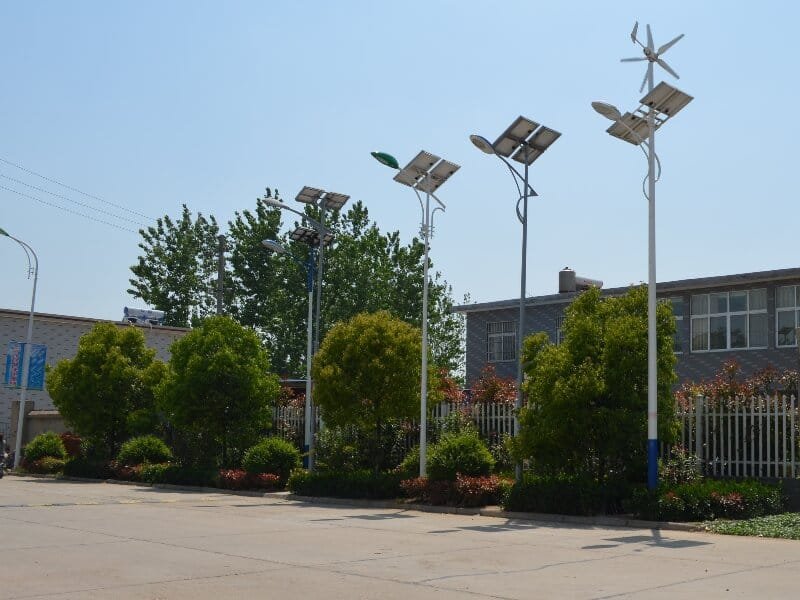
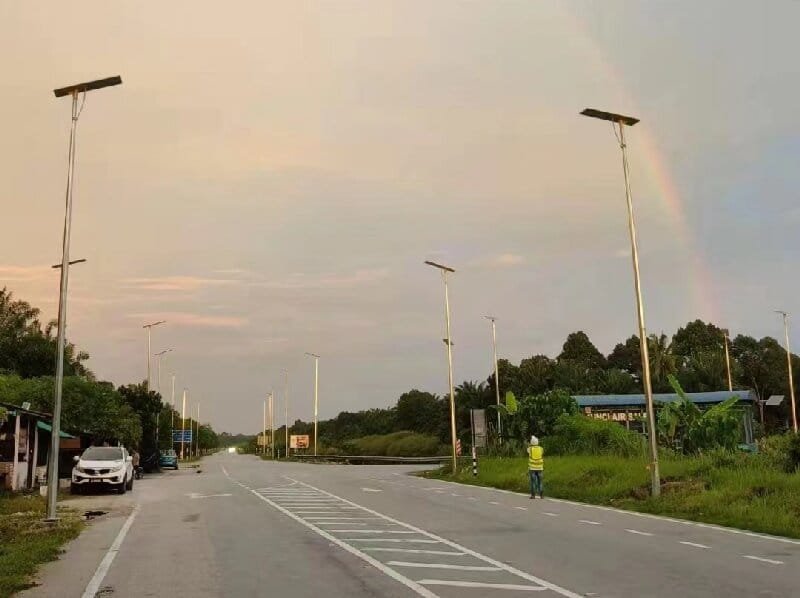
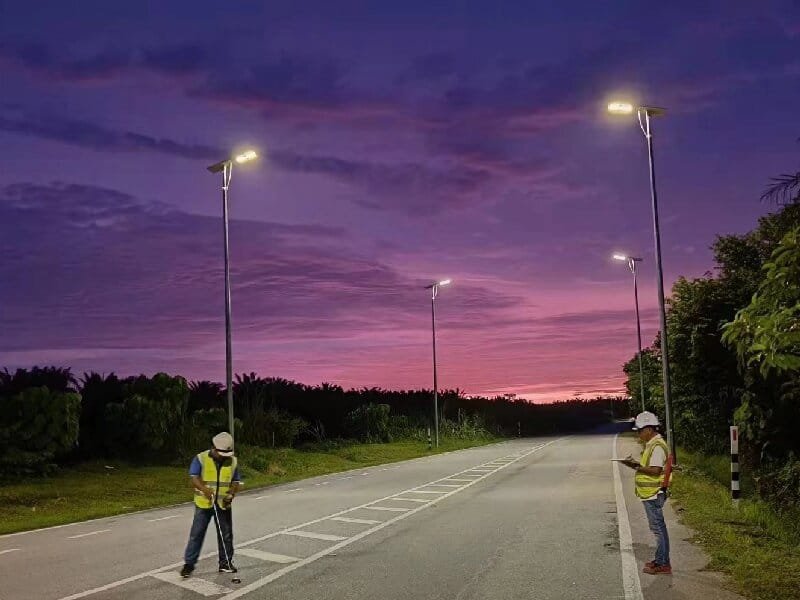
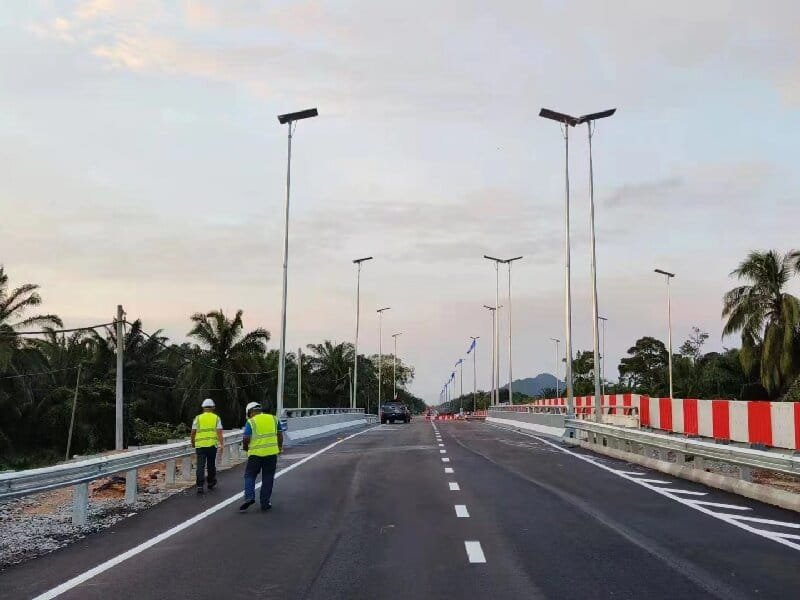
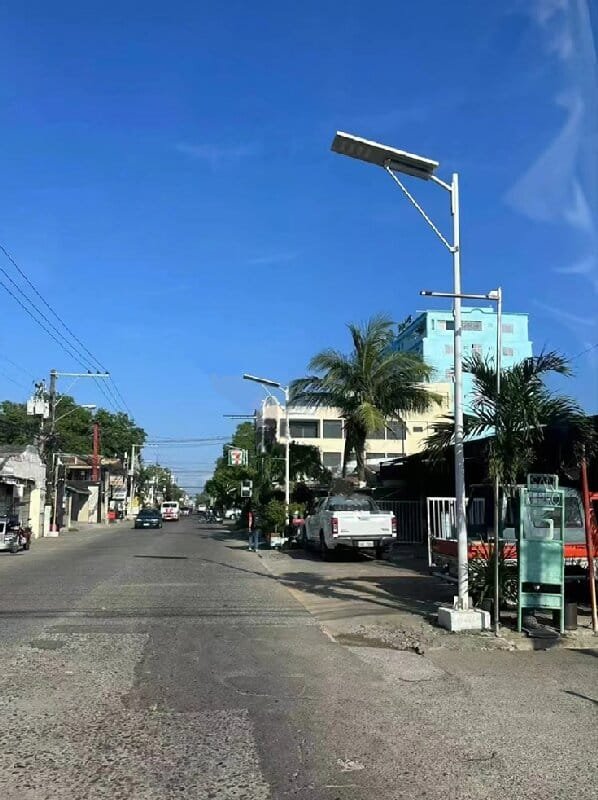
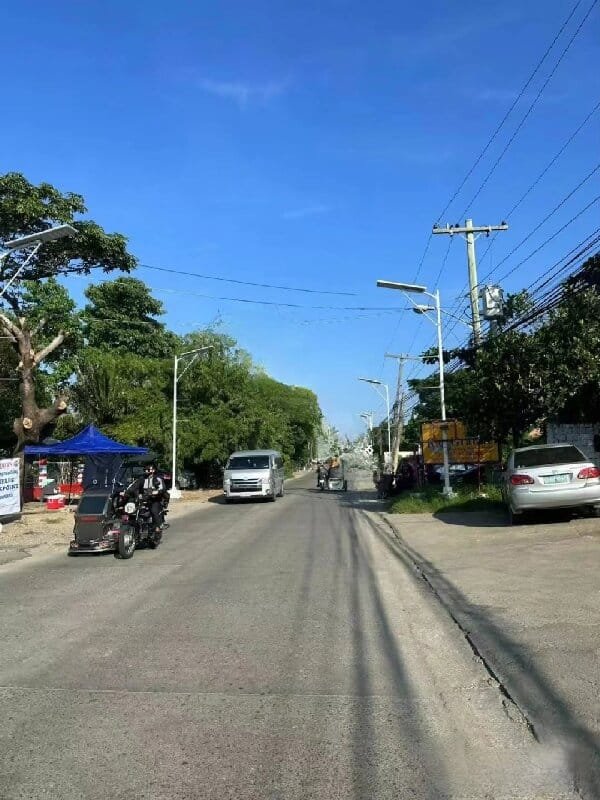
Project Reference Notes
- References should be matched with actual product type, BOQ, tender documents, and consultant review needs.
- Use quantities or years only when confirmed by project records.
- For split system selection, confirm road layout, pole height, spacing, PV location, and battery box requirements.
How to Choose the Right Split System Configuration
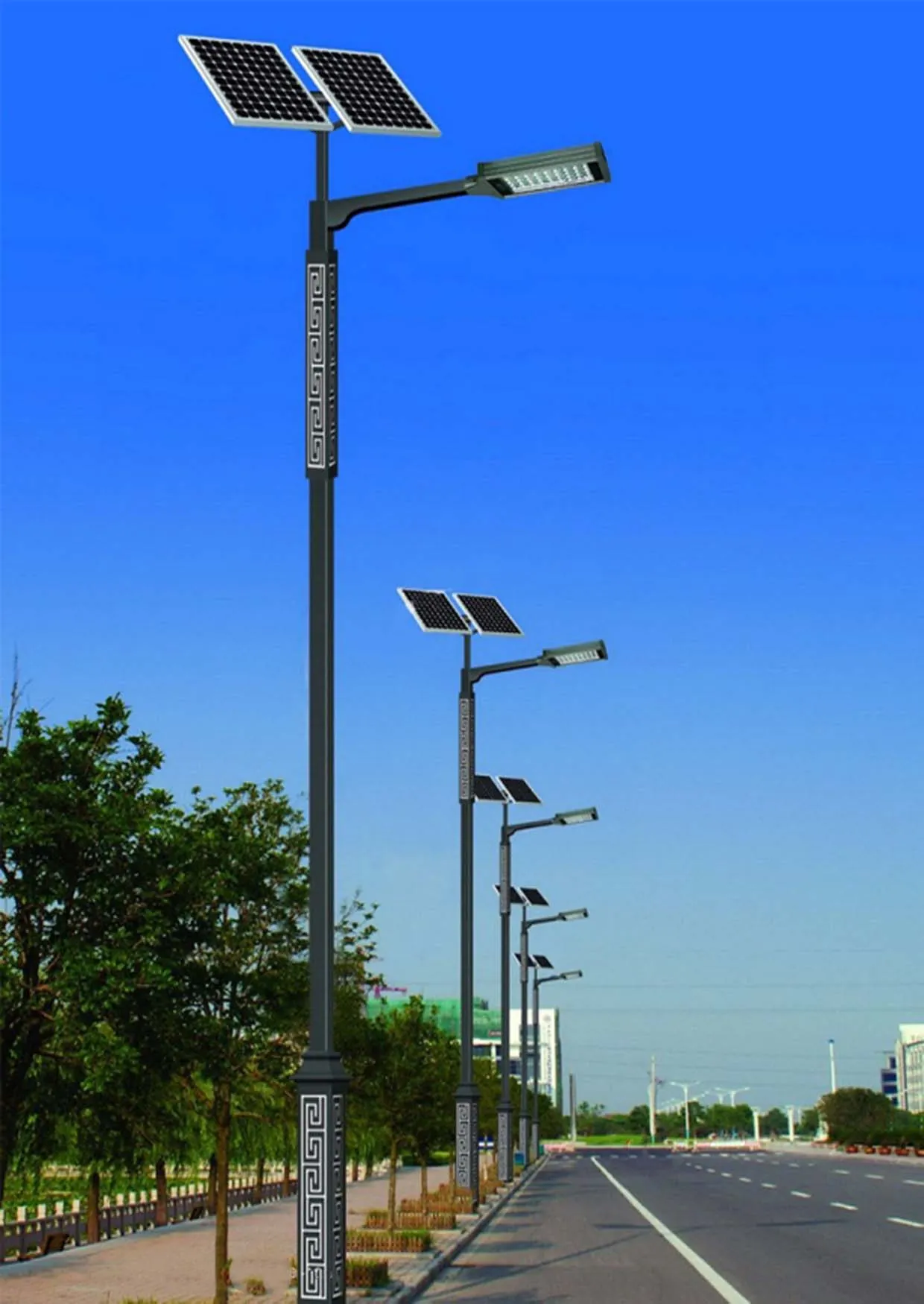
Configuration Inputs To Confirm
- Road width, pole height, and spacing
- Lighting target and uniformity requirement
- Working hours and backup days
- PV panel direction and shading condition
- Battery box location and maintenance access
- Required files: IES, DIALux, BOQ, drawings
Split Solar Street Light Configuration Reference
Pathways / Residential Streets
Main inputs: Road width, pole height, spacing, working hours, backup days
Configuration direction: Lower to medium power split system with suitable optics and autonomy margin
Documents: Datasheet, IES / LDT, basic layout note
Urban / Municipal Roads
Main inputs: Lane width, pole height, spacing, target lux, dimming profile
Configuration direction: Medium to higher power split system with project-specific optical distribution
Documents: IES / LDT, DIALux / Relux, datasheet, BOQ notes
Highway / Main Road
Main inputs: Road class, mounting side, wind exposure, solar panel placement
Configuration direction: Higher power or customized split configuration with careful PV and battery layout
Documents: DIALux layout, drawings, wiring reference, BOQ review
Parking / Campus Areas
Main inputs: Area size, mounting height, target lux, glare control
Configuration direction: Area lighting split configuration matched with beam spread and site layout
Documents: IES / LDT, DIALux / Relux, installation reference
Tender / BOQ Projects
Main inputs: BOQ, drawings, specification, required reports, deadline
Configuration direction: Model path selected by technical specification and document package
Documents: Datasheet, IES / LDT, DIALux, drawings, deviation notes
Difference Between All-in-One, All-in-Two, and Split Solar Street Lights
All-in-One Solar Street Light
Integrated Structure
Best for: Compact appearance, fewer exposed components, faster batch installation, and simplified site work.
Check: PV angle, battery space, heat dissipation, and maintenance method should still be checked.
All-in-Two Solar Street Light
Semi-Integrated Structure
Best for: Simpler installation than split while keeping more flexibility for solar panel angle and charging direction.
Check: Panel mounting, bracket structure, battery position, and installation access should be confirmed.
Split Solar Street Light
Separated Component Structure
Best for: Flexible PV placement, larger battery options, easier battery access, and special pole layout support.
Check: Wiring route, battery box location, PV direction, cable protection, and maintenance access must be reviewed.
Component layout
All-in-One: Integrated lamp, battery, controller, and solar panel in one compact structure.
All-in-Two: Lamp / battery module plus separate or adjustable PV panel structure.
Split: Lamp head, PV panel, battery box, and controller can be arranged separately.
Installation work
All-in-One: Simpler and faster batch installation.
All-in-Two: Moderate installation work with more PV angle flexibility.
Split: More site coordination, wiring, and component positioning work.
PV panel flexibility
All-in-One: Limited by integrated structure and mounting angle.
All-in-Two: Better PV angle adjustment than All-in-One.
Split: Highest flexibility for PV direction, tilt, and separate placement.
Battery access
All-in-One: Battery access depends on integrated body design.
All-in-Two: More flexible than integrated systems depending on model design.
Split: Battery box can be planned for maintenance access and anti-theft protection.
Best starting point
All-in-One: Compact municipal roads, parks, campuses, and fast installation projects.
All-in-Two: Road projects needing simpler installation with better PV angle flexibility.
Split: Road, highway, remote, or tender projects needing flexible PV/battery layout.
Documents to request
All-in-One: Datasheet, IES / LDT, DIALux support, BOQ notes.
All-in-Two: Datasheet, IES / LDT, DIALux support, drawings, BOQ notes.
Split: Datasheet, IES / LDT, DIALux support, wiring reference, drawings, BOQ matching.
FAQs
Common questions for split solar street light project selection, solar street light configuration review, tender documents, installation planning, and engineering support.
Request Split Project Configuration
Split solar project support paths
For split solar systems, confirm wiring, mounting, pole interface, battery box location, and document stage before requesting project review.
Submit Split Solar Project Inputs | Request Wiring and Configuration Review | Request Datasheets & Drawings | View Project Input Checklist | Request Tender / BOQ Review
Available documents depend on confirmed project scope, product configuration, tender requirements, and document stage.