Quick Answer
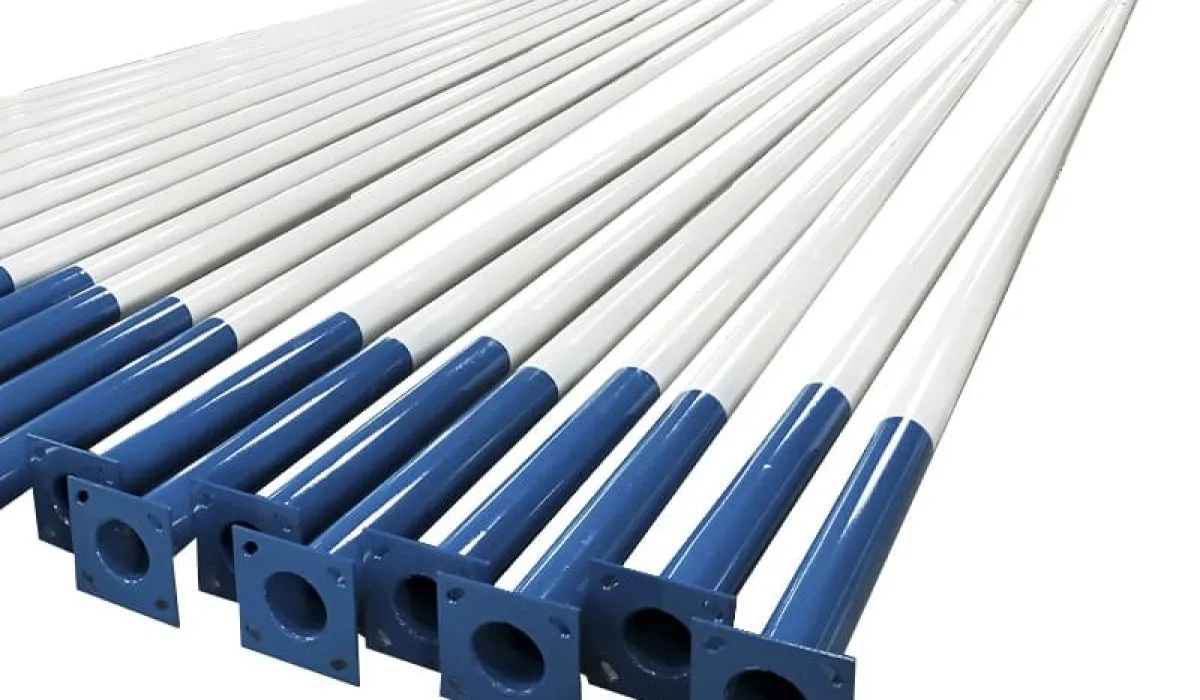
Painting aluminum light poles is mainly a surface preparation and coating control process. Aluminum does not red-rust like steel, but it can oxidize, chalk, lose gloss, or suffer coating adhesion failure when the surface is not cleaned, profiled, primed, and inspected correctly.
For project buyers, the safest approach is to confirm the coating method, primer compatibility, color standard, surface preparation process, inspection records, and touch-up method before mass production starts.
Key Facts
Reviewed by: Stephen Zhang, Street Lighting Project Support
Last reviewed: July 2026
Review perspective: This guide is reviewed from the perspective of outdoor lighting pole manufacturing, surface treatment, project quality control, and documentation support.
Important Note: Aluminum Does Not Rust Like Steel, But Coating Still Matters
Aluminum poles should not be described as red-rusting in the same way as carbon steel poles. In outdoor lighting projects, aluminum usually shows oxidation, chalking, discoloration, pitting in aggressive environments, or coating adhesion problems.
This distinction matters in procurement documents because the coating system, inspection method, and maintenance plan should match the actual material. For steel pole surface treatment, see the separate guide to galvanizing steel light poles.
Why Paint Aluminum Light Poles?
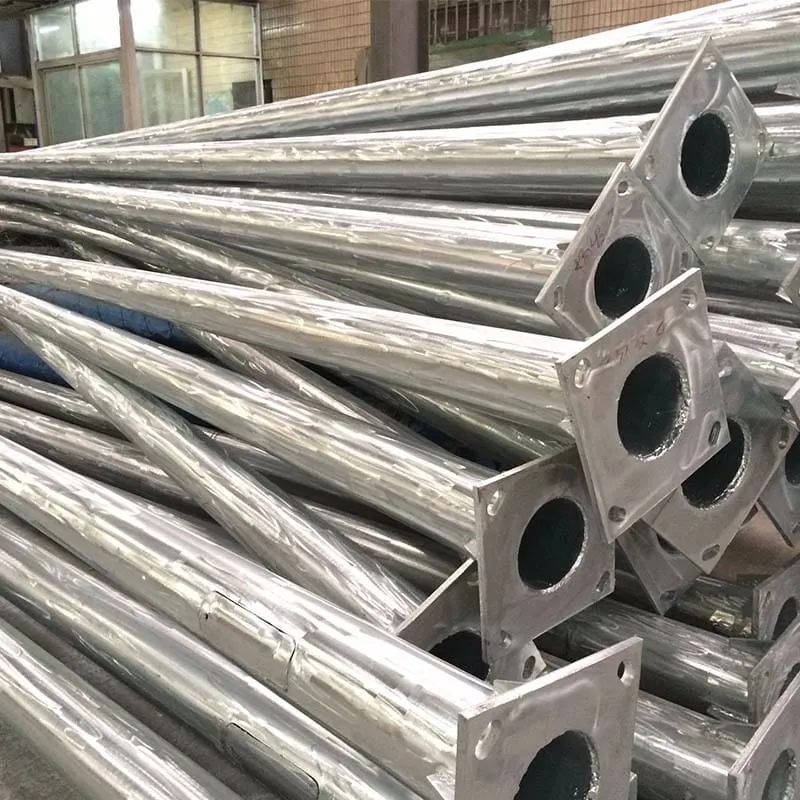
Many aluminum light poles are selected because they are lighter than steel and naturally resistant to red rust. That does not mean the exposed surface can be ignored. A controlled coating system helps the pole keep a stable appearance, improves project uniformity, and reduces the chance of early repainting disputes.
| Project concern | How a proper finish helps | What buyers should confirm |
|---|---|---|
| Oxidation and chalking | Primer and top coat isolate the surface from UV and moisture exposure. | Surface preparation method and compatible primer type. |
| Color mismatch | Factory coating keeps color and gloss more consistent across batches. | RAL, Pantone, or project color reference before production. |
| Coating peel near base plates | Better cleaning and edge coverage reduce adhesion failure in high-contact zones. | Base section inspection and touch-up procedure. |
| Transport scratches | Protective packaging and repair rules reduce visible site damage. | Packing method, inspection photos, and accepted repair material. |
Paint vs Powder Coating vs Anodizing
The best finish depends on pole design, environment, color requirement, batch quantity, and tender documentation. For most outdoor lighting projects, factory powder coating or a controlled liquid paint system is easier to document than improvised site painting.
| Finish option | Best use | Strengths | Limitations |
|---|---|---|---|
| Liquid paint system | Custom colors, repairable finishes, complex shapes | Flexible color control and easier touch-up with matching coating. | Requires strict primer selection, curing control, and film inspection. |
| Powder coating | Factory batches where consistent appearance is required | Good finish uniformity, durable surface, and efficient production handling. | Repairs need compatible materials and visible damage should be documented. |
| Anodizing | Selected architectural applications | Durable oxide finish with a clean metallic appearance. | Color range and pole-size production feasibility may be limited. |
Why Aluminum Surface Preparation Is Critical
Aluminum naturally forms a thin oxide layer. If grease, dust, polishing residue, or oxidation remains on the pole, primer and top coat may attach to contamination instead of the substrate. The finish can look acceptable at shipment but fail after UV exposure, rain, temperature movement, or installation handling.
For B2B projects, surface preparation should be treated as a controlled manufacturing step, not as a cosmetic detail. Buyers can request photos, inspection notes, or sample approval when the finish is important to the tender package.
Factory Painting Process
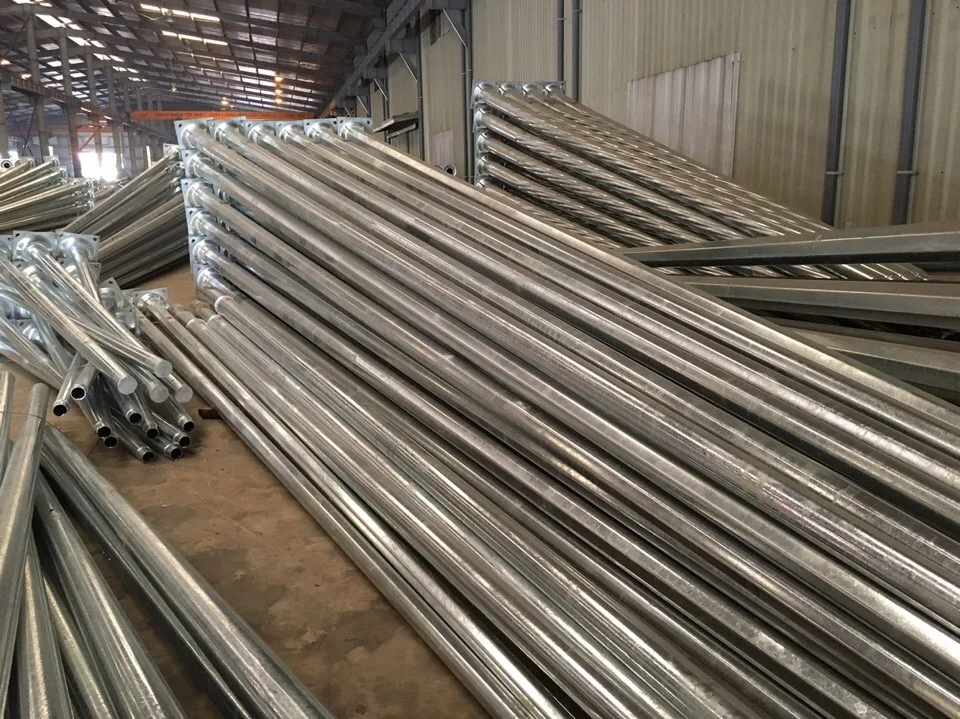
- Incoming surface check. Confirm pole material, visible dents, oil contamination, welding marks, base plate edges, and areas that need extra coverage.
- Cleaning and degreasing. Remove oil, dust, fingerprints, and processing residue with a suitable cleaning process before any abrasive or chemical treatment.
- Surface profiling or conversion preparation. Create a surface condition that allows primer or powder to bond correctly without damaging the pole wall or decorative surface.
- Primer and top coat application. Use coating materials compatible with aluminum, outdoor UV exposure, and the selected finish method.
- Curing, inspection, and packing. Check visual appearance, film condition, coverage near edges, and packing protection before release.
Recommended Coating System
| Layer or control point | Typical project requirement | Inspection focus |
|---|---|---|
| Surface preparation | Clean, dry, and compatible with aluminum coating adhesion. | No oil, heavy dust, residue, or loose oxidation before coating. |
| Primer or pre-treatment | Aluminum-compatible primer or conversion preparation. | Uniform coverage and no skipped edges, holes, or bracket zones. |
| Top coat or powder coating | Outdoor-grade color finish based on project color standard. | Color, gloss, film condition, orange peel, runs, pinholes, or scratches. |
| Curing control | Follow coating supplier requirements for time and temperature. | No soft surface, poor adhesion, or handling marks after curing. |
| Packing protection | Separate coated surfaces from abrasion during transport. | Foam, wrapping, spacing, and protected base sections. |
QC Checklist for Painted Aluminum Light Poles
| QC item | What to check | Why it matters |
|---|---|---|
| Color standard | RAL, Pantone, approved sample, or buyer reference. | Prevents batch color disputes after installation. |
| Surface cleanliness | No oil, fingerprints, dust, or loose oxidation before coating. | Reduces peeling and adhesion failure. |
| Film appearance | No runs, sagging, pinholes, heavy orange peel, or exposed areas. | Confirms the finish is acceptable for public-facing projects. |
| Edge and base coverage | Base plate, bolt holes, bracket zones, and cut edges. | These areas are handled often and are common failure points. |
| Packaging inspection | Coated surfaces separated and protected before loading. | Prevents shipping scratches from becoming site repair work. |
What a Proper Finish Helps Project Buyers Avoid
A controlled coating process helps buyers avoid early color fading complaints, visible peeling at the pole base, inconsistent appearance between project batches, unplanned touch-up work after delivery, and unclear responsibility when site scratches appear.
For larger orders, coating inspection should be part of the same documentation package as drawings, product datasheets, packing photos, and shipment review. Sunlurio can support project teams with datasheets and drawings when pole finish requirements need to be confirmed before approval.
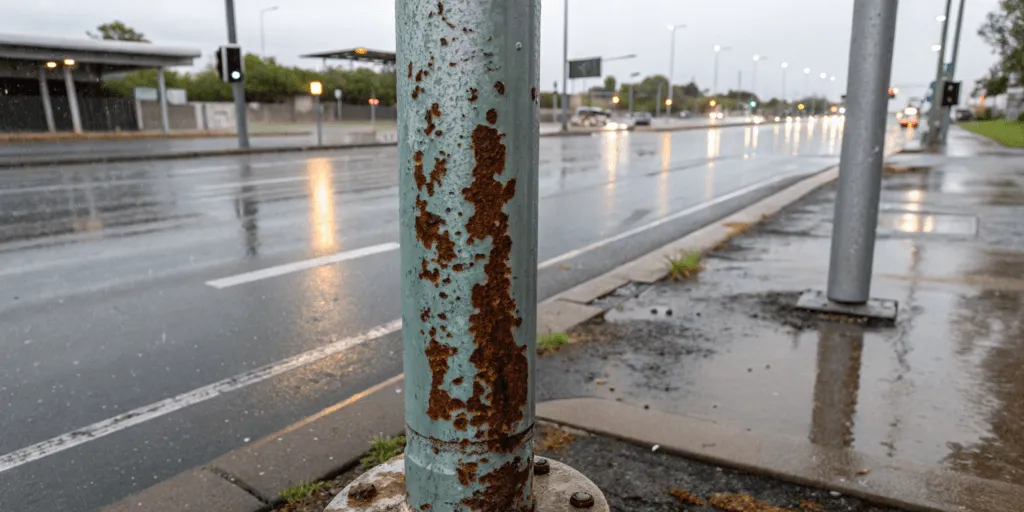
Common Coating Failures
| Failure type | Likely cause | Project prevention |
|---|---|---|
| Peeling or flaking | Poor cleaning, wrong primer, insufficient surface profile, or coating applied over oxidation. | Require controlled preparation and primer compatibility confirmation. |
| Chalking or gloss loss | UV exposure, low-grade top coat, or unsuitable outdoor coating. | Confirm outdoor-grade coating and project environment before production. |
| Color variation | Uncontrolled batches, unclear color reference, or different coating suppliers. | Use approved color samples and batch inspection photos. |
| Scratches after delivery | Transport abrasion, poor packing, or rough unloading. | Specify packing protection and document loading condition. |
| Failure around holes and edges | Weak edge coverage or damage during assembly. | Inspect base plates, bolt holes, brackets, and installation contact points. |
Site Touch-Up vs Factory Repainting
| Repair method | Suitable situation | Buyer caution |
|---|---|---|
| Minor site touch-up | Small scratches from transport or installation that do not affect broad visual areas. | Use compatible repair paint and record the location before handover. |
| Local factory repair | Limited coating defects found before shipment. | Inspect color match, edge blending, and cured surface condition. |
| Full factory repainting | Widespread peeling, wrong color, poor adhesion, or batch-level appearance failure. | Confirm root cause before repainting so the same problem is not repeated. |
What Project Buyers Should Confirm Before Ordering
- Confirm whether the pole is aluminum, galvanized steel, or another material before writing coating requirements.
- Confirm color code, gloss expectation, and whether a sample is required before mass production.
- Ask how aluminum surface preparation is controlled before primer, paint, or powder coating.
- Request inspection photos for surface finish, base section coverage, packing, and loading.
- Clarify the permitted touch-up method for small transport or installation scratches.
- Keep coating expectations aligned with the pole drawings, datasheets, packing plan, and project handover documents.
Related Engineering and Product Pages
FAQ
Do aluminum light poles need paint?
Not always. Aluminum has natural corrosion resistance, but painting or powder coating is often used for project appearance, color matching, UV exposure, and surface protection in public outdoor lighting projects.
Can aluminum light poles rust?
Aluminum does not red-rust like carbon steel. It can oxidize, chalk, pit in aggressive environments, or suffer coating adhesion failure if the finish is not controlled correctly.
Is powder coating better than liquid paint for aluminum poles?
Powder coating is often a strong factory option for consistent batches. Liquid paint can be useful for custom colors and repairable finishes. The better choice depends on project color, quantity, environment, and inspection requirements.
What should buyers ask for before production?
Buyers should confirm material, color standard, surface preparation, primer or pre-treatment, coating method, inspection photos, packing protection, and accepted touch-up method.
Can scratched aluminum pole coating be repaired on site?
Small scratches can often be touched up if compatible repair material is used. Large peeling, wrong color, or widespread adhesion failure should be reviewed as a factory coating issue.
Request Aluminum Light Pole Coating Review
If your project needs painted or powder-coated aluminum light poles, share the pole height, material, color requirement, operating environment, and expected documentation. Sunlurio can review coating requirements with the lighting pole and project support scope before production.
Author Box
Stephen Zhang
Street Lighting Project Support, Sunlurio
Stephen supports outdoor lighting projects with product selection, pole configuration review, manufacturing coordination, and documentation support for EPC, municipal, distributor, and engineering buyer requirements.