
All-in-One Solar Street Lights for Roads & Public Areas
Project Review Inputs
- Country / city and local solar condition
- Road width, pole height, and pole spacing
- Working hours, dimming profile, and backup days
- Required files: datasheet, IES/LDT, drawings, BOQ notes
Engineering Configuration Note
High-Power All-in-One Configuration Available
Key Configuration Checks
Why Choose All-in-One?

Integrated Structure
The lamp body, solar module, battery, controller, and mounting structure are integrated to reduce exposed components and visible wiring.
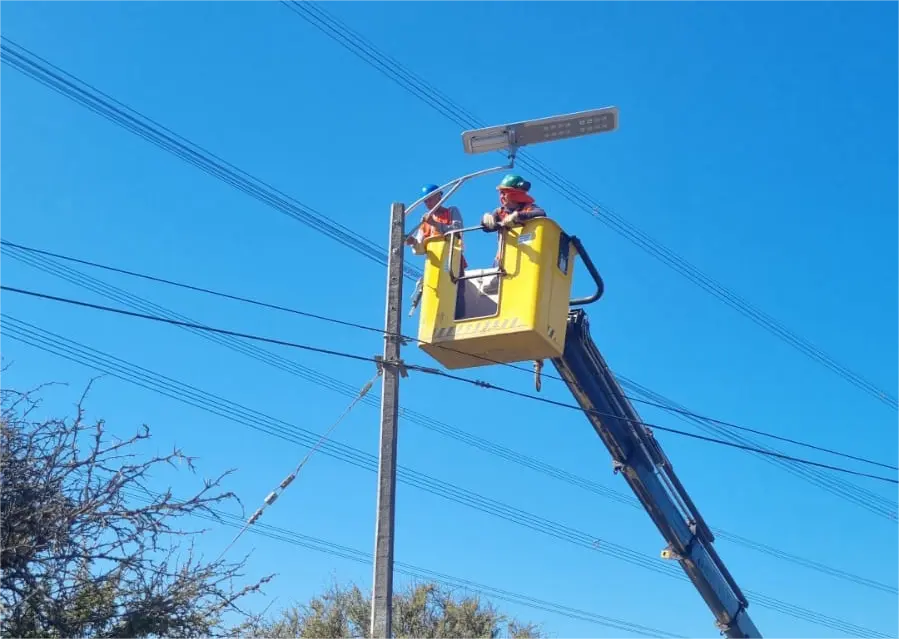
Simpler Batch Installation
A more integrated design helps contractors standardize installation steps for road, community, campus, and public lighting projects.
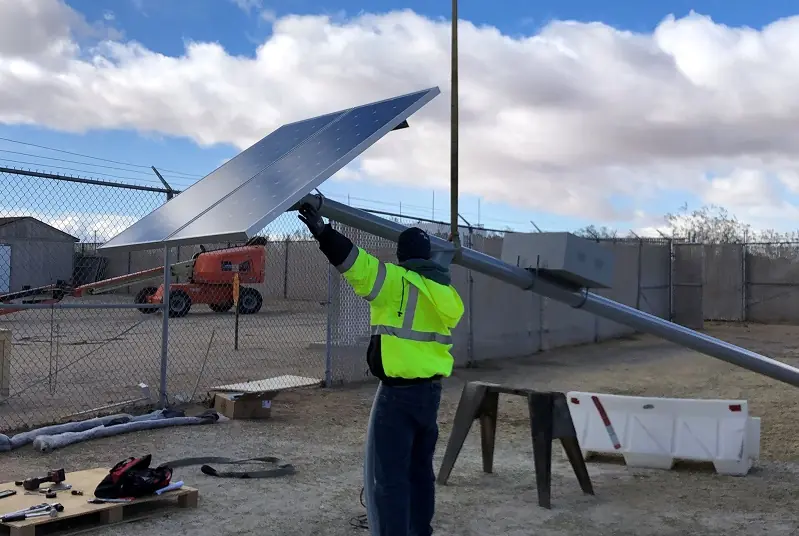
100W+ Project Configurations
100W+ and other project-specific outputs can be reviewed by road width, pole height, spacing, autonomy target, PV sizing, and local solar conditions.
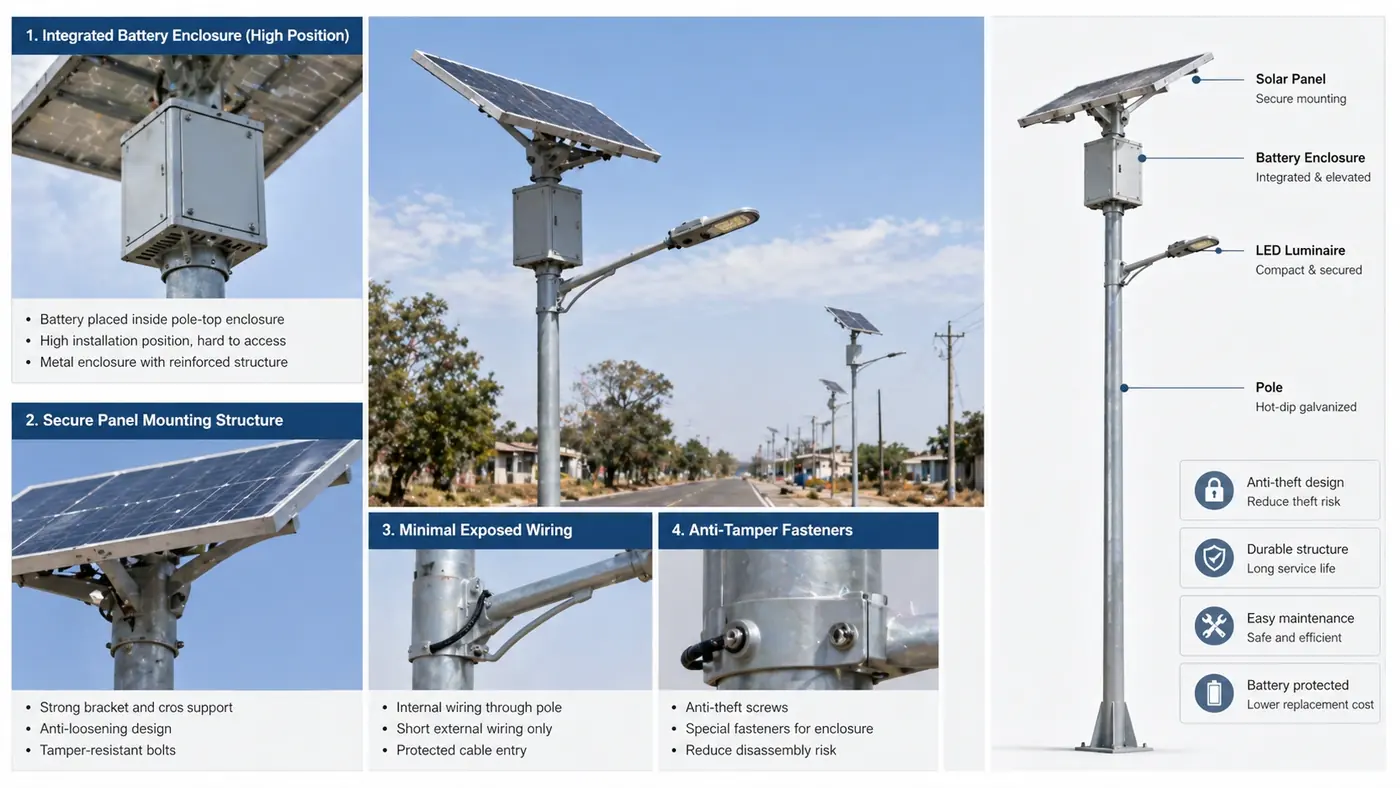
Reduced External Wiring
Fewer external cable connections help improve site organization, reduce installation complexity, and support cleaner public-area appearance.
Program Support Deliverables
IES/LDT Photometric Files
DIALux / Relux Layout Support
Drawings & Datasheets
BOQ & Model Mapping
Quick Selection Guide
Choose the series by project priority: appearance, batch installation, output range, road width, pole height, autonomy target, and required documents.

Key inputs: road width, pole height, spacing, working hours, backup days.

Key inputs: target power range, installation method, batch quantity, document requirement.
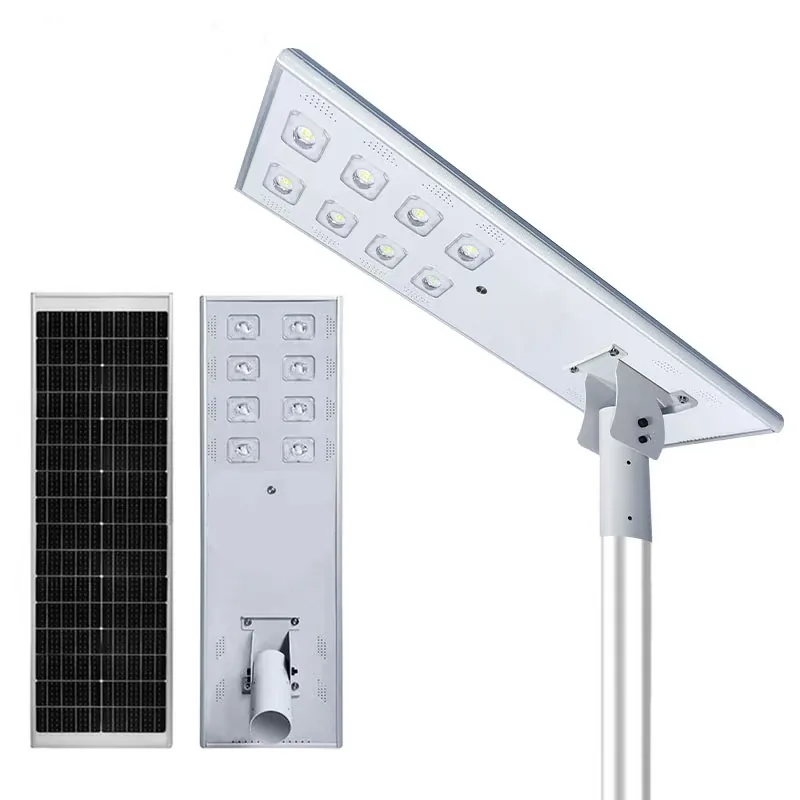
Key inputs: mounting height, road width, spacing, battery autonomy, solar condition.
Compare System Types: All-in-One vs All-in-Two vs Split
| Compare Item | All-in-One | All-in-Two | Split |
|---|---|---|---|
| Structure | Luminaire, battery, controller, and solar panel integrated in one unit | Luminaire and battery/controller integrated, solar panel separated | Luminaire, solar panel, battery, and controller separated |
| Best for | Clean appearance, batch installation, standard road and public-area programs | Projects needing better PV angle flexibility with simplified installation | High-power, long backup, flexible maintenance, and complex site conditions |
| Installation | Simplest installation path | Moderate installation with separated PV panel | Requires more site coordination and wiring |
| Maintenance | Whole-unit access, simple replacement planning | Easier solar panel adjustment and partial access | Best component-level maintenance flexibility |
| PV flexibility | Limited by integrated structure and mounting direction | Better solar panel angle and orientation adjustment | Highest PV layout flexibility |
| Battery capacity | Project-reviewed, suitable for standard autonomy targets | Project-reviewed with more layout flexibility | Most flexible for larger battery capacity and backup days |
| Wiring complexity | Lowest external wiring | Medium wiring | Highest wiring and installation coordination |
| Appearance | Cleanest appearance with fewer exposed parts | Balanced appearance and PV flexibility | More visible components and cabling |
| Tender review | Good for standardized municipal and public lighting programs | Good for EPC road projects requiring PV angle review | Good for high-power or complex tender configurations |
| Recommended next step | Confirm road width, pole height, spacing, working hours, and backup days | Confirm PV mounting angle, pole structure, road width, and autonomy target | Confirm layout, battery/cabinet position, wiring route, foundation, and maintenance access |
Structure
All-in-One: Luminaire, battery, controller, and solar panel integrated in one unit
All-in-Two: Luminaire and battery/controller integrated, solar panel separated
Split: Luminaire, solar panel, battery, and controller separated
Best for
All-in-One: Clean appearance, batch installation, standard road and public-area programs
All-in-Two: Projects needing better PV angle flexibility with simplified installation
Split: High-power, long backup, flexible maintenance, and complex site conditions
Installation
All-in-One: Simplest installation path
All-in-Two: Moderate installation with separated PV panel
Split: Requires more site coordination and wiring
Maintenance
All-in-One: Whole-unit access, simple replacement planning
All-in-Two: Easier solar panel adjustment and partial access
Split: Best component-level maintenance flexibility
PV flexibility
All-in-One: Limited by integrated structure and mounting direction
All-in-Two: Better solar panel angle and orientation adjustment
Split: Highest PV layout flexibility
Battery capacity
All-in-One: Project-reviewed, suitable for standard autonomy targets
All-in-Two: Project-reviewed with more layout flexibility
Split: Most flexible for larger battery capacity and backup days
Wiring complexity
All-in-One: Lowest external wiring
All-in-Two: Medium wiring
Split: Highest wiring and installation coordination
Appearance
All-in-One: Cleanest appearance with fewer exposed parts
All-in-Two: Balanced appearance and PV flexibility
Split: More visible components and cabling
Tender review
All-in-One: Good for standardized municipal and public lighting programs
All-in-Two: Good for EPC road projects requiring PV angle review
Split: Good for high-power or complex tender configurations
Recommended next step
All-in-One: Confirm road width, pole height, spacing, working hours, and backup days
All-in-Two: Confirm PV mounting angle, pole structure, road width, and autonomy target
Split: Confirm layout, battery/cabinet position, wiring route, foundation, and maintenance access
Compare All-in-One Series
AF Series
Best For: municipal programs and long-term consistency.
Selection Priority: stable SKU control, repeatable public-road deployment.
TJ Series
Best For: distributor programs and repeat orders.
Selection Priority: controlled models, fast reorder planning, export packaging.
GM Series
Best For: wider roads where optics and spacing matter.
Selection Priority: beam pattern, pole spacing, higher-output review.
| Compare Item | AF Series | TJ Series | GM Series |
|---|---|---|---|
| Best for | Municipal programs & long-term consistency | Distributor programs & repeat orders | Wider roads where optics/spacing matter |
| Selection priority | Consistency across deployments | Controlled SKUs & after-sales stability | Optics-first road performance |
| Typical use cases | Communities / municipal roads | Market distribution / fast-moving programs | Main roads / wider road sections |
| Configuration approach | Program-standard configurations | SKU-controlled set for stocking | Optics + spacing driven selection |
| Control options | Standard + optional smart control | Optional smart control (market-dependent) | Standard + optional smart control |
| Reliability focus | Lifecycle stability for large deployments | Lower return risk & easier service | Performance consistency on wider roads |
| Support scope | Lead time • QC • Warranty • Installation | Lead time • QC • Warranty • Installation | Lead time • QC • Warranty • Installation |
| Next step | View AF Series → | View TJ Series → | View GM Series → |
What We Deliver
Model Recommendation
Model recommendation based on road width, pole height, spacing, autonomy target, and operating profile.
Lead Time & Shipment Plan
Clear lead time and shipment planning for program orders, repeat shipments, and project schedules.
Program QC Consistency
Configuration and inspection consistency for repeat orders, public lighting programs, and phased delivery.
Warranty, Spares & Installation
Warranty terms, spare parts planning, and installation guidance to support local deployment and maintenance.
Built to Fit Your Project — Not a Fixed Template

01 Road & Layout Review
02 PV, Battery & Dimming Profile
03 Document Pack Coordination
Manufacturing & Quality Control

Lighting Pole Welding
Pole structureWeldingMetal processing
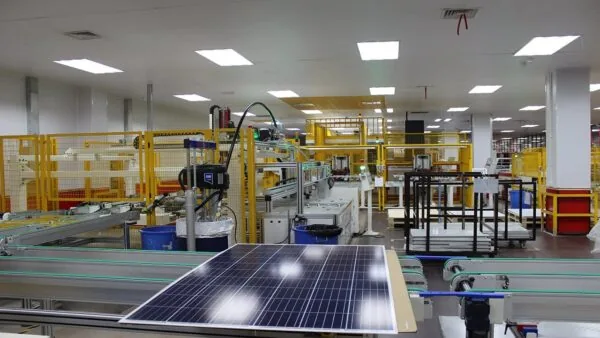
Solar Panel Assembly
PV moduleAssemblyPower matching
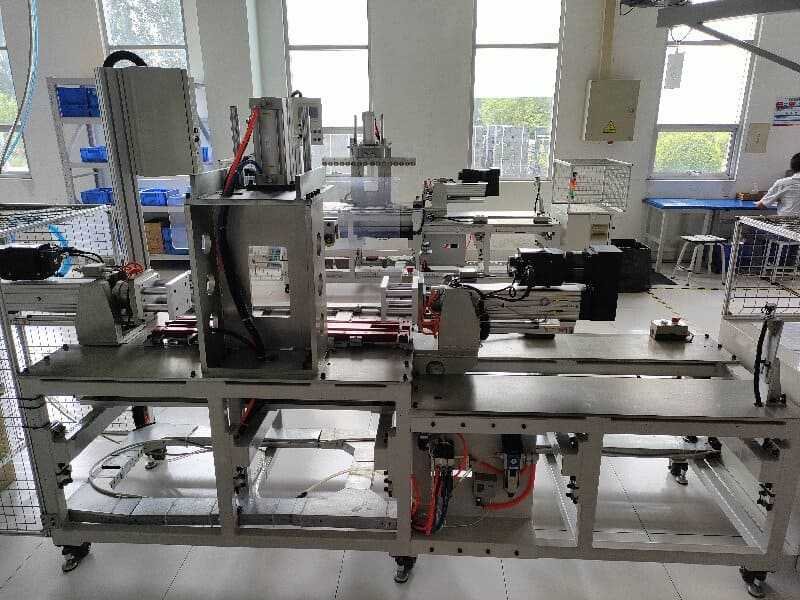
Battery Pack Integration
LiFePO4Battery packBMS check
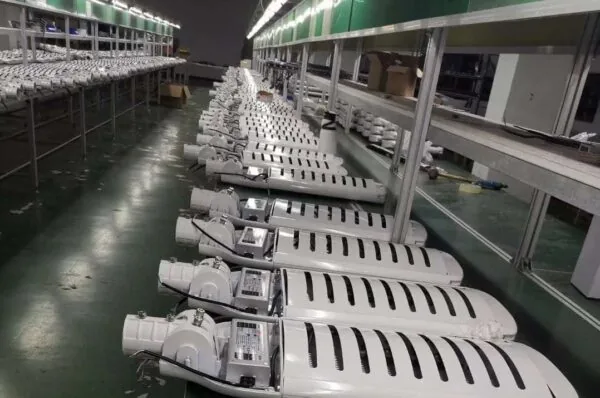
Luminaire Assembly
LuminaireAssemblyBatch order
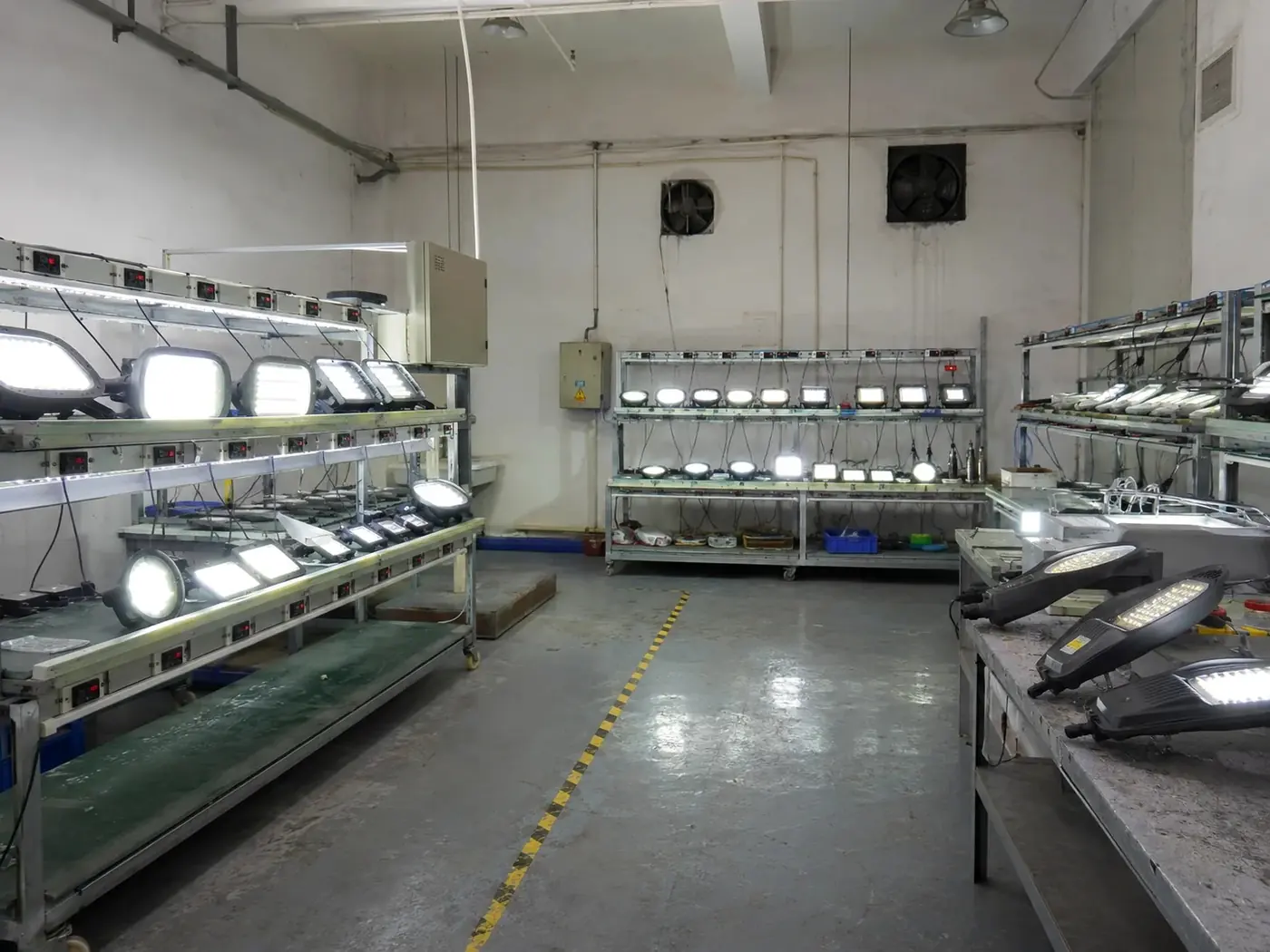
LED Aging Test
Aging testLED checkBatch consistency
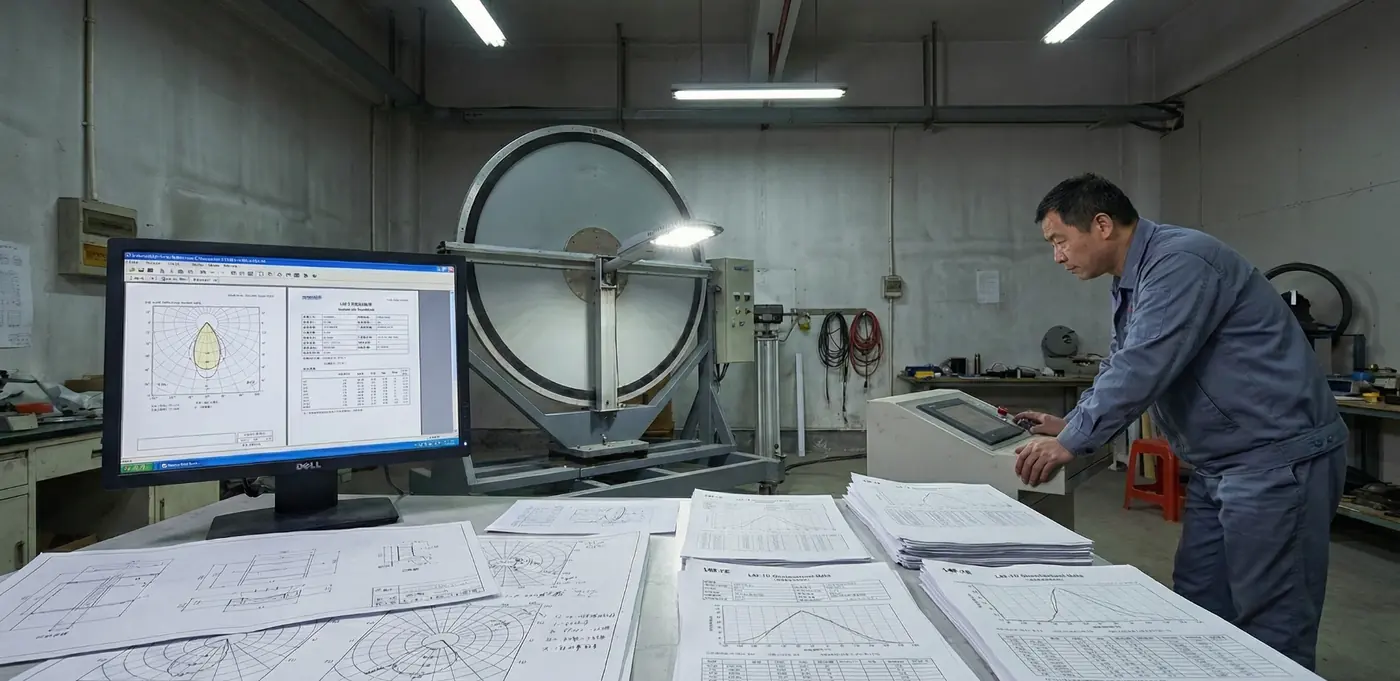
Lumen & Lighting Performance Test
Lumen testIlluminancePhotometric review
Related engineering files: Datasheets & Drawings · IES Photometric Files
Togo solar street light program, 2010-2024: 13,000 sets
Nepal solar street light project, 2022: 200 sets
Cambodia solar street light program, 2023: 12,000 sets
Additional project references available on request
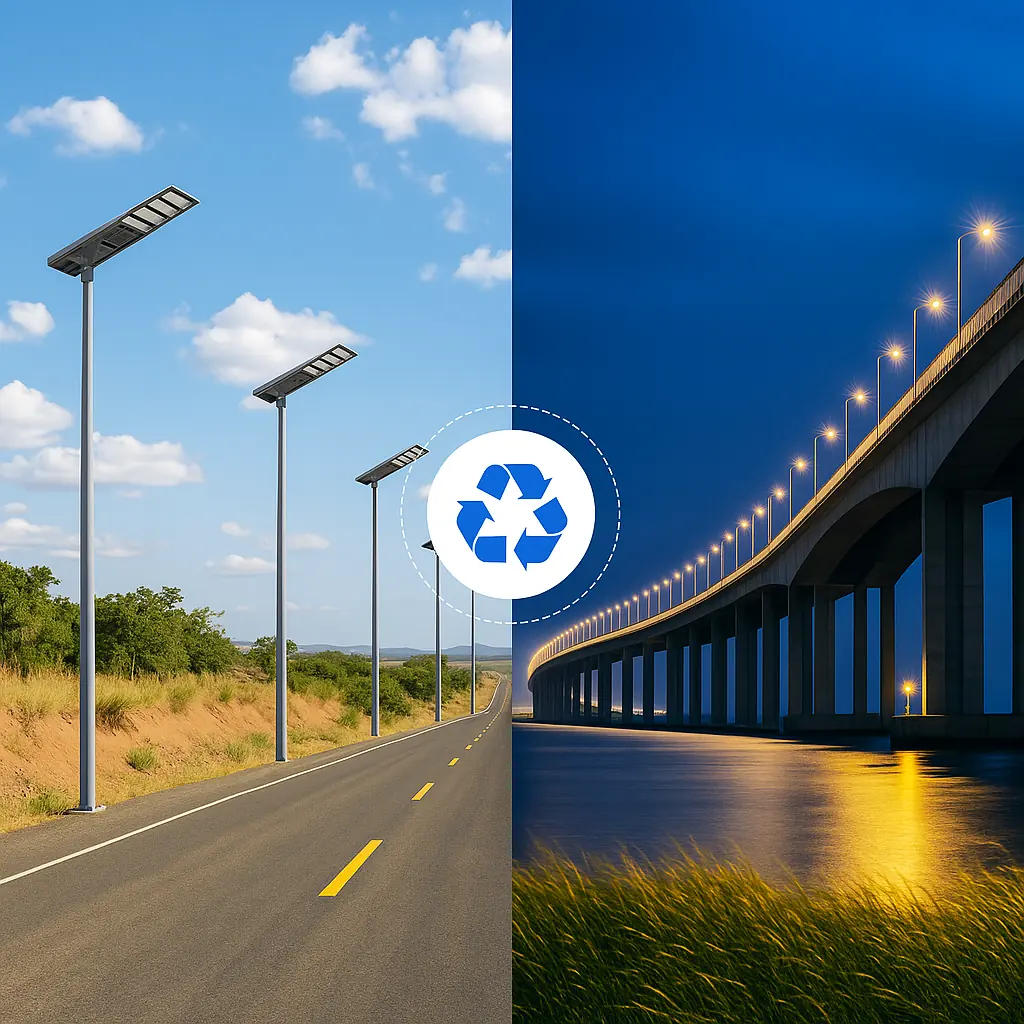
Common Applications for All-in-One Solar Lights
Highways & Urban Roads
Integrated solar lighting for road sections where trenching, grid access, or fast deployment is a key constraint.
Schools, Colleges & Campuses
Safer pedestrian movement and perimeter visibility with simpler installation planning.
Government & Public Infrastructure
Public lighting programs that need repeatable models, documents, and installation support.
Industrial & Perimeter Lighting
Security and circulation lighting for factories, warehouses, and site boundaries.
Corporate & Commercial Areas
Lighting for parking areas, compounds, and business parks with reduced civil works.
Parks & Recreational Zones
Off-grid lighting support for parks, walkways, open areas, and community spaces.
Core Components That Affect Project Reliability
Matched with road width, pole height, spacing, target lux, and beam distribution.
Sized by working hours, backup days, temperature, dimming profile, and autonomy target.
Reviewed by solar radiation, PV layout, tilt condition, and charging requirement.
Controls charging, dimming, protection, schedule, and overall system stability.
FAQs
Common questions for project selection:
Request All-in-One Project Configuration
All-in-One solar support paths
For all-in-one solar projects, confirm battery, PV, autonomy, and installation inputs before requesting model or document review.
Submit AIO Solar Project Requirements | Request Solar Configuration Review | View Solar RFQ Checklist | Compare Solar Street Light Structures
Available documents depend on confirmed project scope, product configuration, tender requirements, and document stage.