3.2V Low-Voltage Power Architecture
Table of Contents
Part 1 — Strategic Overview
1. Executive Summary
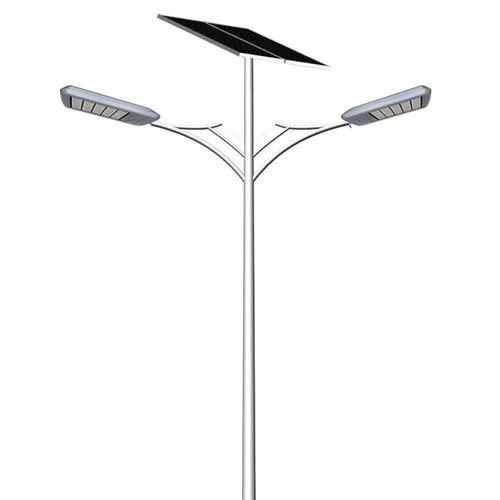
The 3.2V low-voltage power architecture is the core electrical foundation of modern LiFePO₄-based energy systems used in solar street lighting, off-grid storage, and distributed energy applications. This architecture offers exceptional safety, stability, and compatibility with LiFePO₄ cells, enabling efficient power conversion, long cycle life, and reliable nighttime operation under diverse environmental conditions.
This white paper provides a clear overview of the 3.2V architecture, explaining how it improves system efficiency, enhances safety, and reduces long-term maintenance for government and EPC-led lighting projects.
2. Why a 3.2V Architecture Matters
At the cell level, LiFePO₄ chemistry naturally operates at a nominal voltage of 3.2V, making it the most stable and predictable platform for low-voltage DC systems. Compared to higher-voltage lithium architectures, 3.2V systems offer:
- higher safety due to low operating voltage
- reduced risk of short-circuit and thermal events
- lower component stress on drivers and controllers
- compatibility with single-cell monitoring BMS architecture
These advantages make 3.2V the preferred building block for all LiFePO₄-based power systems.
3. Benefits for MEA (Middle East & Africa) Applications
High temperatures, unstable charging conditions, and dust-heavy environments place significant stress on battery systems. A 3.2V low-voltage design offers several benefits in such climates:
- improved thermal stability in 45–60°C ambient conditions
- better efficiency during long daily discharge cycles
- intrinsic resistance to overheating and voltage spikes
- safer operation for communities and roadside environments
These advantages ensure stable lighting performance even during extreme heat or seasonal charging fluctuations common in Africa and the Middle East.
Part 2 — System Design & Electrical Structure
4. Cell-Level Architecture of 3.2V Systems
The 3.2V architecture originates directly from the nominal voltage of a single LiFePO₄ cell. Unlike NCM or other lithium chemistries, LiFePO₄ maintains a flat discharge curve, which ensures stable voltage output and predictable system behavior.
Key characteristics of a 3.2V LiFePO₄ cell include:
- Nominal voltage: 3.2V
- Charge voltage: 3.65V
- Discharge cut-off: 2.5–2.8V
- Flat voltage plateau for stable load performance
This predictable voltage makes the 3.2V architecture ideal for solar lighting systems where nightly performance must remain consistent.
5. 4S and 8S System Architecture
To achieve operational voltages appropriate for solar street lighting and LED drivers, 3.2V cells are connected in series to form higher-voltage packs:
- 4S configuration: 12.8V nominal Common in most solar street lighting systems.
- 8S configuration: 25.6V nominal Used in higher-power lighting or hybrid systems.
The 3.2V base architecture ensures that both 12.8V and 25.6V packs inherit the stability and safety profile of LiFePO₄ chemistry.
6. Energy Flow & Load Behavior
In solar street lighting systems, energy flows through a daily cycle:
- Daytime: the solar panel charges the battery through the controller
- Nighttime: the battery powers the LED load
With a 3.2V-based architecture, load behavior is highly stable due to the minimal voltage fluctuation during discharge. This results in:
- steady LED brightness
- lower stress on the driver and electronics
- high overall efficiency across day/night cycles
7. Voltage Stability Advantages
A major benefit of the 3.2V architecture is its natural voltage stability. Compared with 3.7V NCM systems, LiFePO₄ exhibits:
- lower voltage variation during discharge
- reduced thermal stress
- improved safety under high-load events
This stability directly translates to longer system lifespan, greater lighting consistency, and improved resilience in extreme MEA environments.
Part 3 — Advantages of 3.2V Architecture in Solar Lighting Systems
8. High Safety Through Low-Voltage Operation
Because the system is based on a 3.2V cell platform, it operates with significantly lower electrical risk compared to higher-voltage lithium systems. This provides:
- reduced short-circuit risk
- lower thermal runaway probability
- safer maintenance and installation
- better compatibility with low-voltage LED drivers and controllers
These attributes are crucial for public lighting infrastructure deployed in residential, roadside, and community environments.
9. Long Cycle Life Compatibility
The 3.2V architecture aligns perfectly with the natural voltage behavior of LiFePO₄ cells, which are known for long cycle life. Systems based on 3.2V modules benefit from:
- 6000+ cycle performance at typical solar lighting depth of discharge
- minimal degradation under partial charging conditions
- reduced internal heat generation
This makes 3.2V systems ideal for applications requiring daily cycling over 10–15 years.
10. Efficiency in Solar Charging
3.2V systems maintain excellent charging efficiency due to their stable voltage plateau. When used with MPPT or PWM controllers, benefits include:
- higher energy utilization during short winter daylight hours
- lower conversion losses between panels and batteries
- smoother charge transitions under fluctuating sunlight
This ensures reliable nighttime performance even during cloudy or dusty seasons.
11. Optimized for LED Load Performance
LED drivers operate more efficiently when powered by a stable DC input. The flat discharge curve of 3.2V-based LiFePO₄ systems provides:
- stable LED brightness from dusk to dawn
- lower driver stress and longer driver lifespan
- reduced flicker and voltage dips
12. Excellent High-Temperature Tolerance
MEA regions frequently experience ambient temperatures of 45–50°C. Thanks to the stability of LiFePO₄ chemistry, 3.2V architectures perform reliably in:
- high-heat desert environments
- low-ventilation battery compartments
- extended summer operation under deep discharge cycles
This makes the 3.2V platform ideal for projects deployed in Africa and the Middle East.
Part 4 — Integration With BMS & Protection Logic
13. BMS Compatibility With 3.2V Cell Platforms
The 3.2V architecture allows the Battery Management System (BMS) to monitor each LiFePO₄ cell with precision. Because cell voltage behavior is highly predictable, the BMS can maintain accurate control over:
- cell voltage during charge and discharge
- cell balancing for long-term performance
- temperature protection in desert environments
- overcurrent and short-circuit protection
This cell-level visibility significantly enhances safety and cycle life.
14. Overcharge & Over-Discharge Protection
Since each cell operates around 3.2V, the BMS can apply precise voltage thresholds:
- Overcharge cut-off: ~3.65V per cell
- Over-discharge cut-off: ~2.5–2.8V per cell
These protections help avoid:
- lithium plating
- capacity loss
- thermal instability
Proper voltage protection is essential for solar lighting systems that cycle daily.
15. Dynamic Load Management
The 3.2V platform works efficiently with BMS load algorithms that adjust system performance based on:
- available battery energy
- nighttime duration
- seasonal charge conditions
- LED driver power consumption
This ensures consistent lighting even during periods of low sunlight.
16. Cell Balancing for Long-Term Stability
Effective balancing is essential for maintaining consistent voltage across all cells in 4S and 8S configurations. The 3.2V structure simplifies balancing due to its predictable charge curve, improving:
- cycle life
- capacity retention
- system reliability
17. Smart Communication Compatibility
The low-voltage 3.2V architecture integrates easily with BMS systems offering:
- RS485
- UART
- LoRa/Bluetooth (optional)
These communication interfaces allow remote monitoring for large projects, improving maintenance efficiency for municipalities and EPC contractors.
Part 5 — System Reliability & Environmental Performance
18. High Reliability Under Daily Cycling
Solar street lighting systems operate on a predictable daily cycle: charging during the day and discharging throughout the night. The 3.2V low-voltage architecture provides excellent reliability under this pattern because of its stable voltage profile and low internal resistance. This ensures:
- consistent nighttime lighting across all seasons
- low stress on electronic components
- long operational lifespan even under repetitive cycling
As a result, 3.2V-based systems are well suited for public projects that require long-term, maintenance-free operation.
19. Thermal Performance in MEA Climates
Africa and the Middle East present high ambient temperatures that regularly exceed 45°C. The 3.2V LiFePO₄ platform offers superior performance in such conditions due to:
- excellent thermal stability of LiFePO₄ chemistry
- lower heat generation during charge and discharge
- high temperature tolerance up to 60°C depending on configuration
This reliability minimizes thermal degradation and ensures consistent lighting during extended summer months.
20. Efficiency in Dusty and Cloudy Conditions
Dust, cloud cover, and seasonal weather patterns often reduce solar charging efficiency. The stable voltage of the 3.2V architecture helps maintain operational stability under these conditions by:
- reducing charging loss during weak sunlight
- maintaining higher usable energy during partial charging
- ensuring consistent LED output despite limited charge input
These characteristics are essential for year-round operation in desert and coastal environments.
21. Protection Against Environmental Stress
The robust nature of the 3.2V architecture enables stable performance under multiple forms of environmental stress:
- temperature fluctuations between day and night
- voltage drops caused by extended cloudy periods
- reduced solar input due to dust accumulation on panels
- deep discharge cycles during long nights
Combined with a properly configured BMS, the system ensures predictable behavior and higher long-term reliability in real-world project deployments.
Part 6 — Application Scenarios & Design Recommendations
22. Ideal Applications for 3.2V Architectures
The 3.2V low-voltage power architecture is widely used in systems requiring high stability, long cycle life, and excellent temperature tolerance. It is ideal for:
- solar street lighting for highways, rural roads, and communities
- off-grid lighting systems in remote regions
- small-scale energy storage for IoT and smart devices
- distributed low-voltage DC systems for public lighting
- renewable microgrids in areas lacking stable grid access
Because 3.2V systems are inherently safe and stable, they are especially suitable for public infrastructure and long-term government-funded projects.
23. Recommendations for Solar Street Lighting Projects
To achieve optimal performance in solar street lighting applications, the following engineering recommendations should be considered:
- Use 4S (12.8V) packs for standard lighting loads
- Use 8S (25.6V) systems for high-power or multi-lamp poles
- Ensure proper BMS configuration for high-temperature cutoffs
- Size battery capacity for 2–3 days of autonomy
- Match LED driver parameters to stable 12.8V or 25.6V input
These recommendations maximize stability, minimize system stress, and ensure consistent lighting throughout the year.
24. Design Considerations for High-Temperature Regions
High temperatures in MEA regions require dedicated design focus. Recommended practices include:
- placing batteries in ventilated compartments
- selecting LiFePO₄ cells with proven 60°C tolerance
- optimizing BMS temperature protection thresholds
- reducing internal cabling resistance to minimize heat generation
- ensuring oversized panel capacity to compensate for heat losses
25. Coastal & Desert Deployment Guidelines
Coastal and desert regions introduce additional stress factors such as humidity, salt, sand abrasion, and high wind exposure. Design guidelines include:
- IP65+ battery enclosure protection
- corrosion-resistant cabling and terminals
- UV-protected wiring harnesses
- BMS configured for deeper seasonal discharge management
- use of high-temperature solar controllers
These considerations help ensure stable operation under harsh environmental conditions commonly found in Africa and the Middle East.
Part 7 — Conclusion & Procurement Checklist
26. Conclusion
The 3.2V low-voltage power architecture provides a highly stable, safe, and efficient foundation for LiFePO₄-based energy systems. Its natural compatibility with LiFePO₄ chemistry, combined with excellent thermal tolerance and predictable voltage performance, makes it one of the most reliable platforms for solar street lighting and off-grid energy storage in Africa and the Middle East.
By leveraging the advantages of 3.2V cell-level engineering, system designers can ensure long cycle life, consistent LED lighting output, and reduced maintenance costs throughout the entire project lifecycle. When combined with a properly configured Smart BMS, the architecture achieves industry-leading safety and performance.
27. Procurement Checklist for Government & EPC Projects
The following checklist helps project owners evaluate whether a battery system using the 3.2V architecture meets essential engineering and safety requirements.
Battery & Architecture Requirements
- System based on 3.2V LiFePO₄ cells (4S or 8S configuration)
- Verified cell cycle life of 4000–6000+ cycles
- Stable voltage curve for consistent LED output
- High-temperature performance up to 50–60°C
BMS Protection Requirements
- Accurate SOC/SOH monitoring
- Overcharge and over-discharge protection
- High-temperature cutoff protection
- Automatic cell balancing
- Short-circuit and overcurrent protection
Environmental & System Requirements
- IP65+ battery enclosure
- Corrosion-resistant components for coastal areas
- Ventilation design for high-temperature zones
- Optimized solar panel sizing for seasonal variations
Quality & Documentation Requirements
- Factory test report or QC documentation
- Certification for LiFePO₄ battery safety
- BMS test results and protective function verification
- Warranty aligned with public lighting project lifespan
By using this checklist, project owners and EPC contractors can ensure that the selected 3.2V-based LiFePO₄ system delivers the durability, safety, and performance required for large-scale solar lighting deployments.
Final Recommendation
For long-term, high-reliability solar lighting and off-grid projects in MEA regions, the 3.2V low-voltage power architecture remains the most dependable and efficient choice. Its combination of technical stability, high safety, and environmental resilience ensures consistent performance and extends system lifespan, providing superior value for government, municipal, and infrastructure-level applications.
Author introduction