Skip to content
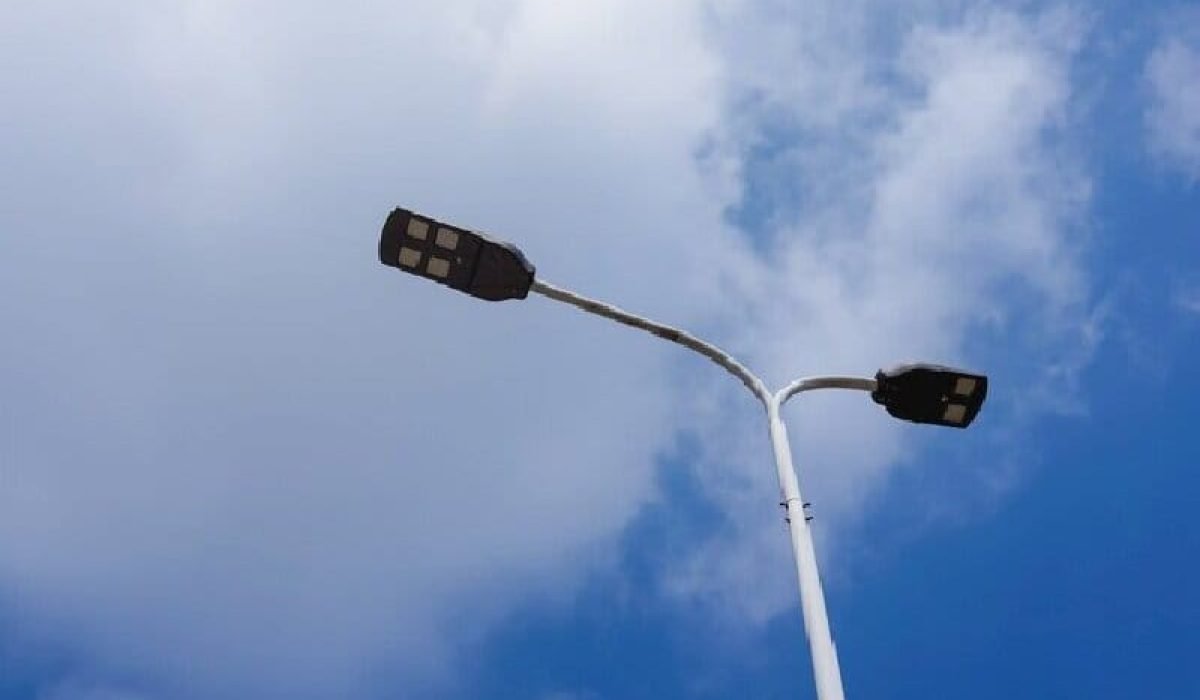
As cities and businesses move towards sustainability, choosing the right solar street light is crucial for ensuring energy efficiency, cost-effectiveness, and long-term durability.
Different environments require tailored lighting solutions that account for sunlight availability, weather conditions, energy efficiency, and aesthetic integration. Selecting the appropriate solar street light helps optimize performance and supports global sustainability goals.
This guide will help you understand the key factors in choosing the right solar street light for different settings.
Key Factors in Choosing Solar Street Lights
1. Environmental Conditions
The effectiveness of a solar street light depends on environmental factors such as sunlight exposure, climate conditions, and overall weather resistance.
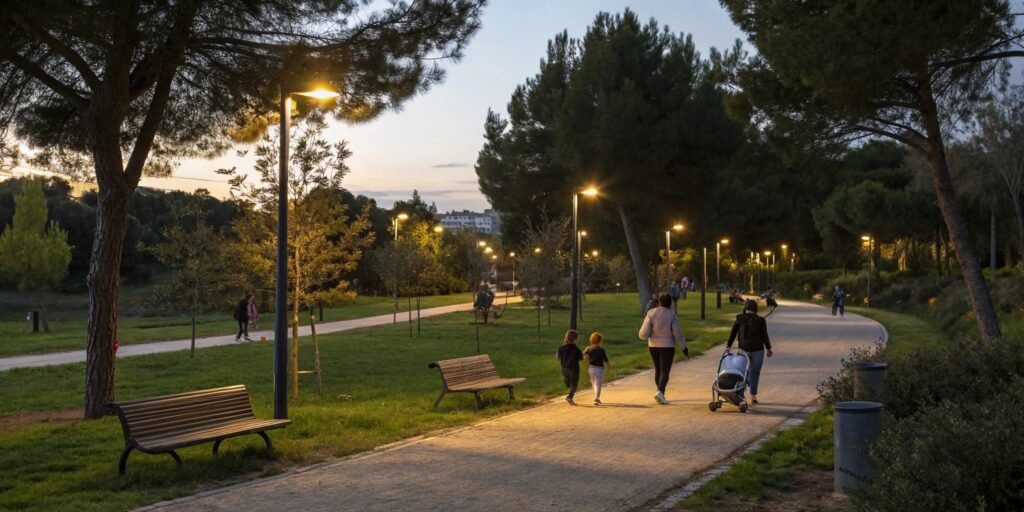
Importance of Sunlight Exposure
- Solar panels require at least 4-6 hours of direct sunlight per day for optimal charging.
- Cloudy or low-sunlight areas may require high-efficiency monocrystalline panels to maximize energy absorption.
- Proper solar panel orientation ensures maximum exposure throughout the day.
Weather Resistance
| Environmental Challenge | Impact on Solar Lights | Solutions |
|---|---|---|
| Rain & Humidity | Can cause corrosion and reduce battery lifespan | Use waterproof enclosures and anti-corrosion materials |
| Snow & Fog | Reduces sunlight exposure, affecting battery charging | Choose larger panels and high-capacity batteries |
| Extreme Heat | Can overheat batteries, reducing efficiency | Use lithium-ion batteries with thermal management systems |
2. Location-Specific Needs
Different locations have specific lighting requirements based on usage, safety needs, and environmental conditions.

Urban Areas
- Require high brightness for safety and security.
- Need vandal-resistant and durable designs for high-traffic locations.
- Smart lighting features like motion sensors can enhance energy efficiency.
Parks & Recreational Areas
- Soft, warm illumination creates a pleasant atmosphere.
- Aesthetic designs blend with natural surroundings.
- Adjustable brightness settings improve usability and energy savings.
Coastal Regions
- Exposure to salt air increases the risk of corrosion.
- Rust-resistant materials (aluminum alloy, stainless steel) ensure durability.
- Sealed battery enclosures prevent moisture-related failures.
3. Installation and Maintenance Considerations
Ease of installation and low maintenance are key for cost-effective and long-term solar lighting solutions.
Installation Factors
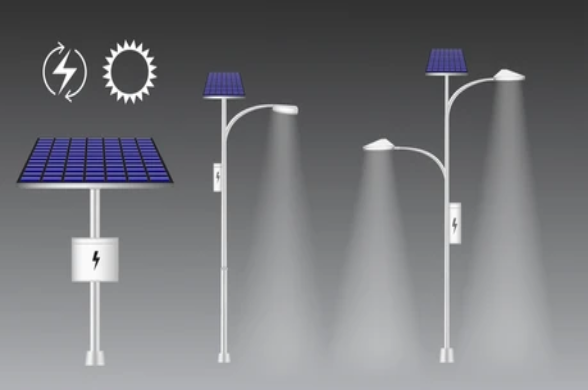
- All-in-one solar lights simplify installation by combining all components in one unit.
- Modular split-type designs offer flexibility for large-scale installations.
- Pre-configured mounting options reduce setup time.
Maintenance Requirements
- Remote or high-traffic areas benefit from low-maintenance designs.
- User-friendly access panels simplify battery and LED replacements.
- Smart controllers provide real-time diagnostics for proactive maintenance.
Energy Requirements and Efficiency
Battery Capacity and Performance
- High-capacity batteries are essential for consistent lighting, especially in winter.
- Lithium-ion batteries last longer and perform better in extreme temperatures.
- Backup power options help maintain illumination during prolonged cloudy days.
Solar Panel Efficiency
- Monocrystalline panels have the highest efficiency (~20-25%).
- Tilt-adjustable panels allow seasonal optimization for maximum energy absorption.
- Regular cleaning improves energy collection and system efficiency.
Smart Energy Management
- Motion sensors adjust brightness based on pedestrian activity.
- Automated dimming schedules conserve energy during off-peak hours.
- Cloud-based monitoring systems track energy usage and optimize performance.**
Aesthetic and Design Considerations
The design of solar street lights should complement the surrounding environment while ensuring functionality and safety.
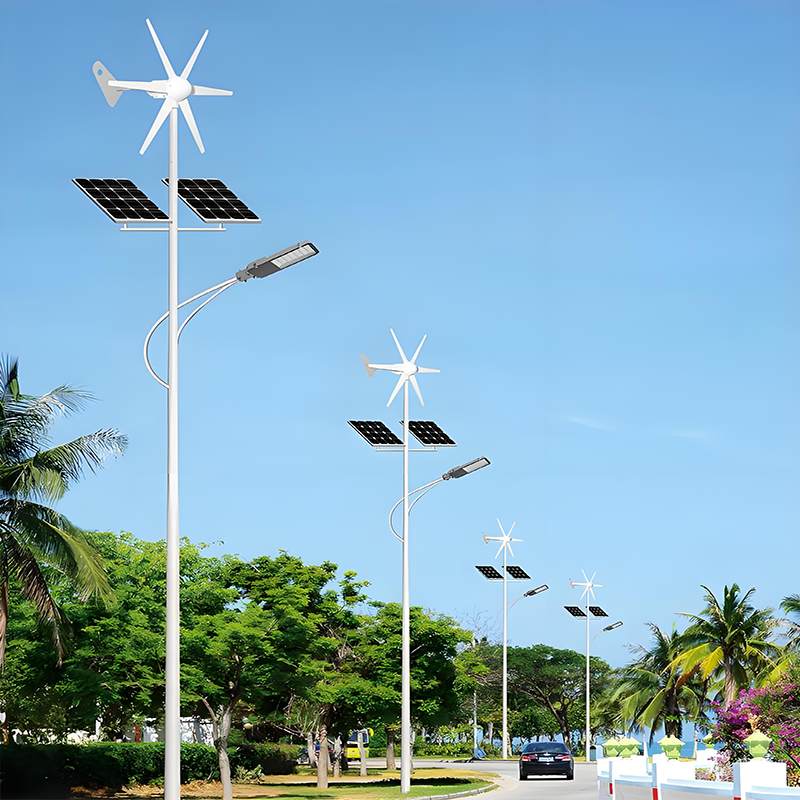
Integration with Surroundings
- Urban areas benefit from sleek, modern designs.
- Parks and pathways require decorative fixtures that enhance ambiance.
- Historical sites may require classic lamp designs with modern solar technology.
Color Temperature & CRI (Color Rendering Index)
| Application | Recommended Color Temperature | Purpose |
|---|---|---|
| Roads & Highways | 4000K-5000K (cool white) | Enhances visibility and reduces eye strain |
| Parks & Walkways | 3000K (warm white) | Creates a welcoming and aesthetic atmosphere |
| Commercial Areas | 5000K-6000K (daylight white) | Maximizes brightness for security and safety |
Aligning with Sustainability Goals
Choosing the right solar street light helps reduce environmental impact and supports sustainability initiatives.

Renewable Energy Usage
- 100% solar-powered systems reduce reliance on conventional electricity.
- Helps municipalities and businesses meet carbon reduction targets.
Carbon Footprint Reduction
- LED lighting consumes 80% less energy than traditional streetlights.
- No grid electricity required, eliminating fossil fuel-based emissions.
Eco-Friendly Materials
- Recyclable aluminum and stainless steel frames reduce environmental impact.
- Non-toxic, long-lasting lithium-ion batteries ensure sustainability.
Lifecycle Considerations
- Durable designs minimize material waste over time.
- Sustainable manufacturing practices ensure minimal environmental footprint.
- End-of-life recycling programs help repurpose outdated components.**
Conclusion: Making the Right Choice for a Sustainable Future
Choosing the right solar street light involves evaluating environmental conditions, energy efficiency, installation ease, and long-term sustainability.
Key Takeaways
✔ Optimize solar panels and battery capacity for local climate conditions.
✔ Select the right design for urban, rural, or coastal environments.
✔ Consider energy-saving smart controls to maximize efficiency.
✔ Invest in durable, sustainable materials for long-term performance.
By making informed choices, businesses and municipalities can reduce energy costs, lower carbon emissions, and contribute to a greener future.
Invest in solar lighting today and create a more sustainable, cost-effective infrastructure for generations to come.