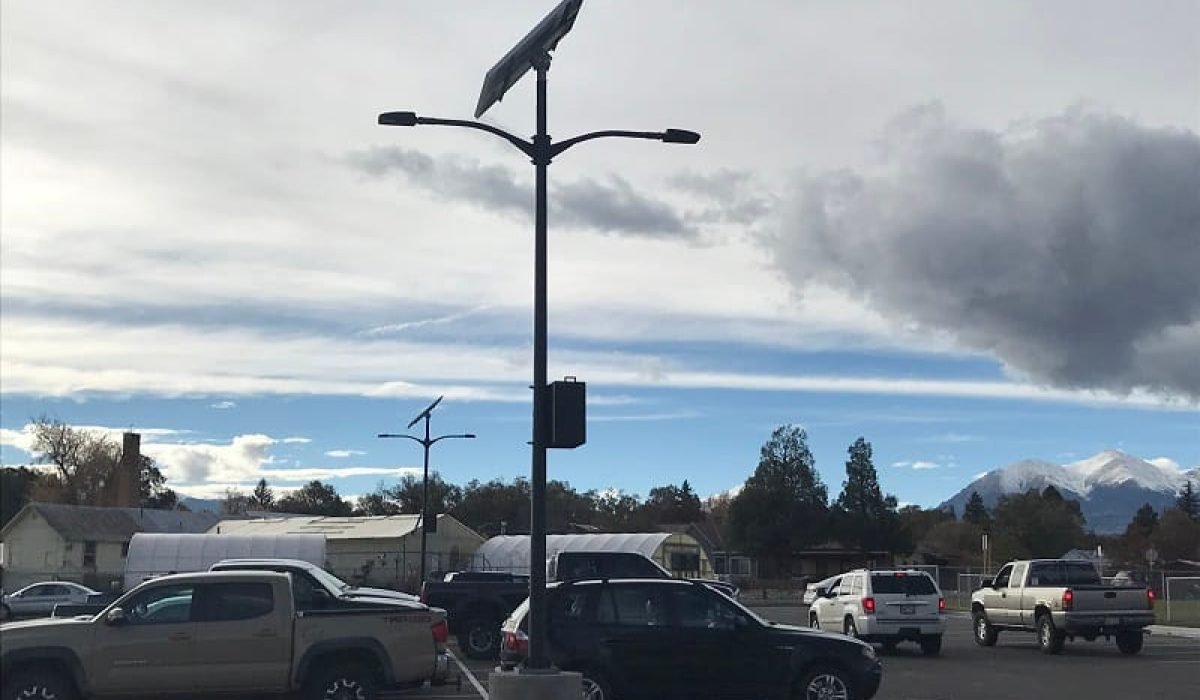
Solar street lights may look simple from a distance — a pole, a luminaire, and a solar panel. But structurally, they are not the same as standard grid-powered lighting poles.
A solar street light is usually a tall outdoor structure with a wind-catching panel, sometimes an underground or pole-mounted battery, and often installed in rural, coastal, roadside, or otherwise exposed conditions. That changes the structural logic completely.
In many projects, the LED and panel still perform acceptably after several years, but the foundation, anchor bolts, and battery pit begin causing complaints, maintenance problems, and safety risk much earlier than expected.
Quick Answer
Solar street light foundation design is different from standard grid-light pole design because the system usually has:
- higher wind load from the solar panel
- changed centre of gravity from the panel, bracket, and battery arrangement
- greater overturning demand at the pole base
- additional civil risk from underground battery pits
- more coordination needs between civil, structural, electrical, and maintenance teams
In practical terms, the highest project risks are usually not the LED wattage or the controller model. They are more often:
- underestimated wind load
- copied grid-light foundation details
- poor anchor bolt coordination
- battery pits with no drainage or anti-condensation logic
- weak anti-theft and maintenance design
That is why a good solar street light foundation review should check at least:
- wind load and overturning logic
- foundation type and soil fit
- anchor bolt and base plate coordination
- battery pit drainage, ventilation, and anti-theft design
- site inspection and handover logic
Need help reviewing wind load, foundation concept, or battery pit details before tender approval?
Request Engineering Deliverables (24H)
Why Solar Street Light Foundations Fail Before the LEDs
On paper, solar street lights are often described as low-maintenance systems.
In real projects, however, many early complaints come from the civil and structural side:
- poles leaning
- base concrete cracking or spalling
- anchor bolts loosening
- underground battery pits filling with water
- batteries rusting, failing early, or being stolen
In many cases, the electronics are not the first major problem. The more common root causes are:
- wind loads underestimated
- grid-light foundations copied for solar poles
- battery pits designed without drainage or ventilation
- poor coordination between civil, structural, and electrical teams
If the project is a municipal tender, PPP, EPC contract, or long-warranty installation, the real question is not:
“How many watts is the lamp?”
It is:
“Will this system stay structurally safe and maintainable for 10–20 years in the actual wind, soil, and maintenance conditions?”
What Makes Solar Street Light Foundations Different from Standard Grid Poles
1. Solar Panels Create a “Sail Effect”
A solar panel is a large exposed surface mounted high on the pole.
Compared with a standard luminaire:
- projected area is larger
- tilt angle changes wind behavior
- drag effect is higher
- base bending moment increases
That means the pole foundation and anchor bolts usually see much higher demand than on a normal grid-powered pole.
2. The Centre of Gravity Changes
The system load is not only:
- pole
- arm
- luminaire
It may also include:
- solar panel
- panel bracket
- controller
- battery on pole or underground battery box
- extra cable route and connection points
So even when the pole height is similar, the structural behavior is different.
3. Solar Lights Are Often Installed in Harder Environments
Solar street lights are frequently used where grid extension is difficult, which often means tougher site conditions:
- rural roads
- soft or variable soils
- slopes or cut-and-fill areas
- exposed highways
- coastal roads
- security-sensitive compounds
That makes foundation design more important than many brochure drawings suggest.
Wind Load and Overturning Risk
A full structural design should always follow the local code and be checked by a qualified engineer where necessary. But the core logic is simple:
- larger panel area = more wind force
- higher mounting point = more overturning moment
- more exposed site = greater risk
A simplified way to understand the problem is:
M = V × h
Where:
- V = horizontal wind force
- h = height of the force above the base
- M = overturning moment at the pole base
Once the panel gets larger, higher, or more exposed, the moment rises quickly.
A structural engineer should definitely be involved when:
- pole height is high
- wind zone is severe
- solar panel area is large
- soil is weak or variable
- the site is exposed, coastal, or on a slope
- the project is public, critical, or heavily audited
For related reading, see:
Wind Load vs Light Pole Foundation Anchor Bolts
Common Foundation Options for Solar Street Lights
There is no universal foundation detail for all projects. A safer approach is to choose the concept that best matches pole height, wind, soil, battery arrangement, and theft risk.
1. Spread Footing + Separate Underground Battery Pit
This is one of the most common arrangements for 6–10 m poles with underground batteries.
Advantages
- familiar civil method
- easier inspection of anchor bolts and base plate
- battery protected below grade
Main risks
- battery pit weakening footing edge
- poor conduit planning
- no drainage or anti-condensation strategy
- theft risk if covers are weak
2. Integrated Foundation with Built-In Battery Chamber
Some projects use a compact foundation with an internal battery/controller chamber.
Advantages
- compact footprint
- cleaner installation layout
- shorter cable route
Main risks
- internal cavity reducing structural capacity
- greater condensation risk
- more difficult waterproofing and maintenance access
3. Direct-Burial Pole + Underground Battery Box
For smaller poles and lighter-duty applications, direct-burial can be acceptable in selected projects.
Advantages
- simpler construction
- less concrete
- useful in budget-sensitive community projects
Main risks
- unreliable embedment depth in variable soil
- weaker performance in higher wind
- battery pit still needs proper drainage and theft protection
Battery Pit Design: The Most Common Hidden Problem
In many solar street light projects, the underground battery pit becomes the first major maintenance issue.
A good battery pit should do four things at the same time:
- keep the battery dry
- limit condensation
- stay accessible for maintenance
- stay difficult to steal from
Why waterproofing alone is not enough
A fully sealed underground box can still fail because temperature change creates condensation inside.
That can lead to:
- water droplets on terminals
- corrosion on lugs and connectors
- gradual battery damage
- invisible internal deterioration before failure becomes obvious
Better practical battery pit logic includes:
- gravel drainage layer under the pit
- cable entries above the bottom
- good surface runoff away from the lid
- sealed conduits
- controlled high-level ventilation where appropriate
- anti-theft cover and concealed locking logic
For related structural and battery-pit context, see:
Light Pole Foundation Design Basics
Common Failure Modes and How to Prevent Them
1. Pole Leaning or Overturning
Typical causes
- wind load underestimated
- foundation too small
- poor soil ignored
- concrete not fully cured
Better prevention
- include panel area in structural review
- size footing for real exposure
- respect curing time
- use structural review in higher-risk sites
2. Anchor Bolt and Base Problems
Typical causes
- poor bolt template control
- wrong projection
- weak nut locking
- poor alignment between base plate and civil work
Better prevention
- check bolt circle carefully
- fix template rigidly before pour
- use double nuts or locking nuts where needed
- photograph anchor setup before concrete
3. Battery Pit Flooding or Internal Moisture
Typical causes
- no drainage layer
- no runoff slope
- bad conduit sealing
- no anti-condensation logic
Better prevention
- gravel base
- sloped surroundings
- sealed entries
- ventilation logic where needed
4. Battery Theft or Unsafe Covers
Typical causes
- visible battery box
- weak padlock-only strategy
- lids too light or poorly fixed
Better prevention
- discreet cover design
- concealed locking points
- stronger structural fixing
- maintenance-friendly but non-obvious access design
What Buyers and EPC Teams Should Request Before Approval
Before approving a solar street light foundation design, ask for:
- pole height and panel size
- wind load input or structural assumptions
- foundation concept and typical dimensions
- anchor bolt layout and template drawing
- battery pit drainage and anti-condensation detail
- anti-theft cover logic
- installation notes
- site inspection checklist
- handover photo and record requirements
This one section is especially important for government and EPC buyers, because it turns the topic from “technical explanation” into “procurement action.”
Practical Site Checklist
A simple checklist on site can prevent many avoidable failures.
Excavation and Soil
- excavation matches drawing
- weak bottom material removed
- bearing soil confirmed
Rebar and Anchor Bolts
- rebar placed correctly
- cover maintained
- anchor bolts fixed with rigid template
- bolt circle matches base plate
Concrete
- correct grade used
- concrete compacted
- top surface sheds water
- curing respected before erection
Battery Pit
- pit size matches drawing
- drainage layer installed
- box level and supported
- conduits sealed
Final Inspection
- pole verticality checked
- covers secured
- no obvious water traps
- installation photos recorded
Project Scenarios Where This Matters Most
Rural Roads
Weak soils and lower maintenance access make overdesign safer than copied standard details.
Coastal Roads
Corrosion and wind exposure require better anchor, coating, and battery-pit detailing.
Slopes and Cut-and-Fill Sites
Soil variation and runoff increase risk.
Security-Sensitive Compounds
Battery theft risk makes pit design and cover strategy critical.
Final Takeaway
Solar street light foundation design is different from standard grid-light pole design because the system introduces:
- higher wind load
- different centre of gravity
- greater base demand
- added battery pit risk
- more coordination between structural, electrical, and maintenance logic
For real projects, the most expensive failure is often not the LED.
It is the civil or structural issue that appears years earlier than expected.
That is why a better project review should focus on:
- wind and overturning logic
- foundation fit to site conditions
- anchor bolt coordination
- battery pit drainage and anti-condensation
- site inspection and handover discipline
Need a Foundation Review Before Tender or Approval?
If you are planning a new off-grid solar street lighting project, or already have a foundation drawing from another supplier, we can help review:
- pole heights and solar configuration
- wind zone and exposure assumptions
- foundation concept and battery pit arrangement
- key structural and maintenance risks before tender or approval
Next actions:
- Explore Solutions
- View Product Options
- See Project References
- Request Engineering Deliverables (24H)
- Review Manufacturing & Quality
- See Markets We Serve
FAQ
Why is solar street light foundation design different from standard grid-light pole design?
Because the solar panel increases wind load, changes the centre of gravity, and often introduces underground battery pit requirements that affect drainage, theft protection, and maintenance.
Can I use the same foundation drawing for all sites in one project?
Only if wind, soil, terrain, and exposure conditions are genuinely similar. On long routes or mixed sites, a single standard detail can create risk.
What is the biggest hidden risk in solar street light foundations?
In many projects, the hidden risk is not the LED or controller. It is poor battery pit drainage, condensation, anchor bolt coordination, or underestimated wind load.
When should a structural engineer be involved?
A structural engineer should definitely be involved for taller poles, higher wind zones, larger solar panels, weak soils, slopes, coastal sites, and critical public infrastructure.
Why do underground battery pits fail early?
They often fail early because of poor drainage, trapped condensation, weak conduit sealing, or anti-theft design that ignored maintenance and real outdoor conditions.