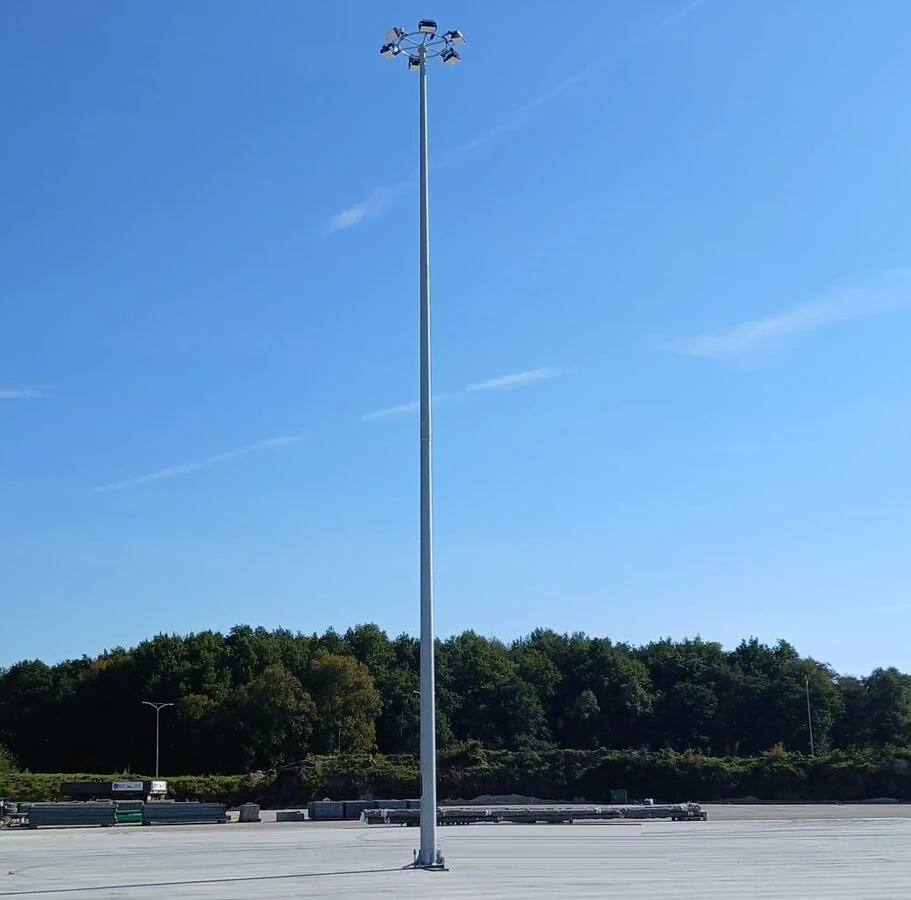
SL-HM Series High Mast Lighting
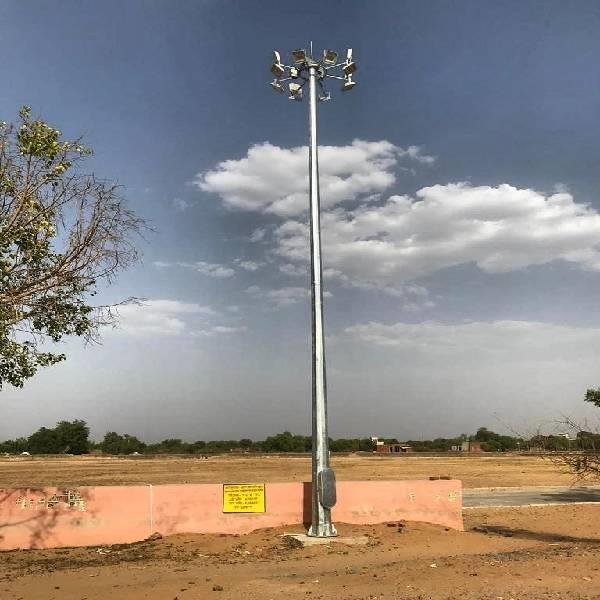
High mast lighting is often delayed by unclear wind/load assumptions, maintenance access constraints, and layout uncertainty. SL-HM is a configuration-ready series with an optional lowering system and engineer-supported layout design based on your site and coverage needs.
Product Features
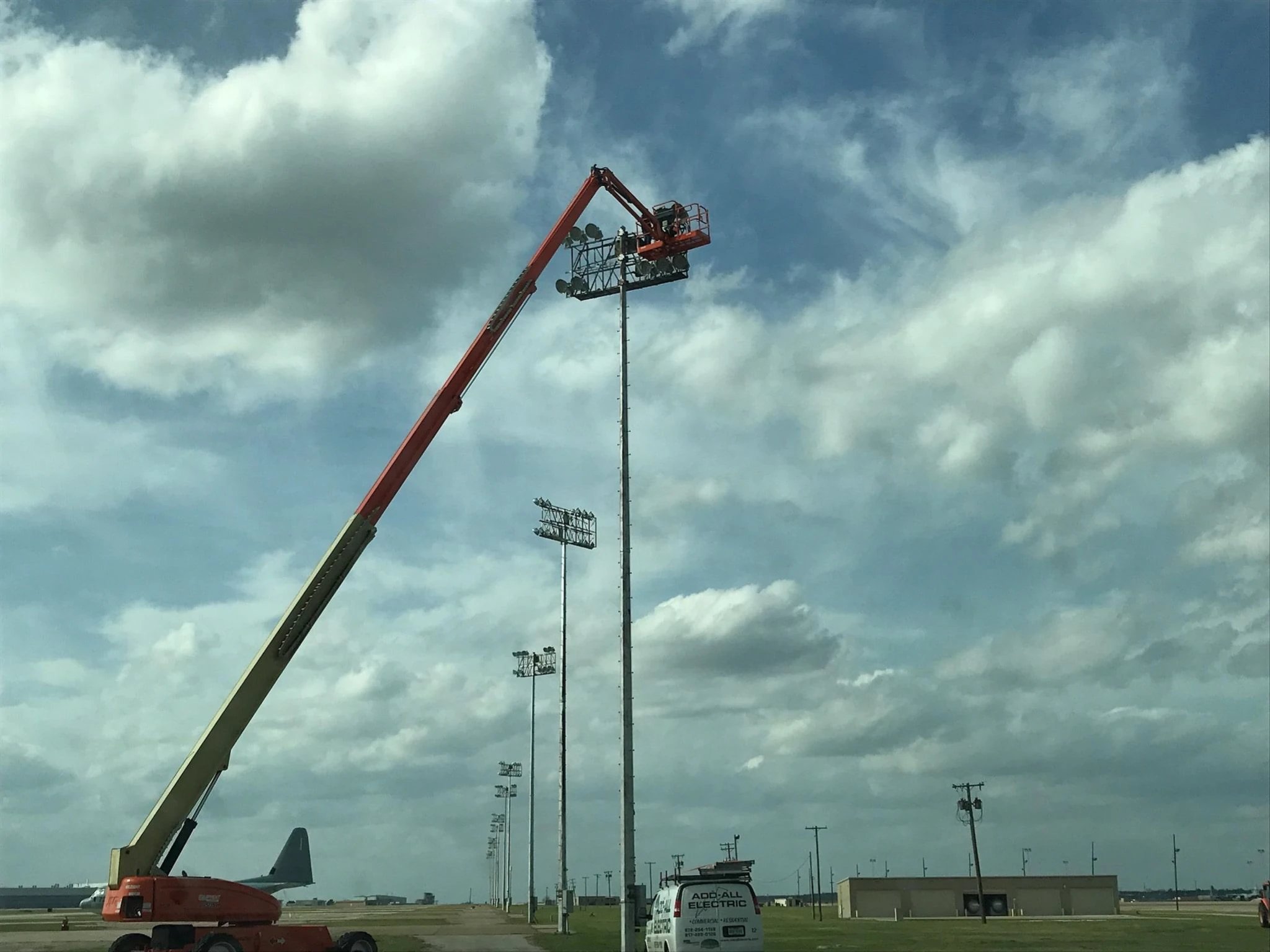
- Lower maintenance risk: optional lowering system for safer servicing and faster repairs
- Reduce design uncertainty: engineer-supported layout proposal based on area, height, and targets
- Control glare & spill: optics selection aligned to boundary and viewing zones
- Avoid approval delays: assumptions and outputs documented for review and clarification
- Deployment-ready docs: datasheet + configuration list + layout notes available
| Series | SL-HM (High Mast Lighting) |
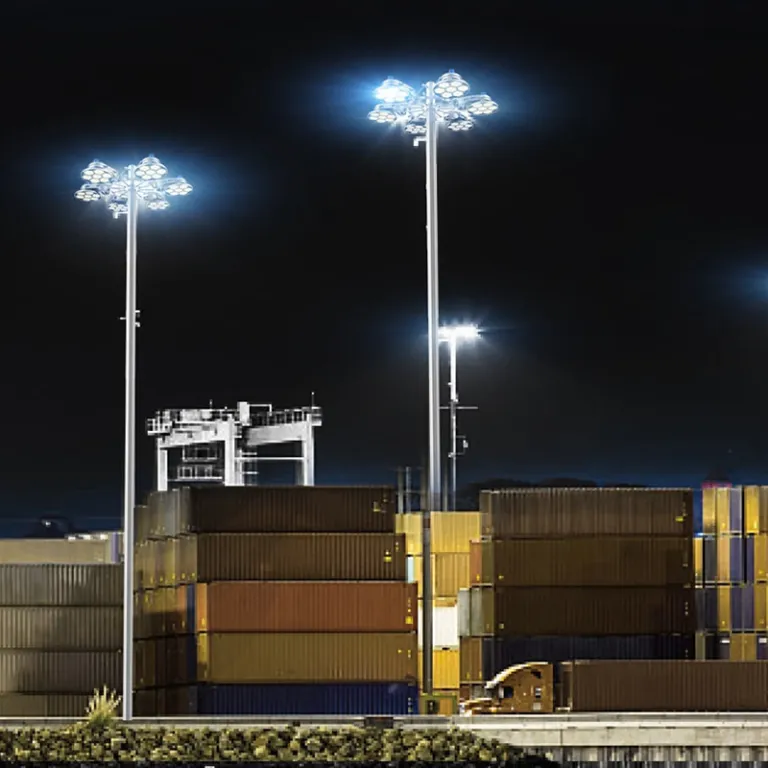
| Best For | Large-area lighting where coverage uniformity and maintenance access matter (yards, ports, interchanges, industrial zones) |
| Key Risk Controlled | Wind/load assumptions, coverage uncertainty, and maintenance safety |
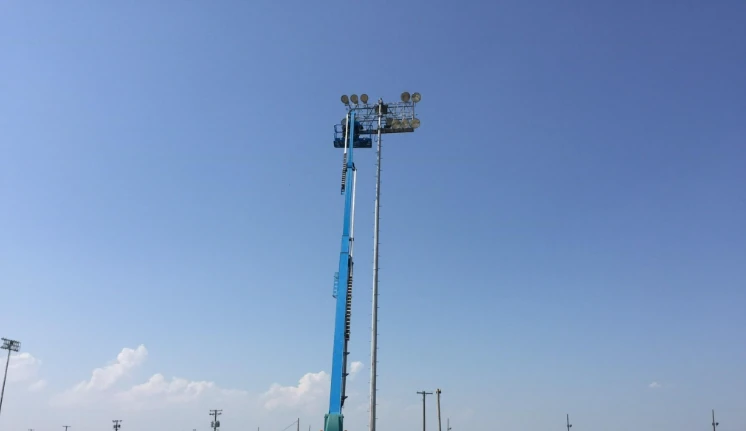
| Maintenance Method | Optional lowering system to reduce service downtime and improve safety |
| Optics Strategy | Optics selected by boundary, mounting height, and glare comfort zones |
| Engineering Support | Layout proposal with assumptions and notes for review and approvals |
| Documentation | Datasheet + configuration list + layout notes (project-ready) |
Note: High mast outcomes depend on assumptions (area boundary, wind condition, height, and targets). Documented assumptions help reduce clarifications and rework.
Installation Support
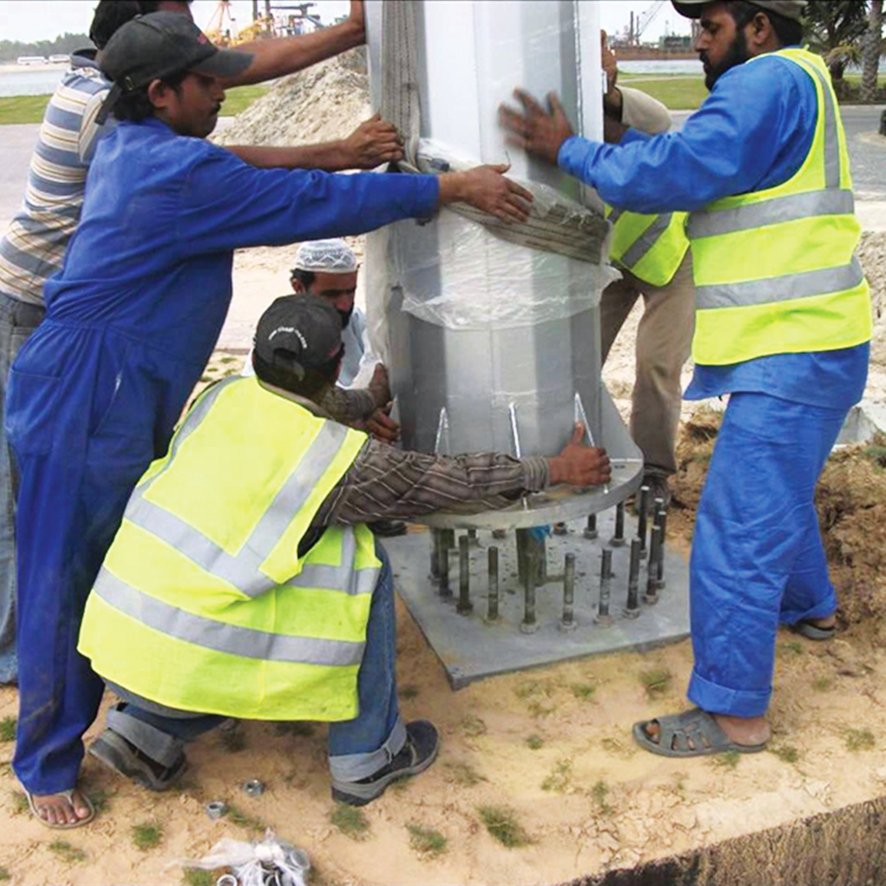
To reduce installation mistakes and onsite rework, we provide a step-by-step installation manual pack for this series . If you want faster fitment confirmation, send your pole diameter, mounting height, and bracket photos — our team can guide you remotely and confirm the correct setup before deployment.
Optics Options (Type II / Type III / Type IV)
Best for narrower roads and longer forward throw. Helps keep light focused along the roadway.
Type II • Narrow roads • Long throw • Controlled spill
A general-purpose distribution for most standard roads. Balanced forward throw and side coverage.
Type III • Standard roads • Balanced coverage • Common choice
Designed for wider roads, perimeters, and edge coverage. Useful when you need more lateral reach.
Type IV • Wider roads • Perimeter • Lateral reach
Not sure which optic fits your road width and mounting height? Send your height and target spacing — we’ll confirm the best option.
Proof & Due Diligence

See deployment scenarios and configuration sanity checks.

QC workflow, test capability, and traceability approach.

Contact Engineering Team
Share constraints and receive a solution-ready response.

Markets & Deployment Conditions
Typical constraints by region—coastal, hot, dusty, and heavy-rain environments.
Frequently Asked Questions
What inputs do you need to propose a high mast layout? +
Area boundary and key zones, preferred mounting height window, any target levels (if specified), wind condition notes, and maintenance access constraints. Clear inputs reduce revisions and approval delays.
When should I use a lowering system? +
Use it when safe access equipment is limited, when maintenance must be done with minimal downtime, or when frequent inspections are expected. A lowering system reduces service risk compared with high-access work.
How do you decide luminaire quantity and arrangement? +
It is driven by area size, mounting height, target levels (if specified), and boundary constraints. We aim to balance coverage uniformity and glare comfort, while keeping maintenance and parts complexity reasonable.
How do you control glare and spill in large-area lighting? +
We select optics based on boundary and viewing zones, then verify aiming and arrangement to avoid excessive backlight and glare. This reduces complaint risk and improves acceptance in real sites.
What documents can you provide for review and approvals? +
A project-ready set can include datasheet, configuration list, and layout notes with documented assumptions. This helps reviewers trace the design basis and reduces clarification cycles.