

Most procurement teams I’ve worked with—municipal, private estate, or industrial—struggle not with choosing solar street lights[^1] but with structuring the tender document correctly. A well-written solar tender document protects both sides: the issuer gets clarity and measurable performance expectations, while bidders avoid ambiguity that leads to disputes, delays, or costly variations.
This guide lays out a complete tender sample and RFQ template. Everything here is brand-neutral, globally applicable, and written so any organization can adapt the sections directly into a formal procurement process[^2].
Understanding the Purpose of a Solar Tender Document
A solar tender document is essentially the rulebook for the procurement event. Its purpose isn’t only to describe the product—it creates a transparent framework so every bidder understands the same requirements, follows the same procedures, and is evaluated using the same rules.
Clear objectives of a tender document:
- Establish fairness and traceability
- Define technical and functional expectations
- Ensure regulatory and administrative compliance
- Provide a uniform evaluation guideline
- Reduce the risk of delivering incorrect or non-performing systems
Whether the issuer is a local council, a private developer, or a utility, the principle remains: clear tendering prevents technical surprises later.
Key Components Required in Any Solar Tender Document
Below are the core pillars found in almost all compliant tender structures:
- Scope Definition: What the project intends to achieve.
- Technical Specifications: Lighting output, materials, environmental performance.
- Performance Metrics: Illuminance, autonomy, lifespan targets.
- Project Timeline: Expected delivery, installation, and handover schedule.
- Submission Requirements: Documents bidders must provide.
- Evaluation Framework: How proposals will be compared.
Each of these ensures traceability and reduces subjective interpretations.
Solar Street Light Tender Sample — Full Structure Breakdown
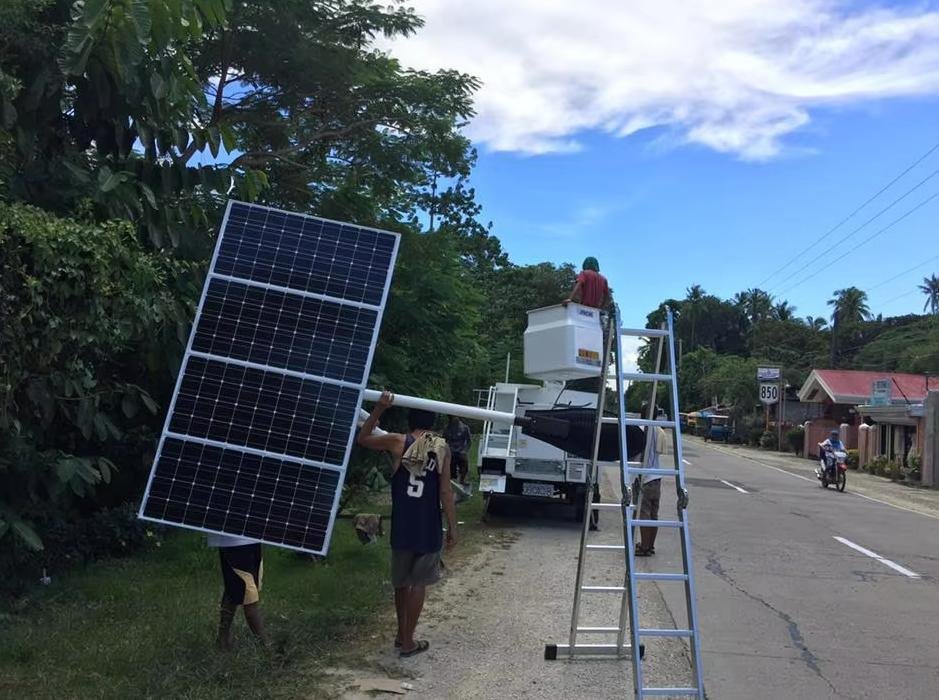
Below is a high-level sample layout widely used across procurement bodies. You can copy, expand, or adapt each section to build your own solar tender document[^3].
Section 1 — Project Overview and Objectives
A good tender begins by setting expectations simply and precisely.
Purpose examples:
- To supply, install, and commission solar street lights[^1] along designated road segments.
- To enhance illumination for pedestrian safety in public zones.
- To improve reliability using autonomous, grid-independent lighting solutions.
Coverage area description:
- Total road length or zone area
- Number of poles or points
- Any special terrain or environmental considerations
Definitions and terminology:
Clarify terms such as “autonomy,” “lux levels,” “LED efficacy,” “warranty period,” or “commissioning.”
Section 2 — Technical Specifications for Solar Street Lights
A compliant solar tender document places heavy emphasis on measurable technical parameters. A typical format:
- Light Output: Minimum lumen output per unit, color temperature, uniformity guidelines.
- Solar Panel: Rated capacity (W), module type, expected conversion efficiency.
- Battery Storage: Technology (LFP recommended in many cases), usable capacity, depth-of-discharge limits.
- Controller: MPPT/PWM, protections, programmable profiles, monitoring options.
- Pole Requirements: Height, material (galvanized steel/aluminum), foundation design guidelines.
- Autonomy Target: Example: ≥ 3 nights without recharge.
- Environmental Ratings: IP65/IP66 for fixtures, corrosion resistance standards.
Each point should be quantifiable to prevent vague interpretation.
Section 3 — Installation and Commissioning Requirements
This section ensures bidders understand responsibilities beyond equipment supply.
Typical inclusions:
- Site Preparation: Excavation, foundations, cable routing (if hybrid).
- Mounting Procedures: Panel orientation, tilt angle referencing local solar path.
- Commissioning Steps:
- Functional lighting test
- Battery capacity verification
- Panel voltage and current output check
- Final site walkthrough
Add acceptance criteria such as minimum lux levels or operational hours on night-one testing.
Section 4 — Maintenance and Warranty Conditions
To avoid unclear post-installation responsibility, tenders usually define:
- Preventive Maintenance: Cleaning cycles, battery inspection intervals, structural audits.
- Corrective Maintenance Timeline: e.g., issues resolved within 48–72 hours upon notice.
- Warranty Period: Fixture, panel, battery, and controller may each have separate terms.
Specify responsibilities clearly—who pays for transport, labor, or parts during warranty claims.
Section 5 — Administrative Requirements and Eligibility Criteria
Common requirements include:
- Certificate of incorporation or business license
- Past project experience list (similar scale)
- Compliance declarations
- Manufacturer or supplier authorization letters
- Data sheets for offered components
Keep the requirements neutral without referring to specific standards unless necessary.
Section 6 — Pricing Format and Cost Breakdown (Tender Sample)
A clean pricing table helps prevent hidden costs.
| Item Description | Qty | Unit Price | Total Price |
|---|---|---|---|
| Solar Street Light (Complete Set) | ___ | ___ | ___ |
| Pole + Foundation | ___ | ___ | ___ |
| Installation Works | ___ | ___ | ___ |
| Commissioning | ___ | ___ | ___ |
| Optional Items | ___ | ___ | ___ |
| Grand Total | — | — | ___ |
Issuers may request separate pricing for materials and labor to simplify evaluations.
RFQ Template for Solar Street Light Procurement
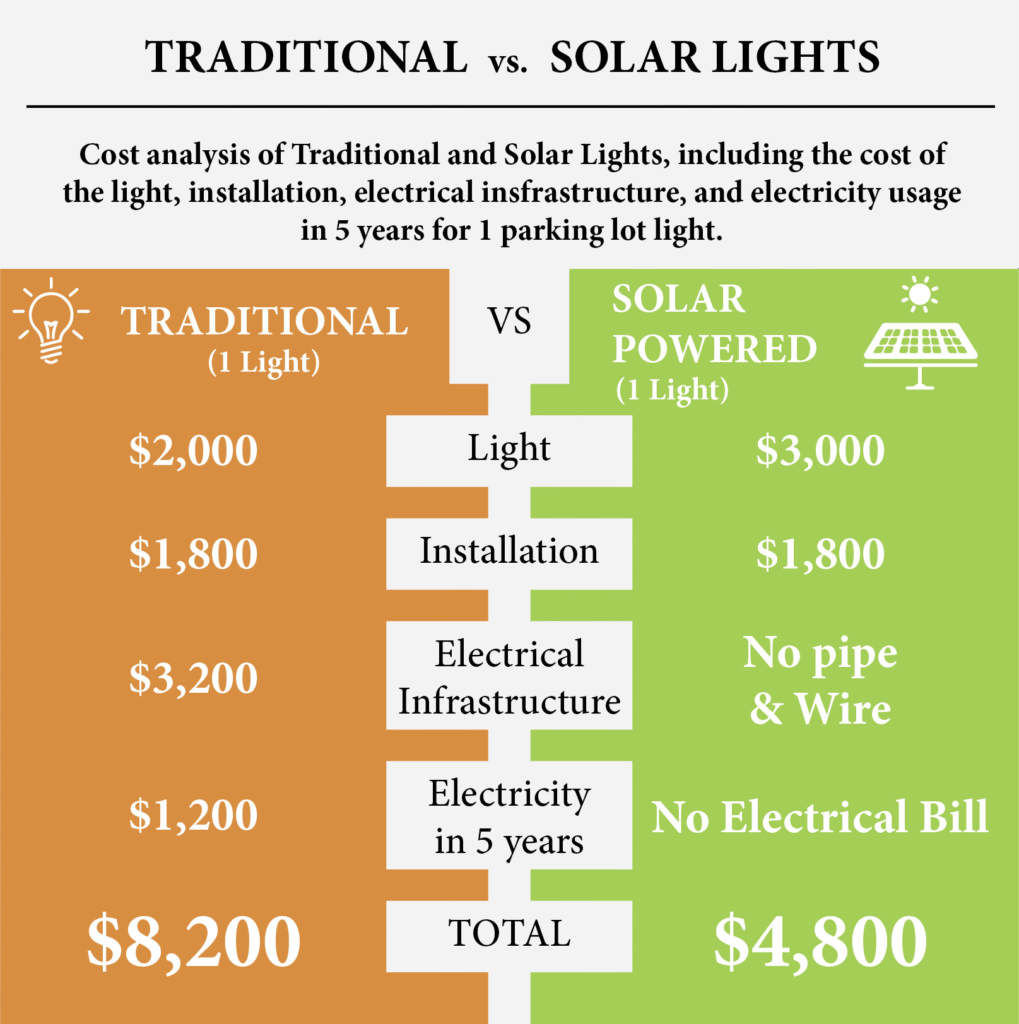
Below is a ready-to-use RFQ template[^4] following standard procurement practice.
RFQ Header and Basic Information
Request for Quotation (RFQ)
Project Title: Solar Street Light Supply & Installation
RFQ No.: __
Issuing Entity: __
Submission Deadline: __ (local time)
Submission Method: Email / Sealed Envelope / E-Procurement Portal
RFQ Requirements and Deliverables
- Required Quantity: __
- Technical Compliance: All offered units must meet or exceed the minimum specifications attached.
- Delivery Terms: Delivery to __ within __ days from PO.
- Warranty: Indicate period and coverage.
- Installation Timeline: __
All requirements must be measurable and comparable.
RFQ Submission Instructions
- Format: Single PDF + Excel BOQ (if applicable)
- Contact Point: Name, phone, email
- Document Checklist:
- Company Profile
- Technical Datasheets
- Compliance Sheet
- Pricing Table
- Delivery Schedule
- Warranty Terms
- Signed Declaration Form
Evaluation Criteria Used in Typical Solar Tender Documents
Most issuers use a multi-factor evaluation instead of focusing solely on price.
Technical Responsiveness
How closely the offered solution matches the required technical specifications[^5], including autonomy, lumen output, materials, and environmental ratings.
Financial Competitiveness
Comparison of unit prices, lifecycle cost assumptions, optional item pricing, and overall transparency in the bill of quantities.
Delivery and Execution Capacity
Issuer evaluates:
- Past performance
- Available manpower
- Project timeline realism
- After-sales support capability
These factors help select a supplier who can perform reliably—not just cheaply.
How Bidders Can Prepare a Strong Response to a Solar Tender Document
Aligning the Proposal with Technical Requirements
Respond point-by-point using a compliance matrix. Avoid generic confirmations like “complied”; provide evidence or parameters.
Preparing Accurate Pricing and Cost Justification
Break down costs clearly. Avoid lump sums; itemize materials, labor, logistics, and optional services.
Submitting Clear Supporting Documentation
Include organized annexes:
- Datasheets
- Technical drawings
- Work schedule
- Warranty conditions
- QA/QC procedures
A clean submission increases evaluation scores significantly.
Downloadable Tender Format (Text-Based Sample for Direct Use)
Below is a minimal tender structure ready for copy-paste:
1.Project Overview
2.Scope of Work
3.Technical Specifications
4.Installation Requirements
5.Commissioning Procedures
6.Warranty & Maintenance Terms
7.Eligibility Criteria
8.Submission Requirements
9.Evaluation Method
10.Pricing Schedule
Use this as a foundation and expand as needed.
Frequently Asked Questions About Solar Tender Documents
1. What is a solar tender document?
A formal set of requirements used to procure solar lighting systems through competitive bidding.
2. What technical details must be included?
Lumen output, autonomy, battery type, solar panel rating, controller functions, pole structure, and installation expectations.
3. How are bidders evaluated?
Typically based on technical compliance, pricing transparency, and delivery capability.
4. Can tender templates be reused?
Yes—most structures remain similar across projects, but technical details should be updated for each site.
5. What makes a strong bid submission[^6]?
Clear compliance, itemized pricing, complete documentation, and realistic delivery timelines.
[^1]: Explore the advantages of solar street lights, including energy savings and environmental impact.
[^2]: Understand the key steps in a procurement process to enhance your organization's efficiency.
[^3]: Learn about the importance of tender documents in ensuring fair procurement processes.
[^4]: Learn how to utilize an RFQ template to streamline your procurement process.
[^5]: Discover essential technical specifications to consider when selecting solar street lights.
[^6]: Get tips on crafting a compelling bid submission that stands out to evaluators.