
In my 15 years working in municipal infrastructure projects, whether it’s a new city road or a rural lighting upgrade, one question always comes up:
“Should we go with solar light poles or traditional grid-powered ones?”
From a municipal engineer’s perspective, this decision isn’t just about the price tag. It’s about long-term maintenance, installation feasibility, energy strategy, and how well the system fits the local environment.
Let me walk you through a real comparison—based not on theory, but from the field.
What’s the Difference Between Solar and Traditional Light Poles?
Before making a decision, you need to understand how these systems work.
-
Solar Light Poles
- Includes solar panel, lithium or GEL battery, controller, LED fixture, and pole
- Fully independent from the power grid
- Ideal for remote areas, new developments, or locations with unstable grid access
-
Traditional Grid Light Poles
- Connected to 220V/AC municipal power
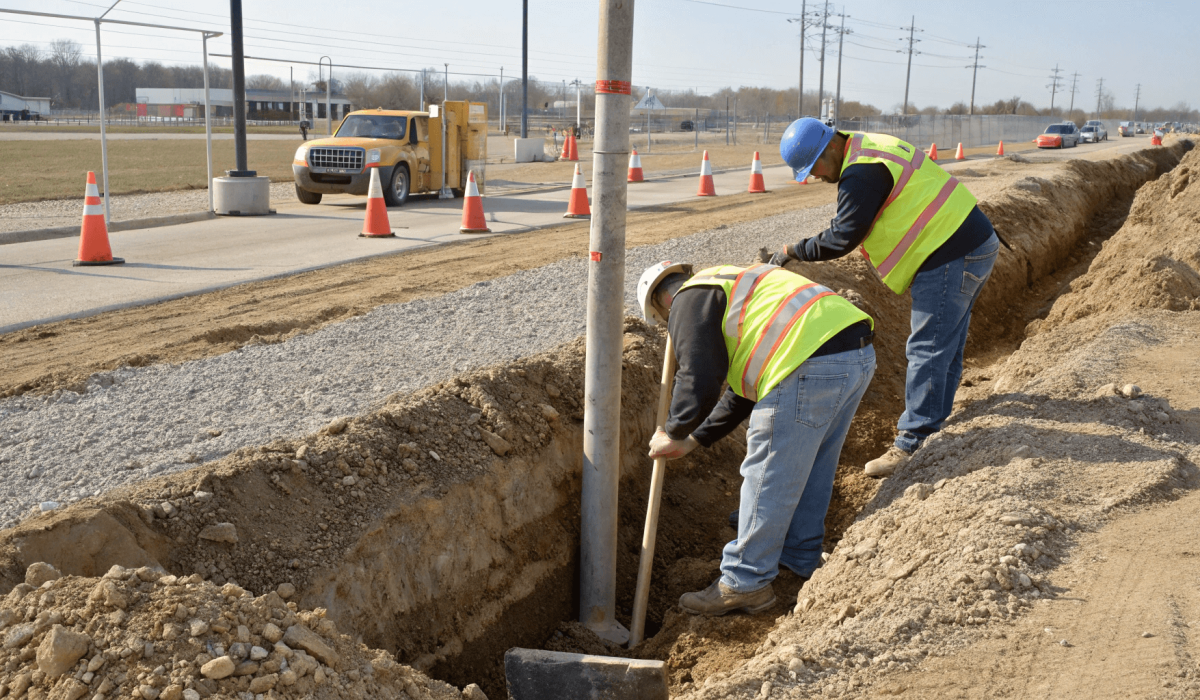
- Requires trenching, cabling, junction boxes, transformers
- Common in cities and developed zones with stable grid infrastructure
Installation Costs: What Budget Engineers Look at First
You want to save money? Look beyond just the light fixture cost.
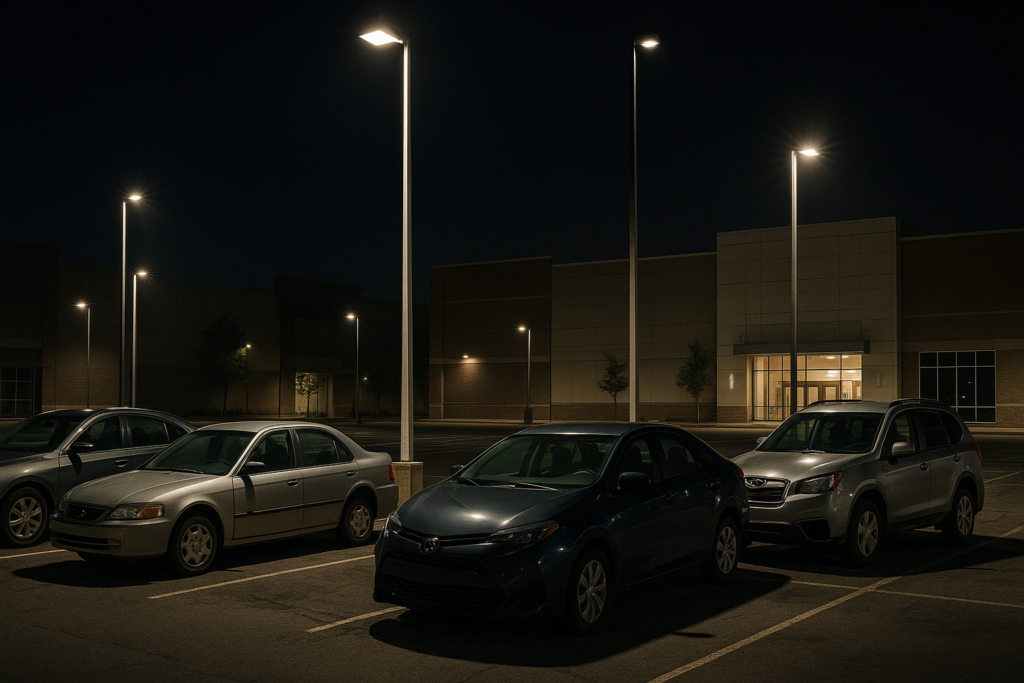
In one project I worked on in a county-level town, solar light poles cost about 20–30% more upfront due to the panel and battery. But…
Solar eliminates trenching, cable laying, utility coordination, and doesn’t need grid permits. These alone can cost thousands per kilometer in urban areas.
Here’s a simplified breakdown (per unit):
| Item | Solar Light Pole | Traditional Light Pole |
|---|---|---|
| Materials (with solar kit) | $2,800 | $1,800 |
| Labor | $400 | $700 |
| Trenching & Cabling | $0 | $900 |
| Total | $3,200 | $3,400 |
In many cases, solar poles are cheaper overall—if you account for full installation costs.
Power & Maintenance: Which Saves More Over 10 Years?
The biggest advantage of solar poles is that they don’t generate electricity bills.
- A 50W LED on grid power uses around 1.2 kWh/day
- That’s ~438 kWh per year per pole
- Over 10 years × 10 poles = $6,000+ in electricity costs (at $0.15/kWh)
With solar poles:
- Zero utility cost
- Low maintenance (battery every 5–8 years, panel cleaning 1–2 times/year)
Compare that to:
- Grid lights needing bulb replacements, wiring repairs, and coordination with utility providers
In a coastal city project we completed with 800 solar poles, less than 5% required maintenance in 3 years, mostly battery-related.
Application Scenarios: It’s Not One-Size-Fits-All
There’s no universal winner. It depends on where and how you install.

-
Use grid poles in:
- Urban highways
- Areas with heavy lighting codes
- Locations with dense, stable grid access
-
Use solar poles in:
- Development zones
- Coastal or mountainous areas
- Villages and rural upgrades
- Temporary or emergency lighting
Real Case Example
In 2021, we upgraded a 12 km rural road with 230 light poles. Initially planned for grid power, but due to budget constraints, we switched to solar:
- Saved $120,000 in cable, trenching, and permits
- Cut project time by 3 weeks
- Avoided lengthy coordination with the power company
For remote and budget-sensitive projects, solar lighting is a game changer.
Engineer’s Advice: Don’t Just Look at Unit Price—Look at Lifecycle Cost
When reviewing bids or making procurement decisions, don’t ask “Which is cheaper now?”
Ask “Which is cheaper over 10 years?”
- What’s the power cost?
- What’s the real maintenance load?
- Can I even connect to a nearby power line?
Add together: purchase + install + operate + repair. That’s the real cost.
Practical Suggestions (From Field Experience)
- ✅ Tight budget? Solar may win over the full lifecycle
- ✅ Complex construction site? Solar skips trenching
- ✅ Avoid utility bureaucracy? Solar needs no permits
- ✅ Green project? Solar supports sustainability goals
If it’s a city center or regulated highway—go grid.
If it’s rural, fast-moving, or environmentally sensitive—go solar.
As an engineer, I care about long-term reliability, ease of maintenance, and whether the system can stand strong under real-world conditions. The right system isn’t about trends—it’s about fit.